Driving in Singapore is regulated closely, and the penalty for a lapse can be a fine, a loss of points or both. The Traffic Police, a division of the Singapore Police Force (SPF), enforces road rules through officers on patrol, fixed cameras and reports from other road users. For drivers, the practical question is simple.
How many points does an offence carry, how much could it cost, and what happens if the points build up?
This guide explains how the Demerit Point System works, how fines and notices are handled, what drivers can do if they believe a notice is wrong, and which habits keep a licence clean. Penalties are revised by law from time to time, so use the Traffic Police website for the figures that apply on the date of your offence.
Demerit Points: How the System Records Your Driving
The Demerit Point System is a record of a driver’s offences over a rolling period. When a driver commits certain traffic offences, points are added to their record in addition to any fine. The number of points depends on the seriousness of the offence. Minor lapses carry few points, while dangerous behaviour carries more. The points sit on the record for a set period, which is counted from the date of the offence, and then fall away if no further offences occur.
The purpose of the system is to identify drivers who repeatedly break the rules and to encourage safer habits. A single fine may be forgotten, but a mounting tally of points has a stronger effect, since it can lead to suspension of the licence. This is why a driver who seems to have paid a small fine may still face a larger consequence if the points reach a threshold.
Points attach to the driver, not to the vehicle. If a car is photographed committing an offence, the registered owner is asked to name the driver, and the points go to the person who was driving. Owners who lend vehicles should know who is driving and should keep a record. A borrower’s offence can cost the owner time and trouble even when the owner is not at fault.
You can check your own record through the Traffic Police website using Singpass. It is wise to do this once or twice a year, and again after receiving a notice, so that you know where you stand.
- Points per offence: Each listed offence carries a set number of points, in addition to the fine.
- Rolling period: Points are counted over a stated period from the date of the offence.
- Driver-based record: Points follow the person who drove, not the registered owner.
- Online checks: Singpass lets you view your record and plan accordingly.
Keep in mind that points and fines tell only part of the story. Insurers look at claims and sometimes at driving records when they set premiums at renewal, and employers who hire drivers often ask about licence history. A few careless moments can therefore carry costs well beyond the notice itself. Think of every point as a mark that may be read by people other than the Traffic Police.
Common Offences and Typical Penalties
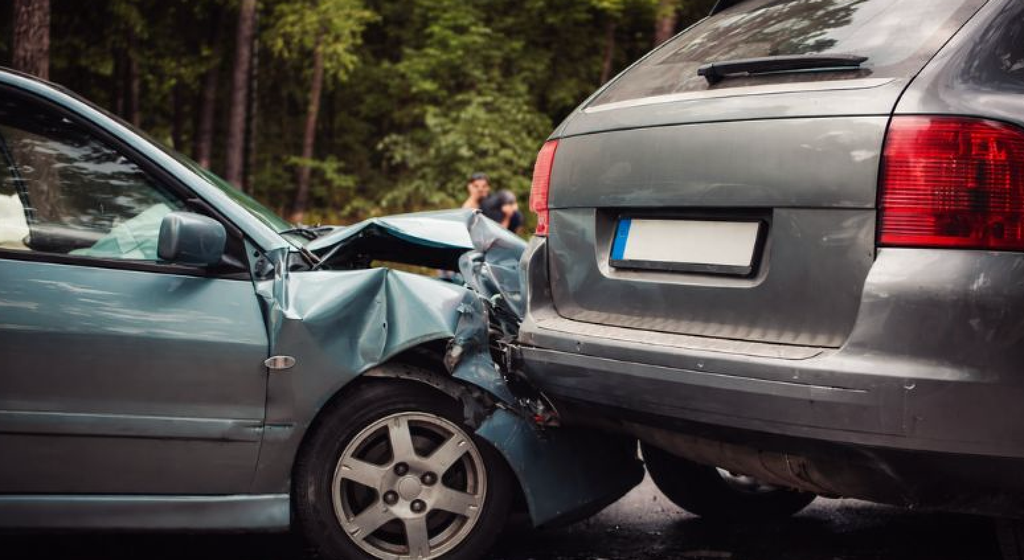
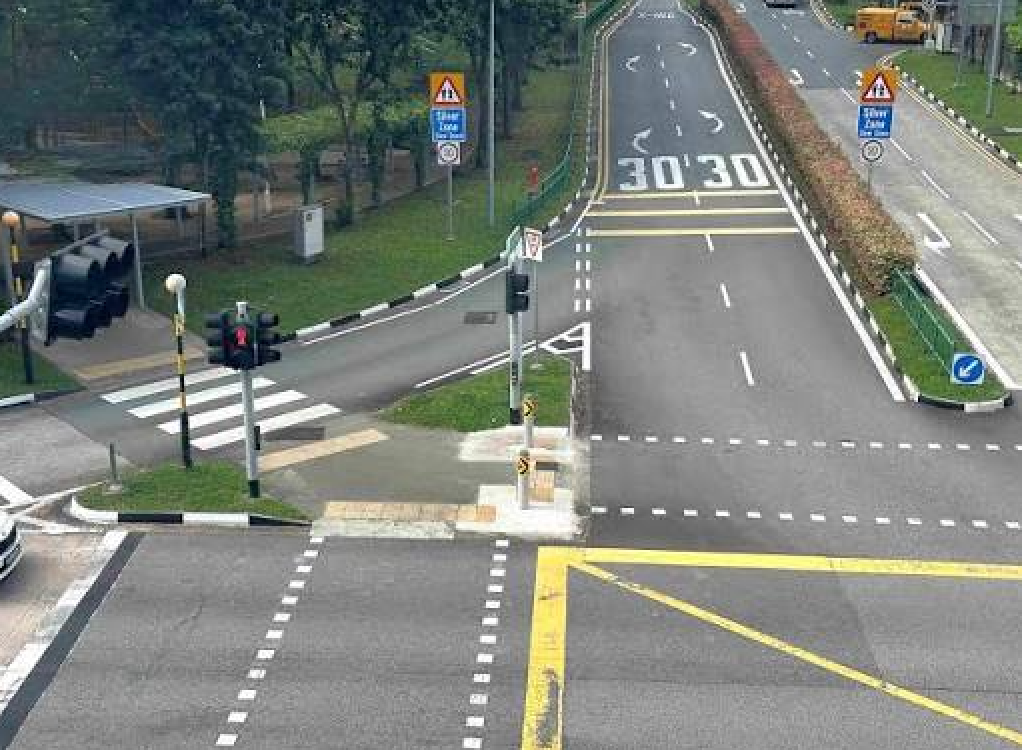
Most points come from a short list of familiar offences. Speeding is the most visible, and it covers exceeding the limit on expressways, arterial roads and in zones with lower limits. Speed limits are commonly set at 50 kilometres per hour on many urban roads and 90 on expressways, with lower limits in school zones and Silver Zones, but always follow the signs on the day. Running a red light, failing to give way, making illegal turns, using a mobile phone while driving, and not wearing a seat belt are also common offences.
More serious offences include drink driving, dangerous driving, causing hurt by a negligent act and driving without valid insurance. These matters can lead to court proceedings, heavy fines, imprisonment and disqualification from driving. They are treated very seriously in Singapore. A driver who is caught is not usually offered the simple payment route that applies to minor offences.
Penalties differ by offence, vehicle type and past record. For many minor offences, the Traffic Police issue a notice with a composition sum, which is a fixed amount that you can pay to settle the matter without going to court. For others, the driver is summoned to court. The notice states the offence, the date, the place and the options available. Read it carefully and keep it.
Parking and ERP offences are handled by other agencies and generally do not carry demerit points, but they are enforceable and can lead to separate fines.
- Speeding: Exceeding the posted limit, with penalties increasing with the amount over the limit.
- Red-light violations: Crossing the stop line when the signal is red, usually caught by camera.
- Mobile phone use: Handling a phone while driving is an offence and a common source of points.
- Seat belt rules: Drivers and passengers must wear seat belts where required.
- Serious offences: Drink driving and dangerous driving can lead to court, disqualification and imprisonment.
Motorcyclists and cyclists are held to the rules too. Riders must wear approved helmets, follow lane discipline and observe signals, and personal mobility devices and bicycles have their own regulations on paths and roads. Riders of motorcycles carry demerit points in the same way as car drivers, and the risk of injury is higher, so extra care on the road is a sound investment.
Fines, Payment, and Enforcement
A fine is the money penalty, and it is separate from the demerit points. When an offence is detected by a camera, a Notice of Traffic Offence is usually sent to the registered owner, or the owner is asked to identify the driver within a set period. If an officer stops you, the notice may be issued on the spot or posted to your address. In either case, the notice describes the offence and the options.
You can generally pay a composition sum through the Traffic Police website, at AXS kiosks or by other methods listed on the notice. Pay by the date shown. Paying within the stated period settles the offence and records any points, while ignoring the notice can lead to a court summons and a heavier penalty. Do not assume that a missed letter excuses a late payment, because notices are sent to the address on record, so keep your details with the authorities up to date.
Enforcement uses a mix of methods. Fixed cameras monitor speed and red lights at known locations, mobile units and patrols cover other areas, and the police also act on video recordings from dashboard cameras supplied by members of the public. Because detection is so widespread, the safest approach is simply to follow the rules wherever you drive.
Foreign-registered vehicles and rental cars follow the same rules. If you drive a rental car, the rental company may pass on the notice and charge an administrative fee. Check the contract and keep copies of the rental details.
- Notice of offence: Read the date, place, offence and payment options before you act.
- Payment channels: Use the methods listed on the notice, and keep proof of payment.
- Deadlines: Act within the stated period to avoid court action and higher penalties.
- Address records: Update your address so that notices reach you on time.
If you disagree with a notice, do not pay in haste if you plan to appeal, because the options differ once a composition sum has been settled. Read the notice to find out how payment affects your right to challenge, and ask the Traffic Police if the wording is unclear. A short call or a visit to the Traffic Police Headquarters can save a lot of confusion.
Suspension Thresholds and Probationary Drivers
If a driver accumulates a set number of points within a rolling period, the licence is suspended. For a full licence, the threshold is reached when the points total a certain figure within 24 months. The length of suspension depends on how many points have built up, and it increases with the total. During the suspension, the driver cannot drive any vehicle, and driving while suspended is a serious offence.
New drivers face stricter rules. Those on a probationary licence, in the first period after passing their test, have a lower threshold, and a breach can lead to the licence being revoked, which means the driver may need to retake the tests. Check the Traffic Police website for the current threshold and conditions. New drivers should treat the probationary period as a time for building good habits and avoiding risks such as speeding and phone use.
Suspension can affect work and family life. A driver who relies on a vehicle for a job, such as delivery or sales, may lose income. Employers may also have policies that require disclosure of a licence suspension. Planning ahead helps, so look at your points record regularly, and take extra care when you are close to a threshold.
In some cases, the Traffic Police may offer or require driver improvement programmes. Attending an approved course may affect how points are handled, depending on the rules in force. Ask the Traffic Police for the current position instead of relying on hearsay.
- Full licence threshold: A set number of points within 24 months leads to suspension.
- Escalating suspensions: Higher totals lead to longer suspension periods.
- Probationary licence: A lower threshold applies, and revocation is possible.
- Driving while suspended: This is a serious offence with heavy consequences.
- Courses: Approved programmes may be offered in some cases, subject to the rules.
Keep a diary of your points if you are near the threshold. Write down the date and the number of points of each offence, then count forward to see when each will fall away. A simple note on your phone is enough. Knowing that an old offence will drop off your record in a few months can help you plan, and it reminds you to avoid new ones in the meantime.
Appeals and Responding to Notices
If you receive a notice that you believe is wrong, you can appeal. Common grounds include mistaken identity, a vehicle that was not in your possession at the time, an emergency, or a fault with road signs or markings. The Traffic Police provide an online appeal process, and the notice explains how to use it. Submit the appeal within the stated period, since late requests may be refused.
A good appeal is accurate, short and supported by evidence. State the date, time and location, and explain the reason in clear terms. Attach documents such as a hospital letter, a rental agreement, a workshop receipt, photographs or dashboard camera footage. If you were not the driver, give the name and details of the person who was. Avoid emotional language or long stories. The officer reviewing the appeal wants to see facts that can be checked.
Appeals can be rejected, accepted in full or accepted in part, for example with a reduced penalty or a warning. If your appeal fails, you can pay the composition sum or choose to contest the matter in court. Weigh the costs and risks, and consider legal advice for serious cases. Do not ignore the outcome letter, since deadlines continue to run.
If a car was stolen or used without consent, report this to the police and keep the report number. If the vehicle was sold, make sure the transfer was registered. These steps help protect the owner from notices that belong to others.
- Valid grounds: Examples include misidentification, emergencies and faulty signs or markings.
- Evidence: Attach documents, photos or footage that support your account.
- Time limits: File the appeal before the stated deadline.
- Next steps: If rejected, decide whether to pay or to go to court, with advice for serious cases.
Consider the tone of your communication as well. Be polite and brief in every message, whether by form or by letter. Appeals that read as respectful and well organised tend to be easier to assess than angry ones. If you are unsure how to present your case, a lawyer or a community legal clinic can help you structure it.
Safe Driving Habits That Protect Your Licence
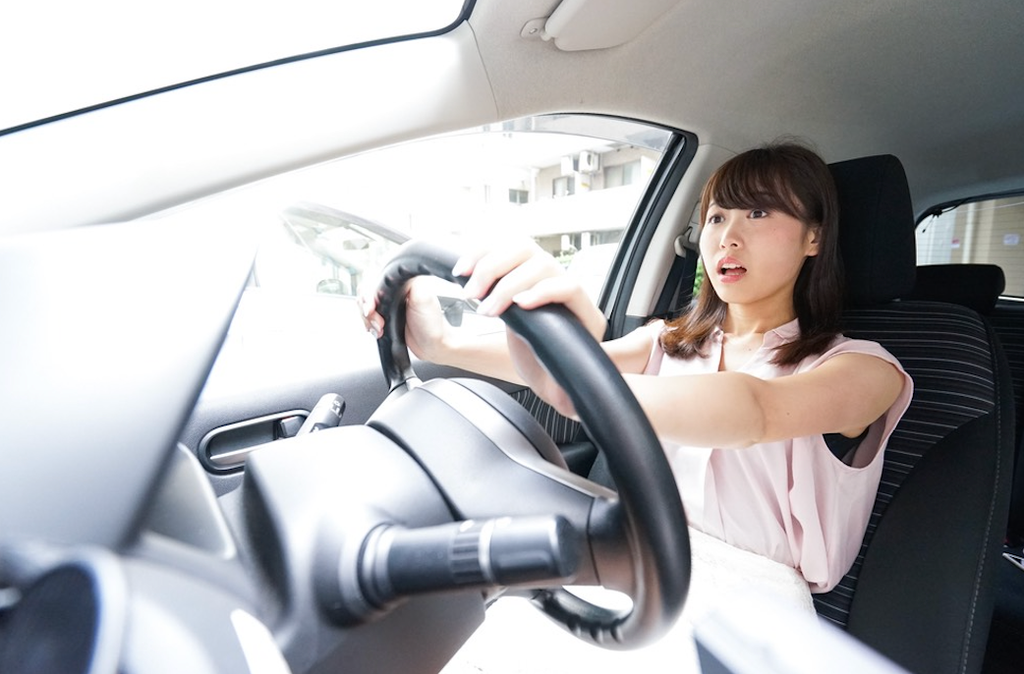
Most offences are avoidable. Plan trips so that you are not rushing, and leave early to reduce pressure to speed. Watch for changes in speed limits, especially near schools, in Silver Zones and on roads with new signs. Many drivers slip because they are on autopilot, so scan for signs, and use navigation tools that show limits, while keeping your eyes on the road.
Put the phone out of reach. Set it to a driving mode, mount it if you rely on navigation and set the route before you move. If you must take a call, find a safe place to stop. Be consistent with seat belts for every passenger, and make sure children use the right restraints for their age and size.
Never drive after drinking, and do not drive when tired or after taking medication that causes drowsiness. Arrange a taxi, a private-hire car or a designated driver. Maintain your vehicle, including tyres, brakes and lights, and keep your insurance and road tax current. A vehicle in poor condition can lead to offences and to accidents.
Finally, treat your record as an asset. Keep notices and receipts, review your points at intervals and take advice from a driving instructor or a safe-driving course if you are returning to the road after a break. A clean record protects your mobility and often your insurance costs too.
- Plan ahead: Allow extra time so you do not feel pressure to speed.
- Phone discipline: Set navigation before you drive and keep the phone out of reach.
- Sober and rested: Do not drive when impaired or tired.
- Vehicle care: Service your car regularly and keep documents valid.
Share the lessons with family. If teenagers are learning to drive, make sure they take lessons from a licensed instructor, practise on varied roads and discuss the points system openly. Set rules for the use of the family car, including who may drive and under what conditions. Habits formed in the first years of driving tend to last for decades.
Final Thoughts
Demerit points and fines are the main tools that keep Singapore’s roads orderly. The system rewards careful drivers, and it places a strong cost on repeated or dangerous behaviour. Knowing how points are counted, how notices work and how to appeal gives you the tools to respond calmly when something goes wrong.
The best protection is prevention. Plan your trips, respect speed limits and signs, avoid phone use, and never drive when impaired. Check your record through the Traffic Police website, and update your address so that notices reach you.
Because penalties and thresholds are set by law and reviewed from time to time, confirm the current details with the Traffic Police before you make decisions. For serious charges, speak to a lawyer. A clean licence is easy to lose and hard to regain, so treat every journey as an opportunity to protect it.
If you have received a notice and feel unsure what to do, take three steps. First, read it fully and note the deadlines. Second, check your points record through Singpass. Third, decide whether to pay or to appeal, and gather any evidence before you act. Calm, organised responses almost always lead to better outcomes than delayed or emotional ones, and they keep small problems from growing into larger ones.
Read more about Singapore Trends
Frequently Asked Questions
1. How long do demerit points stay on my record?
Points count over a rolling period from the date of the offence, and then fall away if there are no further offences. The Traffic Police website gives the exact period and lets you check your record with Singpass.
2. What happens if I reach the suspension threshold?
Your licence is suspended for a period that depends on the number of points. You may not drive any vehicle during that time. Driving while suspended is a serious offence, so arrange alternative transport and check the terms on the notice.
3. Can I pay a fine and avoid the points?
Generally, no. Paying a composition sum settles the offence, and the points are recorded for offences that carry them. The fine and the points are separate penalties. Check the notice to see whether points apply to your case.
4. Who is responsible when a friend drives my car and gets a notice?
The registered owner receives the notice first and must identify the driver within the time allowed. If the driver is named correctly, the offence and points go to that person. Keep a record of who borrows your vehicle.
5. Do new drivers face different rules?
Yes. Drivers on a probationary licence face a lower threshold, and a breach can lead to revocation of the licence. Check the Traffic Police website for the current rules and take extra care during the probationary period.
6. Where can I appeal a traffic notice?
Use the online appeal channel stated on the notice, within the time allowed. Provide clear facts and supporting documents. If the appeal is rejected, you can pay the composition sum or consider contesting in court, with legal advice for serious cases.