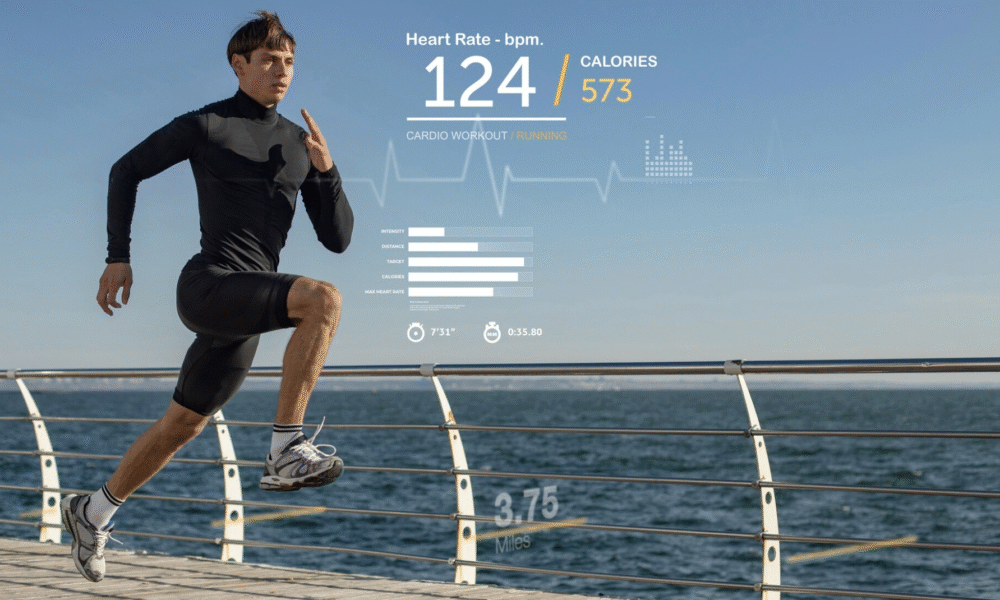
Biomechanical motion tracking is changing the way athletes train, compete, and recover. By combining sports science with advanced sensor technology, this innovative system captures how the body moves in real time. Coaches, trainers, and sports scientists now use this powerful tool to analyze movement patterns, prevent injuries, and unlock peak athletic performance.
What Is Biomechanical Motion Tracking?
Biomechanical motion tracking is a technology driven method of recording and analyzing body movements during physical activity. It uses high speed cameras, wearable sensors, and artificial intelligence to measure factors such as joint angles, muscle activation, acceleration, balance, and force.
Unlike traditional video analysis, biomechanical motion tracking delivers precise, data driven insights. It converts complex movements into measurable data that athletes and coaches can understand and improve.
How Biomechanical Motion Tracking Works
Biomechanical motion tracking systems rely on a combination of advanced tools:
- Wearable motion sensors attached to key muscle groups and joints
- Infrared cameras that capture movement from multiple angles
- AI powered software that predicts performance patterns
- Real time analytics that provide instant feedback
These systems collect movement data, process it through machine learning algorithms, and produce detailed visual reports that highlight strengths and weaknesses.
Key Benefits of Biomechanical Motion Tracking
1. Performance Optimization
Athletes can refine their technique by identifying inefficient movements. Biomechanical motion tracking helps optimize running strides, jump mechanics, throwing accuracy, and swing consistency.
2. Injury Prevention
One of the biggest advantages is early injury detection. Subtle movement imbalances and joint overloads are identified before they lead to serious injuries. This allows proactive correction through targeted training programs.
3. Faster Recovery and Rehabilitation
During rehabilitation, biomechanical motion tracking measures how effectively the body is healing. Therapists can design personalized recovery plans based on accurate movement data rather than trial and error.
4. Data Driven Coaching
Coaches gain access to objective performance data. Instead of relying on visual judgment alone, they can make informed decisions backed by science.
Real World Applications in Different Sports
Biomechanical motion tracking is widely used across sports:
- Football and soccer: Improves kicking techniques, sprint speed, and agility
- Cricket and baseball: Enhances bowling and pitching mechanics while reducing arm strain
- Basketball: Optimizes jumping, landing, and shooting form
- Athletics: Refines running gait, stride length, and body posture
This technology adapts to both team sports and individual athletic disciplines.
Challenges and Limitations
While biomechanical motion tracking offers incredible benefits, it also comes with challenges. High end systems can be expensive, and data interpretation requires specialized knowledge. Additionally, ensuring data privacy for athlete performance metrics is becoming increasingly important.
Despite these limitations, rapid technological advancements are making these systems more accessible and user friendly.
The Future of Biomechanical Motion Tracking in Sports
The future of biomechanical motion tracking looks highly advanced. Integration with artificial intelligence, augmented reality, and smart training gear will create even more personalized and immersive training environments. Soon, athletes may receive real time biomechanical feedback directly through smart glasses or wearable displays.
As technology evolves, biomechanical motion tracking will become a standard part of elite and grassroots sports training.
Conclusion
Biomechanical motion tracking is redefining sports science by turning movement into measurable, actionable data. It empowers athletes to train smarter, prevent injuries, and perform at their highest potential. As adoption grows, this technology will continue to shape the future of sports performance worldwide.