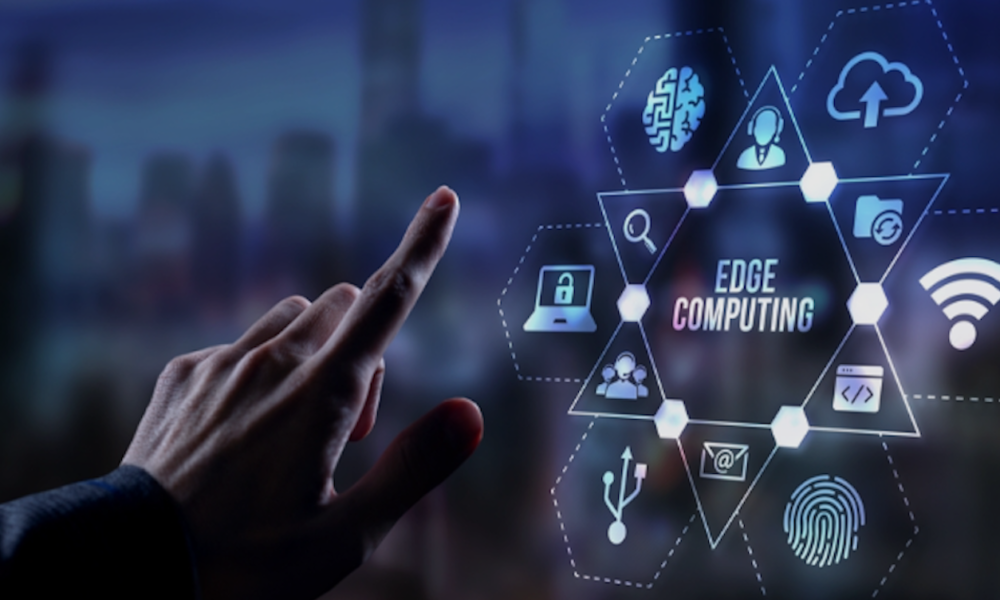
In our fast paced digital world, the amount of data generated every second is mind boggling. From smartphones and smart home devices to industrial machinery and driverless cars, everything is interconnected and constantly producing information. To manage this flood of data efficiently, a revolutionary approach called edge computing is emerging, promising quicker processing and more responsive digital systems.
What Exactly Is Edge Computing?
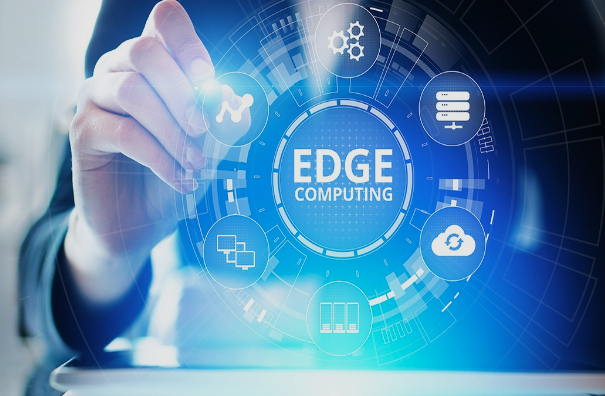
Think of edge computing as a way to process data right where it’s created, rather than sending it to a distant data center or cloud server. For instance, picture a high tech factory outfitted with sensors monitoring equipment. Instead of transmitting all that sensor data to a remote cloud for analysis, edge computing enables the factory’s systems to analyze and make decisions locally right on the factory floor. This proximity minimizes delays and boosts overall efficiency.
Why Is Edge Computing a Game Changer?
Traditional data processing relies on sending information over the internet to centralized servers, which can introduce delays sometimes significant ones. These delays can be critical in real time scenarios. For example, autonomous cars need to react instantly to obstacles or hazards; even a few milliseconds lag could be dangerous. Waiting for data to travel to the cloud and back isn’t feasible in these cases.
Edge computing tackles this problem by bringing processing power closer to the source of data. This results in faster response times, lower bandwidth consumption, and more dependable systems. It’s especially useful in situations where internet connectivity isn’t always stable or reliable.
Benefits of Faster Data Handling
Instant Decision Making
Whether it’s a drone dodging obstacles or a medical device alerting a doctor about a patient’s condition, rapid data processing can be life saving and prevent accidents.
Lower Data Transmission Costs
Sending large amounts of raw data to the cloud can be expensive. Processing data locally means only the most important information or summaries are sent over the network, saving money.
Enhanced Privacy and Security
Sensitive data like personal health information or confidential business details can be processed on site, reducing risks of cyber threats or data breaches.
Greater System Reliability
Even if internet connections go down, edge devices can keep functioning and making decisions independently, ensuring continuous operation.
Real World Uses of Edge Computing
Smart Cities
Local analysis of traffic sensors and surveillance cameras helps manage traffic flow and improve safety in urban areas.
Healthcare
Medical devices monitor vital signs in real time and alert healthcare providers instantly if there’s an emergency.
Manufacturing
Sensors on machinery detect problems early, minimizing downtime and lowering maintenance expenses.
Autonomous Vehicles
Self driving cars process sensor data instantaneously to navigate safely and efficiently.
The Future of Edge Computing
As technology continues to evolve, edge computing will play an even more vital role. The rollout of 5G networks will enable faster, more reliable device connections, unlocking new possibilities for smarter cities, more efficient industries, and safer living environments. The continued growth of edge computing will help create a world that’s more connected, responsive, and intelligent.
Final Thoughts
Edge computing is revolutionizing the way we handle data by bringing processing closer to where it’s generated. This shift means quicker responses, cost savings, and improved security all essential elements for our digital future. By embracing this innovative technology, we’re unlocking new opportunities and laying the groundwork for a smarter, more efficient world.