Connect with us

Food

Authentic Singapore Laksa Recipe: Step by Step Guide for Home Cooks + 7 Powerful Tips

Published

on

Authentic Singapore Laksa Recipe: Step-by-Step Guide for Home Cooks + 7 Powerful Tips

Authentic Singapore Laksa Recipe

Introduction to Singapore Laksa

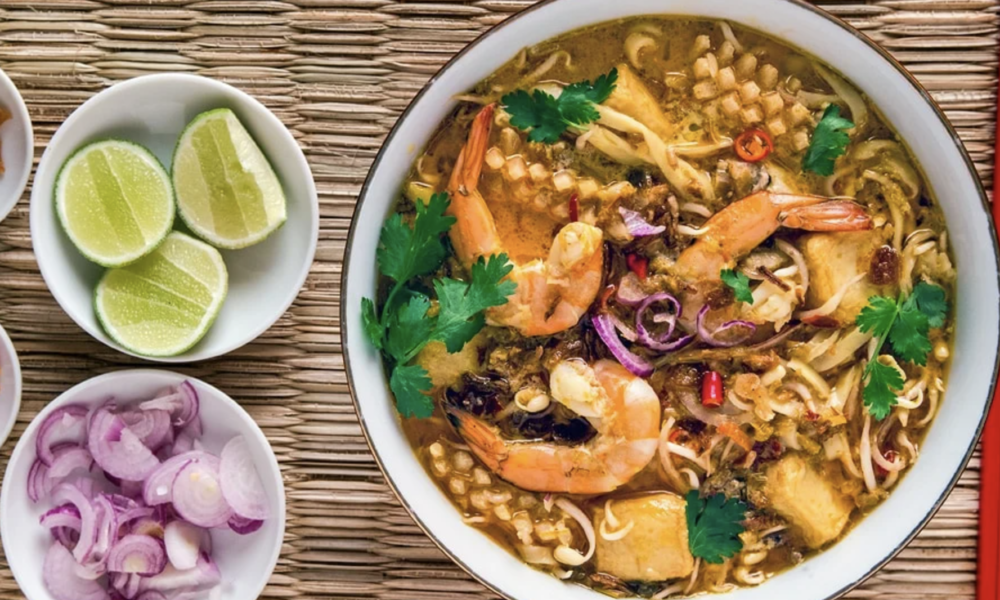
Singapore laksa is a rich, spicy noodle soup that brings together bold flavors and comforting textures. It’s a beloved dish across Southeast Asia, especially in Singapore, where it’s considered a national treasure. This authentic Singapore laksa recipe is perfect for home cooks who want to recreate restaurant quality flavor in their own kitchen.

Laksa isn’t just food it’s an experience. The creamy coconut broth, aromatic spices, and tender noodles create a harmony that’s both satisfying and unforgettable. And the best part? You don’t need to be a professional chef to master it.

Recommended reads:

If you’re a fan of rich, comforting noodle dishes, don’t miss our guide on Zion Road Big Prawn Noodle Singapore’s Hawker Delight, where we explore another iconic street food favorite packed with bold flavors.

What Makes Laksa Unique

Laksa stands out because of its complex flavor profile. It combines:

  • Creaminess from coconut milk
  • Heat from chili paste
  • Freshness from herbs
  • Depth from seafood or chicken stock

Unlike typical soups, laksa is layered with bold tastes that evolve with every bite. That’s why this authentic Singapore laksa recipe focuses on building flavor step by step.

History and Cultural Significance

Laksa has roots in Peranakan cuisine, a blend of Chinese and Malay culinary traditions. Over time, it evolved into several regional varieties, with Singapore’s version being one of the most famous.

It reflects cultural fusion something that defines Singapore itself. So when you cook laksa, you’re not just making a dish; you’re honoring a rich heritage.

Key Ingredients for Authentic Laksa

To create a truly authentic Singapore laksa recipe, you need the right ingredients. Each one plays a crucial role.

Essential Spices and Aromatics

The laksa paste forms the very core of the dish’s flavour. It typically includes:

  • Dried chilies
  • Garlic
  • Shallots
  • Lemongrass
  • Galangal
  • Turmeric

These ingredients are blended into a thick paste that forms the flavor base.

Protein and Noodles

Common protein options include:

  • Shrimp
  • Chicken
  • Fish cakes
  • Tofu puffs

For noodles, thick rice vermicelli is traditionally used. It absorbs the broth beautifully.

Coconut Milk and Broth

The broth combines:

  • Coconut milk for richness
  • Chicken or seafood stock for depth

This combination creates the signature creamy texture that defines laksa.

Step-by-Step Cooking Instructions

Now let’s dive into the cooking process. Follow these steps carefully for the best results.

Preparing the Laksa Paste

  1. Soak dried chilies in warm water for 20 minutes.
  2. Blend chilies with garlic, shallots, lemongrass, and galangal.
  3. Add turmeric and blend until smooth.

This paste is your flavor powerhouse.

Cooking the Broth

  1. Heat oil in a pot.
  2. Fry the laksa paste until fragrant.
  3. Add stock and bring to a boil.
  4. Stir in coconut milk.
  5. Simmer for 15–20 minutes.

At this stage, your kitchen will smell amazing trust the process.

Assembling the Dish

  1. Cook noodles separately.
  2. Place noodles in a bowl.
  3. Add cooked shrimp or chicken.
  4. Pour hot laksa broth over the top.
  5. Garnish with herbs, chili oil, and lime.

And there you have it your authentic Singapore laksa recipe ready to serve.

7 Powerful Tips for Perfect Laksa

Want to take your laksa to the next level? Follow these expert tips:

  1. Use fresh ingredients – Fresh lemongrass and galangal make a huge difference.
  2. Don’t rush the paste – Fry it properly to unlock flavor.
  3. Balance the heat – Adjust chili levels to your taste.
  4. Choose quality coconut milk – It affects creaminess.
  5. Cook noodles separately – Prevents sogginess.
  6. Taste as you go – Adjust seasoning gradually.
  7. Serve immediately – Laksa is best hot and fresh.

Variations of Laksa

Laksa isn’t one-size-fits-all. There are several delicious variations.

Curry Laksa vs Asam Laksa

  • Curry Laksa: Creamy, coconut-based (like this recipe)
  • Asam Laksa: Sour, tamarind-based

Both are delicious but very different in flavor.

Vegetarian Laksa Option

You can easily make a vegetarian version by:

  • Using vegetable broth
  • Adding tofu and mushrooms
  • Skipping seafood

It still delivers rich, satisfying flavor.

Nutritional Value of Laksa

Laksa is indulgent but also nutritious when balanced.

NutrientBenefit
ProteinSupports muscle growth
Healthy fatsProvides energy
SpicesBoost metabolism
HerbsAdd vitamins and antioxidants

Moderation is key, especially due to coconut milk’s fat content.

Common Mistakes to Avoid

Even experienced cooks can slip up. Avoid these pitfalls:

  • Overcooking the noodles
  • Using low-quality paste
  • Skipping aromatics
  • Adding too much coconut milk
  • Not balancing flavors

Fix these, and your laksa will shine.

Serving Suggestions and Presentation

Presentation matters. Serve laksa in deep bowls with:

  • Fresh cilantro
  • Lime wedges
  • Chili oil drizzle

Enjoy it with a cool, refreshing drink to round out the meal.

Storage and Reheating Tips

Got leftovers? No problem.

  • Store broth and noodles separately
  • Refrigerate for up to 2 days
  • Reheat gently on the stove

Avoid microwaving too long it can ruin texture.

FAQs

1. What is the main flavor of laksa?

Laksa is creamy, spicy, and slightly sweet due to coconut milk and spices.

2. Can I make laksa without shrimp?

Yes, you can use chicken or tofu instead.

3. Is laksa very spicy?

It can be, but you can adjust the chili level.

4. What noodles are best for laksa?

Thick rice vermicelli works best for this authentic Singapore laksa recipe.

5. Can I freeze laksa broth?

Yes, but add coconut milk after reheating for best texture.

6. How long does it take to cook laksa?

About 45–60 minutes from start to finish.

Conclusion

Cooking laksa at home might seem intimidating, but it’s totally doable. With the right ingredients and techniques, you can create a dish that rivals your favorite restaurant.

This authentic Singapore laksa recipe is designed to guide you every step of the way. From preparing the paste to serving the final bowl, each stage builds flavor and confidence.

So go ahead roll up your sleeves, gather your ingredients, and enjoy the process. Because once you taste homemade laksa, there’s no going back.

Read More on Sgtrends

Continue Reading
Click to comment

Leave a Reply

Your email address will not be published. Required fields are marked *


Food

Candizi: Ultimate Guide to Irresistible Sweet Magic

Published

on

candizi

Introduction to Candizi and its Origins

Candizi is more than just a treat; it’s a delightful experience that has captured the hearts of sweet-toothed enthusiasts around the globe. With roots tracing back to ancient traditions, this unique confection marries flavor with craftsmanship in a way few other sweets can. Whether you’re sipping tea or celebrating life’s milestones, Candizi adds that special touch to any occasion. Curious about its origins and what makes it so enticing?

Let’s dive into the world of Candizi and uncover the magic behind this delectable delight.

The Process of Making Candizi

Making Candizi is a fascinating journey that combines science with artistry. It begins with selecting high-quality ingredients, ensuring that every element enhances the final product.

The first step involves heating sugar to its melting point. This transforms it into a glossy syrup, which serves as the base for Candizi. Precision is key; even slight temperature variations can affect texture and flavor.

Once the syrup reaches perfection, various flavors and colors are infused. Natural extracts or fruit essences often lend unique notes to each batch.

As the mixture cools slightly, it’s poured into molds or shaped by hand. The cooling process allows for intricate designs and patterns a hallmark of artisanal craftsmanship in Candizi making.

Once they set completely, these delightful confections are ready for packaging or immediate enjoyment. Each piece embodies both tradition and innovation in confectionery art.

READ MORE: Kouskousi: Irresistible Recipes and Amazing Health Benefits

The Ingredients Used in Candizi

Candizi’s charm lies in its simple yet delightful ingredients. At the heart of this confection are sugar and water, which create a syrupy base that transforms into a sugary delight when cooled.

Natural flavorings add depth to candizi. Common choices include vanilla, lemon zest, or even floral essences like rosewater. These subtle notes elevate the sweetness and make each bite an experience.

For those looking for added texture, nuts or seeds can be incorporated. Almonds and pistachios not only provide crunch but also enhance nutritional value.

Some variations incorporate spices such as cinnamon or cardamom for warmth. This unexpected twist brings a new dimension to traditional recipes.

The beauty of candizi is its versatility; different cultures may employ unique regional ingredients to craft their own take on this beloved treat. Each version offers a glimpse into local flavors and traditions, making it truly special.

The Health Benefits of Candizi

Candizi offers a delightful blend of taste and health. This unique confection is often made with natural sweeteners, making it a guilt-free indulgence.

Rich in antioxidants, many ingredients used in candizi help combat oxidative stress. These compounds can support overall wellness and boost your immune system.

Additionally, certain variations of candizi incorporate nuts or seeds, which provide essential nutrients like protein and healthy fats. This combination can keep you feeling satisfied longer than traditional sweets.

Some recipes even include spices known for their anti-inflammatory properties. Enjoying candizi may contribute to better digestion too, thanks to the fiber found in its wholesome components.

Indulging in this treat mindfully could enhance mood and promote emotional well-being. The act of enjoying something sweet can trigger the release of feel-good hormones in our brains.

Variations of Candizi Across Different Cultures

Candizi isn’t just a single recipe; it’s a delightful reflection of cultural diversity. Different regions have added their unique twist to this confection.

In Italy, you might encounter candizi infused with rich espresso flavors. This variation often includes nuts and dried fruits, creating a sweet yet robust treat.

Meanwhile, in Middle Eastern countries, candizi takes on exotic spices like cardamom and saffron. These ingredients lend an aromatic touch that’s both intriguing and delicious.

Asian cultures have also embraced the concept. Here, you’ll find versions incorporating matcha or sesame seeds for added depth and texture.

Each region’s adaptation showcases local tastes while preserving the essence of candizi. This versatility not only highlights culinary creativity but also brings people together through shared enjoyment of this scrumptious delight.

Creative Ways to Incorporate Candizi into Recipes

Candizi can elevate a variety of dishes, adding unexpected sweetness and texture. Try incorporating it into your morning yogurt or smoothie bowl. The crunch pairs beautifully with creamy ingredients.

For a delightful twist on classic desserts, mix candizi into cookie dough or cake batter. It adds a unique flavor profile that surprises every time you take a bite.

You can also create gourmet salads by sprinkling candizi over mixed greens. It complements tangy dressings and balances savory components like cheese or nuts.

If you’re feeling adventurous, blend candizi into homemade granola bars for an energizing snack. Its natural sweetness reduces the need for added sugars while providing an appealing chewiness.

Don’t forget about beverages! Infuse your favorite teas or sparkling water with crushed candizi to create refreshing drinks that burst with flavor.

Conclusion

Candizi stands out as a delightful and versatile confection that not only satisfies your sweet tooth but also offers an intriguing glimpse into its origins and cultural variations. From the meticulous process of making it to the thoughtful selection of natural ingredients, every aspect of candizi showcases a blend of tradition and innovation.

The health benefits associated with this unique treat open up exciting possibilities for those seeking alternatives to traditional sweets. With its diverse flavors found across different cultures, candizi can be both familiar and exotic at the same time.

Whether you enjoy it on its own or incorporate it creatively into your favorite recipes, candizi is sure to add sweetness and flair to any occasion. Exploring this confection allows us to appreciate not just what we eat, but also the stories behind our food choices. Embrace the sweetness of candizi in all its forms!

Continue Reading

Food

Kouskousi: Irresistible Recipes and Amazing Health Benefits

Published

on

kouskousi

Introduction to Kouskousi

Have you heard about kouskousi? This delightful grain is making waves in kitchens and on dining tables around the world. It’s not just a trendy ingredient; it’s a flavorful staple that can elevate any meal. With its light, fluffy texture and mild taste, kouskousi serves as an excellent base for various dishes or simply shines on its own. Whether you’re looking to add something new to your diet or impress guests with culinary creativity, this ancient grain might be exactly what you’ve been searching for!

Let’s dive deeper into the fascinating world of kouskousi and discover why everyone is talking about it.

The History and Origin of Kouskousi

Kouskousi, often referred to as couscous, has deep roots in North African cuisine. Believed to have originated among the Berber people of Algeria and Morocco, this tiny grain carries a rich cultural heritage.

The earliest records date back to the 13th century, where kouskousi became a staple food in many households. Traditionally made from durum wheat semolina, it was crafted using age-old techniques passed down through generations.

As trade routes expanded across the Mediterranean and beyond, kouskousi found its way into various cuisines worldwide. Its adaptability allowed it to blend seamlessly with diverse ingredients and flavors.

Today, kouskousi represents more than just a dish; it’s a symbol of sharing meals together. Whether served at family gatherings or festive celebrations, it echoes stories of ancient traditions that still resonate today.

Nutritional Benefits of Kouskousi

Kouskousi is not just tasty; it packs a nutritional punch. This ancient grain offers a wealth of health benefits that can enhance your diet.

Rich in fiber, kouskousi promotes digestive health and keeps you feeling full longer. This makes it an excellent option for those looking to manage their weight.

It’s also loaded with essential vitamins and minerals. B vitamins are abundant, helping boost energy levels and support metabolic function. Additionally, the presence of magnesium contributes to muscle relaxation and overall well-being.

Another highlight is its complete protein content when paired with legumes or vegetables. This combination provides all the amino acids your body needs for repair and growth.

The low glycemic index means it won’t spike blood sugar levels, making kouskousi suitable for various diets, including diabetic-friendly options. It truly combines nutrition with versatility in every dish.

How to Cook Kouskousi

Cooking kouskousi is a straightforward process that yields delicious results. Start by measuring your desired amount of kouskousi; typically, one cup serves two people.

Next, bring water or broth to a boil. The ratio usually is one part kouskousi to 1.5 parts liquid. Once boiling, add salt for flavor.

Remove the pot from heat and stir in the kouskousi. Cover it tightly with a lid and let it steam for about five minutes. This allows the grains to absorb all the moisture effectively.

After steaming, fluff with a fork to separate the grains. For added richness, try mixing in olive oil or butter at this stage.

Feel free to customize your dish by incorporating vegetables or spices during cooking for an extra burst of flavor! Kouskousi can be served warm as a side dish or chilled in salads.

Delicious Recipes Using Kouskousi

Kouskousi is incredibly versatile, making it a fantastic base for many dishes. One popular option is Kouskousi Salad. Toss together cooked kouskousi with diced cucumbers, cherry tomatoes, red onion, and a splash of lemon juice. It’s refreshing and perfect for summer.

For something heartier, try Kouskousi Stir-Fry. Sauté your favorite vegetables—think bell peppers and snap peas—with garlic and ginger. Add cooked kouskousi along with soy sauce or teriyaki for an Asian twist.

If you’re in the mood for comfort food, consider Kouskousi Risotto. Slowly simmer vegetable broth while stirring in kouskousi until creamy. Mix in mushrooms and parmesan for extra flavor.

Don’t forget about sweet options! Combine kouskousi with honey, almonds, and dried fruits like apricots or raisins to create a delightful dessert that’s both wholesome and satisfying.

Where to Find and Buy Kouskousi

Kouskousi has gained popularity, making it easier to find in various locations. Most grocery stores now stock this delightful grain in their international or health food aisles.

For those seeking a wider variety, specialty Mediterranean markets often offer different brands and types of kouskousi. These shops may even have organic options that cater to specific dietary needs.

Online shopping is another excellent avenue. Websites like Amazon and local grocery delivery services provide convenient access to kouskousi with just a few clicks.

Don’t overlook farmer’s markets either; sometimes you can discover locally sourced grains that add an artisanal touch to your meals.

Whether looking for traditional styles or innovative blends, there are abundant choices available for every palate and preference.

The Versatility of Kouskousi in Different Cuisines

Kouskousi showcases remarkable versatility across various cuisines. In North African dishes, it’s often paired with rich stews and vegetables, soaking up vibrant flavors.

Mediterranean chefs embrace kouskousi in salads. Mixed with fresh herbs, tomatoes, and a drizzle of olive oil, it becomes a refreshing side dish or main course.

In Middle Eastern cuisine, this grain is sometimes used as a stuffing for vegetables like peppers or eggplant. The subtle texture complements spices beautifully.

Western kitchens have not been left behind either. Chefs are incorporating kouskousi into risottos or as an alternative to rice in pilafs.

Its mild flavor adapts well to both sweet and savory applications. Think kouskousi blended with dried fruits and nuts for a unique dessert option that tantalizes the palate.

Conclusion

Kouskousi has emerged as a delightful grain that captivates the taste buds of food lovers around the globe. Its rich history, stemming from North Africa, adds depth to its culinary appeal. Not only is kouskousi delicious, but it also boasts an impressive array of nutritional benefits. Easy to prepare and versatile in various recipes, this grain seamlessly fits into any meal plan.

Exploring different cuisines with kouskousi opens up endless possibilities for creativity in your kitchen. From salads to stews, its adaptability can elevate both traditional dishes and modern creations.

With so many reasons to incorporate kouskousi into your diet, it’s clear this tasty grain deserves a spot on your grocery list. Whether you are trying it for the first time or experimenting with new recipes, you’re bound to enjoy everything kouskousi has to offer. So go ahead and discover all that this amazing ingredient can bring to your table!

Continue Reading

Food

Soutaipasu: Powerful Health Benefits, Cuisine & Culture

Published

on

soutaipasu

Introduction to Soutaipasu

Have you ever heard of soutaipasu? This ancient tradition might just be the hidden gem you’ve been searching for in the world of health and nutrition. Originating from rich cultural roots, soutaipasu is not only a culinary delight but also brimming with remarkable health benefits. As we delve into its history, cuisine, and the vibrant culture that surrounds it, you’ll discover why this fascinating element has become a modern trend worth exploring. Whether you’re a food enthusiast or someone looking to enhance your well-being, soutaipasu offers something special for everyone.

Let’s embark on this flavorful journey together!

The History of Soutaipasu: From Ancient Tradition to Modern Trend

Soutaipasu has roots that stretch deep into ancient cultures. This unique ingredient was once a staple in traditional diets across various regions. Its popularity grew as communities discovered its versatility and nutritional benefits.

Over time, soutaipasu transitioned from local kitchens to gourmet dining tables. Chefs began experimenting with it, infusing modern culinary techniques while honoring its historical significance.

The rise of health-conscious eating contributed to soutaipasu’s resurgence in contemporary cuisine. People are increasingly drawn to natural ingredients that offer both flavor and nutrition.

Today, you’ll find soutaipasu featured in everything from artisanal dishes to everyday meals, bridging the gap between past and present. It serves not only as nourishment but also as a reminder of cultural heritage and community connections throughout history.

READ MORE: Yi Dian Dian Bubble Tea Singapore: Menu, Outlets & Try Drinks

The Health Benefits of Soutaipasu

Soutaipasu is packed with nutrients that contribute to overall health. Rich in vitamins and minerals, this traditional ingredient supports various bodily functions.

Its high antioxidant content helps combat oxidative stress. This can lead to improved immune function and better skin health over time.

Additionally, soutaipasu contains essential fatty acids. These promote heart health by reducing cholesterol levels and lowering blood pressure.

The fiber found in soutaipasu aids digestion, helping maintain a healthy gut microbiome. A balanced digestive system is crucial for nutrient absorption.

Moreover, the anti-inflammatory properties of soutaipasu may alleviate symptoms of chronic conditions like arthritis or heart disease. It’s a versatile addition for those seeking natural remedies within their diet.

Traditional Soutaipasu Cuisine and Its Nutritional Value

Traditional soutaipasu cuisine is a delightful fusion of flavors and textures. It often showcases the bounty of local ingredients, emphasizing freshness and seasonal produce. This culinary style celebrates balance, combining proteins with vibrant vegetables.

One popular dish is soutaipasu stew, rich in nutrients from its variety of legumes and greens. Each ingredient contributes essential vitamins, minerals, and fiber that promote digestive health. The use of herbs adds not just flavor but also antioxidant properties.

Fermented elements like sourdough or pickles are common too. They enhance gut health while offering a tangy contrast to heartier components. Dishes are usually crafted with care, reflecting cultural traditions passed down through generations.

Eating soutaipasu meals isn’t just about nourishment; it’s an experience that connects people to their roots and promotes community bonding around shared tables filled with wholesome food. Enjoying these dishes can be both satisfying and nourishing for the body and soul.

Exploring the Culture Surrounding Soutaipasu

Soutaipasu is more than just a food; it’s a cultural phenomenon. Rooted in ancient traditions, this dish reflects the rich heritage of its people. Festivals often feature Soutaipasu at their heart, bringing communities together to celebrate shared history and flavors.

In many regions, families have secret recipes passed down through generations. This creates a unique bond among those who prepare and enjoy it. The act of cooking Soutaipasu becomes an art form, showcasing skills honed over years.

Local markets buzz with activity as vendors sell fresh ingredients specifically for this dish. The vibrant colors and aromatic spices create an exhilarating atmosphere that draws both locals and tourists alike.

Social gatherings are incomplete without sharing Soutaipasu around the table. It fosters connections, sparking conversations about life, dreams, and aspirations—an embodiment of unity through culinary delight.

How to Incorporate Soutaipasu Into Your Diet and Lifestyle

Incorporating soutaipasu into your diet can be both enjoyable and beneficial. Start by adding it to salads for a crunchy texture. Its nutty flavor pairs well with leafy greens, making your meal more vibrant.

You can also use soutaipasu as a topping on yogurt or smoothie bowls. This not only enhances taste but also boosts nutritional content. Sprinkle some over oatmeal for added richness in your breakfast routine.

Consider experimenting with stir-fries or roasted vegetables. Soutaipasu provides an interesting contrast when mixed with seasonal produce, elevating even the simplest dishes.

For snacks, try lightly roasting soutaipasu and seasoning them with spices like paprika or garlic powder. They make for a nutritious and satisfying munch anytime during the day.

Integrate it into baked goods too; adding ground soutaipasu to muffins or energy bars adds depth while keeping things healthy. Your culinary creativity knows no bounds!

Conclusion

Soutaipasu offers a rich tapestry of history, health benefits, and cultural significance that resonates with many. Its ancient origins blend seamlessly into modern lifestyles, making it an appealing choice for those looking to enhance their diet. The nutritional value found in traditional Soutaipasu cuisine not only supports physical well-being but also connects us to a vibrant culture.

Incorporating soutaipasu into your daily routine can be an exciting culinary adventure. Whether you explore local recipes or experiment in your kitchen, the versatility of this ingredient allows for endless creativity. Embracing soutaipasu is about more than just food; it’s about appreciating heritage and fostering community connections.

As interest grows around this unique element of cuisine and culture, there’s no better time to discover what soutaipasu has to offer. Start your journey today by adding it to meals or seeking out dishes inspired by its essence. The world of soutaipasu awaits—are you ready to dive in?

Continue Reading

Trending

Copyright © 2026 Singapore Trends | Email: support@sgtrends.org