Getting around Singapore by bus and train is one of the more affordable parts of city life, yet the way fares are worked out still catches many commuters off guard. A journey that looks short on a map can cost more than expected, while a longer trip with a well-timed transfer can come out cheaper than a direct ride. Fares depend on distance, the type of card or account you use, and whether you qualify for a concession.
This guide explains how the system works, how to pay, who qualifies for concession passes, and where to find support if transport costs strain your household budget. Rates change from year to year, so the guide points you to the Land Transport Authority (LTA) and the Public Transport Council (PTC) for the latest figures.
Fare Structure: Distance-Based Pricing Across Buses and Trains
Singapore’s public buses, the Mass Rapid Transit (MRT) and the Light Rail Transit (LRT) all use distance-based fares. The amount you pay is worked out from the total distance travelled between the point where you board and the point where you alight, not from the number of stops or the number of lines you use. A short hop of a few kilometres costs less than a cross-island journey, and the rate of increase eases off over longer distances, so each extra kilometre adds a little less to the fare.
Fares are not the same for everyone. Adults, students, senior citizens and persons with disabilities each follow their own fare table, which is why the card or account you tap matters. Cash fares are accepted on buses, but they are generally higher than card fares, and drivers do not give change. Single-trip tickets are also sold for some rail journeys, though these are priced above the stored-value or account-based rate. Anyone who commutes more than occasionally should avoid paying cash.
The fare table is published by the transport regulator and the operators, and the LTA provides an online fare calculator that lets you enter a boarding and alighting point and see the result. It is worth using before you settle on a regular route, because it shows the real cost of options that look equal on a map.
- Bus services: Most trunk and feeder buses charge by distance, with the fare shown on the card reader or in the app after you tap out.
- MRT and LRT: Rail fares follow the same distance logic, so a transfer between lines is priced as one continuous journey rather than two separate trips.
- Express and premium services: Some routes carry a different fare structure, so read the notice at the bus stop or on the operator’s website.
- Night services: Late-night buses may follow separate pricing rules, which are listed by the operator for each service.
Budgeting is easier once you know your two or three regular journeys. Run each one through the calculator, multiply by the number of working days in a month, and add a small allowance for weekend trips. The total gives a realistic monthly transport figure that you can place in the household budget, and it also shows whether a monthly pass or a concession would be worth chasing.
Paying Your Way with Cards, Phones, and SimplyGo
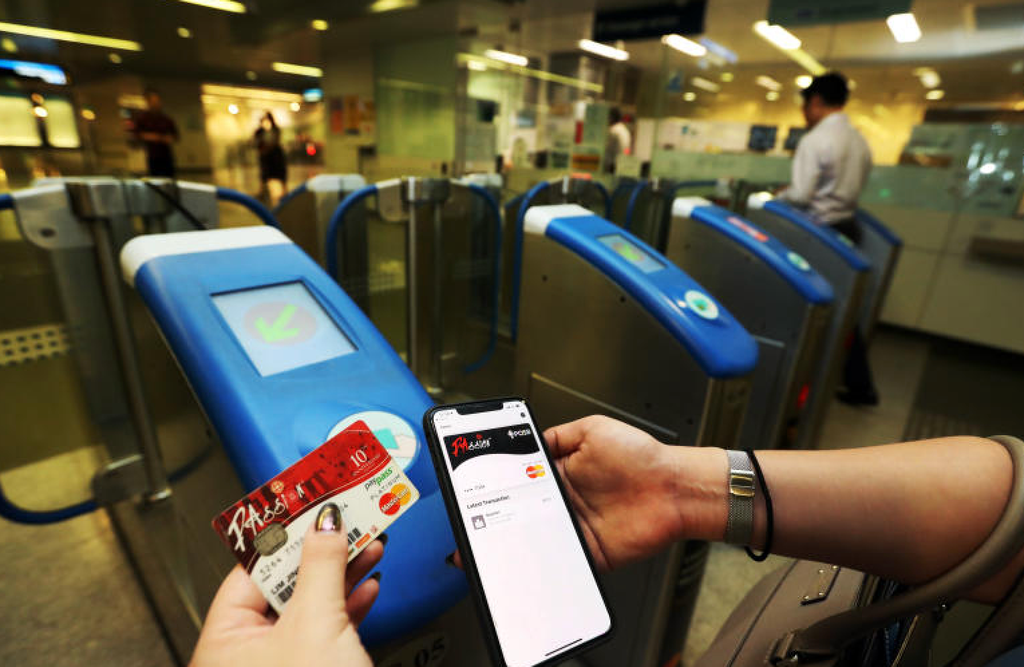
Most commuters now tap in and tap out with a card or a phone. Singapore has been moving towards account-based ticketing under the SimplyGo brand, which allows you to pay with a contactless bank card, a mobile wallet that holds a bank card, or a compatible transit card. In this model, the fare is charged to your card account after the journey, and your trip history is available through the SimplyGo app or website.
Older stored-value cards, such as EZ-Link and NETS FlashPay cards, remain in wide use. Their handling has changed over time as LTA and the card providers adjusted the rollout, so check the LTA website for the current position before topping up a large balance. If you carry a stored-value card, keep a modest balance and top up at ticketing machines, convenience stores or through the card provider’s app.
Tapping out is part of the system. If you forget to tap out on a bus or at a station, the system may charge a higher default fare, because it cannot work out the distance travelled. Rail gantries usually stop you from leaving without a valid tap, while buses are easier to leave in a rush. Make it a habit to tap out on the reader near the exit door every time.
A few practical habits keep payment problems small.
- Check your balance: Look at the display on the gantry or reader, and top up before you reach the minimum balance needed for entry.
- Use one card per tap: Keep your wallet or phone case free of several cards, because the reader may pick up the wrong one.
- Review your trip history: The SimplyGo app and card provider apps show every charge, which helps you spot errors.
- Dispute wrong charges early: Contact the card issuer or the fare operator with the date, time and route so the case can be traced.
Visitors and residents with overseas cards should check two things before relying on them. First, confirm that the card is contactless and that the issuer allows transit payments abroad. Second, find out whether the issuer adds a foreign transaction fee, because many small tap payments can add up. Tourists often find a stored-value card or a dedicated visitor product simpler, and the LTA website lists the options that are currently on sale.
Concession Passes for Students, Seniors, and Others
Concession fares reduce the cost of travel for groups that the government has chosen to support. They are different from general rebates because they apply to each ride you take with an eligible card or account, rather than to a lump sum. Eligibility rules, application steps and the fares themselves are managed by the LTA and the PTC, with schools and institutions involved for students.
Students in full-time education at recognised institutions can obtain a student concession. The usual route is through the school, polytechnic, Institute of Technology Education (ITE) or university, which registers eligible students with the transport system. Senior citizens, persons with disabilities and full-time National Servicemen can also obtain concession fares through designated cards or accounts. The age and residency conditions for seniors differ from other schemes, so confirm them with LTA before applying.
Children below a set age travel free or at a child rate, depending on the age and the rules in force. If you have young children, check the current age limits on the LTA website, since the point at which a child starts paying has been adjusted in the past.
- Student concession: Full-time students at eligible institutions pay a lower fare, with registration usually handled by the school or the institution.
- Senior citizen concession: Older residents who meet the age and residency conditions can use a concession card or account for lower fares.
- Persons with disabilities: Eligible residents can apply for a concession that reduces everyday travel costs.
- National Servicemen: Full-time National Servicemen are entitled to concession fares during service.
- Workfare-linked support: Some lower-wage workers receive transport support through related schemes, administered with other government agencies.
Concession fares apply to public buses and trains. They do not extend to taxis or private-hire cars, which are priced separately by operators and platforms.
Keep an eye on renewal dates. Student concessions are tied to enrolment, so they lapse when a course ends, and a student who moves from secondary school to a polytechnic or junior college may need to be registered again. Senior and disability concessions are tied to the card or account in your name, so report a lost card quickly and ask for a replacement. A concession card used by someone else is a misuse of the scheme, and operators can penalise it.
Transfers, Journey Planning, and Cheaper Routes
A journey with transfers is not charged as several separate trips. Under the distance-based system, your fare is worked out for the full journey if you transfer within a permitted time window, so a bus to the MRT and then another bus can be cheaper than three separate paid rides. The exact transfer rules, including the time window between rides and the number of rides allowed, are published by LTA and the operators, so check them before you plan a route that relies on a long wait.
Because the fare depends on total distance, small choices can change what you pay. Choosing a stop that is a few hundred metres closer to your destination rarely makes a large difference, but taking a route that goes far out of your way can add real distance. Planning apps such as Google Maps and the LTA-linked MyTransport.SG app show suggested routes and travel times, though they do not always show the cheapest fare. The LTA fare calculator gives a more accurate cost.
Time is also a factor. Peak hours bring crowded trains and slower buses, while off-peak travel is calmer. If your schedule allows, leaving a little earlier or later can cut stress even where the fare stays the same. For families, planning a day out with the fewest transfers reduces waiting time, which matters when you are travelling with children or older relatives.
- Plan with a calculator: Enter your usual boarding and alighting points on the LTA fare calculator to compare two or three realistic routes.
- Stay within the transfer window: Tap in for the next leg promptly so the system treats the trips as one journey.
- Walk the short gaps: A ten-minute walk to a closer stop can replace a bus ride and save the boarding charge on a short leg.
- Avoid circular detours: A route that doubles back adds distance and cost without saving time.
Accessibility deserves a place in route planning as well. Older commuters, parents with prams and people using wheelchairs benefit from stations with lifts, sheltered linkways and level boarding. Most MRT stations and many bus stops have these features, and the LTA lists accessible routes. Choosing a slightly longer journey with fewer stairs and shorter walks is often a better trade than the cheapest option on paper.
Support Schemes for Households on Tight Budgets
Transport costs can weigh heavily on lower-income households, especially those with several school-going children. The PTC and government agencies run support measures that complement concession fares. Public Transport Vouchers, for example, have been offered to eligible households to help them with fares, and eligible residents have usually applied during announced windows. The details, the eligibility criteria and the amounts change, so rely on the PTC and the Community Development Council (CDC) websites for the current position.
Community channels are also worth a look. Social service offices, family service centres and community centres can explain which schemes apply to your situation, and they can help you complete applications. If your household is dealing with job loss or a drop in income, a conversation with a social service office is worth having early, because several forms of help can be combined.
Employers sometimes offer transport benefits too. Some firms provide transport allowances, reimburse work-related travel, or support monthly travel passes for staff. If you commute daily, ask your employer about options, and keep records of your trips in case you need to claim.
- Public Transport Vouchers: Eligible lower-income households may receive fare support, with application periods announced by the PTC and partners.
- Social service offices: Staff can assess your household and point to schemes for transport, food, utilities and education.
- Employer allowances: Some workplaces reimburse travel or give allowances, which can be a simple way to cut out-of-pocket costs.
- School support: Schools can advise on student concession registration and on financial assistance for transport costs.
When you apply for any scheme, gather your documents first. Typical items include your NRIC, proof of household income, and details of the household members listed on the application. Applications are generally made online with Singpass, which speeds up verification. If you are not comfortable online, a community centre or a family service centre can assist. Keep a copy of the acknowledgement, and note the date when you should expect a reply so that you can follow up if needed.
How the Annual Fare Review Works
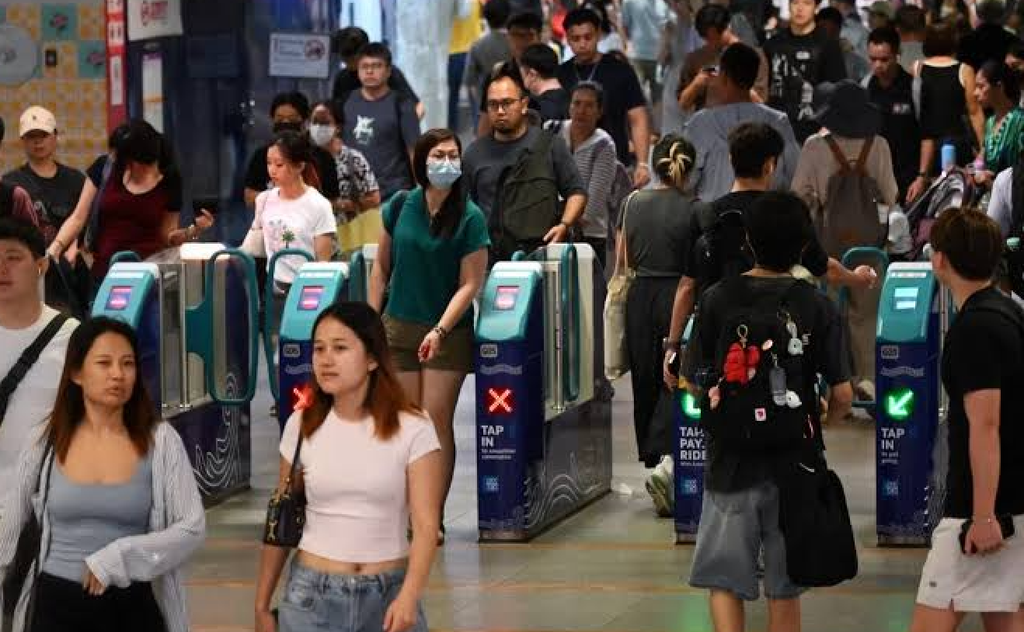
Fares do not move at random. The PTC reviews them once a year under a formula that takes account of factors such as core inflation, wage movements and energy costs. The aim is to keep fares in step with the costs of running the network while sharing the burden between commuters and the government. The outcome is announced in the second half of the year, and changes usually take effect near the year end.
The review can produce a fare increase, a freeze or a small adjustment. When the formula allows an increase, the PTC can decide how much of that increase to pass on, and it may direct some of it to the operators rather than to commuters. It also decides how concession fares and certain passes will change. The government has at times announced extra support to soften the effect on lower-income households, and these measures are separate from the formula itself.
Behind the scenes, bus services run under a contracting model in which the government owns many of the assets and awards routes to operators through tenders. Rail operators work under a financing framework in which the government owns the assets. These structures help explain why fare reviews involve both the regulator and the government. They also explain why you see several operator names on the road but a single fare system.
Commuters often ask why fares rise even when service seems unchanged. The formula reflects the cost of running the whole system, including staff wages, electricity and maintenance, along with investment in new lines and more frequent services. Adding capacity costs money, and the review is the mechanism through which those costs are shared. Knowing that link does not make a fare rise welcome, but it does explain the pattern.
When the annual announcement arrives, read the details carefully. It will list the new fare tables, effective dates and any changes to concession or pass pricing. Compare the new figures with your usual journeys using the LTA fare calculator, and check whether any new pass or rebate suits your travel pattern.
Final Thoughts
Public transport fares in Singapore follow a logic that becomes straightforward once you see it. Distance sets the price, your card or account sets the fare table, and concession status can lower the cost for eligible groups. Tapping in and out correctly avoids default charges, and a little route planning keeps transfers inside the journey window.
If your household feels the pinch, look beyond concession cards. Vouchers, employer allowances and community support can lighten the load, and a quick visit to a social service office can clarify what is available. Each year, read the fare review announcement and check your usual routes against the new tables.
Treat transport as a line in the household budget rather than an afterthought. A quick monthly check of your trip history shows whether your habits have drifted, and it gives you evidence if a charge looks wrong.
For the latest rates, passes and eligibility rules, rely on the LTA and the PTC. Their websites are the final word, and a few minutes spent there each year can save you money over a long commuting life.
Read more about Singapore Trends
Frequently Asked Questions
1. Do children pay for public transport in Singapore?
Young children travel free, while older children pay a child fare, depending on the age limit in force. Those limits have been adjusted in the past. Check the LTA website for the current age cut-offs and for how to obtain the correct card or account for your child.
2. Can I use a bank card instead of a transit card?
Yes. Contactless bank cards and phone wallets that hold a bank card work at gates and bus readers under the SimplyGo system. Use the same card or device for entry and exit, and check the card issuer’s rules on foreign transaction fees if you travel with an overseas card.
3. Who qualifies for the senior citizen concession?
Eligibility depends on age and residency status, and the conditions differ from other government schemes. Check the LTA website or visit a ticket office for the current criteria. Bring your NRIC and be ready to show proof of age when you apply.
4. What happens if I forget to tap out?
The system may charge a higher default fare because it cannot calculate your distance. On rail, the gantry usually prevents you from leaving without a valid tap. If you are charged wrongly, contact the fare operator or your card issuer with your journey details.
5. Do concession passes apply to taxis and private-hire cars?
No. Concession fares apply to public buses and trains. Taxis and private-hire services set their own fares, which depend on the operator, the time of day and demand. Some platforms offer their own discounts, but these are separate from public transport concessions.
6. Where can I check the latest fares?
Use the LTA website and fare calculator, the PTC website for fare review announcements, and the operators’ pages for service-specific details. Official sources reflect rate changes first, and they are more reliable than older news articles or social media posts.