Only use official channels. Scammers have sometimes posed as agencies and asked people to pay a fee or share a one-time password to apply for a card. CHAS applications are free, and no official will ask for your Singpass password or bank details. If anyone asks for money to process your card, stop and check with the official helpline.
After you apply, you will be told the outcome, usually by an SMS or a notification, and the card is issued in physical or digital form. Digital cards can be shown on your phone at participating clinics. Keep a copy of your card number and expiry date in a safe place, and carry your NRIC in case the clinic needs to verify your identity.
Follow these steps to keep the process smooth.
- Prepare your Singpass: Make sure your account works and your contact details are current before you start.
- Gather household details: Know who lives at your address and where each person stands in terms of income.
- Submit once: Duplicate applications can confuse the record, so apply and then wait for the reply.
- Save the outcome: Keep the SMS or email that confirms your tier and card validity.
- Ask for help early: If a form is confusing, visit a community centre rather than guessing.
Take note of the timeline. Most online applications are processed quickly, but outcomes can take longer when records need checking. Avoid applying on the day you need a doctor, because the card may not be ready. If you fall ill before the card arrives, pay the full fee, keep the receipt and ask the clinic whether any adjustment is possible once your card is issued.
Subsidies for Common Illnesses and Chronic Conditions

CHAS subsidies at GP clinics cover two broad areas. The first is common illnesses, such as coughs, colds, fever, diarrhoea and minor injuries, where the subsidy applies to the consultation and, in many cases, to some medicines and tests. The second is chronic conditions, where patients need regular visits to manage long-term problems. The chronic conditions covered are those listed under the national chronic disease programme, including common ones such as diabetes, hypertension and high cholesterol, along with other conditions in the list.
For chronic conditions, the subsidy is capped within a year, so heavy users should track how much they have claimed. Your clinic can often tell you how much of the cap remains. Medisave can sometimes be used alongside the subsidy for chronic care at approved clinics, and the rules and limits are set by MOH. Ask the clinic to explain what applies to you before you start treatment.
Subsidised care is still professional care. A CHAS visit is not a lower standard of service. The difference lies in who pays what. If your doctor recommends a test or a referral that goes beyond the subsidised list, the clinic should explain the cost before going ahead, and you can decide whether to proceed. Do not hesitate to ask which items attract subsidies and which do not.
Preventive care is another area worth noting. Health screening programmes run by the Health Promotion Board, such as those for cardiovascular risk and certain cancers, can be accessed at participating clinics at low or subsidised rates for eligible residents. Check the current list and conditions on the official website.
- Common illnesses: Subsidy applies per visit for approved conditions, with the amount depending on your tier.
- Chronic conditions: Regular reviews for listed conditions attract subsidy, up to an annual limit.
- Selected screening: Eligible residents can take part in national screening programmes at reduced fees.
- Specialist referrals: Referrals from a participating GP to a public specialist outpatient clinic may carry subsidy, subject to rules.
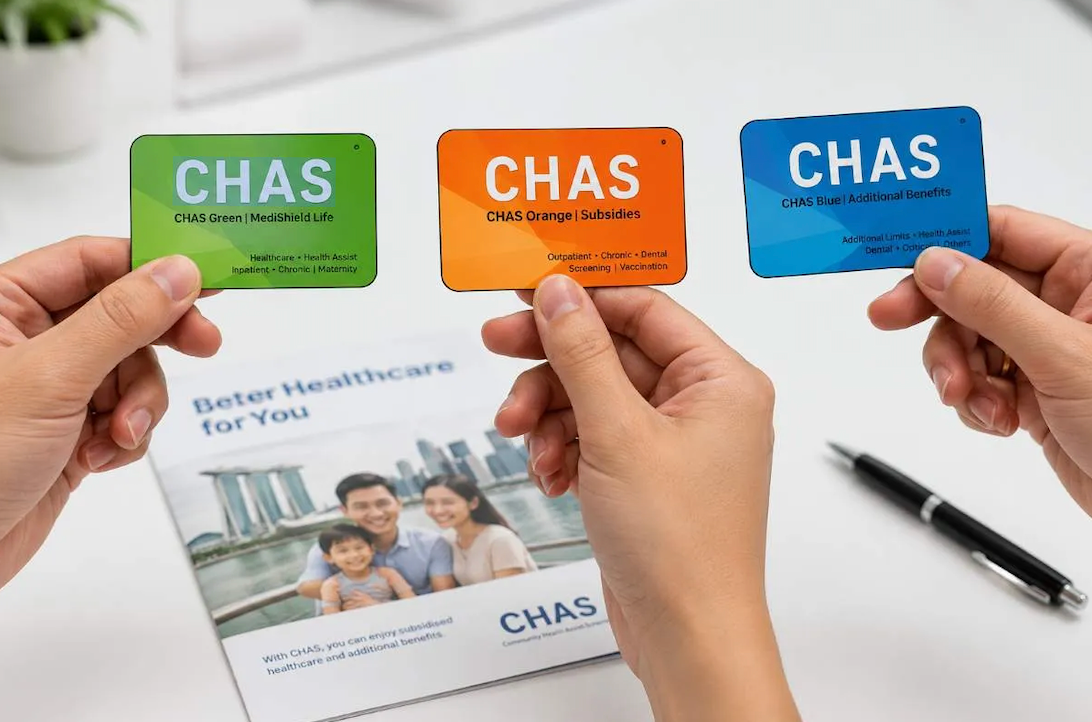
A practical point for families with elderly members is the pattern of visits. Older patients often see the GP every few months for chronic review, with occasional extra visits for flare-ups. Planning the year around those reviews, and asking the clinic to book follow-ups in advance, makes costs predictable and keeps conditions under control. Missed reviews can lead to complications that cost far more than a routine visit. Visiting a neighbourhood doctor or dentist is a routine part of family life, and the cost of those visits adds up over a year. The Community Health Assist Scheme, known as CHAS, helps eligible Singapore households pay less for primary care at participating general practitioner (GP) and dental clinics. The scheme is run by the Ministry of Health (MOH) and the Agency for Integrated Care (AIC), and it uses coloured cards that tell the clinic how much subsidy applies to each visit. This guide explains the card tiers, who may qualify, how to apply, what the subsidies cover and how to use the card sensibly. Rates, income limits and covered services are updated from time to time, so confirm current figures on the official CHAS website before you rely on them.
Cards: Blue, Orange, and Green Tiers Explained
CHAS uses cards in three colours. The Blue and Orange tiers are for households that meet income-based criteria, with Blue generally offering higher subsidies than Orange. The Green tier was introduced for a wider group of citizens and offers a smaller level of support, mainly aimed at chronic conditions. In addition, the Pioneer Generation and Merdeka Generation packages carry their own enhanced subsidies, which can be combined with CHAS at participating clinics. The exact subsidy amounts for each tier are published by MOH and change over time, so use the official table rather than a figure from an older article.
Each card tells the clinic which subsidy schedule to apply. When you register at the counter, you present the card or the digital version and the staff apply the right rate. The subsidy comes off the bill at the point of payment, so you pay the balance rather than claiming it back later. That convenience is one of the main attractions of the scheme.
It helps to think of the tiers as a ladder. Lower household income generally leads to a higher tier and a larger subsidy. If your household income changes, whether through a job loss, a new job or a change in the number of people in your household, your eligibility may change as well. You can reapply, and the system will assess you again.
- Blue tier: Aimed at lower-income households, with the highest subsidy rates for common illnesses, chronic conditions and some dental services.
- Orange tier: Aimed at middle-income households, with a lower but still helpful level of subsidy.
- Green tier: Offers support for selected chronic conditions to a wider group of eligible citizens.
- Generation packages: Pioneer and Merdeka Generation members receive additional support that works together with their CHAS tier.
If you are unsure which colour you hold, look at the card face or the digital card in the app. A family may hold different colours at the same time, because each member is assessed on their own record and status. Do not be surprised if a grandparent holds a different tier from a grandchild, and do not assume that a card issued years ago still carries the same benefits today.
Eligibility and Household Income Assessment
Eligibility is based on your citizenship status and on a measure of household income. For households with working members, the measure is the monthly household income per person, which is the total household income divided by the number of people living in the household. For households with no income, the assessment uses the Annual Value of the home, which reflects the property’s estimated rental value. This approach reaches families that do not have regular pay, such as retirees who live on savings or on family support.
Household members are those who live at the same address, so the figure depends on how many people share the home. A household with one earner and four dependants may qualify for a higher tier than a household with the same income and fewer members. Income counted includes wages, but the definition has detail, so read the official guidance carefully and ask a CHAS clinic or the helpline if you are not sure.
Citizenship matters too. The scheme is aimed at Singapore Citizens, and the rules for other groups differ, so check whether your family members are eligible before applying. Where members of one household hold different statuses, each person’s position is assessed under the rules in force. Never assume that one family member’s card covers another.
Assessments are not permanent. Cards are valid for a set period and are reviewed from time to time. A change in your household’s circumstances can affect your tier, so keep your details updated and reapply if your situation changes materially.
- Per-person income: The main test for working households is household income divided by the number of members in the home.
- Annual Value: Households without income are assessed on the Annual Value of their residence.
- Household composition: The number of people living with you affects the result, so list members accurately.
- Review cycles: Cards expire or are reassessed, so note your expiry date and reapply on time.
Where a household includes several generations, think about who is counted. Members who live permanently at the address are included, while relatives who only visit are not. If a family member moves out or in, the per-person figure shifts, so update your records. When in doubt, call the CHAS helpline and have your NRIC and household details ready.
Applying Through Official Channels
You can apply online through the CHAS website, using Singpass to verify your identity and to retrieve income and household data from government records. This saves time because you usually do not need to upload payslips or other documents. Some people prefer to apply in person, and community centres, clinics and AIC-linked touchpoints can help with the process. Seniors may ask a family member to help, with the right authorisation.
Dental Care and Other Subsidised Services
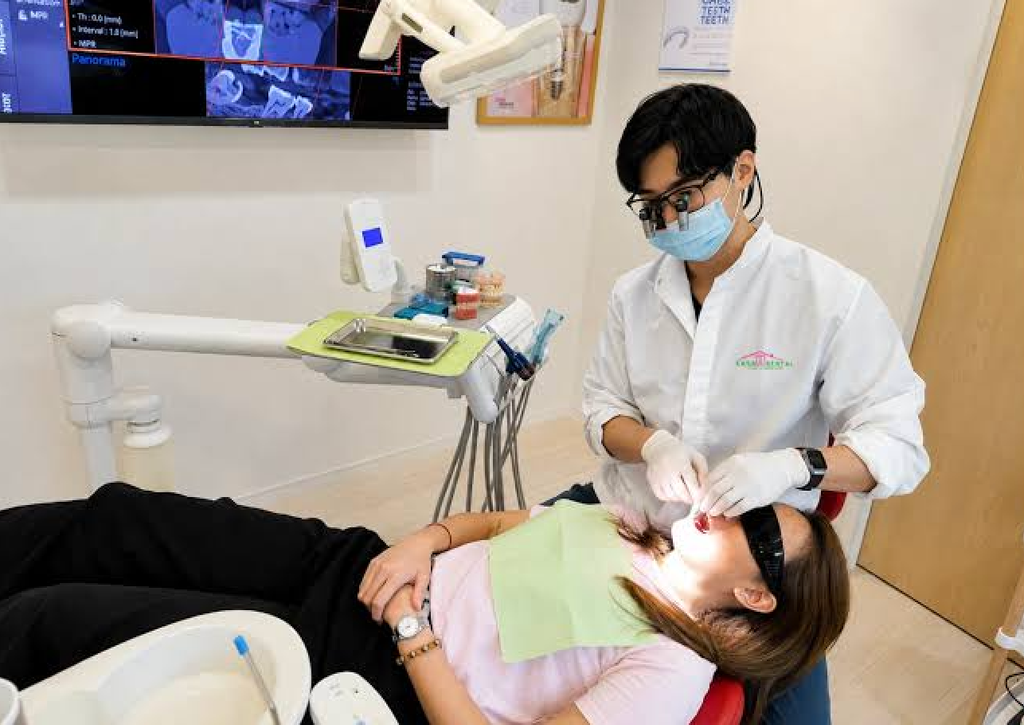
Dental care is often the cost that people postpone, which leads to larger bills later. CHAS offers subsidies at participating dental clinics for basic services such as fillings, extractions, scaling and polishing, and some denture-related services, depending on the tier. The subsidy applies to eligible procedures and is subject to caps for certain items. The amounts are set by MOH, so confirm them on the CHAS site before booking.
Not all dental services are covered. Cosmetic work, orthodontic treatment and many complex procedures usually fall outside the scheme. Ask the dentist for a treatment plan with itemised costs before agreeing to anything. A clear estimate lets you compare options and plan payment. Some clinics offer instalments or may recommend a phased approach if your needs are large.
Children and seniors have special needs. School dental programmes and polyclinic services may serve children, while seniors may need dentures or gum care that the scheme partly covers. If you care for an older parent, book the dental visit alongside a medical appointment to reduce travel.
Do not forget other care channels. Polyclinics offer subsidised care to citizens on their own subsidy structure, and public hospitals provide specialist outpatient services with means-tested subsidies. For some patients, the polyclinic route will be more affordable than a private GP visit, especially for chronic care, while for others the convenience of a nearby GP clinic is worth the price.
- Basic dental care: Fillings, extractions and cleaning are generally covered at stated subsidy levels.
- Denture support: Some denture-related services receive subsidy, subject to the tier and the clinic.
- Exclusions: Cosmetic and many complex treatments are outside the scheme, so ask before you proceed.
- Written estimates: Request an itemised quote that shows what is subsidised and what is not.
Good oral health also reduces other costs. Gum disease and untreated decay can affect eating, sleep and general health, and they may worsen conditions such as diabetes. Brush twice a day with fluoride toothpaste, clean between teeth daily and see a dentist at least once a year. For children, start early and make dental visits routine so that fear does not build.
Tips for Choosing a Clinic and Keeping Your Card Active
Not every clinic takes part in CHAS. Look for the CHAS logo at the entrance, or use the official clinic locator to find participating GP and dental clinics near you. Check opening hours, languages spoken and whether the clinic can handle your chronic condition. If you take regular medicines, ask whether the clinic stocks them or can arrange a prescription you can fill elsewhere.
Stay with one clinic where possible. A regular doctor knows your history and can manage your care better, and this also supports Healthier SG enrolment for those who are eligible. If you do change, ask for a copy of your records or a summary, and tell the new clinic about your medicines and allergies.
Treat the card as a document that needs maintenance. Note the expiry date in your phone calendar, make sure the contact details linked to it are correct and report a lost card promptly. Do not lend your card to relatives, since misuse can lead to penalties and may cause the card to be withdrawn. Review receipts so you can check that subsidy was applied.
- Use the locator: Search the official site for participating clinics instead of relying on word of mouth.
- Confirm before you go: Phone the clinic to ask whether your card and the service you need are accepted.
- Keep records: File receipts and consultation notes for chronic conditions to track annual limits.
- Protect your card: Use it only for your own care and report a loss at once.
- Renew on time: Set a reminder a few months before expiry to avoid a gap in subsidy.
If you meet problems at a clinic, such as a refusal to apply the subsidy or an unclear bill, raise the matter politely at the counter first. If it is not resolved, contact the AIC or MOH through the official channels, with your receipt and the date of the visit. Clinics must follow the scheme’s rules, and feedback helps keep standards consistent.
Final Thoughts
CHAS gives eligible households a practical way to lower the cost of everyday healthcare. The three tiers match the level of support to household circumstances, and the subsidy is applied at the clinic counter, which makes it easy to use. The scheme works best when you combine it with sensible habits, such as seeing a regular doctor, keeping records and attending dental check-ups before problems grow.
Start by checking whether your household may qualify, then apply through the official website with Singpass. Choose a participating clinic that suits your routine, ask for cost estimates, and keep track of annual limits for chronic care. Update your details when your household changes.
Since subsidy rates and eligibility rules are revised from time to time, use the CHAS and MOH websites as your reference. A few minutes spent verifying details can save you money, and it protects you from misinformation and scams. Good primary care is a long-term investment in your family’s health.
Finally, talk with relatives about what you learn. Many eligible households never apply because they assume they earn too much, or they hold an old card and do not realise a reassessment could help. A short conversation over a family meal, with one person taking charge of the paperwork, can bring subsidies to everyone who is entitled to them. Review your cards each year, in the same way you review insurance and school fees.
Frequently Asked Questions
1. Who can apply for a CHAS card?
Eligibility depends on citizenship status and household income or the Annual Value of your home. The rules differ for different groups, so check the official CHAS website. Family members should apply separately where required, because one person’s card does not cover another.
2. Does CHAS apply at polyclinics?
CHAS is mainly for participating GP and dental clinics. Polyclinics have their own subsidy structure for citizens. Compare the cost at a polyclinic and a CHAS GP clinic for your condition, since either route can be cheaper depending on the services you need.
3. How long is a card valid?
Cards are valid for a set period and are reassessed from time to time. The validity date appears on the card or in the digital version. Note it in your calendar and reapply well before it ends so that you do not lose your subsidy.
4. Can I use CHAS for dental treatment?
Yes, at participating dental clinics, for eligible basic procedures. Cosmetic and many complex treatments are excluded. Ask the dentist for an itemised quote and ask which parts of the plan attract subsidy before you agree to treatment.
5. What if my household income changes?
Update your details and reapply so that your tier reflects the new situation. A drop in income may qualify you for a higher tier, while a rise may change the subsidy level. The system uses current records, so timely updates keep your card correct.
6. Is there a fee to apply for a CHAS card?
No. Applications through official channels are free. Be careful of anyone who asks for payment or for your Singpass password. If in doubt, stop and call the official helpline or visit a community centre for help.