
Science/Health
Simple Tips to Boost Your Flexibility for Gymnastics


Flexibility is a key part of excelling in gymnastics. Whether you’re working towards perfect splits or aiming to improve your backbend, increasing your flexibility can help you perform better and stay safe from injuries. If you’re looking for easy ways to become more limber and agile, here are some friendly and effective tips to guide you.
1. Warm Up Before Stretching

Always start with a light warm up like jogging, jumping jacks, or skipping for about 5 to 10 minutes. Warming up gets your muscles ready to stretch, making them more flexible and reducing the chance of pulling a muscle.
2. Make Stretching a Daily Routine

Consistency is the secret to success. Try to dedicate 10 to 15 minutes each day to stretching exercises. Regular practice helps your muscles become more elastic, gradually increasing your overall flexibility.
3. Mix Dynamic and Static Stretches

Dynamic stretches involve moving your body parts through a full range of motion like leg swings or arm circles. These are perfect before practice to get your muscles ready.
Static stretches mean holding a stretch position for 20 to 30 seconds or longer. Do these after your workout to help your muscles relax and stretch further.
4. Focus on Key Muscle Groups

Pay special attention to muscles critical for gymnastics, such as your hamstrings, hip flexors, back, shoulders, and calves. Stretching these areas will help you improve your skills and avoid tightness that can limit movement.
5. Use Proper Stretching Technique

Never force a stretch push gently until you feel a mild stretch, not pain. Overstretching can cause injuries. Remember to breathe deeply and relax into each stretch to maximize benefits.
6. Try Yoga or Pilates

Yoga and Pilates are excellent practices for enhancing flexibility, boosting strength, and improving balance. Plus, they teach you how to breathe mindfully and become more aware of your body, which is very helpful for gymnasts.
7. Be Patient and Listen to Your Body

Flexibility doesn’t happen overnight. Progress gradually, and don’t push through pain. Rest if you feel discomfort, and trust that consistent, gentle stretching will bring results over time.
8. Get Expert Help if Needed

If you’re unsure about your stretching techniques or want a personalized plan, consider working with a coach or physical therapist. They can help you perform exercises safely and tailor routines to your current flexibility level and goals.
Final Thoughts

Improving your flexibility is a journey that takes patience and dedication. Stick with your stretching routine, stay motivated, and you’ll notice your body becoming more agile and ready to pull off those impressive gymnastics moves. Remember, a flexible body is a strong body!


Colonoscopy is widely recognized as an essential screening tool for colorectal cancer, but its diagnostic value extends far beyond malignancy prevention. By allowing direct visualization of the colon and rectum, colonoscopy provides detailed information about the health of the lower gastrointestinal tract. It can identify inflammatory disease, bleeding sources, structural abnormalities, and precancerous changes, often before symptoms become severe.
As people age, the risk of colorectal disorders increases significantly. Changes in bowel habits, unexplained anemia, abdominal discomfort, or rectal bleeding become more clinically important after midlife because they may reflect underlying pathology rather than benign variation. For individuals considering Singapore colonoscopy, understanding the range of conditions commonly diagnosed through this procedure helps clarify its role in comprehensive digestive health evaluation.
Why Colonoscopy Becomes More Important With Age
The colon undergoes gradual changes over time. Motility may slow, diverticula may form, and cumulative exposure to dietary and environmental factors may affect mucosal integrity. Most importantly, the incidence of colorectal cancer and precancerous polyps rises sharply after age 45–50.
Many colorectal conditions develop silently. Polyps may grow for years without causing symptoms, and inflammatory changes may remain mild until complications occur. Because early-stage colorectal cancer is frequently asymptomatic, screening is often recommended even in individuals who feel well.
Beyond cancer prevention, colonoscopy provides an opportunity to diagnose chronic gastrointestinal disorders early, allowing intervention before significant progression.
Screening, Prevention, and Early Detection Through Colonoscopy
Colonoscopy is considered one of the most comprehensive colorectal evaluations because it is both diagnostic and preventive. During the procedure, a flexible endoscope is advanced through the rectum to examine the entire colon lining. This allows identification of:
- Adenomatous polyps
- Serrated lesions
- Early colorectal cancers
- Inflammatory changes consistent with colitis
- Vascular abnormalities causing bleeding
A key preventive advantage is that polyps can often be removed during the same procedure through polypectomy. Removing precancerous lesions interrupts the adenoma-to-carcinoma sequence, reducing future cancer risk.
Screening intervals vary based on findings:
- Average-risk individuals may undergo colonoscopy every 10 years
- Patients with adenomas often require repeat evaluation in 3–5 years
- Those with strong family history or inflammatory bowel disease may need earlier and more frequent surveillance
Early detection is associated with significantly improved outcomes compared with diagnosis after symptoms appear.
Daily Lifestyle Factors That Influence Colorectal Health
Colonoscopy findings often reflect long-term lifestyle influences on the gastrointestinal tract. Diets low in fiber and high in processed meats have been associated with increased colorectal cancer risk, possibly through changes in gut microbiota and exposure to carcinogenic metabolites.
Other lifestyle factors linked to colorectal health include:
- Sedentary behavior and obesity
- Smoking, which increases colorectal cancer risk
- Heavy alcohol intake
- Chronic metabolic inflammation
Conversely, regular physical activity, maintaining a healthy weight, and consuming fruits, vegetables, and whole grains may support bowel regularity and reduce baseline risk.
Lifestyle modification does not replace screening, but it can complement preventive strategies over time.
Age-Related and Chronic Conditions Diagnosed Through Colonoscopy
Several common colorectal conditions become more prevalent with age and may be identified through colonoscopy.
Diverticulosis is one of the most frequent findings in older adults. It involves small outpouchings of the colon wall, often asymptomatic but sometimes associated with bleeding or diverticulitis.
Inflammatory bowel diseases such as ulcerative colitis and Crohn’s disease may also be diagnosed or monitored through colonoscopy. Chronic inflammation increases long-term colorectal cancer risk, making surveillance important in these patients.
Colonoscopy may identify ischemic colitis, which occurs when reduced blood flow causes mucosal injury, typically presenting with abdominal pain and bleeding.
Hemorrhoids and other anorectal conditions may be evaluated when rectal bleeding is present, although colonoscopy is often performed to exclude more proximal causes.
Prescription Versus Over-the-Counter Approaches to Digestive Health
Unlike dermatologic care, colorectal disease prevention is not primarily managed through over-the-counter products. However, certain medications may influence colorectal risk.
Aspirin and other nonsteroidal anti-inflammatory drugs have been associated with reduced colorectal cancer incidence in some studies, likely through cyclooxygenase inhibition and reduced inflammatory signaling. These medications carry bleeding risks and should only be considered under medical supervision.
Fiber supplements may improve constipation and bowel regularity but do not replace colonoscopic screening or polyp removal. Probiotics may support gut microbiota balance but have limited evidence for preventing structural colorectal disease.
The most effective preventive strategy remains direct detection and removal of precancerous lesions through colonoscopy.
In-Clinic Procedures and Interventions Performed During Colonoscopy
Colonoscopy is not only diagnostic but also therapeutic. During the exam, clinicians may perform:
- Polypectomy to remove precancerous growths
- Biopsy of suspicious lesions or inflammatory areas
- Endoscopic mucosal resection for larger polyps
- Treatment of bleeding lesions in selected cases
If colorectal cancer is detected, further management may involve surgical resection, chemotherapy, or radiotherapy depending on stage and location. Detecting the condition early through colonoscopy can significantly decrease the likelihood of requiring extensive treatment.
What Our Colorectal Surgeon Says
In my clinical practice, I often explain that colonoscopy provides a detailed assessment of colon health, not just a cancer screening result.
Many serious colorectal conditions begin quietly, with minimal symptoms. By examining the colon directly, we can identify polyps, inflammatory disease, diverticular changes, or bleeding sources early. Patients who undergo screening at recommended intervals often benefit from earlier intervention and improved long-term outcomes.
Putting This Into Practice
- Discuss screening after age 45–50 with your healthcare provider
- Consider earlier evaluation if you have a family history of colorectal cancer
- Follow a diet rich in fiber while limiting processed meat consumption
- Participate in regular exercise to promote healthy bowel function
- Follow surveillance intervals based on colonoscopy findings
When to Seek Professional Help
- Blood in the stool or unexplained rectal bleeding
- A lasting change in bowel habits that continues for several weeks or longer
- Unexplained weight loss or fatigue
- Iron-deficiency anemia without clear cause
- Strong family history of colorectal cancer or polyps
- Diagnosis of inflammatory bowel disease requiring surveillance
Commonly Asked Questions
What are the most common findings on colonoscopy?
The most frequent findings include polyps, diverticulosis, hemorrhoids, and inflammatory changes.
Can colonoscopy diagnose inflammatory bowel disease?
Yes. Colonoscopy with biopsy is a key tool for diagnosing and monitoring ulcerative colitis and Crohn’s disease.
Does colonoscopy always detect colorectal cancer?
Colonoscopy is highly effective for detecting cancers and precancerous lesions, though no test is perfect. Adequate bowel preparation improves accuracy.
Are polyps always dangerous?
Most polyps are benign, but some types may become cancerous over time, which is why removal and surveillance are important.
How often should I have a colonoscopy?
Average-risk individuals may need screening every 10 years, while those with polyps or higher risk may require more frequent exams.
Next Steps
Colonoscopy is a valuable tool for diagnosing a wide range of colorectal conditions, from benign structural changes to inflammatory disease and precancerous lesions. If you are approaching screening age or experiencing symptoms such as bleeding or persistent bowel changes, consultation with a colorectal specialist can help determine whether colonoscopy is appropriate and guide long-term digestive health planning.

Introduction to Asbestos
Asbestlint, once heralded as a miracle material for its fire-resistant properties and durability, now stands at the center of a public health crisis. The very fibers that made this industrial wonder so appealing have become synonymous with danger and devastation. In buildings across the globe, remnants of asbestos linger silently, posing serious risks to unsuspecting occupants.
The story of asbestlint is not just one of innovation; it’s also a cautionary tale about the consequences of prioritizing profit over safety. Join us as we unravel the history, hazards, and ongoing battles surrounding this powerful yet perilous material.
History of Asbestos Usage
Asbestos has a long and complex history. It was prized for its heat resistance, durability, and insulating properties. Ancient civilizations utilized it in pottery and textiles.
The 19th century saw a surge in asbestos production. Industries began to embrace this versatile mineral as an essential component in construction materials, shipbuilding, and fireproofing products.
By the mid-20th century, its popularity soared further with the rise of modern manufacturing processes. Asbestos became synonymous with safety in high-risk environments like factories and power plants.
However, this widespread use masked serious health concerns that would soon emerge. Workers who handled asbestlint were often unaware of the dangers they faced daily.
As regulations tightened later on, industries scrambled to find safer alternatives while grappling with their legacy of negligence towards worker safety and public health.
Read More: Restore Skin Confidence Through Structured Melasma Treatment
Health Risks Associated with Asbestos Exposure
Asbestos exposure poses significant health risks that can manifest years later. Inhaling or ingesting asbestos fibers leads to serious respiratory problems. The most well-known diseases include asbestosis, lung cancer, and mesothelioma.
Asbestosis is a chronic condition caused by scarring of lung tissue. It results in breathing difficulties and reduced oxygen intake. Symptoms often worsen over time.
Lung cancer is another grave consequence linked to asbestos exposure. Individuals who smoke while being exposed face an even higher risk. Early detection remains challenging and treatment options limited.
Mesothelioma, a rare but deadly cancer, primarily affects the lining of the lungs and abdomen. Its symptoms may take decades to appear, making it particularly insidious.
Even brief encounters with this hazardous material can be detrimental. Understanding these risks is crucial for awareness and prevention efforts in both residential and occupational settings.
Legal Action Against Asbestos Companies
Legal action against asbestos companies has become increasingly common as victims seek justice. Many individuals impacted by asbestos exposure have suffered severe health issues, prompting them to file lawsuits.
These legal battles often focus on negligence and the failure of companies to warn workers about the dangers associated with their products. Historically, manufacturers knew about the risks but continued production without adequate safety measures.
The process can be lengthy and complex. Victims must gather medical records, employment history, and evidence linking their illnesses to asbestos use. This documentation is crucial in building a strong case.
Lawsuits may result in significant settlements or verdicts for affected individuals. Some companies have set up trust funds specifically for compensation due to past liabilities related to asbestos exposure.
As awareness grows around these legal actions, more victims are encouraged to come forward and hold responsible parties accountable for their suffering.
Current Regulations and Bans on Asbestos
Countries worldwide have recognized the dangers of asbestlint, leading to stricter regulations and outright bans on its use. Many nations now prohibit any new applications of asbestos, aiming to protect public health.
In the European Union, for instance, all forms of asbestos are banned. This drastic move highlights the commitment to safeguarding citizens from exposure to this hazardous material.
The United States has a more complex landscape regarding regulation. While certain uses are restricted, some products still contain asbestlint under specific guidelines. The Environmental Protection Agency (EPA) actively works on policies aimed at reducing risks associated with existing materials.
Public awareness is growing about these regulations. Homeowners and businesses need to stay informed about local laws surrounding asbestos removal and disposal. Compliance not only ensures safety but also helps in avoiding legal repercussions related to improper handling of this toxic substance.
Proper Handling and Removal of Asbestos
Proper handling of asbestos requires strict adherence to safety protocols. First, always wear appropriate personal protective equipment (PPE). This includes respirators, gloves, and coveralls designed for hazardous materials.
When working in an area suspected of containing asbestlint, it’s crucial to minimize disturbance. Avoid actions that could release fibers into the air. If you must work with it, wetting the material can help reduce airborne particles.
For removal, hire licensed professionals who specialize in asbestos abatement. They have the training and tools needed for safe extraction. Attempting DIY methods can increase health risks significantly.
Ensure that any asbestos waste is disposed of according to local regulations. It should be sealed in leak-proof containers and labeled clearly to prevent accidental exposure during transport or disposal.
Educating yourself about proper procedures is vital for safety when dealing with this dangerous material. Keeping informed helps protect not only yourself but also those around you.
Conclusion
Asbestlint remains a potent reminder of the dangers posed by once-cherished industrial materials. Its history is marked by both innovation and tragedy, as its properties made it an appealing choice for construction and manufacturing. However, the health risks associated with asbestos exposure have led to devastating consequences for countless individuals.
The legal battles against companies that manufactured or used asbestlint continue to unfold, shedding light on corporate negligence and public safety failures. Many victims seek justice and accountability for their suffering. This ongoing struggle has spurred stricter regulations aimed at preventing further exposure and protecting future generations.
Current bans in various countries reflect a growing awareness of these hazards. Asbestos removal requires specialized knowledge and training; improper handling can exacerbate the danger posed by this toxic material. Homeowners engaging in renovations must ensure they follow proper protocols if they suspect the presence of asbestlint.
Raising awareness about asbestos-related issues remains crucial. With education, vigilance, and adherence to safety guidelines, we can work towards a world free from the threat of this dangerous legacy.

In a world that never slows down, keeping track of your health has become smarter and cooler than ever. Health-monitoring wearables are everywhere, turning everyday accessories like watches, bands, and even rings into powerful 24/7 health companions. From boosting fitness and improving sleep to spotting early warning signs, these devices deliver real-time insights that put your well-being firmly in your hands.
Gone are the days when a basic pedometer was enough. In 2026, advanced sensors, AI integration, and longer battery life make health monitoring wearables more accurate and user-friendly than ever. Let’s dive into why they’re essential, the standout features, and the top picks dominating the market right now.
Here are some sleek modern smartwatches displaying key health metrics like heart rate and sleep tracking:
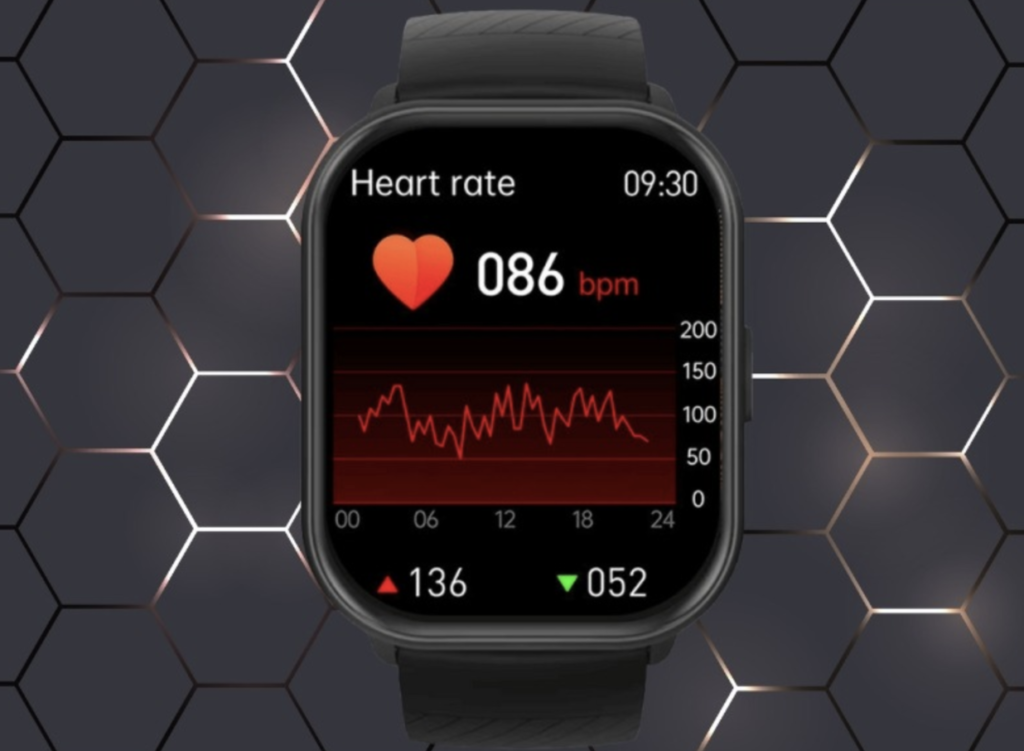
Key Features of Modern Health Monitoring Wearables
Today’s devices go far beyond counting steps. Here’s what makes them game-changers:
- Continuous Heart Rate Tracking Monitors resting, active, and recovery rates, with alerts for irregularities.
- Sleep Analysis Tracks stages (light, deep, REM), quality scores, and even detects issues like sleep apnea.
- Blood Oxygen (SpO2) Monitoring Essential for spotting respiratory concerns or altitude effects.
- Stress & Recovery Insights Uses heart rate variability (HRV) and temperature to gauge daily stress and readiness.
- ECG & Advanced Heart Health Some models offer on-wrist electrocardiograms for detecting atrial fibrillation.
- Activity & Workout Detection Auto-recognizes exercises, tracks GPS routes, and provides post-workout recovery tips.
These features aren’t just numbers on a screen they translate into actionable advice, helping you adjust habits before small issues become big problems.
Discover smart rings and bands built for subtle, all-day health monitoring:

Top Benefits of Using Wearable Tech for Health Monitoring
Investing in a health monitoring wearable brings real, life-changing advantages:
- Early Detection & Prevention Spot irregular heart rhythms, low oxygen levels, or stress spikes early, potentially preventing serious conditions.
- Personalized Wellness Insights AI-powered apps give tailored recommendations for better sleep, exercise, or recovery.
- Motivation & Habit Building Daily goals, challenges, and progress tracking keep you consistent and engaged.
- Chronic Condition Management Ideal for diabetes (glucose trends), hypertension, or heart issues with continuous data.
- Improved Overall Lifestyle Better sleep, reduced stress, and increased activity lead to higher energy and quality of life.
Studies show consistent use encourages more movement and healthier choices turning data into lasting change.
Best Wearable Tech for Health Monitoring in 2026
Below are the best options highlighted by recent reviews and advancements:
- Fitbit Charge 6 — Top all-around pick for cross-platform support, long battery, accurate tracking of heart rate, sleep, and stress.
- Apple Watch Series 11 — Best for iPhone users with advanced heart features like ECG, sleep apnea detection, and hypertension alerts.
- Oura Ring 4 — Discreet smart ring leader for in-depth sleep, readiness scores, and symptom tracking without a bulky watch.
- Garmin Fenix 8 / Venu Series — Premium choice for serious fitness enthusiasts, offering multi-sport tracking, long battery, and robust health metrics.
- Samsung Galaxy Watch 8 — Excellent for Android with AI insights, sleep apnea detection, and heart health notifications.
These devices blend style, comfort, and clinical-grade accuracy making health monitoring feel effortless.
Final Thoughts: Is Wearable Tech Right for You?
If you’re committed to proactive health, wearable health tech is one of the smartest investments you can make in 2026. Start by defining your goals better sleep, heart health, or overall fitness then choose a device that seamlessly fits your lifestyle and digital ecosystem.
Wear it daily, review your data regularly, and watch how small insights lead to big improvements. Your future self (and your doctor) will thank you!


Apple 2026 MacBook Lineup: OLED Displays, Touchscreen Rumors, and M6 Performance

Simple Tips to Boost Your Flexibility for Gymnastics

Apple Implements New Age Verification Measures in Australia, Brazil, and Singapore to Strengthen Child Protection and Comply with Local Laws
Wedding day horror: Groom falls to death at VOCO Orchard Hotel on Wedding Day
EdTech in Singapore: 150+ Companies Driving $180M Digital Learning Revolution

Singapore JC Ranking: A Complete Guide for Students
-
Blog7 months ago
Wedding day horror: Groom falls to death at VOCO Orchard Hotel on Wedding Day
-
Technology6 months ago
EdTech in Singapore: 150+ Companies Driving $180M Digital Learning Revolution
-
Education8 months ago
Singapore JC Ranking: A Complete Guide for Students
-

 Food5 months ago
Yi Dian Dian Bubble Tea Singapore: Menu, Outlets & Try Drinks
-
 Blog9 months ago
Best of SG with Singapore Rediscover Voucher
-
 Business9 months ago
What to Expect During PSLE Marking Days 2023
-
 Digital Marketing6 months ago
How to Run Effective Xiaohongshu Advertising Campaigns
-
 Digital Marketing6 months ago
Why Xiaohongshu Ads Are a Must for Reaching Chinese Consumers