
News
2026 Apple Glasses: Features, Release Date, Price, and Why They Could Outshine Ray-Ban Meta

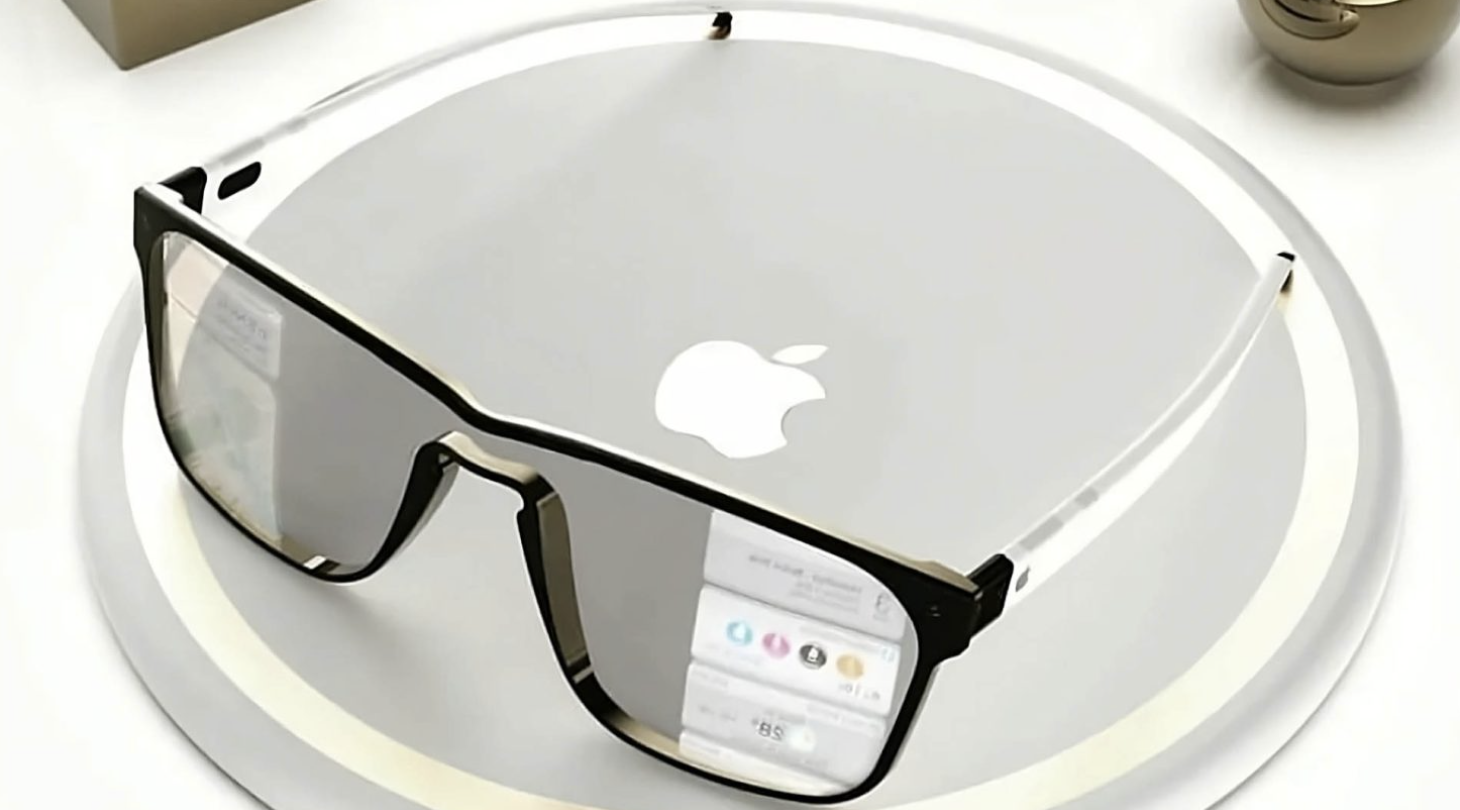
The upcoming Apple Glasses (2026) are shaping up to be one of the most anticipated augmented reality products of the decade. Positioned as Apple’s first truly consumer-friendly AR eyewear, these glasses aim to bring smart, unobtrusive technology into everyday life. Unlike the Apple Vision Pro, which focuses on immersive experiences, Apple Glasses are designed for lightweight, practical, all-day augmented reality.
Many analysts believe they could become a direct competitor-and potential replacement-for devices like Ray-Ban Meta Smart Glasses.
Below, we explore everything we know so far: expected features, design, pricing, release window, and Apple’s broader AR strategy.
What Are Apple Glasses? A New Standard for Everyday AR
Apple Glasses are expected to overlay digital information onto the real world without blocking your view. Instead of transporting you into mixed-reality environments, they’re designed to support your day-to-day routine with intelligent, context-aware assistance.
Key AR Functions Rumored for Apple Glasses
- Object recognition: Instantly identify people, objects, landmarks, art pieces, or plants.
- Real-time translation: Translate signs, menus, conversations, and text with a glance.
- Meeting assistance: Generate quick summaries, notes, and reminders during calls or discussions.
- Contextual alerts: Receive subtle notifications that don’t interrupt your field of vision.
These features combine Apple’s advanced AI, Siri integration, and on-device intelligence, turning the glasses into a natural extension of your daily workflow.
Top Features Expected in Apple Glasses (2026)
Apple is reportedly focusing on real usability, not gimmicks. These glasses are built to solve everyday problems-navigation, communication, and productivity-through seamless AR visuals.
1. AR Navigation Made Simple
Turn-by-turn directions could appear directly onto your lenses, helping you walk, drive, or cycle without checking your phone.
2. Built-in Cameras for Visual Lookups
Lightweight cameras may allow:
- Quick photos
- Object detection
- AI-powered visual search
- Instant information about places, art, or products
Just look at an object, and Siri could tell you exactly what it is.
3. Embedded Speakers for Hands-Free Audio
Integrated speakers will support:
- Music playback
- Phone calls
- Real-time translation
- FaceTime with augmented overlays
This feature alone could transform how users handle communication on the go.
4. Lightweight and Stylish Design
Early leaks suggest multiple frame styles, optional color choices, and support for prescription lenses, ensuring comfort for everyday wear.
These features are not about creating a sci-fi gadget-they’re about making AR genuinely practical.
Design, Comfort, and Apple Ecosystem Integration
As expected, Apple will lean heavily on its signature minimalist design. Sleek metal frames, comfortable arms, and interchangeable lenses are all likely.
Deep Integration with Apple Devices
Apple Glasses will reportedly sync effortlessly with:
- iPhone
- Apple Watch
- Mac
- iPad
Some processing power may run through the iPhone-helping the glasses stay light while improving battery performance.
However: This tight integration may limit compatibility for Android users, keeping Apple Glasses exclusive to the Apple ecosystem.
Apple Glasses 2026 Release Date
Based on reliable industry sources, Apple is expected to announce the glasses at WWDC 2026, with a commercial release planned for:
Late 2026 or Early 2027
This timing aligns with Apple’s multi-year AR development roadmap and the company’s push to lead the next generation of wearable technology.
Apple Glasses Price: Under $1,000
One of the biggest surprises is the rumored price tag.
Estimated Price: Below $1,000
This positions Apple Glasses as:
- More affordable than Vision Pro
- A premium alternative to Ray-Ban Meta glasses
- Accessible enough for mainstream consumers
Apple appears to be targeting both AR enthusiasts and general users who want smarter, everyday eyewear.
Apple Glasses vs. Ray-Ban Meta: Will Apple Replace the Competition?
The Ray-Ban Meta Smart Glasses have dominated the lightweight AR/AI eyewear space-but Apple’s entry could disrupt this fast-growing market.
Where Apple May Have the Advantage
- Better integration with iPhone
- More advanced AI and Siri functions
- Stronger privacy and on-device processing
- Sleek Apple-style customizable frames
- A massive App Store ecosystem to build AR experiences
If Apple delivers its promised combination of style, practicality, and AI intelligence, the Apple Glasses could easily become the new standard in consumer AR.
The Future of Everyday Augmented Reality
Apple’s upcoming AR eyewear marks a huge step toward making augmented reality mainstream. Instead of bulky headsets or niche smart glasses, the company is creating something ordinary people can wear comfortably throughout the day.
What Apple Glasses Could Change
- How we navigate cities
- How we translate languages
- How we manage meetings
- How we access information instantly
- How we communicate hands-free
The 2026 Apple Glasses could be the moment AR stops being a futuristic concept and becomes part of everyday life.
Final Thoughts
With a predicted sub-$1,000 price tag, a late-2026 release timeline, and powerful hands-free AI features, the Apple Glasses have the potential to reshape the AR market-and even surpass major competitors like Ray-Ban Meta.
As we approach 2026, expectations are growing. If Apple delivers what leaks suggest, the Apple Glasses may become one of the most influential consumer tech launches of the decade.









Xiaomi is preparing a major software reveal at Mobile World Congress in Barcelona. The company plans to launch HyperOS 3.1 alongside the Xiaomi 17 series.
The biggest highlight is the rumored “iOS Bridge.” This feature aims to improve integration between Xiaomi devices and products from Apple. As a result, users may experience smoother cross-platform connectivity.
One standout capability includes real time iPhone call alerts. Incoming calls on an iPhone could instantly appear on connected Xiaomi tablets and laptops. Therefore, users may answer or manage calls without holding their phones.
This feature would simplify multitasking. Moreover, it would create a more unified digital workflow for mixed-device users.
The update is also expected to enhance compatibility with AirPods. Xiaomi devices may display real-time battery levels for AirPods. In addition, users could access advanced controls similar to native Apple integration.
Consequently, switching between ecosystems would feel seamless. This improvement would especially benefit professionals who rely on both brands daily.
Another key addition involves direct wireless file sharing. Xiaomi’s iOS Bridge may allow fast file transfers between iPhones and Xiaomi devices. Importantly, users would not need third-party applications.
Instead, file sharing could become instant and secure. As a result, productivity would increase across devices. Furthermore, users could reduce reliance on cloud storage platforms.
Xiaomi continues to expand its global presence. In 2025, it secured a 16% share of Europe’s smartphone market, according to Omdia. Therefore, strengthening Apple compatibility supports its competitive strategy.
Many consumers use devices from both ecosystems. Consequently, improved cross-platform support increases brand loyalty.
If unveiled between March 2 and March 5 at MWC, this update could redefine device interaction. Ultimately, Xiaomi’s iOS Bridge signals a new era of flexible and connected digital experiences.
News
Apple Implements New Age Verification Measures in Australia, Brazil, and Singapore to Strengthen Child Protection and Comply with Local Laws

In a significant move to enhance child safety and adhere to evolving regulations, Apple has announced updated policies for app age verification in key regions, including Australia, Brazil, Singapore, Utah, and Louisiana. These changes aim to ensure that minors access age-appropriate content while balancing user privacy concerns.
Starting February 24, Apple has begun restricting users in Australia, Brazil, and Singapore from downloading apps rated 18+ unless their age has been verified through Apple’s robust age confirmation system. This process, integrated into the App Store, employs “reasonable methods” to automatically verify if a user is an adult. Developers may also utilize Apple’s Declared Age Range API to independently confirm a user’s age, adding an extra layer of security and compliance.
In Brazil, new regulations targeting loot box content have prompted Apple to adjust app age ratings. Apps offering loot boxes will now automatically be marked as 18+ in the Brazilian storefront, aligning with local laws that prohibit children from engaging with such features. Developers can now access a user’s age group when shared voluntarily by the user or parent, with Apple providing signals about the method used for age verification, promoting transparency and accountability.
Meanwhile, in the U.S. states of Utah and Louisiana, upcoming legislative mandates are pushing for stricter age verification. These laws require developers to utilize the Declared Age Range API to determine if a user qualifies as a minor and to restrict access to age-inappropriate content. Additionally, both states will enforce policies where significant app updates particularly those introducing new functionalities must involve parental consent for child users. This ensures that parents remain informed and retain control over their children’s app experiences.
The Utah App Store Accountability Act is set to take effect on May 6, 2026, while Louisiana’s House Bill 570 launches on July 1, 2026. Notably, these regulations apply only to newly created Apple Accounts, emphasizing the importance of age verification from the outset.
Apple’s stance on these legal developments underscores its commitment to privacy. The company has expressed concerns over data collection associated with age verification methods like ID submission, which could compromise user privacy. As a result, Apple prefers to avoid intrusive verification techniques, instead opting for solutions that confirm age without sharing personal data with developers.
Non-compliance with these new regulations can lead to hefty fines. In Utah, developers face penalties of up to $1,000 per violation, while Louisiana’s fines can reach $10,000 after a 45-day grace period. Brazil, Australia, and Singapore also face potential penalties that could amount to millions of dollars if they fail to meet platform level requirements.
Overall, Apple’s latest measures reflect a balanced approach prioritizing child safety and regulatory compliance while safeguarding user privacy. These steps are part of a broader global trend toward stricter child protection laws, shaping the future of app store policies worldwide.

The English Premier League will launch its own streaming platform in Singapore this year.
This bold move signals a major shift in its global media strategy.
Premier League chief executive Richard Masters confirmed the news at the Financial Times Business of Football conference.
Moreover, he revealed that the new service, Premier League+, will debut for the 2026/27 season.
For the first time, the league will go direct-to-consumer in Singapore. As a result, fans will subscribe directly through the official platform.
Strategic Partnership With StarHub Strengthens Market Presence
The Premier League has entered into a six-year partnership agreement with StarHub.
Therefore, the Singapore-based telecommunications company will support the rollout of the new platform.
This partnership ensures local expertise and stable distribution. At the same time, it allows the league to manage its own subscriber relationships.
StarHub confirmed that Premier League+ will complement its current coverage. However, existing Premier League packages will remain unchanged.
Fans will continue enjoying live matches through StarHub as usual. Meanwhile, the new streaming option will enhance flexibility and viewing choices.
380 Matches and Exclusive Content on a Dedicated App
Premier League+ will offer access to all 380 matches each season. Additionally, subscribers will enjoy exclusive shoulder programming and in-depth analysis.
The platform will feature a 24/7 dedicated Premier League channel. Consequently, supporters can stay connected beyond matchdays.
Users will download the app on smart TVs or laptops. Thus, streaming becomes seamless and accessible across devices.
This direct digital model reduces reliance on traditional broadcasters. Nevertheless, partnerships with networks like Sky Sports in the UK will continue.
A Blueprint for Global Expansion
Singapore will serve as a testing ground for the league’s streaming ambitions. If successful, the model may expand into other international markets.
Masters described the initiative as a carefully considered process. Furthermore, he emphasized the importance of controlling promotion and pricing strategies.
By owning customer relationships, the league gains valuable market insights. As a result, it can refine engagement strategies and tailor future offerings.
This step also provides commercial optionality in selected regions. Therefore, the Premier League strengthens its long-term media flexibility.
What Singapore Fans Can Expect Next
The service is expected to launch from August 2026. However, final pricing details have not yet been announced.
StarHub confirmed close collaboration with the league during this trial phase. Meanwhile, preparations continue to ensure a smooth rollout.
Singaporean fans will soon experience a new era of football streaming. Above all, Premier League+ promises convenience, exclusivity, and full-season access.
The English Premier League continues to evolve its global footprint. Now, with Premier League+, it takes direct control of its digital future.


BLACKPINK Drops “Deadline” Mini-Album After Record-Breaking World Tour

Xiaomi iOS Bridge Update to Transform Apple Device Connectivity at MWC

Apple 2026 MacBook Lineup: OLED Displays, Touchscreen Rumors, and M6 Performance
Wedding day horror: Groom falls to death at VOCO Orchard Hotel on Wedding Day

EdTech in Singapore: 150+ Companies Driving $180M Digital Learning Revolution

Singapore JC Ranking: A Complete Guide for Students
-
Blog7 months ago
Wedding day horror: Groom falls to death at VOCO Orchard Hotel on Wedding Day
-
Technology6 months ago
EdTech in Singapore: 150+ Companies Driving $180M Digital Learning Revolution
-
Education8 months ago
Singapore JC Ranking: A Complete Guide for Students
-

 Food5 months ago
Yi Dian Dian Bubble Tea Singapore: Menu, Outlets & Try Drinks
-
 Blog9 months ago
Best of SG with Singapore Rediscover Voucher
-
 Business9 months ago
What to Expect During PSLE Marking Days 2023
-
 Digital Marketing6 months ago
How to Run Effective Xiaohongshu Advertising Campaigns
-
 Digital Marketing6 months ago
Why Xiaohongshu Ads Are a Must for Reaching Chinese Consumers