Why Human Skills Still Matter in an AI-Driven Singapore
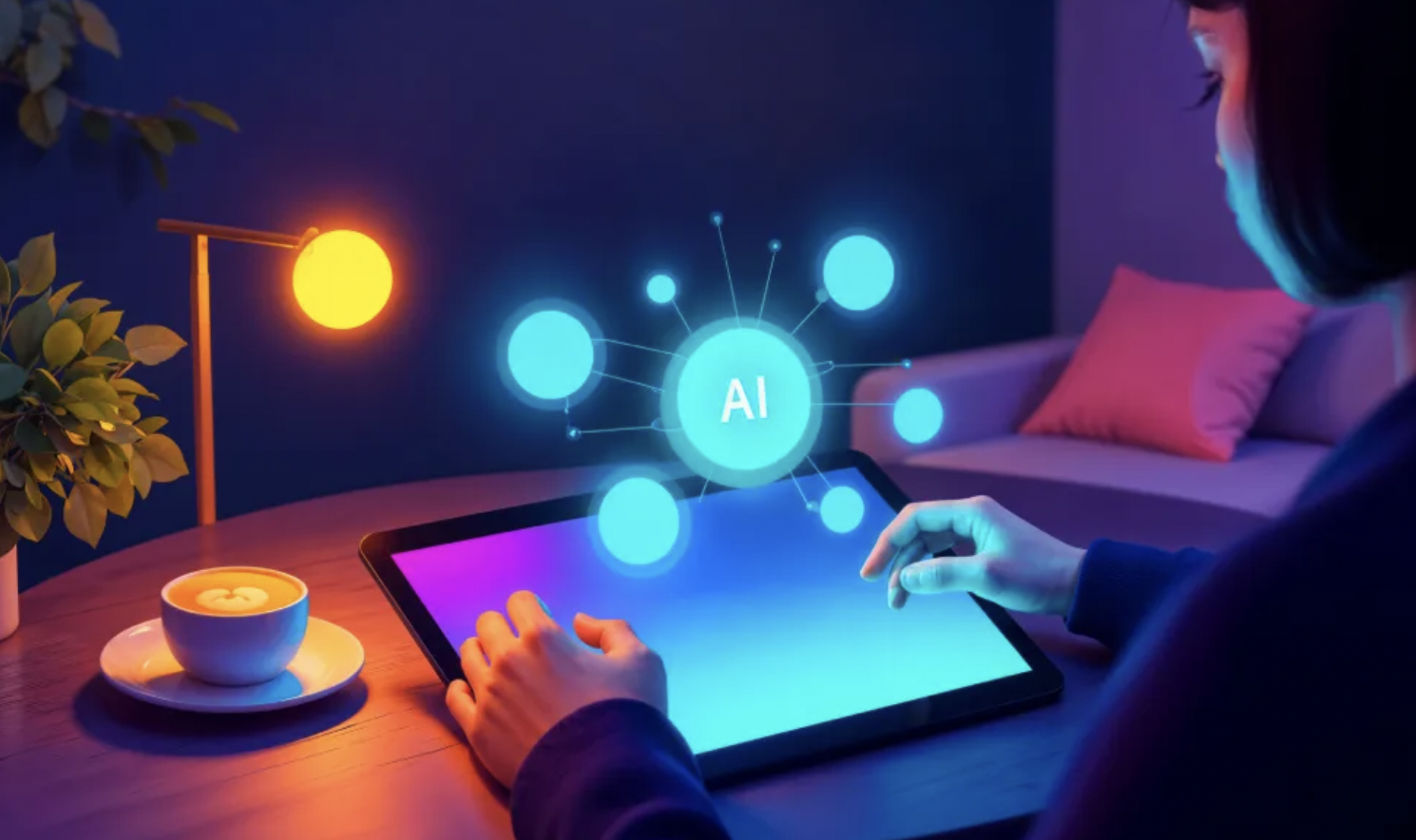
In Singapore, artificial intelligence is no longer a buzzword. It’s quietly running in your banking app, planning bus routes, detecting fraud, and even helping doctors read medical scans. The city-state’s push to become a Smart Nation and an AI hub is strong, and that brings both opportunity and anxiety for working people.
Many Singapore professionals now ask a tough question: Will AI replace my job?
The better question is: which parts of my job can AI do, and which parts will always need a human being?
That’s where the 5 essential skills AI will never replace for Singapore professionals come in. These skills sit at the core of what makes us human:
- Emotional intelligence
- Complex problem-solving
- Ethical judgment
- Cross-cultural communication
- Creative and strategic thinking
AI can process data at lightning speed and recognise patterns that humans miss. But it can’t truly feel, judge values, read subtle cultural cues, or imagine a new future. In a knowledge driven economy like Singapore’s your long-term career security depends on how well you grow these uniquely human abilities—and how well you combine them with AI tools.
Singapore’s AI ambitions and what they mean for workers
Singapore’s National AI Strategy, launched and updated by the government, sets a clear ambition: embed AI into key sectors like healthcare, transport, logistics, education, and finance. Public agencies and private firms are investing heavily in automation and data.
This has several implications:
- Routine tasks will be automated
Data entry, basic reporting, simple call-centre queries, and repetitive admin will continue to be handled by AI and robots. - Demand for hybrid human + AI professionals will rise
Employers won’t just want coders or analysts. They’ll want people who can use AI while making sound human decisions. - Soft skills become hard currency
Emotional intelligence, ethics, and communication skills are no longer nice to have. They’re what separates you from a machine.
In other words, as AI takes over narrow technical tasks, the value of human-centric skills goes up. The 5 essential skills AI will never replace for Singapore professionals are not just a philosophical idea; they’re a practical career strategy.
Understanding the limits of artificial intelligence
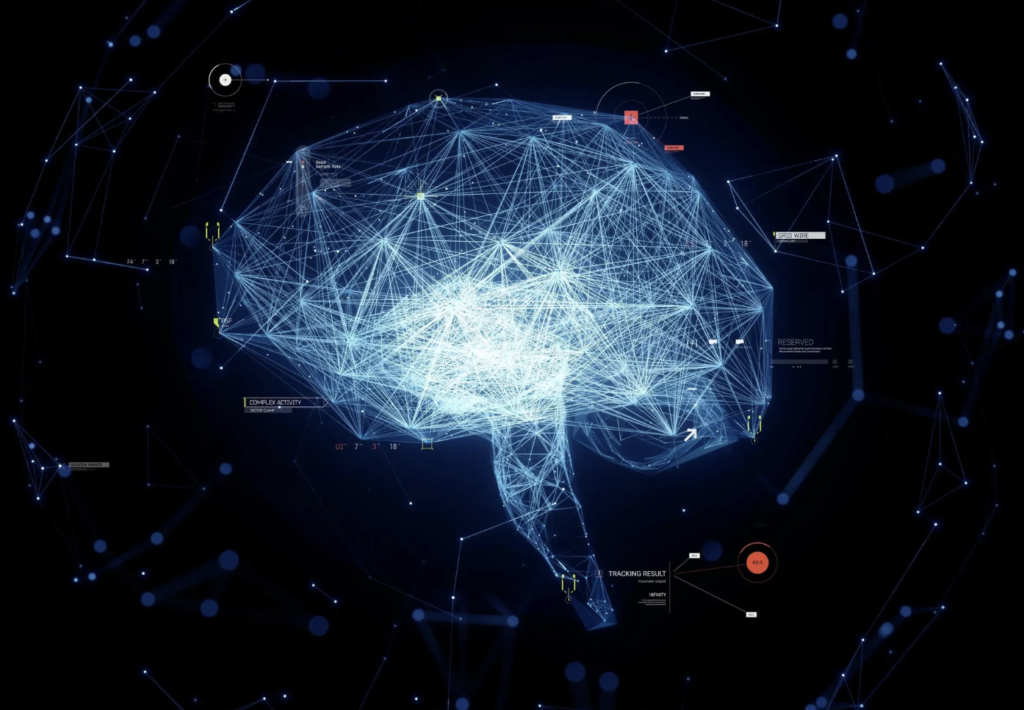
To plan your future, you need to understand what AI is good at and where it hits a wall.
AI is excellent at:
- Crunching huge amounts of data
- Recognising patterns (images, speech, text)
- Following clear rules and optimising for set goals
- Repeating tasks consistently, without fatigue
But AI struggles with:
- Context: Understanding unspoken rules, local culture, or office politics
- Values: Choosing between right and wrong when the law is silent
- Ambiguity: Acting wisely when goals are unclear or conflicting
- Empathy: Comforting a client, reading a colleague’s mood, or sensing tension
- Original vision: Defining what future a company, community, or country should aim for
That’s exactly where the 5 essential skills AI will never replace for Singapore professionals sit. Let’s dive into each one, and see how you can sharpen them for the local context.
DON’T MISS: For a deeper look at cutting‑edge AI models, you can also read our in‑depth guide, Deepseek 3.2: The Open-Source AI Model That Outsmarts ChatGPT 5 in Advanced Reasoning Tests.
Skill #1: Emotional Intelligence – The Human Heart of Work

If there’s one line that sums up the future of work, it’s this: “AI can’t care.”
It can simulate caring with friendly chatbots and polite messages, but it doesn’t actually understand how you feel. Emotional intelligence (EQ) is the first of the 5 essential skills AI will never replace for Singapore professionals because every workplace is, at its core, about people.
Why emotional intelligence is irreplaceable by AI
Emotional intelligence is your ability to:
- Notice your own emotions
- Manage your reactions
- Understand how others feel
- Respond in ways that build trust and cooperation
In a typical Singapore office, you’ll see this in action when:
- A manager senses her team is burnt out and quietly shields them from extra work
- A sales executive calms an upset client who just had a shipment delayed
- A project lead spots tension between two departments and mediates before issues escalate
AI can’t read the subtle mix of Singaporean communication where people often keep a “neutral” face, speak briefly, and avoid open confrontation. It can detect sentiment in text, but it doesn’t experience social pressure, face-saving, or the unspoken “don’t make others lose face” rule.
Workplaces run smoothly when people feel heard, respected, and supported. Emotional intelligence is what makes this possible. That’s why it’s one of the 5 essential skills AI will never replace for Singapore professionals, regardless of sector.
How Singapore professionals can build stronger EQ
The good news: EQ isn’t fixed at birth. You can train it, just like any other skill. Here’s a simple way to break it down:
- Self-awareness – Noticing your moods and triggers
- Self-management – Choosing your response, instead of reacting on impulse
- Social awareness – Reading other people’s emotions and body language
- Relationship management – Handling conflicts, giving feedback, inspiring others
A few practical steps:
- Daily reflection
At the end of each workday, ask yourself:- When did I feel stressed, and why?
- Did I react in a way I’m proud of?
- Did I notice anyone else’s emotions?
- Active listening
In meetings, try listening without planning your reply. Notice tone of voice, pauses, and body language. - Ask for feedback
Invite colleagues to share how they feel working with you. It might be awkward, but it’s gold for improvement.
Practical EQ techniques for the Singapore workplace
In Singapore’s busy work culture, everyone’s rushing. It’s easy to appear cold or impatient without meaning to. These simple techniques can help:
- The “two-second pause”
Before replying to a tough email or WhatsApp message, pause two seconds. Ask, “What’s this person really worried about?” Then address that concern first. - Name the emotion
If a colleague looks frustrated, you might say, You seem a bit stressed everything okay? You’re not prying; you’re showing concern. - Cultural sensitivity
Remember that colleagues from different ethnic and national backgrounds may express emotions differently. Some may be direct; others more reserved. EQ means adapting to each person.
Emotional intelligence is the foundation of leadership, regardless of job title. In a future where AI handles more technical tasks, the ability to lead, comfort, and inspire humans will be one of the 5 essential skills AI will never replace for Singapore professionals.
Skill #2: Complex Problem-Solving in a Fast-Changing City-State

Singapore’s economy moves quickly. New policies, new technologies, new customer expectations—everything’s shifting. Businesses face issues that don’t have neat answers: how to stay competitive, attract talent, go green, or serve an ageing population.
These are complex problems: messy, interconnected, and constantly changing. They’re another of the 5 essential skills AI will never replace for Singapore professionals.
Why AI struggles with messy, real-world problems
AI works best when:
- The problem is clearly defined
- There’s lots of historical data
- The rules of the system don’t change too often
Complex real-world issues, especially in Singapore’s dense and diverse environment, are different:
- Multiple stakeholders − government, citizens, businesses, NGOs
- Conflicting goals − profit vs sustainability, speed vs safety
- Moving targets − regulations, technology, and markets evolve
For example:
- How should a logistics firm balance fast delivery with carbon reduction targets?
- How can a hospital manage rising healthcare demand with limited manpower?
- How should a bank prevent fraud without making customer onboarding painful?
AI can model scenarios and surface patterns, but humans must decide how to frame the problem, interpret results, and balance trade offs. That’s why complex problem-solving is one of the 5 essential skills AI will never replace for Singapore professionals.
Complex problem-solving in key Singapore sectors
Let’s look at a few local contexts:
- Finance and fintech
Singapore’s role as a financial hub means complex regulatory and risk decisions. AI can spot suspicious transactions, but compliance officers and risk managers must decide what to investigate, how strict to be, and how to communicate with clients. - Healthcare and biotech
AI can propose treatment plans or flag anomalies in scans. Doctors, nurses, and administrators must weigh patient preferences, cost, ethics, and family dynamics especially in multi-generational households. - Transport and logistics
Route-planning AI can suggest the fastest path, but planners must consider road works, future infrastructure, labour availability, and environmental targets.
In every case, human professionals tackle “what should we do?” rather than just “what can be done?”
A simple framework you can use to tackle complex issues
You don’t need a consulting background to handle complex problems. Try this straightforward framework:
- Define the problem clearly
- Who’s affected?
- What’s the real pain point?
- How will we know if it’s solved?
- Map the stakeholders
- Who cares about this?
- Who has power to block or support?
- What are their interests?
- Break it into smaller parts
- What can be solved quickly?
- What needs long-term planning?
- Use AI as a tool, not the boss
- Ask AI to generate options, scenarios, or risks
- Don’t accept its answer blindly; challenge and refine it
- Test, learn, and adapt
- Run small pilots
- Collect feedback
- Adjust your approach
Over time, this way of thinking becomes natural. You’ll be comfortable facing unclear situations, which is exactly what employers want in an AI-rich environment. Among the 5 essential skills AI will never replace for Singapore professionals, complex problem-solving might be your biggest edge in senior roles.
Skill #3: Ethical Judgment and Responsible Decision-Making
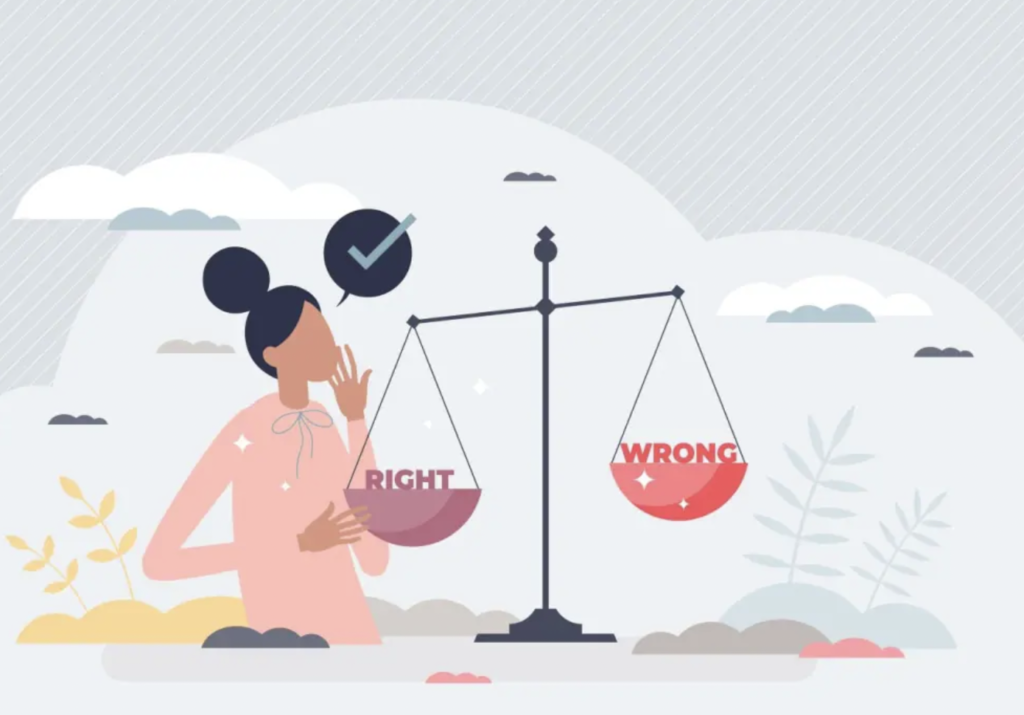
As more decisions get automated, one question keeps popping up: “Is this fair?”
Whether it’s hiring algorithms, credit scoring, or surveillance systems, people want to know if technology respects their rights and values. This is where ethical judgment steps in another of the 5 essential skills AI will never replace for Singapore professionals.
The ethical grey areas AI can’t navigate alone
AI optimises for objectives it’s given. If you tell it to maximise efficiency, it’ll do that even if it means cutting corners in ways humans might find uncomfortable.
Some tricky situations:
- Recruitment
An AI system might favour candidates from certain schools because past hires from there performed well. But this could disadvantage equally capable candidates from other backgrounds. - Customer profiling
A bank’s AI might flag certain demographic groups as higher credit risks, even if individuals are responsible. Is it acceptable to treat them differently? - Employee monitoring
AI tools can track staff activity to boost productivity. How much monitoring is too much? Where’s the line between management and intrusion?
AI can’t answer these questions because it doesn’t hold values. It doesn’t understand justice, dignity, or social harmony. Ethical judgment is central to the 5 essential skills AI will never replace for Singapore professionals because only humans can balance law, culture, and conscience.
Building your personal ethics compass as a professional
Ethical judgment isn’t about memorising rules; it’s about developing a moral compass you can rely on when rules are vague. You can use a simple three-part test:
- Legal: Is it within the law and company policy?
- Fair: Is it fair to everyone involved, especially those with less power?
- Transparent: Would I be comfortable if this decision appeared on the front page of a major Singapore news site?
If any answer is “no” or “I’m not sure,” slow down and seek more input.
You can also:
- Study your industry’s professional codes (for example, for accountants, engineers, or healthcare workers)
- Discuss ethical cases with colleagues over lunch or in team learning sessions
- Reflect after difficult decisions: “If I had to decide again, would I do the same?”
Ethics in action: Singapore case examples
Consider a few local-style scenarios:
- HR in a large local company
You’re asked to use an AI tool to shortlist CVs. You notice it keeps ranking foreign candidates lower, though they’re qualified. You raise the issue, investigate biases in the data, and propose adjustments to ensure fairer hiring. - Product manager at a fintech startup
Marketing suggests nudging users into taking larger loans through “one-click top-ups”. You highlight the risk of over-borrowing and insist on clearer warnings and budgeting tips within the app. - Operations manager in a logistics firm
A new scheduling AI reduces costs but forces drivers into unrealistic timetables, risking safety. You adjust business rules so it factors in rest times and traffic unpredictability.
In all these examples, the AI is powerful but humans provide the conscience. That’s why ethical judgment is firmly among the 5 essential skills AI will never replace for Singapore professionals.
Skill #4: Cross-Cultural Communication in Multiracial Singapore

Singapore is famously multicultural: Chinese, Malay, Indian, Eurasian, and many other communities live and work side by side. On top of that, thousands of professionals come from the region and beyond. Navigating this mix smoothly is another of the 5 essential skills AI will never replace for Singapore professionals.
Why culture-savvy communication beats any algorithm
Communication is more than words; it’s culture, history, and identity. AI translation and chat tools can help with language, but they don’t fully grasp:
- When to be direct and when to be subtle
- How hierarchy affects what can be said
- What counts as respectful or rude in different cultures
In a Singapore meeting room, you might have:
- A senior local manager who prefers modest, understated speech
- A younger colleague from overseas who’s more outspoken
- A regional stakeholder dialing in from another country with different norms again
Reading the room, choosing the right tone, and building rapport in this complex setting is very human work.
That’s why cross-cultural communication stands out among the 5 essential skills AI will never replace for Singapore professionals. It’s essential for:
- Leading diverse teams
- Negotiating with regional partners
- Serving customers from many backgrounds
- Avoiding misunderstandings that can quietly damage trust
Practical ways to improve cross-cultural communication skills
You don’t need to be an anthropologist. Small, consistent habits go a long way.
- Be curious, not judgmental
If a colleague behaves differently from what you expect, ask (respectfully) about their background rather than labelling it as “weird” or “wrong”. - Learn basic phrases and customs
Knowing how to say “thank you” or understanding major religious holidays shows respect. - Clarify, don’t assume
When instructions cross cultures, check understanding: “Just to be sure we’re aligned, can you share how you understood the plan?” - Watch non-verbal cues
Eye contact, silence, and body language have different meanings across cultures. In Singapore, silence can mean “I disagree but don’t want to confront you” just as easily as it means “I’m thinking.”
Navigating Singaporean style communication in the workplace
Local communication has its own flavour:
- Indirect disagreement
People may say, “Can, but maybe later,” or “We see some challenges,” instead of “No.” Learning to decode—and use—this style respectfully is vital. - Respect for hierarchy
Many still defer strongly to seniority. If you’re leading a meeting, you might need to encourage junior staff explicitly: “We really want to hear your view.” - Mix of Singlish and formal English
In informal chats, colleagues may slip into Singlish. Deciding when to keep it light and when to stay formal is part of cross-cultural intelligence.
AI doesn’t understand “lah,” “can or not,” or the subtle warmth in “ok, can.” But you do or you can learn. This blend of local nuance and international etiquette is one more reason cross-cultural communication belongs in the 5 essential skills AI will never replace for Singapore professionals.
Skill #5: Creative and Strategic Thinking for Long-Term Value
AI can generate endless variations of designs, copy, or code. Yet, it still struggles to answer big questions like:
- Where should our company be in five years?
- What new value can we create for Singapore and the region?
- How do we stand out from competitors using the same AI tools?
This is where creative and strategic thinking come in, rounding out the 5 essential skills AI will never replace for Singapore professionals.

How human creativity complements AI’s analytical power
AI is great at remixing existing ideas. It learns from past data. But true creativity often means:
- Challenging assumptions
- Connecting ideas from very different fields
- Imagining what doesn’t exist yet
Think about:
- A logistics company using AI data to design eco-friendly delivery routes and new green branding
- A hospital combining AI diagnostics with community outreach ideas to better serve elderly residents
- A local SME using AI to personalise offerings while creating a uniquely Singaporean customer experience
In each case, AI is a powerful assistant. But the original concept, the what if we tried this? moment, comes from humans.
Strategic thinking in an AI-augmented economy
Strategic thinking means looking beyond short-term wins. It asks:
- What trends are coming to Singapore and ASEAN in 3–10 years?
- How will regulations, technology, and demographics evolve?
- Where do we have an edge that AI can’t easily copy?
For example, you might:
- Position your firm as the most trusted, ethical user of AI in your industry
- Design roles that emphasise high-touch, personalised service supported by AI tools
- Target niche markets where local knowledge and relationships matter more than raw efficiency
Strategic thinking is especially important in leadership and management roles. AI can support strategy with data and forecasts, but only humans decide which future is worth pursuing.
Simple habits to strengthen your creative muscles
You don’t need to be an artistic person to think creatively. In fact, creativity is like a muscle you can train. Try these simple habits:
- Ask “why” and “what if” more often
When you see a process, don’t just accept it. Ask, “Why do we do it this way? What if we tried another approach?” - Collect ideas outside your field
Read about other industries, countries, or hobbies. Often, a solution from one area sparks innovation in another. - Use AI as a brainstorming partner
Let AI generate lists of possibilities. Then you pick, combine, and refine. You’re the director; AI is the assistant. - Schedule thinking time
Even 30 minutes a week to reflect on longer-term questions can sharpen your strategic instincts.
In a region where many companies will use similar AI tools, human creativity and strategy become key differentiators. That’s why creative and strategic thinking are core parts of the 5 essential skills AI will never replace for Singapore professionals.
Integrating AI with Human Skills: Augment, Don’t Compete

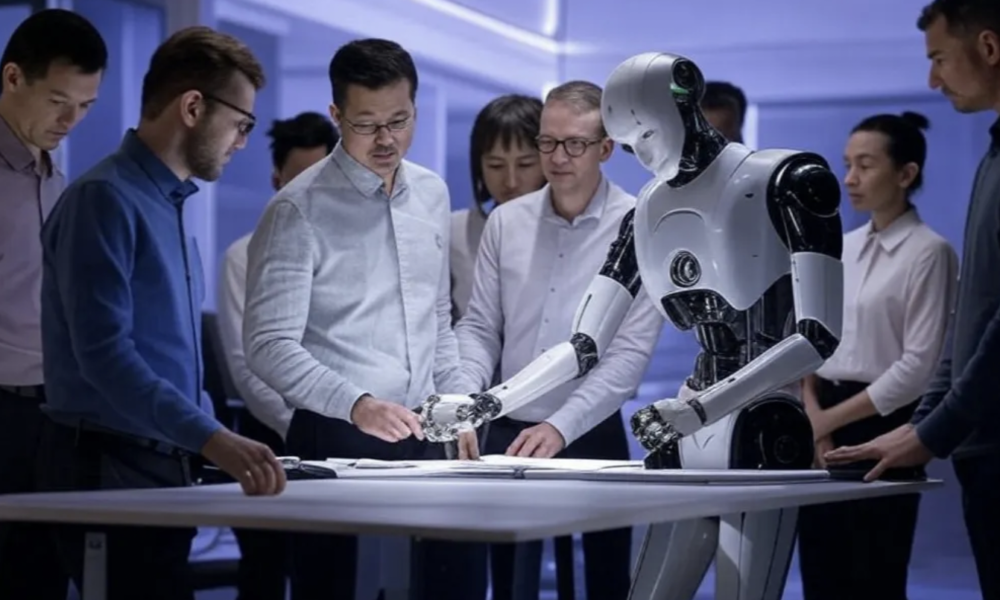
Once you recognise the 5 essential skills AI will never replace for Singapore professionals, the goal isn’t to reject AI. It’s to combine your human strengths with AI’s capabilities.
From fear to partnership: Working with AI tools
Instead of asking, “Will AI take my job?” flip the question:
How can AI take over the boring parts of my job so I can focus on higher-value human work?
Some examples:
- A lawyer uses AI to draft initial contract templates, then spends more time on client advisory and negotiation.
- A marketing executive uses AI analytics to understand customer behaviour, then focuses on creative campaign ideas.
- A teacher uses AI to mark basic quizzes, then invests extra time in mentoring students who struggle.
This mindset shift moves you from competition to collaboration. Your career becomes more future-proof because you’re not just doing what AI can do faster; you’re doing what AI cannot do at all.
Building your personal “human + AI” skills stack
Think of your skills in two layers:
- Human core – The 5 essential skills AI will never replace for Singapore professionals:
- Emotional intelligence
- Complex problem-solving
- Ethical judgment
- Cross-cultural communication
- Creative and strategic thinking
- AI fluency – Basic comfort with:
- Using AI tools (chatbots, data dashboards, automation software)
- Asking AI clear questions and checking its answers
- Understanding AI’s limits and when to override it
You don’t have to be a data scientist to understand and work confidently with AI.. You just need to be:
- Curious enough to try new tools
- Critical enough to question output
- Confident enough to make the final call
When you blend your human core with AI fluency, you become exactly the kind of professional Singapore employers want adaptable, thoughtful, and future-ready.
FAQs About AI and the Future of Work in Singapore
FAQ 1: Will AI really take away most jobs in Singapore?
AI will change most jobs, but it’s unlikely to remove most of them. Tasks within jobs will shift: routine, repetitive activities will be automated, while roles that rely on the 5 essential skills AI will never replace for Singapore professionals like emotional intelligence and ethical judgment will grow in importance. Some roles may disappear, but new ones will also emerge in AI management, oversight, and human-centred services.
FAQ 2: Which industries in Singapore are safest from AI disruption?
No industry is completely “safe,” but sectors that depend heavily on human interaction and judgment are more resilient. These include:
- Healthcare and social services
- Education and training
- Leadership and management roles across industries
- Creative industries, branding, and certain areas of marketing
- Complex B2B sales and relationship management
In all of these, the 5 essential skills AI will never replace for Singapore professionals are central to daily work.
FAQ 3: How can mid-career professionals stay relevant?
Mid-career professionals should focus on two areas:
- Strengthening the 5 essential skills AI will never replace for Singapore professionals especially leadership, communication, and complex problem-solving.
- Gaining AI fluency: learning to use AI tools relevant to their field (for example, CRM analytics in sales, or AI-assisted design in creative roles).
You can start small: take short online courses, attend employer-sponsored training, or join community learning sessions. The key is to show you’re adaptable and open to change.
FAQ 4: Do I need to learn coding or data science to work with AI?
Not necessarily. For most roles, you don’t need to code. What you need is:
- A simple grasp of both the abilities and limitations of AI
- Comfort using AI-powered software in your daily work
- The ability to ask good questions and interpret AI-driven insights
If you’re excited by tech, learning coding can open more doors. But even without it, your focus should be combining AI tools with the 5 essential skills AI will never replace for Singapore professionals.
FAQ 5: How can fresh graduates prepare for an AI-heavy job market?
Fresh graduates in Singapore can:
- Build a strong foundation in the 5 essential skills AI will never replace for Singapore professionals through internships, group projects, and co-curricular activities
- Learn to use AI tools for research, writing, data analysis, or design
- Seek mentors in their desired industry to understand how AI is changing work
- Choose modules or short courses that cover digital literacy, data basics, and innovation
Employers will look not only at grades but also at how you collaborate, communicate, and adapt.
FAQ 6: What government support exists in Singapore for upskilling?
Singapore offers multiple support schemes, including:
- SkillsFuture Credit for individual learning
- Mid-Career Enhanced Subsidy for those above a certain age
- Company training grants to encourage employers to upskill staff
Many of these programmes include courses on AI, data analytics, and soft skills. They’re a practical way to strengthen both your technical and human capabilities, especially around the 5 essential skills AI will never replace for Singapore professionals.
Conclusion: Future-Proofing Your Career with Skills AI Will Never Replace
AI is transforming Singapore’s economy, but it’s not the whole story. Beneath every algorithm, there are humans:
- Deciding what problems to solve
- Choosing what values to uphold
- Communicating across cultures
- Comforting clients and colleagues
- Imagining new futures for businesses and communities
That’s why the 5 essential skills AI will never replace for Singapore professionals are so powerful:
- Emotional intelligence
- Complex problem-solving
- Ethical judgment
- Cross-cultural communication
- Creative and strategic thinking
These are the skills that keep work human. They turn you from a task-doer into a trusted professional, leader, and partner someone AI can support, but never truly replace.
The path forward isn’t to fight AI, nor to fear it. It’s to embrace AI as a tool while doubling down on what makes you uniquely human. If you keep learning, stay curious, and intentionally grow these five capabilities, you’ll not only stay relevant in Singapore’s AI-driven future you’ll help shape it.
Read More on Sgtrends