The visual language of fashion has always been about aspiration and storytelling. In 2026, that language is being rewritten by AI fashion technology. We have moved beyond the experimental phase where AI was a niche curiosity; it has now become the core engine driving creative direction for global fashion houses and boutique labels alike. From the way mood boards are conceptualized to the final delivery of hyper personalized ad creatives, artificial intelligence is enabling a level of agility and inclusivity that was previously impossible.
Modern campaigns are no longer static one-size-fits-all productions. Instead, they are dynamic ecosystems that adapt to the viewer in real time. By leveraging AI fashion technology, brands are slashing production costs by up to 90 percent while simultaneously doubling engagement rates. Let us explore the specific ways this technology is reshaping the narrative of modern fashion marketing.
The Rise of Virtual Photoshoots and Digital Models
Traditional photoshoots are notoriously logistical nightmares involving international travel, equipment shipping, and extensive studio setups. In 2026, the virtual photoshoot has emerged as a sustainable and cost-effective alternative.
- Digital Twins and AI Models: Brands like H&M and Prada are now utilizing digital twins of real-life models or entirely AI-generated personas. These virtual entities never age, never experience fatigue, and can be customized to any skin tone, body type, or pose instantly.
- Environmental Versatility: With AI background synthesis, a winter collection can be “shot” in a photorealistic Swiss Alp setting without a single flight being booked. This reduces a brand’s carbon footprint while allowing for creative exploration of exotic or surreal locations that would be physically inaccessible.
- Rapid Iteration: In a traditional setting, changing the lighting or the background requires a complete reshoot. With AI-driven visual modeling, these elements can be tweaked in seconds during the post-production phase, allowing for hundreds of variations from a single product sketch.
Hyper-Personalization: The End of General Campaigns
One of the most powerful applications of AI in 2026 is Dynamic Creative Optimization. The fashion campaign of the future does not look the same to every person who sees it.
Imagine a social media ad for a new jacket. If the viewer is a Gen Z consumer in Seoul, the AI can automatically adjust the model’s styling to reflect local techwear trends and place them in a neon-lit urban background. If the viewer is a professional in London, the same jacket might be shown on a different model in a minimalist, daylight office setting. This level of granular targeting ensures that the brand’s DNA remains consistent while the specific visual delivery resonates deeply with the individual’s cultural and aesthetic context.
Comparison: Traditional Campaign vs. AI-Driven Campaign (2026)
| Feature | Traditional Fashion Campaign | AI-Powered Fashion Campaign |
| Production Timeline | 6 to 8 Weeks | 3 to 4 Days |
| Cost Efficiency | High Overhead (Travel, Talent) | 90% Cost Reduction |
| Diversity & Inclusivity | Limited by Talent Casting | Unlimited Global Representation |
| Sustainability | High Carbon Footprint | Near-Zero Travel Emissions |
| Consumer Relevance | Broad Appeal (Static) | Hyper-Personalized (Adaptive) |
Predictive Creative Direction and Trend Analysis
Before a camera is even turned on or a prompt is written, AI fashion technology is already hard at work. In 2026, creative directors are using AI to scan billions of data points from TikTok, Instagram, and global runway shows to identify emerging micro trends before they hit the mainstream.
- Sentiment-Driven Mood Boards: AI algorithms can analyze the emotional resonance of specific color palettes or silhouettes. If data shows a rising preference for “Vanilla Yellow” or “Romantic Fabrics” in the US market, the AI generates mood boards that align with these exact consumer cravings.
- Performance Simulation: Brands can now use AI to simulate how a campaign will perform before it is launched. By analyzing past engagement data and current visual trends, the system can predict which images will generate the most clicks and which might be ignored.
- Inventory Alignment: Marketing is now directly synced with the supply chain. If the AI detects a sudden surge in demand for lace skirts, it can automatically trigger the creation of new ad creatives featuring those specific items, ensuring the marketing push matches real time stock availability.
Inclusive Representation Through Algorithmic Diversity
The fashion industry has faced long-standing criticism for its lack of diversity. AI technology is providing a bridge to a more inclusive future. Virtual models can be programmed to represent every ethnicity, age group, and body type with photorealistic precision.
In 2026, this is not just about ethics; it is about smart business. When customers see themselves reflected in the clothing they are browsing, conversion rates skyrocket. AI-powered virtual try-on solutions allow shoppers to upload a selfie and see exactly how a garment will drape over their specific frame, reducing returns and building long-term brand loyalty. This technology celebrates underrepresented groups by making diverse representation a standard feature of every digital showroom rather than a one-time “diversity campaign.”
Real-Time Video and Immersive Storytelling
The shift from static images to video content has accelerated in 2026. Generative AI tools like Runway and Sora have enabled fashion brands to create high end cinematic films for a fraction of the usual cost.
- Runway Simulations: AI can now predict and render how different fabrics like silk or heavy denim move in a virtual wind, creating lifelike video content without a physical garment ever being sewn.
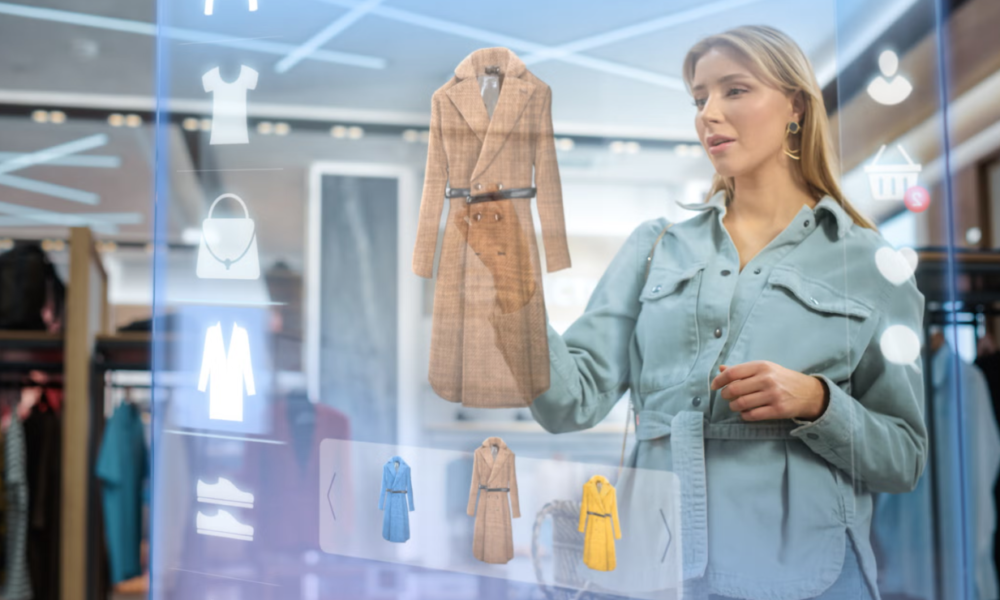
- AR Mirrors and Mixed Reality: High-street retailers are integrating AI into smart mirrors. A customer can stand in front of a mirror and see themselves wearing different outfits from the latest campaign without physically changing.
- Gamified Fashion: Brands like Tommy Hilfiger are blending fashion campaigns with mobile gaming. Consumers can style 3D avatars in realistic outfits and compete in creative challenges, turning the campaign from a passive viewing experience into an interactive brand world.
Conclusion
The revolution brought about by AI fashion technology is fundamentally democratic. It allows small, independent designers to produce high-gloss, world-class campaigns that can compete with the budgets of luxury giants. For the giants, it offers a way to be more sustainable, more inclusive, and more responsive to the lightning-fast shifts in modern culture.
As we look toward the later half of the decade, the distinction between “real” and “virtual” fashion will continue to blur. However, the goal of the fashion campaign remains unchanged: to inspire and connect. By using data to inform creativity and AI to scale empathy, the fashion industry is ensuring that its stories are more relevant and more beautiful than ever before.