
Digital Marketing
How Data Science Is Reshaping Modern Marketing Strategy


The marketing landscape of 2026 bears little resemblance to the broad strokes of the past. For years, marketing was often viewed as a creative endeavor supported by occasional spreadsheets. Today, the relationship has inverted. Creativity remains the soul of a brand, but data science has become its central nervous system. As we navigate a world where consumer attention is fragmented across generative search engines, social commerce, and private messaging apps, the ability to decode complex patterns has become the ultimate competitive advantage.
Modern strategies are no longer built on gut feelings or historical assumptions. Instead, businesses are leveraging Data Science Trends to build predictive, adaptive, and deeply personal connections with their audiences. From the rise of agentic AI to the shift toward privacy-first measurement, let us examine how data science is fundamentally rebuilding the marketing playbook.
The Transition to Evidence-Based Marketing
The most profound shift in recent years is the move from intuition to evidence. In traditional models, a Chief Marketing Officer might approve a multi-million dollar campaign based on a compelling narrative and a few focus groups. In 2026, every creative hypothesis is validated by data before a single dollar is spent on media buying.
Data scientists now use advanced cluster analysis to identify micro-segments that were previously invisible. Rather than targeting “millennial parents,” brands can now identify “eco-conscious urban parents who prioritize evening wellness routines and show high affinity for sustainable home automation.” This level of granularity ensures that marketing spend is focused on the audiences most likely to convert, significantly improving the return on investment.
Hyper-Personalization and the Power of Predictive Analytics
We have moved beyond the era of simple personalization where a customer’s name is inserted into an email. Today, the goal is hyper personalization at scale. By utilizing machine learning models, brands can predict a customer’s next move before the customer even makes it.
- Next-Best-Action Modeling: AI systems analyze real-time behavior to determine whether a user needs a discount code, a helpful tutorial, or a direct link to a customer service agent.
- Predictive Churn Management: Data science models can identify “at risk” customers by detecting subtle changes in their interaction frequency, allowing brands to intervene with loyalty rewards before the customer leaves.
- Dynamic Creative Optimization: Ad platforms now use data to assemble visual elements and copy in real-time, ensuring that the specific version of an ad seen by a user is perfectly tailored to their aesthetic preferences and current intent.
2026 Marketing Strategy Benchmark: Data Integration
| Strategic Pillar | Traditional Approach | Data-Driven Approach (2026) |
| Audience Definition | Demographics (Age, Location) | Psychographics & Intent Signals |
| Content Strategy | Volume-Based (Post Daily) | Value-Based (AI-Optimized Relevance) |
| Budget Allocation | Historical Spend Patterns | Marketing Mix Modeling (MMM) |
| Attribution | Last-Click (Who got the final tap) | Incremental Lift & Causal Inference |
| Customer Feedback | Surveys & Focus Groups | Real-Time Sentiment Analysis |
Measurement Reborn: Causal Inference and MMM
The death of the third-party cookie was once seen as an apocalypse for digital marketers. However, it has led to a more sophisticated era of measurement. With tracking becoming more restricted, the industry has turned back to Data Science Trends such as Marketing Mix Modeling (MMM) and Causal Inference.
Causal inference goes beyond simple correlation. It doesn’t just ask if sales went up after an ad ran; it uses statistical “test and control” groups to prove that the ad caused the increase. This allows brands to understand the true “incremental” value of their marketing channels. Meanwhile, modern MMM uses Bayesian statistics to analyze how various factors, including weather, economic shifts, and competitor pricing interact with marketing spend to drive revenue. This high-level view helps leaders allocate budgets across channels with unprecedented confidence.
The Rise of Agentic AI in Marketing Operations
As we move through 2026, we are seeing the emergence of “Agentic AI.” Unlike simple chatbots that respond to prompts, these agents can act autonomously to achieve a business goal. A marketing data agent can monitor campaign performance 24/7, identify a drop in conversion rates on a specific landing page, and automatically shift the ad budget to a more profitable segment while alerting the creative team to update the visuals.
This shift allows human marketers to move away from the “manual labor” of data entry and reporting. Instead, they act as the strategic directors of an autonomous engine. The focus has shifted from how to execute a campaign to why a specific strategy should be pursued.
Privacy as a Strategic Asset
In the current regulatory environment, data privacy is no longer just a legal hurdle; it is a brand trust signal. Leading organizations are using data science to implement Privacy-Enhancing Technologies (PETs).
- Zero-Party Data Collection: Brands are creating interactive experiences—quizzes, polls, and preference centers, where users willingly share their data in exchange for immediate value.
- Clean Rooms: These are secure environments where multiple companies (like a retailer and a brand) can combine their data to find insights without ever seeing each other’s raw customer information.
- Differential Privacy: This mathematical technique allows data scientists to extract useful patterns from a dataset while ensuring that no individual user’s identity can be reverse-engineered.
Generative Engine Optimization (GEO)
Search Engine Optimization has evolved into Generative Engine Optimization. Since consumers are increasingly using AI tools like ChatGPT, Gemini, and Perplexity to find information, data science is used to ensure a brand is cited by these models. This involves analyzing the “authority signals” that AI models look for—such as structured data, FAQ sections, and verifiable citations across trusted third-party sites. Marketers who understand the underlying data structures of Large Language Models (LLMs) are the ones who will remain visible in the “answer-first” world of 2026.
Conclusion
Data science has moved from the back office to the boardroom. It is the filter through which every modern marketing decision must pass. By embracing Data Science Trends, brands are finding that they can be more human, not less. When you use data to remove friction, predict needs, and respect privacy, you are not just optimizing a funnel you are building a relationship.
As we look toward the remainder of the decade, the winners will not be the companies with the biggest budgets, but those with the cleanest data and the most insightful models. The future of marketing is scientific, and the experiment has only just begun.


Introduction: Why Organic Growth Matters in 2026
In 2026, organic growth in Singapore has become more than just a marketing goal, it’s a survival strategy. With increasing advertising costs and algorithmic competition, Singaporean businesses are rediscovering the value of authentic, sustainable visibility.
Organic growth doesn’t rely on paid ads. Instead, it’s about earning trust, nurturing relationships, and providing consistent value. This guide explores proven organic growth strategies specially refined for Singapore’s evolving market, from localized SEO to consumer-driven storytelling. The focus keyword, organic growth in Singapore, stands at the heart of every tactic described here.
Read our in depth guide on How to Grow on Social Media Organically Smart Strategies That Actually Work to discover actionable ways to boost your online presence without spending a dollar on ads.
Understanding the Singapore Digital Landscape
Trends Shaping Singapore’s Online Economy
Singapore’s digital transformation has accelerated tremendously. With near-total smartphone adoption and 95% internet penetration, citizens expect seamless, personalized experiences. Businesses that adapt agilely to digital shifts enjoy competitive advantages that outlast algorithm updates.
Key Consumer Behavior Insights
Singaporeans are value-driven, tech-savvy, and socially conscious. They appreciate transparency and prefer local relevance in communication. Brands that speak their language literally and culturally witness higher engagement and retention. Understanding this behavior sets the foundation for all effective organic marketing.
Building a Strong Brand Foundation

Defining Your Brand Voice and Positioning
Your brand voice defines how audiences perceive your business. Singapore’s multicultural environment rewards clarity, humility, and inclusion. Companies that articulate purpose beyond profit form deeper connections.
Storytelling for Singapore Audiences
Storytelling isn’t just entertainment; it’s emotional architecture. A compelling narrative transforms your brand from a commodity into a community. Use local touchpoints such as familiar experiences in hawker centres or MRT commutes to enhance relatability and authenticity.
SEO Mastery for Organic Dominance
Local SEO Strategies
In Singapore, “near me” searches have surged. Businesses optimizing for local intent—using structured data, localized keywords like “organic growth in Singapore,” and accurate Google Business profiles—achieve stronger visibility and walk-in traffic.
High-Authority Backlink Building
Quality backlinks remain crucial. Focus on reputable Singaporean directories, government-linked portals, and educational collaborations. Each trusted mention boosts your site’s credibility and organic presence.
Optimizing for Voice Search and AI Tools
By 2026, voice and AI searches are commonplace. Optimize for conversational FAQs (“What’s the best organic marketing strategy in Singapore?”) and semantic richness. Structured content wins in AI-generated answer summaries.
Engaging Content Marketing Strategies
Evergreen Content Planning
Evergreen content drives consistent traffic. Think of topics that stay relevant e.g., Singapore SME growth strategies, sustainable business practices, and digital transformation tips. Publish regularly and refresh content to maintain authority.
Visual and Video Content Optimization
Short-form videos dominate platforms like TikTok and Instagram Reels. However, YouTube remains a hub for long-form insights. Always caption videos, use localized hashtags, and embed authentic behind-the-scenes footage to increase engagement.
A good rule of thumb: visual honesty beats visual perfection.
Leveraging Social Media for Organic Reach
Platform-Specific Tactics (Facebook, LinkedIn, TikTok)
Each platform serves distinct audiences. Facebook thrives on community, LinkedIn on thought leadership, and TikTok on creativity. The secret is tailoring tone and timing to match the user mindset. Post during lunch hours and evenings Singaporeans often browse then.
Community-Driven Engagement
Organic growth lives in relationships. Replying to comments, acknowledging user-generated content, and even spotlighting customer stories create loyalty loops that outperform paid promotions.
Data and Analytics as Growth Enablers
Tools for Measuring Organic Success
Analytics reveal what’s working. Google Analytics 4, SEMrush, and Ahrefs offer in-depth visibility into ranking progress. Monitor metrics like Average Session Duration and Organic Conversion Rate. The goal? Continuous improvement.
Adapting Strategies Through Insights
Metrics without action are meaningless. If certain pages underperform, refine them with updated keywords, stronger CTAs, or local examples. Agile iteration ensures your growth compounding effect stays strong.
Future-Proofing Your Growth Strategy

Emerging Technologies and Personalization
AI-driven personalization and predictive analytics redefine how Singaporean brands interact with consumers. Businesses using machine learning to anticipate preferences will stay ahead in the competitive organic space.
Sustainability and Authentic Branding
Consumers now judge not only what you sell but how you operate. Ethical sourcing, eco-conscious initiatives, and transparent supply chains amplify brand credibility and drive repeat organic traffic. Authenticity consistently outperforms over-polished marketing.
Social media marketing is the process of using social platforms to promote products and services, as explained in detail on Wikipedia and it plays a key role in building organic growth strategies in Singapore.
FAQs
1. What does organic growth in Singapore mean?
It refers to sustainable, non-paid business expansion driven by SEO, content marketing, and social engagement without relying heavily on advertisements.
2. How long does it take to see organic results?
Typically, 3 to 6 months. However, results accelerate with continuous optimization and quality content consistency.
3. Does local SEO really make a difference?
Absolutely. In Singapore, “near me” searches have become typical, making local optimization crucial for small and medium enterprises.
4. What type of content works best?
Educational, authentic, and localized content complemented by visuals and storytelling performs best across Singapore audiences.
5. Should startups focus on organic growth early?
Yes. Building organic equity early ensures brand resilience against unpredictable ad costs.
6. How do I measure organic growth effectively?
Use web analytics tools to monitor traffic sources, keyword rankings, and conversion trends tied to unpaid channels.
Conclusion: Building Long-Term Organic Success
Organic growth in Singapore isn’t a one-time project it’s a persistent philosophy. Combine data-driven SEO, localized storytelling, consistent engagement, and sustainable practices. Businesses that prioritize organic visibility in 2026 will not only achieve better ROI but also earn enduring customer trust.
By embracing authenticity, businesses can thrive without constant ad spend. In Singapore’s increasingly competitive market, staying genuine, adaptive, and customer-focused is the ultimate “algorithm hack.”

Understanding Faceless Instagram Brands for Singapore SMEs
What Exactly Is a Faceless Instagram Brand?
A faceless Instagram brand is an account that never shows a person’s face yet still builds trust, engagement, and sales. Instead of selfies or founder photos, it uses:
- Product shots
- Graphics and quotes
- Short videos with text overlays
- Screenshots, memes, and diagrams
- Customer results and testimonials
For Singapore SMEs, a faceless Instagram brand can represent a shop, a clinic, a tuition centre, a SaaS tool, or even a B2B service without tying everything to one person’s image.
This approach helps you:
- Protect the owner’s privacy
- Avoid over‑relying on any single staff member
- Build an asset you can sell or hand over later
- Keep the focus on the business value, not the founder’s lifestyle
When done right, a faceless Instagram brand still feels “human” and relatable, even though no one’s face appears on screen.
Discover proven organic growth tactics in our post: How to Grow on Social Media Organically: Smart Strategies That Actually Work—check out the section on Smart Strategies That Actually Work.
Why Faceless Accounts Are Growing Fast in Singapore and Beyond
In Singapore, many SME owners are busy, introverted, or simply not keen to be on camera. At the same time, customers are on Instagram every day looking for:
- Food and F&B promos
- Beauty, wellness, and medical services
- Home services and renovation ideas
- Tuition, enrichment, and courses
- Finance, insurance, and legal help
Faceless Instagram brands fill this gap. They’re fast to produce, easier to delegate, and can be scaled without constant filming.
Global trends also support this:
- Short‑form “TikTok‑style” videos can work with only text, stock clips, or product shots.
- Memes and quote graphics often outperform traditional posed photos.
- Many successful “theme pages” and “niche pages” on Instagram make big revenue without any personal branding.
For Singapore SMEs, that means you can use faceless Instagram brands to get leads and sales without becoming an influencer yourself.
Why Faceless Instagram Works for Getting Leads and Sales in Singapore

Psychological Triggers: Curiosity, Consistency, and Comfort
Faceless Instagram brands use simple but powerful psychological triggers:
- Curiosity – When followers don’t see a person, they often focus more on the message, offer, or result. That can make them more likely to read the caption, save the post, or click the link in bio.
- Consistency – It’s easier to batch‑create 20 text‑based Reels than to arrange 20 on‑camera shoots. This consistency trains the Instagram algorithm to show your content to more Singapore users.
- Comfort – Some audiences actually prefer not to see faces, especially for sensitive niches like debt help, medical conditions, or personal finance. A clean, faceless design feels less “in your face” and more comfortable.
Because of these triggers, a faceless Instagram brand can quietly guide people from awareness to interest and, finally, to enquiry and purchase.
Business Benefits for Resource‑Strapped Singapore SMEs
For many small businesses in Singapore, time and manpower are tight. A faceless Instagram approach offers several practical benefits:
- Lower production cost – No need for constant photoshoots or video crews.
- Easy delegation – Staff or freelancers can manage content without needing the boss present.
- Scalable system – You can turn your Instagram into a process, not a personality.
- Easier A/B testing – Text and graphic posts are simple to duplicate and tweak for experiments.
This lets you focus on what matters most: using Instagram as a channel to get leads and sales, not as a full‑time media job.
Laying the Strategic Foundation for Your Faceless Instagram Brand
Defining Clear Business Goals and KPIs
Before posting anything, you need to decide how your faceless Instagram brand will support your SME.
Common goals for Singapore businesses include:
- Getting more WhatsApp or Telegram enquiries
- Driving bookings for consultations or appointments
- Growing an email list for future launches
- Increasing awareness in one local area (e.g., Ang Mo Kio, Jurong, Bedok)
Set simple, trackable KPIs such as:
- Number of profile visits per week
- Link clicks and WhatsApp taps
- DM enquiries and booked calls
- Actual closed sales per month from Instagram
Then, align your content and CTAs to those goals. Remember: you’re not on Instagram for fun—you’re there to get leads and sales.
Choosing the Right Niche and Angle for the Singapore Market
Next, you’ll want a clear niche and message that fits Singapore’s context.
Consider:
- Local pain points – For example, limited time, small living spaces, high education pressure, and rising costs.
- Cultural preferences – Direct, practical tips and clear pricing usually work better than vague hype.
- Language mix – Many brands use a mix of English with light Singlish slang in captions to sound natural.
Examples of niche + angle combinations:
- “No‑face” account for a Bukit Timah tuition centre focusing on PSLE tips and success stories.
- Faceless brand for a Tampines home‑cleaning company showing before‑and‑after shots and time‑saving hacks.
- B2B service in Singapore posting short carousel explainers on GST, grants, or digital marketing.
The sharper your angle, the easier it is for your ideal customer to think: “This account is for people like me.”
Building a Strong Faceless Brand Identity on Instagram

Crafting a Visual Style Without Showing Your Face
Even without faces, your Instagram grid should look like it belongs to one clear brand.
Focus on:
- Colour palette – 2–3 main colours that match your logo and website.
- Typography – 1–2 fonts that are easy to read on mobile screens.
- Post formats – Reusable templates for Reels, quotes, carousels, and testimonials.
Faceless visuals you can use:
- Product close‑ups
- Hands‑only shots (packing orders, preparing food, writing plans)
- Flat lays of tools, ingredients, or documents
- Screenshots of results (blur sensitive info)
- Simple charts and diagrams
With a consistent style, your followers will recognise your posts immediately in their feed—even without seeing your face.
Developing a Brand Voice That Still Feels Human
A faceless Instagram brand still needs a clear voice. Decide:
- Are you formal, friendly, or cheeky?
- Do you speak like a consultant, a coach, or a helpful neighbour?
- Do you use light Singlish or keep it fully formal English?
For Singapore SMEs, a balanced approach works well:
- Use simple, respectful English.
- Add local touches occasionally (“kiasu”, “kopi money”, “paiseh”, etc.).
- Be clear, honest, and specific about offers and results.
Example caption style for a faceless brand:
“Most SMEs in Singapore struggle with Instagram because they don’t have time to create content every day. Here’s a 15‑minute system to plan 30 posts without showing your face…”
This voice is practical, calm, and helpful—exactly what customers look for when deciding where to spend their money.
Content Strategies That Turn Singapore Followers into Leads and Sales

Content Pillars for Different Types of Singapore SMEs
To keep your faceless Instagram brand focused, build 3–5 content pillars. These are themes you post about repeatedly.
Examples for common Singapore SMEs:
- F&B Café
- Behind‑the‑scenes (hands‑only prep, baking, brewing)
- Menu highlights and promos
- UGC: tagged stories, reviews, and reposts
- Educational: “how to reheat”, “how we source beans”
- Tuition Centre
- Study tips and checklists
- Exam‑style question breakdowns
- Parent FAQs about school stress
- Testimonials and score improvements
- B2B Service (e.g., accounting, digital marketing)
- Short educational explainers
- Case studies and results (blur client names if needed)
- Common mistakes Singapore SMEs make
- Clear offers and booking CTAs
Rotate these pillars so your feed is useful, credible, and never feels like pure advertising.
Using Storytelling, Hooks, and CTAs to Drive Action
Even without a face, great content still needs:
- Hooks – First line that stops the scroll.
- Story or value – What happened, or what you’re teaching.
- CTA – What you want the reader to do next.
Sample hooks for a Singapore audience:
- “3 mistakes Singapore SMEs make on Instagram that cost them leads and sales…”
- “YYou can attract paying customers on Instagram without ever putting your face on camera. Here’s how we did it for a local brand…
- Running an SME in Singapore but feel like no one sees you on Instagram? This is for you.
Simple CTAs you can use often:
- “Comment ‘guide’ and we’ll DM you the checklist.”
- Hit the link in our bio to schedule a complimentary 15‑minute consultation.
- Bookmark this post now, so it’s on hand when you launch your next campaign.
This structure is what turns your faceless Instagram account into an engine for real leads and sales.
Step‑by‑Step: Setting Up and Optimising Your Faceless Instagram Account

Profile, Bio, and Link Setup for Lead Generation
Your profile is your digital shopfront. For a faceless Instagram brand that targets Singapore customers:
- Username and name field
- Include your service and “Singapore” or your area if relevant, e.g., @cleanhome.sg or “Tuition Centre | Singapore”.
- Profile picture
- Use a clear logo or bold lettermark, not a random stock photo.
- Bio – Use a simple, benefit‑driven formula:
- Who you help
- What problem you solve
- How to take the next step
- Example:
“We help Singapore SMEs use faceless Instagram brands to get leads and sales.
Get a free 15‑min audit 👇” - Link in bio
- Use a single focused link (or a link‑in‑bio tool) that leads to:
- WhatsApp chat
- Booking page
- Funnel landing page
- Use a single focused link (or a link‑in‑bio tool) that leads to:
Optimise the profile regularly based on what’s generating the most enquiries.
Hashtags, Geotags, and Posting Schedules for Singapore Audiences
To reach the right people in Singapore:
- Hashtags
- MCombine a blend of high‑reach and highly specific hashtags, such as #singaporesme, #sgbusiness, #sgcafe, and #sgtuition.
- Add a few problem‑based tags like #socialmediamarketing, #leadgeneration.
- Geotags
- If you’re location‑based, tag your neighbourhood and nearby MRT stations.
- Posting schedule
- Start with 4–5 posts per week and 2–3 Reels.
- Post during commute or lunch hours when many Singapore users are online.
Track reach, saves, and enquiries. Over time, focus on formats and times that actually bring in more leads and sales.
Turning Instagram Attention into Qualified Leads and Real Sales
Lead Magnets, Landing Pages, and WhatsApp Funnels
A faceless Instagram brand is most powerful when you guide people off the platform into your funnel.
Options that work well in Singapore:
- Lead magnets
- PDF checklists (e.g., “10‑step IG checklist for Singapore SMEs”).
- Mini video classes hosted on your website.
- Templates and scripts.
- Landing pages
- Simple pages that explain your offer and let people:
- Book a call
- Join a waitlist
- Request a quote
- Simple pages that explain your offer and let people:
- WhatsApp funnels
- Many Singapore customers feel more comfortable messaging directly.
- Use a “Tap to WhatsApp” link with a pre‑filled message like, “Hi, I’m interested in your Instagram leads and sales package.”
Each content piece should nudge people toward one of these paths.
Using DMs, Comments, and Automation Carefully and Ethically
DMs and comments are where warm leads show up. For a faceless Instagram brand:
- Reply within a few hours where possible.
- Use saved replies to answer common questions quickly.
- Ask simple qualifying questions: budget, timeline, and goals.
You can also use basic automation tools, but keep it ethical:
- Don’t spam people who didn’t ask for info.
- Be transparent if you’re using a chatbot.
- Stop automation when a human starts replying.
Respect and clarity will build more long‑term trust than any short‑term trick.
Smart Use of Instagram Ads for Faceless Brands in Singapore

When to Start Running Ads (and When Not To)
You don’t need ads on day one. For a Singapore SME:
- First: Prove that your faceless Instagram content works organically.
- Then: Use ads to push your best‑performing posts or lead magnets.
Avoid running ads if:
- Your offer is unclear or untested.
- Your profile doesn’t explain what you do.
- You can’t handle more enquiries yet.
Start when you’ve already seen some leads and sales come in from organic posts.
Proven Ad Formats That Work Well Without a Face
Faceless Instagram ads that tend to perform well:
- Carousel ads – Educational tips or step‑by‑step breakdowns ending with a CTA.
- Short Reels – 10–20 seconds of text‑based tips with a strong hook and CTA.
- Testimonial graphics – Before/after results or short quotes from customers.
Target options for Singapore:
- Location: Singapore only
- Interests: business, entrepreneurship, marketing (for B2B); food, beauty, parenting, etc. (for B2C)
- Lookalike audiences based on your warm traffic or email list
Always track cost per lead and cost per sale, not just likes or follows.
Tools, Workflows, and Outsourcing Options for Busy SME Owners

Free and Low‑Cost Tools to Design, Schedule, and Track
A faceless Instagram brand works best with simple systems:
- Design: Canva, Figma
- Scheduling: Meta Business Suite (free), Buffer, Later
- Analytics: Instagram Insights, Google Analytics for clicks and conversions
- Link in bio: Linktree, Beacons, or your own website page
Set up a basic weekly workflow:
- Plan 1–2 weeks of content around your pillars.
- Batch‑design graphics and scripts in Canva.
- Schedule posts and Reels in advance.
- Check DMs and comments daily.
- Review results every week and refine.
Working with Agencies and Freelancers in Singapore
If you’re too busy, you can outsource parts of the process:
- Content design and caption writing
- Scheduling and basic community management
- Ad setup and optimisation
When choosing a partner:
- Ask for case studies with real leads and sales, not just follower growth.
- Check their understanding of Singapore’s market and regulations.
- Be clear that your main goal is to use faceless Instagram brands to get leads and sales, not just “brand awareness”.
Compliance, Trust, and Brand Safety for Singapore Businesses

PDPA, Transparency, and Ethical Marketing Practices
Singapore’s PDPA (Personal Data Protection Act) affects how you collect and use customer data:
- Get consent before adding people to email or WhatsApp lists.
- Be clear about how you’ll use their data.
- Store data securely and only as long as needed.
On Instagram:
- Avoid misleading claims or “guaranteed” results without proof.
- Disclose sponsored collaborations or paid partnerships.
- For regulated industries (finance, medical, legal), ensure posts follow MAS, MOH, or relevant guidelines.
This builds trust and protects your SME from legal issues.
Building Social Proof Without Personal Influencers
You can still build strong social proof with a faceless Instagram brand:
- Screenshot positive Google reviews or messages (with permission; blur names if needed).
- Share short case studies: starting point, what you did, and outcome.
- Post “number‑based” proof like “Over 200 SMEs helped in Singapore”.
Over time, this makes your brand look reliable, even if no single “face” represents it.
Common Mistakes Singapore SMEs Make with Faceless Instagram Brands

Vanity Metrics, Inconsistent Branding, and Weak Offers
Common issues that stop SMEs from getting leads and sales:
- Chasing followers only – Big numbers don’t matter if no one enquires.
- Random content – Posting trending sounds with no link to your offer.
- Weak or missing CTAs – You never ask people to DM, click, or book.
- Inconsistent look and voice – Every post feels like a different brand.
Recognise these problems early so you don’t waste months posting with no real results.
How to Fix a Faceless Account That’s Not Converting
If your current faceless Instagram brand isn’t working:
- Audit your profile – Is your offer and next step clear within 5 seconds?
- Review past posts – Which ones led to real enquiries? Double down on those styles.
- Improve your funnel – Maybe the issue is your landing page, not Instagram itself.
- Clarify your niche – Make your content speak to one clear type of Singapore customer.
Within a few weeks of focused changes, you should start seeing more meaningful leads and sales.
Check out our post Proven Ways to Skyrocket Your Instagram Engagement in 2026 for more powerful engagement tactics you can start using today.
FAQs About Faceless Instagram Brands for Singapore SMEs
1. Can a faceless Instagram brand really get leads and sales in Singapore?
Yes. Many Singapore SMEs in F&B, services, tuition, and B2B already use faceless Instagram brands to get leads and sales. The key is a clear offer, strong content pillars, and a simple path from post to enquiry.
2. Is a faceless Instagram brand better than a personal brand?
It depends on your goals. A personal brand can feel very strong but also ties everything to one person. A faceless Instagram brand is easier to systemise, outsource, and eventually sell or hand over. Many SMEs use a mix business account as main asset, founder account as optional support.
3. What type of content works best without showing my face?
Educational carousels, short text‑based Reels, testimonials, before‑and‑after photos, and simple behind‑the‑scenes clips (hands‑only) work very well. Focus on answering real questions your Singapore customers already have.
4. How often should a Singapore SME post on a faceless Instagram brand?
A realistic target is 4–5 posts per week, with 2–3 Reels. Consistency matters more than posting every day. Stick to a pace you can sustain for months, not days.
5. How do I know if my faceless Instagram marketing is working?
Track hard numbers, not just likes. Look at: profile visits, link clicks, DMs, WhatsApp enquiries, booked calls, and closed sales. Over time, calculate how much revenue you get per month from Instagram.
6. Do I need to hire an agency to run a faceless Instagram brand?
Not necessarily. Many Singapore SMEs start by doing it in‑house using tools like Canva and free scheduling platforms. You can bring in freelancers or agencies later to scale once your process and offer are proven.
Conclusion: Start Small, Stay Consistent, and Optimise for Sales
You don’t have to become an influencer, go on camera daily, or share your personal life to win on Instagram in Singapore. By building a clear, consistent faceless Instagram brand, you can:
- Reach your ideal local customers
- Educate and build trust at scale
- Turn attention into real leads and sales
Start with:
- A sharp niche and simple offer.
- A clear profile, bio, and link that drive enquiries.
- 3–5 content pillars that you can post every week.
- A basic funnel WhatsApp chat, booking page, or lead magnet.
From there, track what works, refine your system, and only scale when you’re seeing steady leads and sales. A well‑run faceless Instagram brand can become one of your most valuable digital assets in Singapore without ever putting your face on camera.
Read More on Sgtrends
Digital Marketing
How to Rank a New Website on Google in Singapore: A Complete Beginner to First Page Roadmap

Launching a new website in Singapore is easy. Getting it onto Google’s first page is where the real work begins.
If your site is brand new, you’re starting without authority, traffic, or backlinks. That can feel discouraging, especially in a competitive market like Singapore where businesses invest heavily in digital marketing.
But here’s the reality, Google doesn’t rank websites based on age, it ranks them based on relevance, quality, and trust. Even a new website can climb the rankings if you follow the right steps.
This guide breaks down exactly how to do that, using practical strategies that work specifically for the Singapore market.
How Google Rankings Work in Singapore
Google’s algorithm is global, but local signals matter a lot in Singapore.
When someone searches, Google looks at:
- Whether your content matches the search intent
- If your website is relevant to Singapore users
- How fast and mobile-friendly your site is
- The credibility of your website (links, mentions, reviews)
For example, a search like “best café near me” in Singapore will prioritize nearby locations, not international blogs.
That’s why your SEO strategy must be locally focused.
Step 1: Target the Right Keywords for Singapore Searches
The biggest mistake beginners make is choosing keywords that are too broad.
Instead of chasing high-volume keywords, focus on specific phrases people in Singapore actually use.
Examples:
- freelance web designer Singapore price
- best childcare centre in Jurong East
- corporate gift suppliers Singapore
These are easier to rank and attract more targeted visitors.

How to Find Good Keywords
You don’t need expensive tools to start. Try:
- Google autocomplete suggestions
- Related searches at the bottom of Google
- Local forums like HardwareZone or Reddit Singapore
Look for keywords that:
- Include Singapore or local areas
- Solve a specific problem
- Have clear intent (buying, learning, comparing)
Step 2: Set Up a Website That Meets Google’s Standards
Before you think about ranking, your website must function properly.
Speed Optimization
Singapore has one of the fastest internet infrastructures, so users expect instant loading.
If your site is slow:
- Visitors leave quickly
- Google lowers your rankings
Fix this by:
- Using optimized images
- Choosing fast hosting
- Minimizing unnecessary plugins
Mobile-First Design
Most users browse on their phones.
Make sure:
- Your layout adapts to small screens
- Text is readable without zooming
- Navigation is simple
Logical Structure
Keep your site clean and organized.
Basic structure:
- Homepage
- Service or product pages
- Blog section
- Contact page
Clear structure helps both users and search engines.
Step 3: Publish Content That Solves Real Problems
Content is your main tool for ranking.

But not just any content useful, local, and practical content.
Focus on Singapore-Specific Needs
Think about everyday concerns people face.
Examples:
- How to Apply for PR in Singapore
- Budget-Friendly Food Places in Singapore CBD
- Guide to Starting an Online Business in SG
Add Real Context
Generic content blends in. Localized content stands out.
Instead of saying:
Choose a good location for your business
Say:
If you plan to launch a retail store, locations such as Bugis and Orchard attract a large number of shoppers, but the rental costs in these areas are usually much higher.
That level of detail builds credibility.
Keep It Easy to Read
Use:
- Short sentences
- Simple words
- Clear examples
Avoid overcomplicated explanations.
Step 4: On-Page SEO That Actually Works
Even great content needs proper optimization.
Title Optimization
Include your primary keyword along with your target location when creating your page title.
Example:
Best Accounting Services in Singapore for Small Businesses
Meta Description
Write a short, engaging summary that encourages clicks.
Use Headings Properly
Break your content into sections using H2 and H3 headings.
This makes your content easier to read and helps Google interpret it better.
Internal Linking
Link related pages within your website.
Example:
A blog post about marketing can link to your digital marketing services Singapore page.
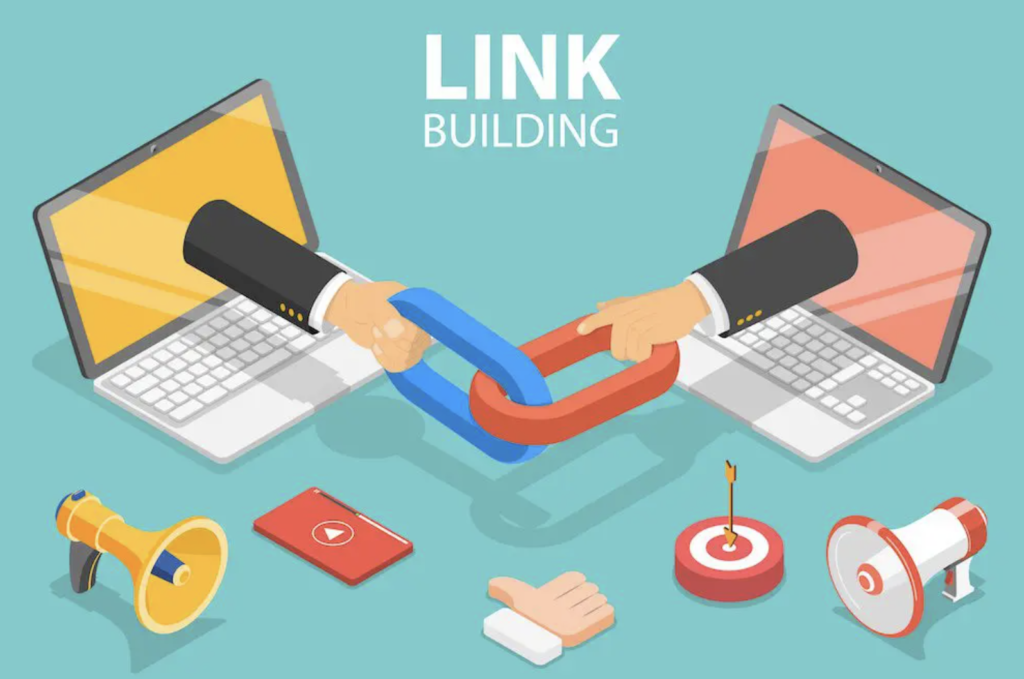
Step 5: Build Authority with Backlinks
Google sees backlinks as a trust signal.
But not all backlinks are helpful.
Focus on Relevant Sources
In Singapore, good backlink sources include:
- Local directories
- Industry blogs
- News websites
- Partnerships with local businesses
Example:
A real estate agent could contribute an article to a Singapore property blog and include a link back.
Avoid Low-Quality Links
Spammy links may harm your rankings instead of improving them.
Step 6: Strengthen Your Local SEO Presence
Local SEO is critical if your audience is in Singapore.
Google Business Profile
Create and optimize your listing.
Include:
- Accurate business details
- Photos
- Regular updates
Use Location-Based Keywords
Mention specific areas like:
- Clementi
- Tampines
- Marina Bay
Encourage Customer Reviews
Positive reviews improve trust and visibility.
Ask customers naturally after a good experience.
Step 7: Stay Active and Consistent
SEO is not a one-time task.
Content Consistency
Publish regularly:
- Blog posts
- Updates
- New pages
Even small improvements over time lead to results.
To boost your results faster, don’t forget to read our complete guide on getting more website traffic.
Monitor Performance
Use tools like:
- Google Analytics
- Google Search Console
Track:
- Traffic growth
- Keyword rankings
- User behavior
Adjust your strategy based on what works.
Real-Life Insight from Singapore Businesses
A small cleaning service company in Singapore struggled to get leads online.
They started writing blog posts like:
- Cost of Part-Time Cleaning Services in Singapore
- Should You Choose Weekly or Monthly Cleaning Services in Singapore?
They also added location pages targeting different areas.
Within months:
- Their traffic increased steadily
- They ranked for multiple service-related keywords
- Customer inquiries improved
Their success came from understanding what local customers were searching for.
Common Pitfalls to Avoid
Many new websites fail because of simple mistakes:

- Ignoring keyword research
- Publishing copied or low-value content
- Not optimizing for mobile users
- Targeting highly competitive keywords too early
- Forgetting local SEO elements
Avoiding these mistakes gives you a strong advantage.
Conclusion
Ranking a new website on Google in Singapore takes effort, but it’s absolutely achievable.
Focus on doing the basics right:
- Choose the right keywords
- Build a fast, user-friendly website
- Create content that helps real people
- Strengthen your local presence
You don’t need shortcuts or tricks. You need consistency and a clear strategy.
In a fast-paced market like Singapore, the websites that succeed are the ones that provide real value to local users.
Stick with the process, and your rankings will follow.
FAQs
1. How long does it take for a new website to rank in Singapore?
It usually takes around 3 to 6 months, depending on competition and effort.
2. Is local SEO necessary for all websites?
If your target audience is in Singapore, local SEO is essential for better visibility.
3. Can I rank without creating blog content?
It’s possible, but blogging makes it much easier to target keywords and attract traffic.
4. What type of keywords should beginners target?
Start with long-tail, low-competition keywords related to Singapore.
5. Does website speed really affect rankings?
Yes, slow websites lead to poor user experience and lower rankings.


Safe Singapore Stocks for Long-Term Investing: Build a Stable Wealth Portfolio

7 Smart Business Optimization Strategies Driving Singapore Digital Economy

AI-Driven Business Intelligence: Transforming Enterprise Strategy in Singapore
Wedding day horror: Groom falls to death at VOCO Orchard Hotel on Wedding Day
EdTech in Singapore: 150+ Companies Driving $180M Digital Learning Revolution
Singapore JC Ranking: A Complete Guide for Students
-
Blog12 months ago
Wedding day horror: Groom falls to death at VOCO Orchard Hotel on Wedding Day
-
Technology11 months ago
EdTech in Singapore: 150+ Companies Driving $180M Digital Learning Revolution
-
Education1 year ago
Singapore JC Ranking: A Complete Guide for Students
-

 Food10 months ago
Yi Dian Dian Bubble Tea Singapore: Menu, Outlets & Try Drinks
-
 Blog1 year ago
Best of SG with Singapore Rediscover Voucher
-
 Business1 year ago
What to Expect During PSLE Marking Days 2023
-
 Digital Marketing10 months ago
How to Run Effective Xiaohongshu Advertising Campaigns
-
 Digital Marketing10 months ago
Why Xiaohongshu Ads Are a Must for Reaching Chinese Consumers