Connect with us

Technology

Green Tech: The Vital Role of Energy Storage in a Renewable Future

Published

on

Green Tech- The Vital Role of Energy Storage in a Renewable Future

As the world races toward a cleaner future, the transition from fossil fuels to renewable energy sources like solar and wind is gaining unprecedented momentum. We are experiencing a green revolution, with solar panels covering rooftops and wind turbines lining coastlines. However, as exciting as this shift is, it brings with it a massive logistical hurdle: the sun doesn’t always shine, and the wind doesn’t always blow.

This is the challenge of intermittency, and it is the single biggest obstacle standing in the way of a 100% renewable grid. If we rely on nature’s schedule, we risk blackouts when the weather doesn’t cooperate. This is where Green Tech steps in with a solution that is just as innovative as the energy sources themselves: advanced renewable energy storage.

The concept is simple: capture energy when it is plentiful and save it for when it is needed, but the execution is complex. To truly power our modern lives with green energy, we need storage solutions that are scalable, efficient, and durable. Let’s dive into the cutting-edge innovations that are making this possible and reshaping the energy landscape.

Why Energy Storage is the Backbone of Green Tech

Imagine if your phone only worked when it was plugged in. You couldn’t take it with you, and you’d be helpless during a power outage. For a long time, the electrical grid operated similarly to that plugged in phone, relying on power plants that generated electricity exactly at the moment it was demanded.

Renewable energy breaks that mold. A solar farm might produce a massive surplus of power at noon but absolutely nothing at midnight. Without a way to bank that excess energy, we are forced to rely on backup fossil fuel plants when production dips. Effective energy storage acts as a massive battery bank for the planet, smoothing out these peaks and valleys. It ensures that the clean energy we harvest isn’t wasted but is instead available on demand, 24/7.

Innovations Leading the Charge

The race to perfect energy storage has sparked a wave of technological creativity. While standard lithium ion batteries, the same ones in your phone and electric vehicle, are currently the workhorses of the industry, they have limitations regarding lifespan, cost, and safety. Here is a look at the next generation of green tech innovations that are solving these problems.

The Evolution of Advanced Batteries

Lithium ion technology is improving, but the real excitement lies in what comes next. Solid state batteries are the rising stars in this field. By replacing the liquid electrolyte found in traditional batteries with a solid material, these batteries offer significantly higher energy densities. This allows them to store greater amounts of power within a more compact and lightweight design. More importantly, they are safer and charge faster. For the electric vehicle market and home energy storage systems, solid state tech represents a major leap forward, promising to reduce costs and eliminate range anxiety.

Flow Batteries for Long Duration Storage
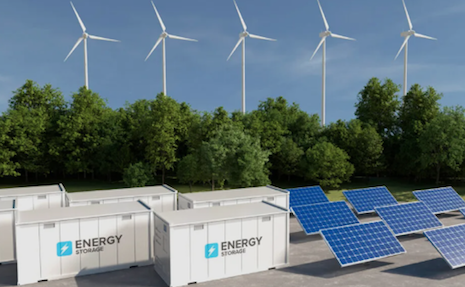
While your phone battery needs to hold a charge for a day, the power grid needs to hold energy for weeks or even seasons. Enter flow batteries. Unlike standard batteries that store energy in the electrode itself, flow batteries store energy in liquid electrolyte tanks. To increase capacity, you simply make the tanks bigger.

Technologies like vanadium redox flow batteries are particularly promising because they can theoretically run forever without degrading, and the electrolyte doesn’t wear out. This makes them ideal for large-scale industrial storage where longevity and scaling up are more important than compact size.

Green Hydrogen: The Versatile Energy Carrier
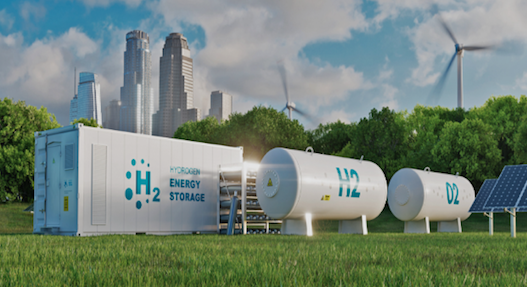
Perhaps the most versatile storage medium is green hydrogen. This process involves using excess renewable electricity to split water into hydrogen and oxygen through electrolysis. The resulting hydrogen gas acts as an energy carrier that can be stored indefinitely in tanks or underground caverns.

The beauty of hydrogen is its versatility. When we need the power back, we can burn it or run it through a fuel cell to generate electricity. Beyond the grid, it can be used to decarbonize heavy industry (like steel manufacturing) or fuel heavy transport (like ships and trucks) that standard batteries can’t easily power.

Thermal Energy Storage

Sometimes, the best way to store energy is as heat. Concentrated Solar Power (CSP) plants utilize molten salt storage to capture the sun’s heat. These salts can retain temperatures of over 1,000 (Fahrenheit) for long periods. When the sun goes down, this heat is released to boil water, producing steam to spin turbines and generate electricity. This technology provides a reliable, steady stream of power well into the night, proving that solar energy can work even after sunset.

Compressed Air Energy Storage (CAES)
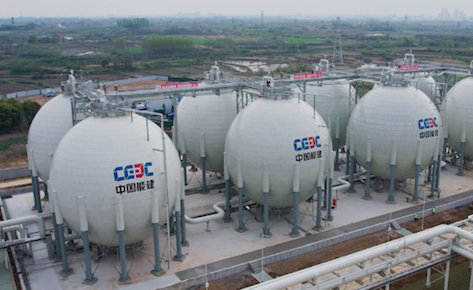
For sheer scale, few solutions are as ambitious as Compressed Air Energy Storage (CAES). These systems work by using excess energy to pump compressed air into deep underground caverns or salt domes. When electricity demand spikes, the air is released and heated to drive turbines. It’s a mechanical approach to storage that offers massive capacity and long duration capabilities, turning the earth itself into a giant battery.

The Road Ahead: Integrating Storage into the Grid

The future of green tech is not just about inventing new storage methods; it is about integrating them into a smarter, more resilient grid. Governments and private companies are investing billions into this sector, driven by policy incentives and the urgent need to decarbonize.

We are moving toward a hybrid model where a combination of batteries, hydrogen, and thermal systems works in concert. Smart software will manage these assets, deciding in real time whether to store energy, discharge it, or sell it back to the grid.

Conclusion

The transition to renewable energy is no longer just about generating clean power; it is about capturing and controlling it. Innovations in energy storage, from solid state batteries to green hydrogen, are the missing pieces of the puzzle. They provide the reliability and stability that allow us to turn away from fossil fuels for good.

As these technologies mature and costs come down, the vision of a fully renewable world becomes tangible. We are building a future where the lights stay on, powered by the sun that shone hours ago or the wind that blew days ago. Through smart green tech and innovative storage, we are paving the way for a cleaner, greener, and more resilient planet.

Also Read: Singapore Technology: Driving Innovation and Digital Transformation in Asia

Continue Reading
Click to comment

Leave a Reply

Your email address will not be published. Required fields are marked *


Technology

Revolutionary Tech Breakthroughs Changing the Course of the Future

Published

on

Revolutionary Tech Breakthroughs Changing the Course of the Future

In today’s fast moving world of technology, certain innovations are making a huge difference transforming industries and impacting our everyday lives. These groundbreaking advancements are not just pushing the boundaries of what’s possible but are also paving the way for a more connected, smarter, and more immersive future. Let’s explore some of the most influential tech trends that are shaping our world right now:

Artificial Intelligence and Machine Learning

AI and ML are leading the charge in the tech revolution, helping machines learn, adapt, and make decisions on their own. From virtual assistants like Siri or Alexa and tailored online shopping suggestions to self driving cars and smarter healthcare tools, AI is revolutionizing how industries operate and improving productivity across the board.

The Power of 5G Networks

The arrival of 5G technology promises lightning fast internet speeds, ultra reliable connections, and the ability to connect a vast number of devices simultaneously. This tech is essential for advancing the Internet of Things (IoT), smart city development, and augmented reality (AR) applications, bringing us closer to a seamlessly connected world.

Quantum Computing: The Next Frontier

Quantum computing offers the promise of solving complex problems that traditional computers simply can’t handle. Its potential applications are vast ranging from breaking encryption codes to discovering new medicines, optimizing financial models, and understanding climate change better. It’s a game changer for scientific innovation.

Blockchain and Decentralized Finance (DeFi)

While blockchain is best known for cryptocurrencies like Bitcoin and Ethereum, its uses extend far beyond digital money. Blockchain technology is making supply chains more transparent, creating secure digital identities, and enabling decentralized finance platforms that operate without traditional banks revolutionizing how we handle money and data.

Augmented Reality (AR) and Virtual Reality (VR) Technologies

AR and VR are transforming how we experience entertainment, learn, and work. Whether it’s immersive gaming, virtual tours of real world locations, remote team collaboration, or medical training simulations, these technologies are bridging the gap between the digital and physical worlds.

Edge Computing for Faster Data Processing

As we generate more data than ever, edge computing helps by processing information closer to where it’s created reducing delays and saving bandwidth. This is especially important for real time applications such as driverless cars, industrial automation, and smart manufacturing.

Green Energy Innovations

Progress in solar, wind, and energy storage tech is vital for fighting climate change. Newer solar cells like perovskite and large scale battery storage solutions are making renewable energy more efficient and affordable, helping us move toward a cleaner, greener future.

Advances in Biotechnology and Genomics

Innovations like CRISPR gene editing, personalized medicine, and biotech research are unlocking new possibilities in healthcare. These breakthroughs could lead to cures for genetic disorders, better crop yields, and solutions for some of the world’s most pressing health issues.

Final Thoughts

The rapid pace of technological advancement is opening up exciting new possibilities for individuals, businesses, and governments alike. Staying informed and adaptable is key to making the most of these innovations. As these technologies continue to mature, they will reshape our society, economy, and daily lives in ways we’ve only begun to imagine. Embracing these changes now can help us unlock a smarter, more sustainable, and more connected future.

Also Read: The Growth of 6G Networks and Lightning Fast Connectivity: Shaping the Future of Digital Communication

Continue Reading

Technology

The Future of Robotics in Education, Healthcare, and Home Life

Published

on

The Future of Robotics in Education, Healthcare, and Home Life

Robotics technology is quickly changing the way we live, learn, and work. As innovations develop rapidly, robots are becoming an essential part of schools, hospitals, and homes. The future looks bright, with robots not just helping humans but also boosting our abilities in various settings.

How Robots Are Transforming Education

In schools, robots are starting to serve as engaging teaching partners and companions. They have the ability to offer personalized learning journeys, tailored to meet the individual needs of each student. Additionally, they can encourage interest in STEM (Science, Technology, Engineering, Math) subjects by making learning engaging and interactive through enjoyable activities. For instance, coding robots allow students to learn programming by doing, making the process more exciting and easier to understand.

Robots can also support students with disabilities by offering tailored assistance that encourages inclusion. As AI powered robots become more advanced, they will likely play a big role in remote learning, helping bridge educational gaps and motivating students with gamified lessons that make learning enjoyable.

The Impact of Robotics on Healthcare

Hospitals are progressively integrating robotic technologies to enhance patient care and optimize their operational efficiency. Surgical robots, like the da Vinci system, enable surgeons to perform minimally invasive surgeries with greater precision, which leads to quicker recoveries and fewer complications.

Robots are also being used to assist patients by providing companionship, delivering medications, and aiding mobility. In diagnostics, AI driven robots can analyze medical images faster and more accurately than ever before. During health crises, autonomous disinfection robots and delivery drones are playing a crucial role in preventing infections.

Overall, robotics in healthcare is set to improve accuracy, safety, and access to medical services, making healthcare more efficient and patient friendly.

Robots at Home: Making Daily Life Easier

In our everyday lives, robots are becoming common household helpers. Devices like robotic vacuum cleaners (such as Roomba) and lawn mowing robots automate routine chores, giving us more free time. Assistive robots are also helping seniors and people with disabilities by supporting mobility, medication management, and providing companionship.

Smart home robots, connected through the Internet of Things (IoT), can control lighting, climate, security, and even help prepare meals. As AI continues to improve, future home robots will be more intuitive, understanding complex commands and offering personalized assistance tailored to individual lifestyles.

Addressing Challenges and Ethical Issues

While the future of robotics looks promising, it also raises important concerns. It is essential to handle privacy and security concerns with care in order to safeguard users’ information. There is also the risk of job displacement as robots take over certain tasks. Ethical questions about robot decision making, autonomy, and human robot interactions need thoughtful consideration to ensure these technologies benefit society without causing harm.

Final Thoughts

The future of robotics in education, healthcare, and home life is full of potential. These intelligent machines can revolutionize how we learn, heal, and live, making our environments more efficient, accessible, and personalized.

To maximize their benefits, it’s vital to develop and implement robotics responsibly, addressing challenges and ethical issues along the way. Embracing these technological advances will help create a smarter, healthier, and more connected world for everyone.

Also Read: AI Powered Home Robots in 2026: Smart Companions for Everyday Living

Continue Reading

Technology

WhatsApp iPhone Upgrade: Seamless Auto Translation in 21 Languages

Published

on

WhatsApp iPhone Upgrade: Seamless Auto Translation in 21 Languages

WhatsApp for iPhone may soon transform global communication with automatic message translation. This upcoming feature allows users to chat seamlessly across different languages. As a result, language barriers could quickly become irrelevant. Currently, users must translate messages manually. However, this process takes time and interrupts conversations. With the new update, everything becomes smoother and faster. Once activated, translations happen instantly for incoming messages.

Smart Per Chat Translation Feature Enhances Conversations

The feature introduces a per chat “Translate Messages” toggle. When enabled, it automatically translates all incoming texts. Therefore, users no longer need to tap and hold messages. Instead, conversations flow naturally without interruptions. Additionally, users can select both source and target languages. For example, messages can instantly convert into English. This adaptability guarantees a personalized experience for each user.

Moreover, the feature supports both individual and group chats. However, group chats require participants to use the same language. This condition ensures accurate and consistent translations.

Powered by Apple’s On Device Language Packs

WhatsApp relies on Apple’s advanced language translation packs. These packs process translations directly on the device. As a result, user privacy remains fully protected. Unlike cloud-based systems, this method keeps messages secure. End-to-end encryption remains intact during translation. Therefore, users can enjoy both convenience and security.

Furthermore, Apple currently supports 21 languages. These include Arabic, English, French, German, Hindi, Japanese, and more. Consequently, users across the globe benefit from this feature.

As Apple expands its translation capabilities, WhatsApp will follow. This means more languages will become available over time. Hence, the feature will continue improving.

Improved User Experience and Communication Efficiency

This update significantly enhances user experience. First, it eliminates manual translation steps. Second, it speeds up communication between users of different languages. Moreover, it encourages global interaction. People can connect without worrying about language differences. Therefore, both personal and professional communication improves.

In addition, the feature reduces misunderstandings. Accurate translations ensure clear message delivery. As a result, conversations become more meaningful.

Release Timeline and Future Expectations

Although the feature appears in the beta version, it is not yet public. TestFlight users have not fully accessed it. Therefore, an official release date remains unknown. However, its presence in development suggests a future launch. Typically, WhatsApp tests features before wide release. So, users can expect improvements before final rollout.

Meanwhile, anticipation continues to grow. This feature represents a major step in messaging innovation. As communication evolves, such tools become essential.

Conclusion: A Game-Changer for Global Messaging

WhatsApp’s automatic translation feature promises a major upgrade. It combines speed, convenience, and privacy effectively. Therefore, users will enjoy smoother conversations worldwide. As language barriers fade, connections will strengthen. Ultimately, this feature could redefine how people communicate globally.

To explore this feature in more detail, use the link provided.

Also Read: WhatsApp Experiments with ‘Guest Chats’ A Quiet Shift Toward Frictionless Conversations

Continue Reading

Trending

Copyright © 2026 Singapore Trends | Email: support@sgtrends.org