
News
Deepseek 3.2: The Open-Source AI Model That Outsmarts ChatGPT 5 in Advanced Reasoning Tests

The world of artificial intelligence is changing fast-but the biggest breakthrough of 2025 may not come from a trillion-dollar tech giant. Instead, it arrives from the open-source community. Deepseek 3.2, the latest generation of Deepseek’s AI model family, has shocked researchers by outperforming top proprietary systems like ChatGPT 5 and Gemini 3.0 Pro in rigorous reasoning and problem-solving benchmarks.
What makes this release historic is not only its extraordinary performance, but its complete openness. Deepseek 3.2 is fully open-source under the MIT License, making high-level reasoning capability accessible to researchers, developers, and organizations worldwide-without paywalls.
With gold-medal victories at the International Math Olympiad (IMO) and the International Olympiad in Informatics (IOI), plus innovations like sparse attention and advanced reinforcement learning, Deepseek 3.2 is reshaping what open models can achieve. Let’s explore exactly how it works, why it beats certain closed models, and how it’s redefining the future of accessible AI.
What Is Deepseek 3.2? A New Benchmark for Open-Source AI
Deepseek 3.2 is a next-generation AI model designed for deep reasoning, mathematical problem-solving, and complex multi-step tasks. Unlike many open models that serve as lightweight alternatives to commercial models, Deepseek 3.2 directly challenges industry leaders-and in many cases exceeds them.
Why Deepseek 3.2 Matters
- It is the first open-source AI model to win gold at both IMO and IOI.
- It surpasses GPT-5 and Gemini 3.0 Pro in certain critical reasoning benchmarks.
- It introduces new architecture innovations, including Deepseek Sparse Attention (DSA).
- It is fully open-source, allowing unrestricted global access.
For researchers, startups, and engineers, Deepseek 3.2 proves that open models can match or surpass the world’s most advanced proprietary systems.
Deepseek 3.2: Quick Highlights & Key Takeaways
TL;DR Why Deepseek 3.2 Stands Out
- Dual gold medals at IMO & IOI-a rare achievement demonstrating elite reasoning ability.
- Outperforms ChatGPT 5 and Gemini 3.0 Pro in advanced reasoning, multi-step tasks, and logic benchmarks.
- Deepseek Sparse Attention (DSA) provides efficient long-context processing with near-linear scaling.
- Reinforcement learning and agentic task synthesis dramatically boost task generalization and tool use.
- Open-source MIT license, making it one of the most accessible high-performing models ever released.
- 671B total parameters, but only 37B active during inference, making deployment far more efficient.
These strengths make Deepseek 3.2 a top contender in AI research-and a model developers can build on without restrictions.
Major Achievements of Deepseek 3.2
Deepseek 3.2’s achievements go far beyond raw benchmarks. They highlight a model that can think, reason, plan, and solve problems at a level once reserved for closed, proprietary systems.
1. Gold Medals at IMO and IOI
These competitions involve:
- high-level mathematics
- algorithmic thinking
- multistep logic
- complex reasoning under pressure
Deepseek 3.2 handled these challenges with precision-proof of its powerful internal reasoning mechanisms.
2. Beats GPT-5 and Gemini 3.0 Pro in Multi-Step Reasoning
While GPT-5 excels in creative generation and conversation, Deepseek 3.2 demonstrates superior performance in:
- mathematical reasoning
- coding-based logic
- structured problem solving
- chain-of-thought benchmarks
In these categories, Deepseek 3.2 consistently scores higher.
3. Available in Two Versions
- Standard Version – Balanced for everyday use
- Special Version – Optimized for ultra-difficult reasoning tasks
Users can choose the ideal version based on their resource and accuracy needs.
Core Innovations That Power Deepseek 3.2
Deepseek 3.2 introduces several advanced techniques that drive its exceptional performance.
1. Deepseek Sparse Attention (DSA): Faster, Smarter, More Efficient
Traditional attention mechanisms scale quadratically-slowing models down as context grows.
Deepseek 3.2 solves this with Sparse Attention, which:
- enables near-linear scaling
- reduces computational cost
- supports longer context windows
- speeds up inference
- lowers VRAM requirements
This innovation alone makes Deepseek 3.2 incredibly efficient for large-scale applications.
2. Reinforcement Learning for Superior Generalization
Deepseek dedicates over 10% of its compute to post-training reinforcement learning-a much higher ratio than most models.
This improves:
- instruction-following
- decision-making
- reasoning accuracy
- task generalization across unfamiliar inputs
This RL-focused approach elevates Deepseek’s adaptability and reliability.
3. Agentic Task Synthesis Pipeline
Deepseek 3.2 trains on:
- 1,800 environments
- 85,000 complex agentic tasks
These environments mimic real-world reasoning situations, teaching the model to:
- plan ahead
- use tools effectively
- solve multi-step logical problems
- navigate complex task chains
This makes Deepseek 3.2 particularly powerful for automation, analysis, and agent-based AI systems.
Technical Breakdown: Specs That Redefine Scalability
Deepseek 3.2 strikes a rare balance between enormous capacity and efficient inference.
Technical Specifications
- 671 billion parameters total
- 37 billion active parameters during inference
- FP8 precision mode: 700 GB VRAM
- BF16 precision mode: 1.3 TB VRAM
- Distributed training optimized
- Fully open-source under MIT License
Despite its massive scale, Deepseek 3.2 remains far more efficient than competing models with similar capabilities.
Closing the Tool-Use Gap Between Open and Closed Models
One of the hardest challenges in AI is effective tool use-invoking APIs, using calculators, coding tools, and external resources.
Deepseek 3.2 excels in:
- decision-making
- tool-call accuracy
- long-chain planning
- function calling
- agent-style reasoning
This allows it to rival closed systems that traditionally dominate in tool-assisted workflows.
Scalability, Cost Efficiency, and Accessibility
Unlike closed corporate models, Deepseek 3.2 is:
- free to use
- free to modify
- free to distribute
This dramatically lowers the barrier to entry for:
- universities
- independent researchers
- small businesses
- AI startups
- global developers
With open weights and transparent training, Deepseek 3.2 empowers innovation at every level.
Deepseek 3.2: A Milestone in Open-Source AI Innovation
Deepseek 3.2 stands as one of the most significant open-source AI achievements of the decade. Its blend of reasoning power, efficiency, and unrestricted access challenges the dominance of closed models like ChatGPT 5 and Gemini 3.0 Pro.
By pioneering advances such as sparse attention, powerful reinforcement learning pipelines, and extensive agentic training, Deepseek 3.2 sets a new standard for open models-and paves the way for a more democratic AI future.
The message is clear:
The future of AI is open, powerful, and accessible to everyone.

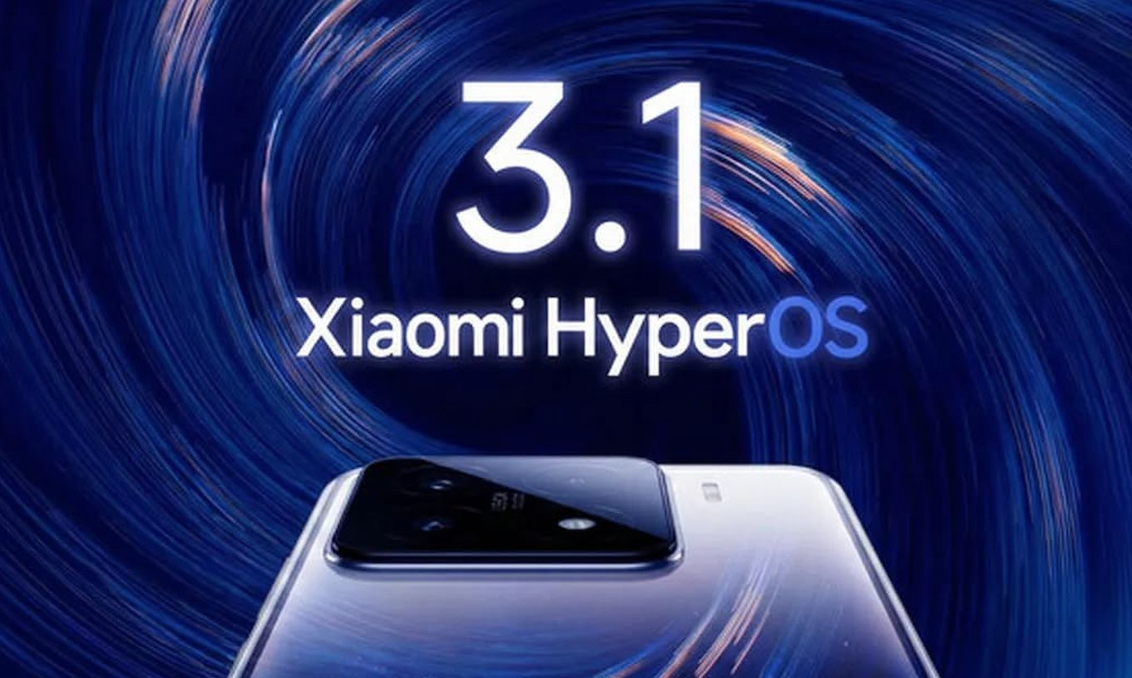
Xiaomi is preparing a major software reveal at Mobile World Congress in Barcelona. The company plans to launch HyperOS 3.1 alongside the Xiaomi 17 series.
The biggest highlight is the rumored “iOS Bridge.” This feature aims to improve integration between Xiaomi devices and products from Apple. As a result, users may experience smoother cross-platform connectivity.
One standout capability includes real time iPhone call alerts. Incoming calls on an iPhone could instantly appear on connected Xiaomi tablets and laptops. Therefore, users may answer or manage calls without holding their phones.
This feature would simplify multitasking. Moreover, it would create a more unified digital workflow for mixed-device users.
The update is also expected to enhance compatibility with AirPods. Xiaomi devices may display real-time battery levels for AirPods. In addition, users could access advanced controls similar to native Apple integration.
Consequently, switching between ecosystems would feel seamless. This improvement would especially benefit professionals who rely on both brands daily.
Another key addition involves direct wireless file sharing. Xiaomi’s iOS Bridge may allow fast file transfers between iPhones and Xiaomi devices. Importantly, users would not need third-party applications.
Instead, file sharing could become instant and secure. As a result, productivity would increase across devices. Furthermore, users could reduce reliance on cloud storage platforms.
Xiaomi continues to expand its global presence. In 2025, it secured a 16% share of Europe’s smartphone market, according to Omdia. Therefore, strengthening Apple compatibility supports its competitive strategy.
Many consumers use devices from both ecosystems. Consequently, improved cross-platform support increases brand loyalty.
If unveiled between March 2 and March 5 at MWC, this update could redefine device interaction. Ultimately, Xiaomi’s iOS Bridge signals a new era of flexible and connected digital experiences.
News
Apple Implements New Age Verification Measures in Australia, Brazil, and Singapore to Strengthen Child Protection and Comply with Local Laws

In a significant move to enhance child safety and adhere to evolving regulations, Apple has announced updated policies for app age verification in key regions, including Australia, Brazil, Singapore, Utah, and Louisiana. These changes aim to ensure that minors access age-appropriate content while balancing user privacy concerns.
Starting February 24, Apple has begun restricting users in Australia, Brazil, and Singapore from downloading apps rated 18+ unless their age has been verified through Apple’s robust age confirmation system. This process, integrated into the App Store, employs “reasonable methods” to automatically verify if a user is an adult. Developers may also utilize Apple’s Declared Age Range API to independently confirm a user’s age, adding an extra layer of security and compliance.
In Brazil, new regulations targeting loot box content have prompted Apple to adjust app age ratings. Apps offering loot boxes will now automatically be marked as 18+ in the Brazilian storefront, aligning with local laws that prohibit children from engaging with such features. Developers can now access a user’s age group when shared voluntarily by the user or parent, with Apple providing signals about the method used for age verification, promoting transparency and accountability.
Meanwhile, in the U.S. states of Utah and Louisiana, upcoming legislative mandates are pushing for stricter age verification. These laws require developers to utilize the Declared Age Range API to determine if a user qualifies as a minor and to restrict access to age-inappropriate content. Additionally, both states will enforce policies where significant app updates particularly those introducing new functionalities must involve parental consent for child users. This ensures that parents remain informed and retain control over their children’s app experiences.
The Utah App Store Accountability Act is set to take effect on May 6, 2026, while Louisiana’s House Bill 570 launches on July 1, 2026. Notably, these regulations apply only to newly created Apple Accounts, emphasizing the importance of age verification from the outset.
Apple’s stance on these legal developments underscores its commitment to privacy. The company has expressed concerns over data collection associated with age verification methods like ID submission, which could compromise user privacy. As a result, Apple prefers to avoid intrusive verification techniques, instead opting for solutions that confirm age without sharing personal data with developers.
Non-compliance with these new regulations can lead to hefty fines. In Utah, developers face penalties of up to $1,000 per violation, while Louisiana’s fines can reach $10,000 after a 45-day grace period. Brazil, Australia, and Singapore also face potential penalties that could amount to millions of dollars if they fail to meet platform level requirements.
Overall, Apple’s latest measures reflect a balanced approach prioritizing child safety and regulatory compliance while safeguarding user privacy. These steps are part of a broader global trend toward stricter child protection laws, shaping the future of app store policies worldwide.

The English Premier League will launch its own streaming platform in Singapore this year.
This bold move signals a major shift in its global media strategy.
Premier League chief executive Richard Masters confirmed the news at the Financial Times Business of Football conference.
Moreover, he revealed that the new service, Premier League+, will debut for the 2026/27 season.
For the first time, the league will go direct-to-consumer in Singapore. As a result, fans will subscribe directly through the official platform.
Strategic Partnership With StarHub Strengthens Market Presence
The Premier League has entered into a six-year partnership agreement with StarHub.
Therefore, the Singapore-based telecommunications company will support the rollout of the new platform.
This partnership ensures local expertise and stable distribution. At the same time, it allows the league to manage its own subscriber relationships.
StarHub confirmed that Premier League+ will complement its current coverage. However, existing Premier League packages will remain unchanged.
Fans will continue enjoying live matches through StarHub as usual. Meanwhile, the new streaming option will enhance flexibility and viewing choices.
380 Matches and Exclusive Content on a Dedicated App
Premier League+ will offer access to all 380 matches each season. Additionally, subscribers will enjoy exclusive shoulder programming and in-depth analysis.
The platform will feature a 24/7 dedicated Premier League channel. Consequently, supporters can stay connected beyond matchdays.
Users will download the app on smart TVs or laptops. Thus, streaming becomes seamless and accessible across devices.
This direct digital model reduces reliance on traditional broadcasters. Nevertheless, partnerships with networks like Sky Sports in the UK will continue.
A Blueprint for Global Expansion
Singapore will serve as a testing ground for the league’s streaming ambitions. If successful, the model may expand into other international markets.
Masters described the initiative as a carefully considered process. Furthermore, he emphasized the importance of controlling promotion and pricing strategies.
By owning customer relationships, the league gains valuable market insights. As a result, it can refine engagement strategies and tailor future offerings.
This step also provides commercial optionality in selected regions. Therefore, the Premier League strengthens its long-term media flexibility.
What Singapore Fans Can Expect Next
The service is expected to launch from August 2026. However, final pricing details have not yet been announced.
StarHub confirmed close collaboration with the league during this trial phase. Meanwhile, preparations continue to ensure a smooth rollout.
Singaporean fans will soon experience a new era of football streaming. Above all, Premier League+ promises convenience, exclusivity, and full-season access.
The English Premier League continues to evolve its global footprint. Now, with Premier League+, it takes direct control of its digital future.


BLACKPINK Drops “Deadline” Mini-Album After Record-Breaking World Tour

Xiaomi iOS Bridge Update to Transform Apple Device Connectivity at MWC

Apple 2026 MacBook Lineup: OLED Displays, Touchscreen Rumors, and M6 Performance
Wedding day horror: Groom falls to death at VOCO Orchard Hotel on Wedding Day
EdTech in Singapore: 150+ Companies Driving $180M Digital Learning Revolution

Singapore JC Ranking: A Complete Guide for Students
-
Blog7 months ago
Wedding day horror: Groom falls to death at VOCO Orchard Hotel on Wedding Day
-
Technology6 months ago
EdTech in Singapore: 150+ Companies Driving $180M Digital Learning Revolution
-
Education8 months ago
Singapore JC Ranking: A Complete Guide for Students
-

 Food5 months ago
Yi Dian Dian Bubble Tea Singapore: Menu, Outlets & Try Drinks
-
 Blog9 months ago
Best of SG with Singapore Rediscover Voucher
-
 Business9 months ago
What to Expect During PSLE Marking Days 2023
-
 Digital Marketing6 months ago
How to Run Effective Xiaohongshu Advertising Campaigns
-
 Digital Marketing6 months ago
Why Xiaohongshu Ads Are a Must for Reaching Chinese Consumers