Connect with us

Business

Tranquil Escapes at Lower Peirce Reservoir Carpark

Published

on

Lower Peirce Reservoir Carpark

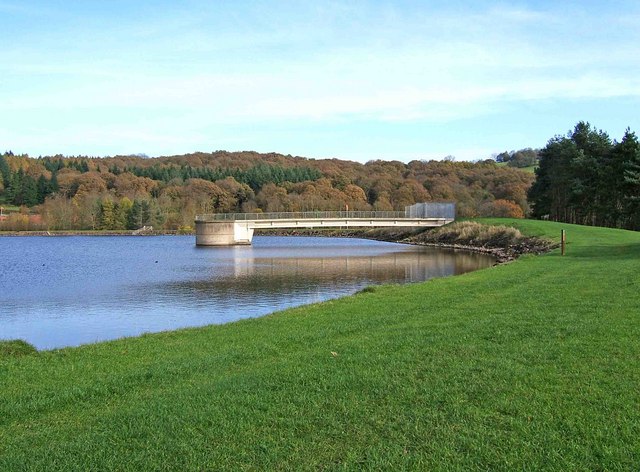
Nestled within one of Singapore’s oldest reservoirs, the Lower Peirce Reservoir Carpark is more than just a place to park—it’s the gateway to a tranquil, nature-filled retreat that invites visitors to unwind, explore, and connect with the environment. Ideal for early morning jogs, sunset walks, or a quiet moment away from the city’s buzz, this hidden gem remains a favorite among locals and nature lovers alike.

The reservoir itself dates back to 1910, making it the second-oldest reservoir in Singapore. Flanked by dense secondary forests and home to a rich variety of flora and fauna, it offers a serene atmosphere perfect for those looking to enjoy nature without traveling far from the urban core. And for anyone planning a visit, the Lower Peirce Reservoir Carpark is the most convenient and strategic entry point.

Where is Lower Peirce Reservoir Carpark Located?

Tucked just off Old Upper Thomson Road, the Lower Peirce Reservoir Carpark provides easy access to the boardwalk and trail network that winds through the lush forest and along the reservoir’s edge. The carpark is modest in size but typically sufficient for regular weekday visitors and even early weekend risers. For those unfamiliar with the area, it’s advisable to come early in the day to secure a parking spot, especially during public holidays and school vacations.

Its proximity to public transport links and other urban amenities makes it accessible without compromising its natural charm. Whether you’re driving in or arriving via bus or taxi, reaching the carpark is both simple and stress-free.

Why Lower Peirce Reservoir Carpark is the Ideal Starting Point

Unlike other more commercialized nature spots, Lower Peirce offers a quiet, contemplative experience. The Lower Peirce Reservoir Carpark serves as the entrance to a less-traveled trail that showcases nature in its purest form. It’s the starting point for:

  • The Lower Peirce Boardwalk: A scenic 900-meter wooden path built over the water, offering breathtaking views of the reservoir and dense forest.
  • Nature Photography Opportunities: Wildlife such as long-tailed macaques, monitor lizards, and native birds can often be spotted, especially during early mornings.
  • Leisurely Walks & Picnics: With strategically placed benches and rest areas, it’s perfect for a quiet afternoon with family or solo relaxation.

From this carpark, visitors can take their time exploring without the pressure of large crowds or commercial noise. It sets the tone for an immersive experience, allowing for mindfulness, birdwatching, or simply soaking in the peace and greenery.

Facilities and Amenities Near the Carpark

While the Lower Peirce Reservoir Carpark itself offers basic facilities such as public restrooms and trash bins, its charm lies in the simplicity. The area prioritizes conservation over commercialization, so don’t expect cafes or kiosks. Instead, visitors are encouraged to bring their own water, light snacks, and any essentials needed for a few hours in nature.

Just a short drive away are cafes and eateries along Upper Thomson Road, perfect for post-hike meals or coffee. For those unfamiliar with the location, consider combining your visit with a brunch stop nearby to round out the perfect weekend outing.

How to Make the Most of Your Visit

To fully enjoy what the Lower Peirce area has to offer, it’s best to plan ahead. Here are a few helpful tips:

  • Arrive Early: The carpark fills up fast on weekends and public holidays. Early birds enjoy better parking and a quieter experience.
  • Dress Comfortably: Light, breathable clothing and proper footwear are recommended. The trails and boardwalk can get slippery after rain.
  • Stay Respectful of Wildlife: Feeding animals is strictly prohibited. Observing from a distance helps maintain the ecological balance.
  • Leave No Trace: Dispose of all trash responsibly and avoid disturbing the natural surroundings.

Safety and Preservation Guidelines

Singapore’s National Parks Board (NParks) actively manages the Lower Peirce area to ensure long-term sustainability and public enjoyment. Signage throughout the trail provides guidance on wildlife safety, trail etiquette, and conservation. Visitors are reminded to remain on marked trails and boardwalks to avoid damaging the natural habitat.

Mosquito repellent is recommended, especially during the late afternoon, and umbrellas or ponchos are useful in the event of sudden tropical rain. Always inform someone if you plan to hike solo, and carry your phone fully charged.

The Allure of Lower Peirce—Why Locals Love It

Many visitors to the Lower Peirce Reservoir Carpark come for a quick escape from urban life, but they leave with a deeper appreciation for Singapore’s green heritage. Unlike more developed parks like MacRitchie or Bishan-Ang Mo Kio Park, Lower Peirce maintains a wilder, less touched atmosphere. This appeals to those looking for authentic nature experiences without the buzz of heavy foot traffic.

Its rustic charm, peaceful waters, and canopy-covered paths make it ideal for mindfulness, slow walks, or quiet conversations. Fitness enthusiasts use the trails for low-impact workouts, while photographers and nature writers often seek inspiration from the undisturbed surroundings.

A Place for All Ages

Whether you’re a retiree seeking solitude, a couple on a nature date, or a family introducing your children to Singapore’s biodiversity, the Lower Peirce Reservoir Carpark is the ideal starting point. The flat paths and well-maintained boardwalk make it accessible even for older visitors or those with mobility concerns, while kids love spotting monkeys and turtles along the route.

NParks also occasionally organizes guided walks and biodiversity tours in the area, offering a chance to learn more about the native plants and animals that call Lower Peirce home. It’s not just a carpark—it’s the beginning of a deeper, slower-paced experience that reconnects you with nature.

Conclusion

The Lower Peirce Reservoir Carpark may seem like a simple entry point, but it unlocks one of Singapore’s most tranquil and underappreciated nature experiences. Its convenient location, serene trails, and commitment to conservation make it an ideal spot for those craving a peaceful break from urban life. Whether you’re coming for a short walk, a nature photoshoot, or an extended stay with a picnic, it’s a location that delivers natural beauty and calm with every visit.

FAQs about Lower Peirce Reservoir Carpark

Q1: Where is Lower Peirce Reservoir Carpark located?
A: Lower Peirce Reservoir Carpark is located off Old Upper Thomson Road in Singapore. It is the main access point for visitors heading to the Lower Peirce Boardwalk and surrounding nature trails.

Q2: Is parking at Lower Peirce Reservoir free?
A: Yes, parking at Lower Peirce Reservoir Carpark is currently free of charge. However, it’s best to arrive early, especially on weekends, as spaces are limited.

Q3: What can I do from Lower Peirce Reservoir Carpark?
A: From the carpark, you can access the Lower Peirce Boardwalk, nature trails, wildlife viewing spots, and scenic photo opportunities. It’s ideal for walks, birdwatching, photography, and relaxing in nature.

Q4: Are there toilets at Lower Peirce Reservoir Carpark?
A: Yes, basic public restroom facilities are available near the carpark for visitor convenience.

Q5: Is the area around Lower Peirce Reservoir suitable for children and elderly?
A: Absolutely. The boardwalk is flat and safe for both children and the elderly. Just ensure proper supervision and bring water, as there are no shops nearby.

Q6: Can I bring pets to Lower Peirce Reservoir?
A: Yes, you can bring pets, but they must be leashed at all times. Also, be mindful of wildlife and other visitors.

Q7: What wildlife can I expect to see near Lower Peirce Reservoir Carpark?
A: You might encounter long-tailed macaques, squirrels, monitor lizards, turtles, and a variety of native birds and insects along the trails.

Q8: Are there food and drink stalls near Lower Peirce Reservoir Carpark?
A: No, there are no food or drink stalls directly at the carpark. The nearest eateries are along Upper Thomson Road, a short drive away.

Q9: Is the area wheelchair-accessible?
A: The carpark and boardwalk are relatively flat and accessible for wheelchairs, though some natural trails may not be suitable. It’s advisable to stick to the boardwalk for easier mobility.

Q10: Is it safe to visit Lower Peirce Reservoir in the evening?
A: While the area is generally safe, it is best visited during daylight hours due to limited lighting and to avoid wildlife encounters at night. The park closes at 7 pm.


Continue Reading
Click to comment

Leave a Reply

Your email address will not be published. Required fields are marked *


Business

Why a High Yield Savings Account is Your First Step to Financial Freedom

Published

on

Yield Savings Account

Have you ever looked at your bank account and felt like your money was just sitting there doing nothing? Most people keep their cash in a regular savings account at a big bank. The problem is that these accounts usually pay almost zero interest. It’s like putting your money in a box under your bed.

What if your money could grow while you sleep? That’s where a high-yield savings account comes in. It’s one of the easiest ways to make your money work for you with zero extra effort. Safe, simple, and effective, it can be a real game-changer for your wallet.

In this guide, we will explain exactly what these accounts are and why they are the perfect foundation for your financial future. If you want to stay updated on more money-saving tips, be sure to check out sg trends for the latest advice.

What Exactly is a High-Yield Savings Account?

A high-yield savings account is a special kind of bank account that pays you a lot more interest than a standard one. While a regular bank might pay you 0.01% interest, a high-yield account can pay 4% or even 5% or more.

Think of it like a super-powered savings account. It works exactly like the one you already have, but the bank rewards you more for keeping your money with them. Most of these accounts are found at online-only banks. Because these banks don’t have to pay for big buildings or thousands of physical branches, they pass those savings on to you in the form of higher interest.

Why Interest Rates Matter More Than You Think

You might think that a few percentage points don’t matter much. However, over time, those small numbers add up to a lot of cash. This is the core of High-Yield Savings benefits.

Let’s look at an example. If you have $10,000 in a traditional bank account paying 0.01%, you will earn only $1 in interest after a whole year. That won’t even buy you a candy bar!

Now, imagine that same $10,000 in a high-yield account paying 4.5%. After one year, you would have $450 extra. That is free money just for choosing a better place to park your cash. Over five or ten years, that difference becomes thousands of dollars.

The Perfect Home for Your Emergency Fund

One of the most important parts of financial freedom is having an Emergency Fund. This is a pile of cash set aside for things like car repairs, medical bills, or if you suddenly lose your job.

Experts usually suggest having three to six months of living expenses saved up. Since this money needs to be safe and easy to get to, you shouldn’t put it in the stock market where it could go down in value.

A High-Yield Savings account is the best place for this fund. It stays safe (it’s insured by the government), but it still grows. It gives you peace of mind knowing that if something goes wrong, you have a growing pile of cash ready to help you out.

How High-Yield Savings Helps Beat Inflation

You’ve probably heard about inflation in the news it’s when the prices of everyday essentials like milk, gas, and rent rise over time. When your money sits in a regular bank account earning little or no interest, it actually loses purchasing power as the cost of living increases.

While a high-yield account might not always beat inflation completely, it helps you keep up much better than a standard account. It acts as a shield for your money. It ensures that your $100 today still feels like $100 a few years from now.

Is My Money Safe in an Online Bank?

This is a question many beginners ask. It can feel a little weird to put your money in a bank that doesn’t have a physical building in your town. However, as long as the bank is FDIC Insured, your money is very safe.

The FDIC is a part of the government. They promise that if the bank ever goes out of business, the government will give you your money back (up to $250,000).

  • Step 1: Check the bank’s website for the FDIC logo.
  • Step 2: Make sure it is a reputable name.
  • Step 3: Rest easy knowing your cash is protected.

How to Choose the Best Account

Not all High-Yield Savings accounts are the same. When you are looking for a place to put your money, keep an eye out for these three things:

1. The Annual Percentage Yield (APY)

This is the interest rate. Higher is usually better, but remember that these rates can go up or down based on what the central bank (the Federal Reserve) does.

2. Fees and Minimums

Some banks charge a monthly fee if your balance is too low. Look for an account with No Monthly Fees and No Minimum Balance. You want all that interest to stay in your pocket, not go to the bank.

3. Ease of Use

Does the bank have a good mobile app? Is it easy to move money back to your regular checking account? You want a bank that makes it simple to manage your money from your phone.

Why This is Your First Step to Wealth

You might be wondering, Why not just invest in stocks right away? While stocks are great for long-term growth, you need a solid foundation first.

If you invest all your money in stocks and the market goes down, you might be forced to sell your stocks at a loss if you have an emergency. By starting with a High-Yield Savings account, you create a safety net. Once your net is big enough, you can start taking bigger risks with other types of investing.

It builds the habit of saving. Watching your interest hit your account every month is exciting! It motivates you to save even more.

Real-Life Example: The Tale of Two Savers

Let’s look at Mike and Sarah. Both of them saved $5,000 for a vacation they want to take in three years.

  • Mike kept his money in his big-name local bank. After three years, he earned a total of $1.50 in interest. He can barely buy a soda.
  • Sarah moved her money to a high-yield account. After three years, she earned over $600 in interest.

Because Sarah used a High-Yield Savings account, her money paid for her flights and a nice dinner, while Mike had to pay for everything out of his own pocket.

How to Open an Account in 10 Minutes

Opening one of these accounts is actually easier than going to a physical bank. Here is the typical process:

  1. Find a Bank: Look for high-rated online banks.
  2. Fill out the Form: You will need your Social Security number and an ID.
  3. Link Your Current Bank: You tell the new bank where your current checking account is.
  4. Transfer Funds: Move your money over with a few clicks.
  5. Watch it Grow: That’s it! Your money starts earning higher interest immediately.

Tips to Grow Your Savings Faster

Once you have your account set up, here are a few ways to supercharge your progress:

  • Set up Auto-Deposit: Have $50 or $100 sent to your savings every payday before you even see it.
  • Save Your Raises: If you get a raise at work, put that extra money straight into your high-yield account.
  • The Round Up Trick: Some apps round up your purchases to the nearest dollar and put the change into savings.
  • Keep Your Eyes on the Prize: Give your account a nickname like Dream House or Hawaii Trip to keep you motivated.

Conclusion

Taking the first step toward financial freedom doesn’t have to be complicated. You don’t need to pick the next winning stock or start a big business today. All you need to do is stop leaving your money in an account that pays you nothing.

Switching to a High-Yield Savings account is a fast, safe, and easy win. It protects your emergency fund, helps you fight inflation, and gives you free money every single month. It is the smartest boring move you can make for your future.

Start looking at your options today and get that money moving. Your future self will be very glad you did!

Continue Reading

Business

Business Events Tourism: Driving Global Growth Through Strategic Corporate Travel

Published

on

Business Events Tourism

Business events tourism has become a powerful force in the global economy. It connects professionals, destinations, and industries. Moreover, it strengthens knowledge exchange, innovation, and international collaboration. As a result, many cities now prioritize this sector for sustainable growth.

Understanding the Concept of Business Events Tourism

Business events tourism refers to travel for meetings, incentives, conferences, and exhibitions. These activities are often grouped under the MICE industry. However, the sector extends beyond venues and hotels. It includes transport, technology, hospitality, and destination marketing.

Additionally, business travelers spend more than leisure tourists. Therefore, destinations gain higher economic returns. At the same time, local employment opportunities increase steadily.

Why Business Events Tourism Matters for Destinations

Cities compete fiercely to host major corporate events. Consequently, infrastructure development accelerates rapidly. New convention centers, airports, and smart hotels emerge. Furthermore, global visibility improves through international exposure.

Business events also reduce seasonality challenges. Unlike leisure travel, events occur year round. Hence, destinations maintain stable revenue streams. In turn, investors gain long term confidence.

Economic Impact of Business Events Tourism

Business events tourism generates significant direct and indirect revenue. For example, delegates spend on accommodation, dining, and transport. Meanwhile, organizers invest in logistics, branding, and local suppliers.

Moreover, knowledge based benefits appear after events conclude. Trade partnerships form, investments follow, and innovation spreads. As a result, host cities enjoy lasting economic legacies.

Key Components of a Successful Business Events Destination

Strong destinations share several essential characteristics. First, accessibility plays a critical role. Efficient airports and transport networks attract international delegates. Next, modern venues ensure seamless event execution.

Additionally, digital infrastructure supports hybrid and virtual formats. Professional service providers also enhance event quality. Finally, safety and sustainability influence decision making strongly.

Role of Technology in Business Events Tourism

Technology has transformed business events tourism significantly. Virtual platforms extend event reach globally. Meanwhile, mobile applications enhance delegate engagement. Data analytics also improve planning and personalization.

Furthermore, smart venues optimize energy use and crowd management. As a result, events become more efficient and sustainable. Therefore, technology remains a competitive advantage.

Sustainability and Responsible Business Events Tourism

Sustainability now defines modern business events tourism. Organizers prioritize eco friendly venues and green transport. Additionally, waste reduction strategies gain importance.

Local community involvement also matters. Cultural experiences enrich delegate journeys. Consequently, destinations create authentic connections. Responsible practices now influence event selection decisions.

Business Events Tourism and Destination Branding

Hosting international events strengthens destination branding. Cities position themselves as innovation hubs. Moreover, thought leadership emerges through conferences and summits.

Positive delegate experiences drive word of mouth promotion. Later, business travelers often return as leisure tourists. Thus, long term tourism growth follows naturally.

Challenges Facing Business Events Tourism

Despite growth, challenges remain present. Global competition intensifies continuously. Meanwhile, economic uncertainty affects travel budgets. Security concerns also influence planning decisions.

However, adaptability ensures resilience. Flexible event formats address disruptions effectively. Strategic partnerships further mitigate risks. Therefore, proactive planning remains essential.

Future Trends in Business Events Tourism

The future of business events tourism appears dynamic. Hybrid events will dominate the landscape. Consequently, destinations must support advanced technology. Personalization will also increase through data driven insights.

Wellness focused events will gain traction. Delegates now value health conscious experiences. Additionally, regional events will grow alongside global meetings. These trends reshape destination strategies.

Strategies to Strengthen Business Events Tourism

Destinations must adopt integrated strategies. Collaboration between public institutions and private companies remains key, complemented by marketing that focuses on specialized markets.

Investment in talent development also enhances service quality. Continuous innovation keeps destinations competitive. Ultimately, a clear vision ensures sustainable success.

Conclusion: The Expanding Power of Business Events Tourism

Business events tourism continues to reshape global travel. It drives economic growth, innovation, and international cooperation. Moreover, it delivers lasting benefits beyond immediate revenue.

As industries evolve, this sector adapts quickly. Therefore, destinations embracing business events tourism secure a competitive future. With strategic planning, growth remains both resilient and sustainable.

Continue Reading

Business

Mutual Funds Explained: A Simple Guide for New Investors

Published

on

Mutual Funds Explained: A Simple Guide for New Investors

Let’s say you and a group of friends spot a massive variety pack of snacks at the store all kinds of chips, chocolates, cookies, and more. It looks amazing, but it’s way too expensive for any one of you to buy alone. So everyone throws in some money, and you ask the friend who always picks the best stuff to go shopping. When he comes back, you divide everything up based on how much each person contributed.

That’s pretty close to how a mutual fund works. A mutual fund is when a large number of ordinary people put their money together into one big pool. A professional called a fund manager then takes that pool and invests it in a variety of things, such as shares of companies (known as stocks) or bonds (which are basically loans to companies or governments). Everyone who contributes gets a portion of the fund, and they all share in whatever gains or losses the investments produce.

Mutual funds are especially helpful for people who are just starting to invest because they make the whole process simpler and less overwhelming. You don’t need a lot of money or deep knowledge of the markets to begin. 

What Is a Mutual Fund, Exactly?

A mutual fund gathers money from many investors, sometimes thousands of them, and creates one large fund. The fund manager uses this money to buy a mix of different assets. These can include stocks from various companies, bonds that pay interest over time, or even very safe short-term government securities. Each fund has a specific goal, such as growing the money steadily over the long term or providing regular income to investors.

When you invest, you buy shares of the fund, known as units. Each unit’s price is called the Net Asset Value (NAV), which is calculated daily. To determine the NAV, the fund totals the current market value of all its holdings, subtracts expenses, and divides the result by the number of units in circulation. If the fund’s underlying investments rise in value, the worth of your units increases; if they fall, the unit value declines. A key benefit is diversification, as spreading money across many assets helps reduce the impact of any single investment performing poorly.

Why Are Mutual Funds So Popular?

People choose mutual funds for several practical reasons, especially when they are new to investing. You can often start with a very small amount of money, sometimes as little as the equivalent of fifty dollars, so there’s no need to wait until you have a large sum saved up. The fund automatically spreads your money across dozens or even hundreds of investments, which lowers the risk compared to picking just one or two stocks on your own. This spreading out is called diversification, and it acts like a cushion against big losses.

Another major benefit is that a trained professional handles all the decisions. The fund manager spends their days researching companies and markets, buying and selling at the right times, so you don’t have to do that work yourself. Many funds also make it easy to invest regularly by setting up automatic monthly contributions, almost like a savings plan that runs on its own. Finally, when you need your money back, you can usually sell your units quickly and receive the cash within a few days. This ease and flexibility is why mutual funds are a common choice in workplace retirement plans around the world.

The Main Types of Mutual Funds

Mutual funds come in different varieties to suit different needs and comfort levels. Stock funds, also called equity funds, focus mostly on shares of companies. They have the potential for strong growth over many years but can fluctuate quite a bit along the way. Within stock funds, some concentrate on large, established companies, while others target smaller or medium-sized businesses that might grow faster, though with higher risk.

Bond funds invest primarily in bonds and tend to be calmer, providing regular interest payments and preserving capital better during tough market periods. Money market funds are the safest option, behaving almost like a high-interest savings account with very low returns. Hybrid or balanced funds combine stocks and bonds to offer a middle ground – some growth potential with added stability. Index funds simply follow a major market index, such as a list of the top companies in a country, and they usually have very low fees. International funds add investments from other countries to give even more variety.

For beginners, index funds or balanced funds are often recommended because they are straightforward, low cost, and already well-diversified.

How You Earn Money from Mutual Funds

There are three basic ways your money can grow. First, the fund may sell investments at a profit, and that gain gets distributed to unit holders, or you can make a profit when you sell your own units for more than you paid. Second, many stocks pay dividends and bonds pay interest, and the fund passes those payments on to you. Third, over time the overall value of the fund’s holdings can rise, increasing the NAV so each unit is worth more. A smart strategy many people use is to automatically reinvest any dividends or interest to buy additional units, allowing the investment to grow faster through the power of compounding.

The Advantages and Disadvantages

The strengths of mutual funds are clear: professional management, built-in diversification, low entry amounts, and plenty of choices for different goals. They are transparent, with regular reports on holdings and performance, and in some retirement accounts they offer tax advantages.

On the other side, funds charge yearly management fees, known as the expense ratio, and sometimes additional costs when buying or selling units. These fees reduce your overall returns, so choosing low-cost funds matters. Like any market-based investment, the value can fall when markets drop, and there is no guarantee against losing money. Taxes may apply on gains made inside the fund, and you have no direct control over individual investment choices.

Getting Started as a New Investor

The process is straightforward. First, decide why you are investing and how soon you will need the money that helps choose the right type of fund. Then open an account through an online brokerage, app, or bank. Research funds by looking at their past performance (keeping in mind it doesn’t predict the future), fees, and holdings. Start with whatever amount you can afford, either as a one-time investment or regular monthly contributions. Spread your money across a couple of different funds rather than putting everything in one place. Stay patient, review your choices once a year, and avoid checking prices every day.

Common Beginner Mistakes to Avoid

One frequent mistake is chasing funds that have recently performed well, only to see them slow down later. Another is selling in panic during market dips, when prices are actually lower and better for long term growth. Ignoring fees, failing to diversify, or investing money needed soon are also pitfalls many newcomers face.

Final Thoughts

Mutual funds offer an accessible and sensible way for beginners to enter the world of investing. With professional guidance and built-in risk reduction, they have helped countless people build wealth steadily over time. Start small, stay informed, and think long-term. Investing is a journey best taken patiently.

Remember, all investments involve risk, and you should only use money you can comfortably set aside for several years. Good luck on your investing path!

Continue Reading

Trending

Copyright © 2025 Singapore Trends, powered by Global Arena.