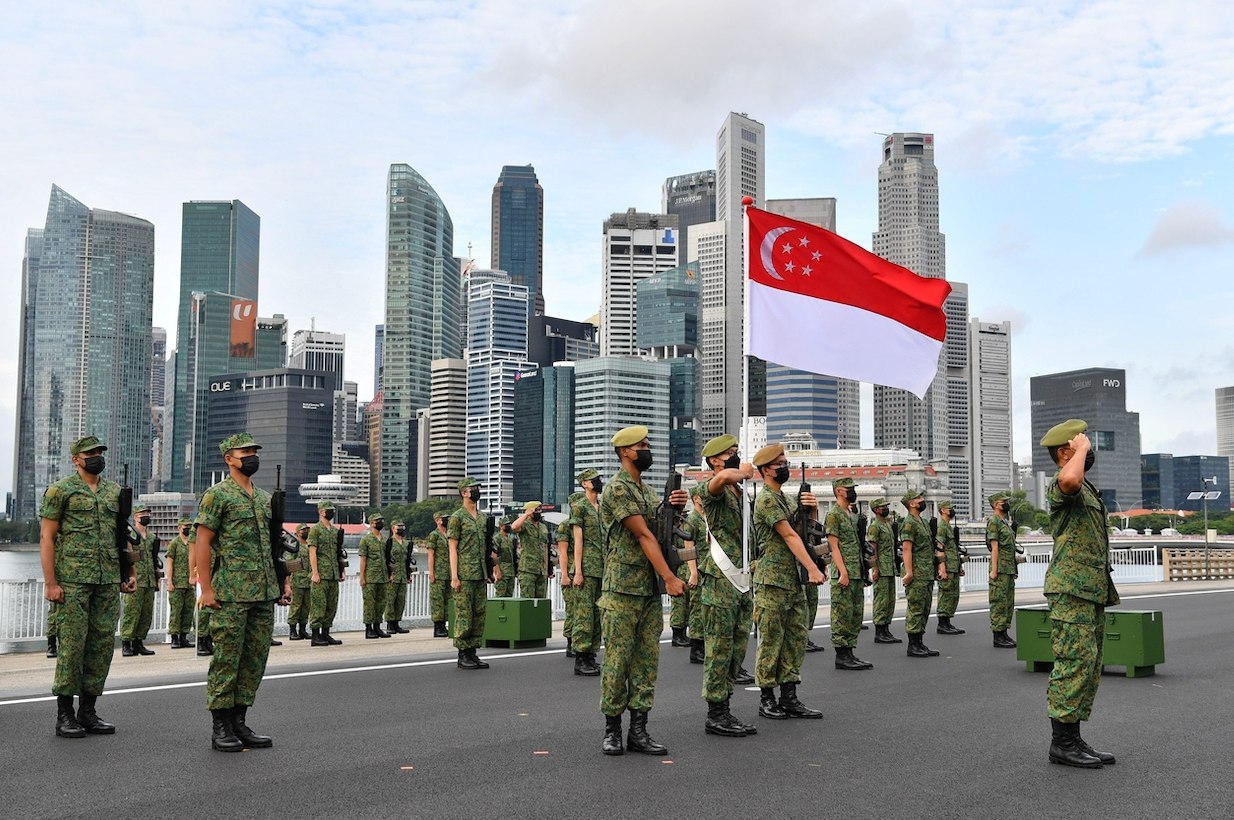
National Service touches nearly every Singaporean household at some point, whether as the son preparing to enlist, the parent adjusting to a quieter home for two years, or the extended family planning around training schedules and limited leave.
Administered through MINDEF and the respective service branches, NS shapes a long stretch of a young man’s life and reshapes family routines around it in ways that catch some households off guard.
This guide walks through what families and enlistees can expect, from the lead-up to enlistment through the years of reservist training that follow.
Preparing for Enlistment Before the Call-Up
Enlistment typically arrives after a young man completes his pre-university or equivalent education, though the exact timing depends on individual circumstances such as further study deferments or medical considerations assessed ahead of the call-up itself. Families often spend the months before enlistment managing a mix of practical preparation and emotional adjustment, especially in households where this marks a child’s first extended time away from home.
Pre-enlistment medical screening determines which vocations a recruit may be assigned to, covering physical fitness, medical history, and any conditions that might affect specific roles within the service. Families with a son facing a known medical condition should prepare relevant documentation well ahead of the screening appointment, since incomplete records can delay the classification process and create unnecessary stress during an already demanding transition.
- Medical screening: Determines vocation eligibility, covering fitness levels and any medical conditions requiring documentation.
- Fitness preparation: Many enlistees spend months before call-up building physical fitness to ease the transition into basic training.
- Document gathering: Birth certificates, identity documents, and relevant medical records should be organised ahead of enlistment day.
- Practical packing: Checklists provided by the service branch outline required items, though some personal adjustments are common among experienced enlistees’ families.
Many families find it helpful to speak with relatives or friends who have recently gone through the process, picking up practical tips that official checklists do not always capture in full.
The weeks before enlistment also tend to bring a shift in household dynamics that families do not always anticipate. Parents sometimes find themselves negotiating a delicate balance between offering support and respecting a son’s growing independence, especially as he begins taking more ownership over his own preparation. Siblings, too, often notice the change in household rhythm once the eldest or only son leaves for an extended stretch, with some younger siblings stepping into responsibilities previously handled by the one about to enlist. Acknowledging this shift openly, rather than treating it as an unspoken adjustment everyone muddles through separately, tends to make the transition smoother for the whole household.
Life During Basic Military Training
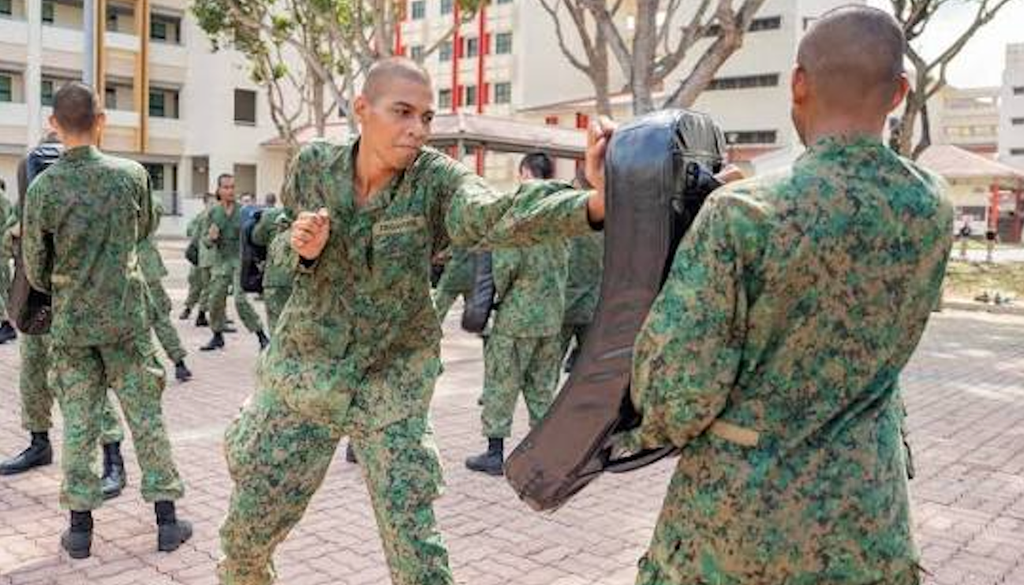
The initial weeks of basic training mark the steepest adjustment period for most enlistees, combining physical conditioning with a structured daily routine unlike anything most young men have experienced in civilian life. Homesickness is common during this phase, and families should expect limited contact during the earliest weeks before communication privileges gradually expand as training progresses.
Physical demands during this period are deliberately structured to build fitness progressively, though recruits entering with a weaker baseline fitness level tend to find the early weeks far harder than those who prepared beforehand. Injuries, when they occur, are generally managed through the service’s own medical support structure, with recovery periods built into training schedules for recruits who need it.
- Structured daily routine: A fixed schedule covering physical training, lessons, and rest periods, differing sharply from civilian routines.
- Limited early communication: Contact with family is restricted initially, expanding gradually as training progresses.
- Progressive fitness building: Physical training intensity increases gradually, designed to build conditioning rather than overwhelm recruits immediately.
- Medical support structure: Injuries are managed through dedicated medical channels, with recovery periods factored into training plans.
Families supporting a son through this period often find that care packages and scheduled visits, where permitted, help bridge the gap during weeks with limited direct contact.
Mental resilience matters as much as physical conditioning during these early weeks, since the combination of new routines, unfamiliar hierarchy, and reduced personal space can weigh on recruits who have never experienced anything quite like it before. Training staff are generally attentive to signs of struggle beyond the physical, with structured pastoral support built into the programme for recruits who need additional guidance adjusting. Families noticing unusual distress during the limited contact windows available should raise concerns through the appropriate channels rather than assuming the difficulty will simply resolve itself with time, since early support tends to produce a smoother overall adjustment.
Vocation Assignment and What It Means for Daily Life
Once basic training concludes, enlistees are assigned to a specific vocation, a decision shaped by medical classification, performance during initial training, and the operational needs of the service at that time. Vocation assignment shapes much of the remainder of an enlistee’s service, affecting everything from daily routines to the nature of leave and rest arrangements available.
Combat vocations generally involve more physically demanding routines and sometimes extended stretches away from home during field exercises, while support and administrative vocations tend to follow a more predictable daily schedule closer to standard working hours. Neither category is inherently better suited to every individual, and families sometimes need to adjust their expectations around visits and contact depending on which vocation a son has been assigned.
- Combat vocations: Typically involve more intensive physical training and extended field exercises away from base.
- Combat support vocations: Often blend physical demands with specialised technical or logistical responsibilities.
- Administrative and support vocations: Generally follow a schedule closer to conventional working hours with more predictable daily routines.
Enlistees and families curious about a specific vocation’s demands can often find general information through official service channels, though real day-to-day experience varies based on the specific unit and current operational requirements.
Specialist vocations, such as those involving technical equipment, medical support, or logistics coordination, sometimes come with additional training courses conducted after the initial vocation assignment, extending a recruit’s time in a structured learning environment before reaching their eventual unit. These courses can run anywhere from a few weeks to several months depending on the complexity of the role, and families should expect limited availability during this period similar to the earlier basic training phase. Enlistees who find themselves assigned to a specialist course they did not expect often discover unexpected benefits later, since the skills picked up sometimes translate directly into civilian career paths after service concludes.
Balancing Civilian Education and National Service
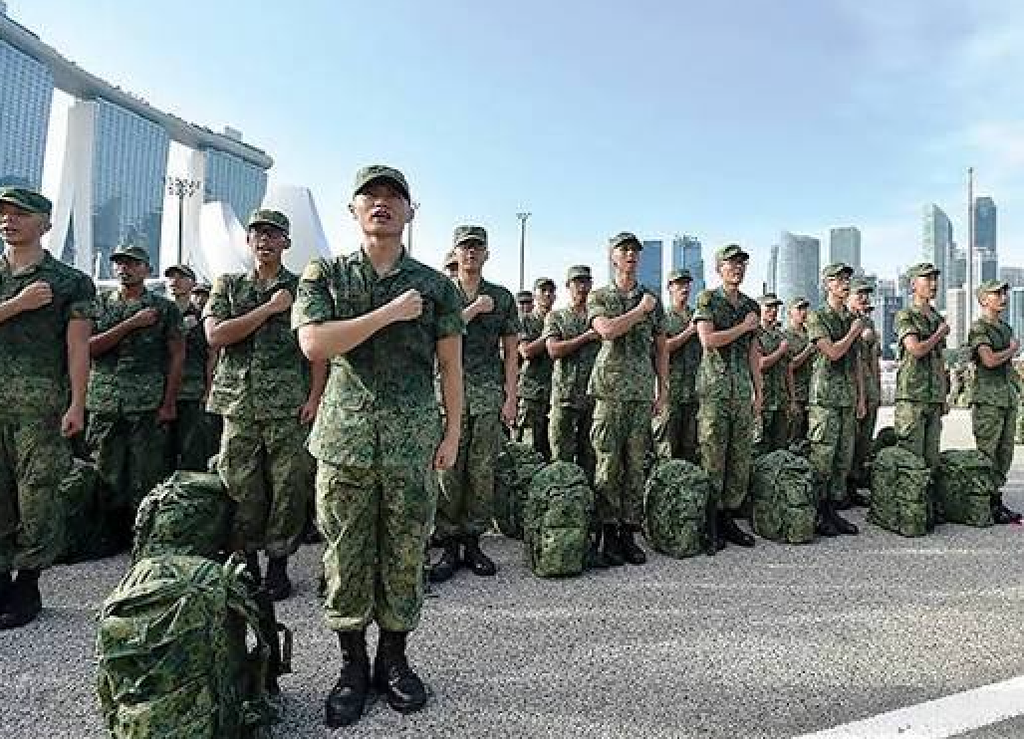
Many enlistees enter National Service with a planned path toward further education already in mind, whether a local university place secured before enlistment or ambitions to study overseas afterward. Managing this transition requires some forward planning, since deferments and the timing of applications need to account for the full duration of service rather than assuming a seamless, immediate continuation of studies.
Some enlistees use periods of National Service, especially quieter administrative postings, to study independently for entrance examinations or language proficiency tests required for future study plans. Universities in Singapore are generally familiar with the National Service obligation and build admission timelines around it, though students should still confirm specific deferment arrangements directly with their intended institution well ahead of enlistment.
- Local university deferment: Many local institutions accommodate a standard deferment aligned with the National Service period.
- Overseas study planning: Students planning to study abroad should confirm how their chosen institution handles National Service-related deferments.
- Self-directed study during service: Some enlistees use quieter postings to prepare for future academic requirements.
Keeping academic plans flexible during this period, rather than locking in rigid timelines before knowing one’s eventual vocation and posting, tends to reduce unnecessary stress for both enlistees and their families.
Scholarship holders face a slightly different set of considerations, since many scholarship agreements come with their own timeline expectations tied to a sponsoring organisation. Coordinating between the scholarship provider and the National Service timeline requires early and direct communication, since assumptions about how the two schedules interact can lead to avoidable complications later. Enlistees in this situation benefit from clarifying expectations with their sponsoring body well before enlistment, rather than discovering a scheduling conflict only after service has already begun.
Reservist Obligations After Full-Time Service
Completing full-time National Service does not end the obligation entirely, since most individuals transition into a reservist commitment involving periodic training exercises over subsequent years. These reservist cycles, often referred to informally within the community by their service designation, require individuals to return for structured training periods that can range from a few days to a couple of weeks depending on the cycle and unit requirements.
Employers in Singapore are legally required to accommodate reservist training obligations, and this arrangement generally works smoothly in practice, though individuals juggling demanding careers sometimes find scheduling reservist cycles around work commitments requires some coordination with employers well in advance. Families, too, adjust around these periodic absences, which tend to become a familiar if mildly disruptive rhythm over the years following full-time service.
Spouses and young families add another layer of planning once reservist cycles coincide with marriage and parenthood, since a training stint lasting a week or two can mean a parent temporarily unavailable for childcare or household responsibilities. Many households develop informal backup arrangements, leaning on grandparents or close relatives during these periods, treating reservist cycles as a predictable, if occasionally inconvenient, part of family planning rather than a surprise disruption each time a notice arrives. Advance notice of upcoming cycles, typically given well ahead of the training dates themselves, gives families enough lead time to arrange this kind of support.
- Scheduled training cycles: Periodic reservist training spread across subsequent years following full-time service completion.
- Employer accommodation: Legal protections require employers to support employees fulfilling reservist obligations.
- Fitness maintenance requirements: Ongoing fitness standards typically apply throughout the reservist period, with regular assessments.
Staying reasonably fit between training cycles makes each reservist stint far more manageable, a point many who have gone through multiple cycles emphasise to those just starting their own reservist journey.
Financial and Practical Support for Families
Several forms of financial and practical support exist to ease the burden on families during National Service, recognising that the period can create income gaps or logistical challenges for households depending on their circumstances. Allowances paid during full-time service provide enlistees with a modest personal income, while various support schemes exist for lower-income families facing added hardship during this period.
Families should also familiarise themselves with leave entitlements and visitation arrangements, which vary depending on the training phase and current operational schedule. Open house events and family days, held periodically throughout the service period, give relatives a structured opportunity to visit and see more of the environment their son is training within, often easing anxiety that builds up from limited information during earlier, more restricted phases.
- Monthly allowances: A modest personal income paid to enlistees throughout full-time service, scaled to rank and seniority.
- Support schemes for lower-income households: Additional financial assistance available for families facing added hardship during the service period.
- Family days and open house events: Scheduled opportunities for relatives to visit and gain insight into daily training life.
Community organisations and grassroots groups within neighbourhoods also play a quiet but steady role in supporting families through this period, sometimes organising informal gatherings for parents whose sons enlisted around the same time, creating a support network built on shared experience. These informal networks often prove just as valuable as official support schemes, since parents going through the adjustment simultaneously can share practical advice and emotional reassurance in a way that official channels, however well designed, cannot always replicate.
Emotional Adjustment Across the Household
Beyond logistics and finances, the emotional dimension of National Service deserves attention in its own right, since the sudden absence of a family member reshapes daily household rhythms in ways both large and small. Parents who previously structured meals, conversations, and weekend plans around a son now present at home often describe an adjustment period lasting several weeks before a new routine settles in.
Younger siblings sometimes experience this shift differently from parents, occasionally feeling a mix of pride and a quieter sense of loss at losing a regular companion at home. Open conversation within the household about these feelings, rather than treating the adjustment as something to push through silently, tends to help every family member process the change at their own pace. Many families find that the adjustment period eases by a wide margin once the first few months pass and a new household rhythm, built around training schedules and periodic visits, becomes familiar.
Final Thoughts
National Service remains one of the most defining shared experiences across Singaporean households, shaping not just the enlistee but the whole family navigating the adjustment alongside him. Preparing ahead of enlistment, staying informed about vocation assignment and reservist obligations, and leaning on the practical support schemes available all help families move through this period with less unnecessary stress.
While every household experiences the transition differently, the structures built around National Service, from employer protections to family day events and community support networks, reflect a system designed with the broader family unit in mind, not just the individual in uniform.
Read more about Singapore Trends
Frequently Asked Questions
1. Can enlistment be deferred for medical or academic reasons?
Deferments are possible under specific circumstances, including ongoing medical treatment or confirmed academic commitments such as a scholarship requiring study to begin at a fixed time. Applications for deferment typically need to be submitted well ahead of the expected enlistment date, with proper supporting documentation required to justify the request and avoid delays in processing.
2. How often do reservist training cycles occur after full-time service ends?
The frequency and length of reservist cycles vary based on an individual’s vocation, rank, and the broader training needs of their unit, with most individuals completing a set number of cycles spread across roughly a decade following full-time service. Specific scheduling is communicated well ahead of each cycle, allowing individuals time to coordinate with employers and family commitments.
3. What happens if a family member needs urgent support while a son is serving?
Compassionate leave and emergency contact arrangements exist for situations involving urgent family matters, allowing enlistees to be reached and granted leave where circumstances warrant it. Families facing an urgent situation should contact the relevant unit or service hotline directly, rather than waiting for a scheduled visit or communication window.
4. Are there differences in National Service obligations based on citizenship status?
Obligations generally apply to male citizens and certain categories of permanent residents, with specific rules governing eligibility, deferment, and exemption that depend on individual circumstances such as dual citizenship or residency history. Families with questions about a specific case should consult official guidance directly rather than relying on informal assumptions carried over from unrelated cases they have heard about.
5. Does National Service affect long-term career prospects?
Many employers view National Service positively, recognising the leadership, discipline, and teamwork skills developed during the experience, and some vocations provide certifications or skills with direct civilian career relevance. The broader impact on career timing mainly relates to the delay in entering the workforce or starting further study, which most young men and their families plan around as a known, fixed feature of the pathway ahead.
6. How can families best support a son through the adjustment period?
Maintaining regular contact within allowed communication windows, sending care packages during permitted periods, and attending family days when scheduled all help ease the adjustment, alongside simply being patient with mood shifts that are common during a demanding and unfamiliar transition. Avoiding excessive pressure or comparison with how other recruits seem to be coping also helps, since each individual adjusts at their own pace and on their own timeline.