Grocery shopping is one of the few household expenses that repeats every single week, which makes even small, consistent savings add up over a year in a way that a one-off discount never quite matches.
Singapore’s major supermarket chains, including NTUC FairPrice, Cold Storage, and Sheng Siong, each run their own loyalty programs offering points, member pricing, or cashback in different forms, and the right choice often depends less on which chain has the flashiest promotions and more on where a household already shops most often. This guide compares how these programs work in practice so shoppers can decide where their loyalty is best placed.
Enrolling in the FairPrice Loyalty Program
NTUC FairPrice, as Singapore’s largest supermarket chain with an extensive network of outlets across HDB heartlands, runs a loyalty program built around member pricing and points that can be redeemed for future purchases or specific rewards. Because FairPrice’s footprint is so broad, spanning full-size supermarkets, smaller Xtra outlets, and neighbourhood-level Finest stores, many households already shop there regularly for convenience alone, which makes the loyalty program relevant to a large share of Singapore’s grocery shoppers by default.
Membership is generally straightforward to set up, often tied to a mobile app or physical card that gets scanned at checkout, with points accumulating based on spend and sometimes boosted during specific in-store or app-based promotions. Because FairPrice also owns several other retail and dining brands under the wider NTUC Enterprise umbrella, some loyalty benefits extend beyond just grocery shopping, which can add value for households that also frequent related outlets.
Members should pay attention to how member-exclusive pricing differs from standard shelf pricing, since some of the real savings in a program like this come not from points accumulation alone but from lower prices offered specifically to members on selected items each week. Shoppers who only track points redemption while ignoring member pricing differences may be missing a large share of the available savings. Features of the FairPrice program worth noting include:
- Member pricing: Selected items are priced lower specifically for loyalty members, distinct from general store promotions available to all shoppers.
- Points accumulation: Points earned on regular purchases can be redeemed for future discounts or specific rewards within the program.
- App-based tracking: A mobile app typically lets members track points balances, view personalised offers, and access digital coupons.
- Cross-brand benefits: Membership can sometimes extend value across other outlets under the same corporate umbrella beyond core grocery shopping.
- Periodic bonus promotions: Extra points or discounts are often offered during specific campaigns, rewarding shoppers who time larger purchases accordingly.
Weighing Cold Storage’s Rewards Structure
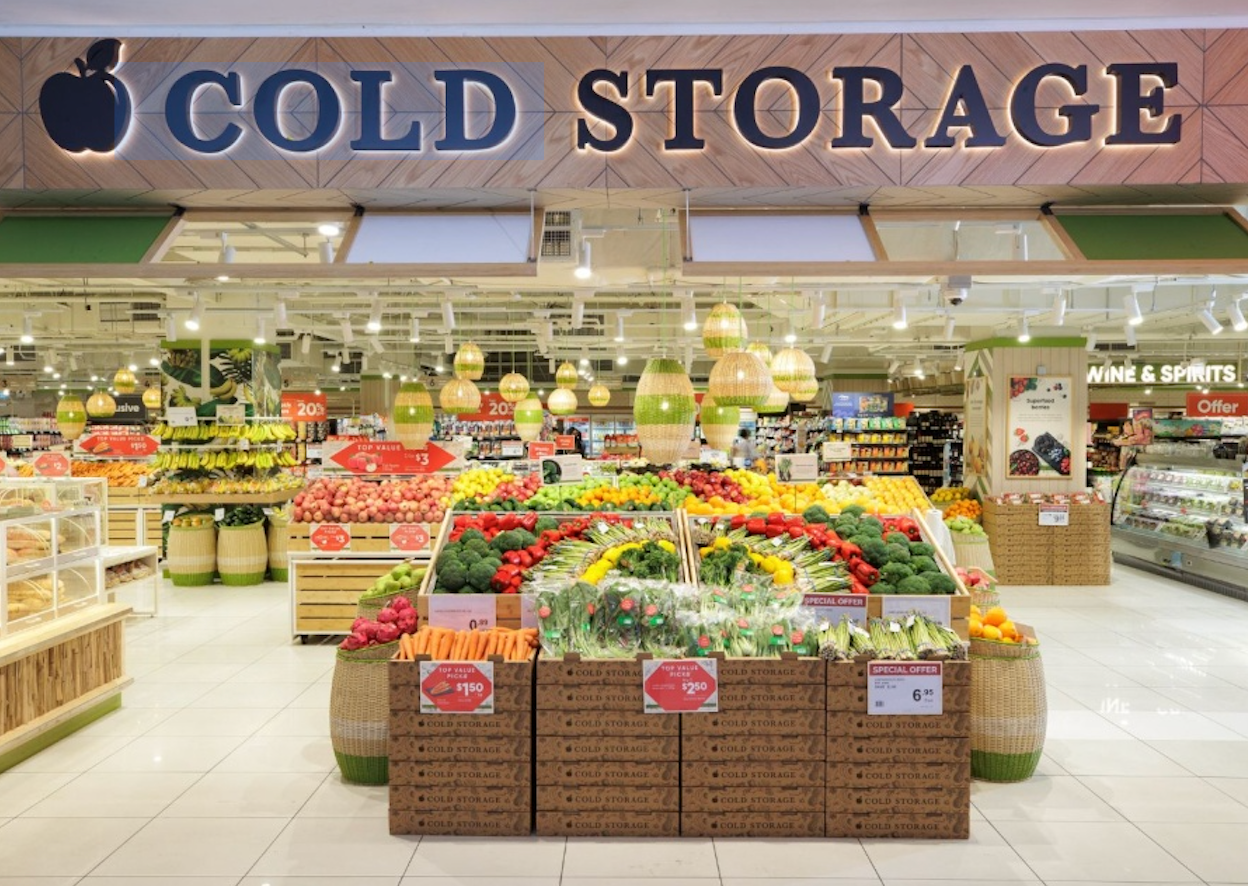
Cold Storage positions itself somewhat differently from FairPrice, often associated with a slightly more premium range of products and a customer base that may prioritise selection and imported goods alongside everyday staples. Its loyalty program similarly rewards regular shoppers through points or member pricing, though the specific structure and outlet network differ enough from FairPrice that a direct comparison requires looking at where a household shops most in practice, rather than assuming one program is universally better than the other.
Because Cold Storage’s outlet network tends to be somewhat more concentrated in specific areas compared with FairPrice’s broader heartland presence, the practical value of its loyalty program depends heavily on proximity for a given household. A family living near a Cold Storage outlet with convenient access may find its program delivers strong ongoing value, while a household further from any outlet may struggle to accumulate enough regular visits to make the program worthwhile compared with a more conveniently located alternative.
Shoppers who split their grocery runs between Cold Storage and other chains for different categories, such as imported goods from one and everyday staples from another, should weigh whether concentrating spend at a single chain to maximise one loyalty program outweighs the benefit of shopping around for the best price on each specific item. This trade-off between loyalty concentration and price shopping applies across all the programs covered here, not just Cold Storage specifically. Considerations relevant to evaluating this program include:
- Outlet proximity: How conveniently located Cold Storage outlets are relative to a household’s regular routine, which affects how easily points can accumulate.
- Product range fit: Whether the chain’s selection, including imported and specialty goods, matches what a household regularly buys.
- Points redemption value: How favourable the redemption rate is when converting accumulated points into discounts or rewards.
- Promotional frequency: How often bonus point campaigns or member-only discounts are run throughout the year.
- Overlap with other loyalty programs: Whether a household’s existing loyalty commitments elsewhere make concentrating further spend at this chain worthwhile.
Assessing Sheng Siong’s Value Proposition
Sheng Siong has built its reputation around consistently competitive pricing on everyday staples, appealing to budget-conscious households who prioritise low prices over a broader loyalty program with points or member tiers. While Sheng Siong does offer promotional pricing and periodic loyalty initiatives, its core value proposition tends to rest more on the everyday shelf price itself rather than a points-heavy rewards structure that require accumulation over time to unlock worthwhile savings.
This distinction matters for shoppers deciding where to concentrate their grocery spend. A household that values simplicity and consistently low prices without needing to track points balances or remember to scan a loyalty card at checkout may find Sheng Siong’s straightforward approach more practical than juggling a points-based program elsewhere. Conversely, a household that shops in larger, less frequent batches might get more value from a points-based program at a chain like FairPrice, where accumulated points from a big shop can translate into a noticeable future discount.
Because pricing strategies differ across these chains, price-conscious shoppers sometimes benefit from comparing a basket of regularly purchased items across all three chains periodically, rather than assuming one chain is always cheaper across every category. Prices on specific items can shift between chains depending on promotions and supply conditions, so what was cheapest last month is not guaranteed to remain cheapest indefinitely. Points to weigh when assessing this chain include:
- Everyday shelf pricing: Whether the base price on frequently purchased staples is consistently competitive without needing to wait for a promotion.
- Simplicity of shopping: Whether the household prefers a straightforward low-price approach over a points-based rewards system.
- Promotional timing: How often and how deep promotional discounts run compared with the chain’s everyday baseline pricing.
- Store format and accessibility: How outlet size and location fit a household’s typical shopping routine and basket size.
- Category-specific competitiveness: Whether certain categories, such as fresh produce or household staples, are especially competitively priced compared with other chains.
Calculating Real Household Savings Across Programs
The theoretical value of a loyalty program only translates into real savings if a household shops consistently enough at one chain to accumulate worthwhile points or regularly benefits from member pricing on items they already buy. A household that splits grocery shopping evenly across three or four different chains based on convenience or specific deals may find that no single loyalty program accumulates enough value to matter much, since spend is too thinly spread across each program.
Calculating real savings requires looking beyond the headline value of points per dollar spent and considering how often a household shops at a given chain in practice, how large their average basket is, and whether member-exclusive pricing overlaps with items they regularly buy anyway rather than items they would not otherwise purchase. A loyalty program that offers strong rewards on categories a household rarely buys delivers far less real value than one offering modest rewards on categories bought every week.
Households serious about maximising grocery savings often benefit from picking one or two primary chains to concentrate most of their regular shopping at, rather than spreading spend too thin across every available program, while still shopping around opportunistically for specific big-ticket items where a competitor offers a clearly better deal. A practical approach to calculating and maximising savings includes:
- Tracking typical basket composition: Noting which items are bought regularly to assess how well each program’s member pricing overlaps with real needs.
- Estimating annual points value: Calculating roughly how much a year of typical spend at a given chain would translate into in points or discounts.
- Comparing loyalty concentration versus spreading spend: Weighing whether committing most shopping to one chain outweighs price-shopping across several.
- Monitoring promotional cycles: Timing larger purchases, such as bulk household staples, around known promotional periods for extra savings.
- Reviewing annually: Reassessing which chain delivers the best value periodically, since pricing strategies and promotions shift over time.
Using Digital Payment and Cashback Overlaps
Beyond the supermarket’s own loyalty program, many shoppers stack additional savings through credit card cashback, digital payment rewards, or bank-linked promotions tied to specific supermarket spend categories. Because several banks in Singapore offer elevated cashback or rewards specifically for grocery spending, combining a supermarket’s own loyalty program with the right payment method can noticeably increase total savings beyond what either program offers alone.
Shoppers should check whether their preferred payment method, whether a specific credit card or a digital wallet, offers any bonus categories that align with grocery spending, since these bonuses often apply automatically at checkout without requiring extra effort beyond using the right card. Coordinating which card to use at which supermarket, based on where each card’s bonus categories align best, can add a further layer of savings on top of the supermarket’s own program.
That said, chasing every possible cashback and points combination can become more effort than it is worth for some households, especially if it means carrying multiple cards or switching payment methods frequently just to optimise small percentage differences. A simpler approach, settling on one well-matched card and one primary supermarket loyalty program, often delivers most of the available savings without the mental overhead of tracking multiple overlapping systems. Factors worth considering when layering payment rewards include:
- Bonus category alignment: Whether a credit card or digital wallet offers elevated rewards specifically for supermarket or grocery spending categories.
- Stacking compatibility: Whether supermarket loyalty points and payment method cashback can both be earned on the same transaction without restriction.
- Card annual fees: Whether the value of grocery cashback justifies any annual fee attached to a card being used primarily for this purpose.
- Redemption simplicity: How easily cashback or points can be redeemed or offset against a bill, versus programs requiring complex redemption steps.
- Overall complexity tolerance: How much effort a household is willing to put into tracking and coordinating multiple overlapping reward systems.
Protecting Household Budgets During Price Fluctuations
Grocery prices can shift with broader supply conditions, seasonal availability, and import costs, and loyalty programs alone do not fully shield a household from these fluctuations, since even member pricing is set relative to a chain’s underlying cost base at any given time. Households that pair a loyalty program with broader budgeting habits, such as planning meals around seasonal or currently discounted ingredients, tend to manage grocery spending more steadily than those relying on loyalty rewards alone to keep costs in check.
Bulk buying non-perishable staples during promotional periods, often flagged through a loyalty app or store newsletter, can further stretch a household’s grocery budget, though this approach works best when paired with adequate storage space and a realistic sense of what a household will truly consume before an item’s shelf life runs out. Overbuying perishable items in pursuit of a promotional discount can end up costing more in wasted food than the original saving was worth, so households should weigh promotional pricing against realistic consumption patterns rather than buying purely because an item is discounted.
Tracking grocery spending over a few months, whether through a simple budgeting app or a household spreadsheet, also helps identify which loyalty program and shopping habits are delivering the most value in practice, rather than relying on assumptions about where the best deals are found. This kind of light tracking does not need to be elaborate to be useful; even a rough monthly total by chain is often enough to reveal patterns worth acting on. Households that revisit this tracking periodically tend to catch shifts in pricing or promotions across chains that might otherwise go unnoticed. Habits that support steadier grocery budgeting include:
- Planning meals around promotions: Building weekly meal plans partly around currently discounted or seasonal ingredients flagged through loyalty apps.
- Buying non-perishables in bulk selectively: Taking advantage of promotional pricing on staples with a long shelf life, while avoiding overbuying perishable goods.
- Tracking spending over time: Reviewing grocery spending periodically to confirm which chains and habits are delivering the most consistent value.
- Avoiding impulse purchases from promotions: Being selective about which promotional deals closely align with planned household needs.
- Reassessing loyalty program value regularly: Checking that a chosen loyalty program continues to deliver worthwhile savings as pricing and promotions shift over time.
Final Thoughts
Comparing supermarket loyalty programs in Singapore comes down to matching a household’s real shopping habits against what each chain’s program rewards most. FairPrice’s broad reach and member pricing, Cold Storage’s positioning around selection and proximity, and Sheng Siong’s consistently competitive everyday pricing each suit different shopping styles rather than one being objectively superior.
Layering in payment method rewards can add further savings, but the biggest gains usually come from choosing one or two primary chains that match a household’s routine rather than spreading loyalty too thin across every available program. Pairing that focus with steady budgeting habits, rather than relying on any single program to carry the full weight of household savings, tends to produce the most reliable results over a full year of shopping.
Read more about Singapore Trends
Frequently Asked Questions
1. Is it worth joining more than one supermarket loyalty program?
It can be, especially if a household regularly shops at more than one chain for different categories of goods, but spreading spend too thin across several programs can reduce how worthwhile the accumulated points or discounts become at any single chain.
2. Do these loyalty programs require an annual fee to join?
Most supermarket loyalty programs in Singapore are free to join, though shoppers should check specific terms, since some premium tiers or linked credit card partnerships may carry separate fees.
3. Can loyalty points typically be combined with ongoing store promotions?
In most cases, yes, loyalty points can usually be earned alongside standard store promotions, though some member-exclusive pricing may already reflect a discount that is separate from points accumulation.
4. Which supermarket chain generally offers the lowest everyday prices?
This varies by category and changes over time as chains adjust pricing and promotions, which is why periodically comparing a household’s typical basket across chains tends to be more reliable than assuming one chain is always cheapest.
5. Do supermarket loyalty apps track spending automatically?
Most modern loyalty programs use an app or linked card that automatically tracks points and spending at checkout, removing the need for manual tracking, though members should still review their account periodically to confirm accuracy.
6. Is it better to concentrate shopping at one supermarket or split it across several?
This depends on household priorities; concentrating spend at one chain tends to maximise loyalty program value, while splitting shopping across chains can capture better prices on specific items but dilutes the benefit of any single loyalty program.