
Science/Health
Healthy Lifestyle for Better Memory and Focus: Complete Brain Health Guide

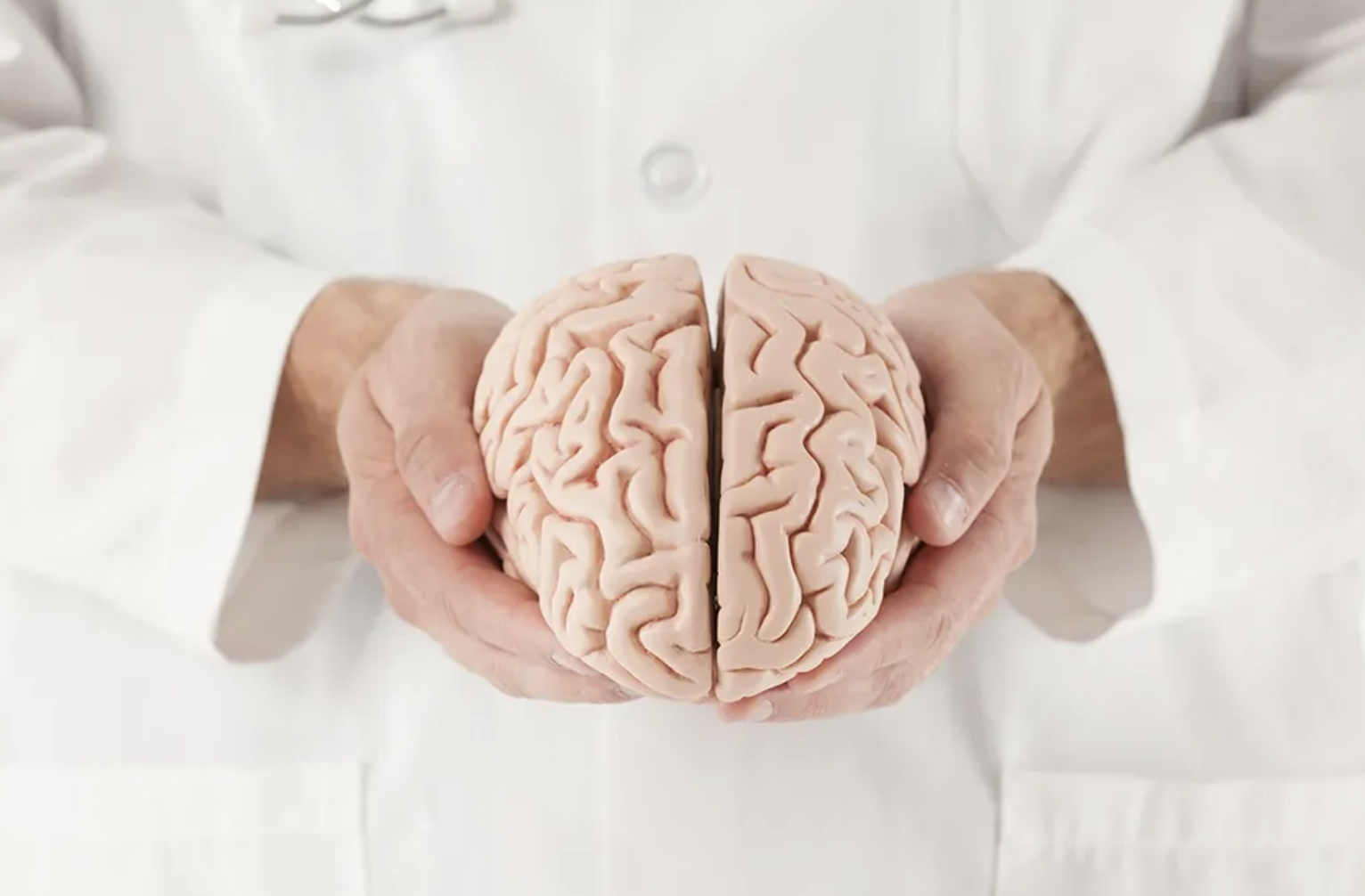
If you’ve ever walked into a room and forgotten why, or stared at your screen unable to focus, you’re not alone. In today’s fast-paced world, a healthy lifestyle for better memory and focus isn’t just a bonus it’s a basic need.
The good news is your brain isn’t fixed. It changes with your habits, your environment, and even your thoughts. This guide explains, in simple language, how everyday choices around food, sleep, movement, stress, and technology can sharpen your mind and protect your brain for life.
Understanding Brain Health, Memory, and Focus
How Your Brain Works Day to Day
Your brain is like the control centre of a busy city. Billions of cells called neurons send messages using tiny electrical and chemical signals. These messages help you:
- Pay attention in conversations
- Remember names, passwords, and directions
- Plan your work or studies
- Control mood and motivation
Two key processes matter for memory and focus:
- Neuroplasticity – your brain’s ability to change and form new connections
- Neurogenesis – creation of new brain cells, especially in the memory area (hippocampus)
A healthy lifestyle for better memory and focus strengthens both of these processes, so your brain becomes more adaptable and resilient.
Types of Memory You Use All the Time
You use different types of memory without even noticing:
- Short-term (working) memory – holding a phone number long enough to dial it
- Long-term memory – facts, skills, and life events
- Procedural memory – how to ride a bike or type on a keyboard
Focus is like the gatekeeper. When you focus well, more information passes from short-term to long-term memory. When you’re distracted or exhausted, that gate doesn’t work properly, and things just don’t stick.
To learn more about emotional wellbeing and everyday coping tools, check out our guide on Why Mental Health Matters and Simple Ways to Care for It.
Why a Healthy Lifestyle Matters for Better Memory and Focus

The Brain Body Connection
Your brain isn’t floating on its own. It depends on:
- Blood flow to bring oxygen and nutrients
- Hormones to balance mood and energy
- Immune system to control inflammation
When you choose a healthy lifestyle for better memory and focus, you’re really improving:
- Heart and blood vessel health
- Blood sugar control
- Inflammatory levels in the body
All of these directly affect your ability to think clearly and remember.
Common Threats to Brain Health
Many everyday habits quietly harm your brain over time:
- Chronic sleep loss – breaks down attention and memory consolidation
- High-sugar, ultra-processed diet – linked to inflammation and slower thinking
- Long-term stress damages brain areas involved in memory
- Smoking and heavy alcohol use – increase risk of stroke and dementia
- Lack of movement – reduces blood flow and brain growth factors
Some risks are especially important in urban settings like Singapore, where busy jobs, exam pressure, and screen-heavy lifestyles are common.
Nutrition for a Sharper Brain
A key part of a healthy lifestyle for better memory and focus is what’s on your plate. Food is raw material for brain cells and the fuel that powers your thoughts.
Key Brain-Boosting Nutrients
Your brain uses about 20% of your daily energy. It needs:
- Omega‑3 fatty acids (EPA, DHA) – support cell membranes and signalling
- Antioxidants (vitamins C, E, polyphenols) – protect from damage
- B vitamins (B6, B9, B12) – help with energy and neurotransmitters
- Magnesium and zinc – support learning and memory
- Choline – needed for acetylcholine, a memory chemical
A balanced diet usually covers these, but many people fall short, especially on omega‑3s and fibre.
Best Foods for Memory and Focus
Think in terms of patterns, not single “superfoods.” Aim for:
- Fatty fish – salmon, sardines, mackerel (rich in omega‑3)
- Leafy greens – spinach, kailan, bok choy, kangkong
- Colourful fruits and vegetables – berries, oranges, papaya, capsicum
- Whole grains – brown rice, wholemeal bread, oats, quinoa
- Nuts and seeds – walnuts, almonds, chia, flaxseed
- Legumes – lentils, chickpeas, soy beans, tau kwa
- Healthy fats – olive oil, avocado, nuts
Try to limit:
- Sugary drinks and desserts
- Deep-fried fast foods
- Processed meats and instant noodles
These can raise inflammation and blood sugar spikes, which hurt focus.
Simple Meal Ideas for Busy People
If you’re busy with work or school, you can still support brain health:
Breakfast
- Oatmeal with berries, a spoon of ground flaxseed, and a boiled egg
- Wholemeal toast with avocado and sliced tomato
Lunch
- Brown rice with grilled fish, mixed vegetables, and tofu
- Salad bowl with leafy greens, chickpeas, nuts, and olive oil dressing
Dinner
- Stir-fried vegetables with tofu and a small portion of noodles or rice
- Baked salmon with sweet potato and broccoli
Smart snacks
- A small handful of nuts
- Fruit with yoghurt
- Carrot sticks with hummus
If you eat out often (very common in Singapore), you can still choose:
- More vegetables and clear soups
- Less gravy, less deep-fried items
- Water or unsweetened tea instead of sugary drinks

Hydration, Caffeine, and Smart Beverage Choices
Why Water Intake Affects Thinking Speed
Even mild dehydration – just 1–2% of your body weight – can:
- Reduce attention
- Slow reaction time
- Increase fatigue and headaches
For better memory and focus, keep a water bottle near you. Plain water is best, but unsweetened herbal or green tea also helps.
Signs you may not be drinking enough:
- Dark yellow urine
- Dry mouth
- Frequent headaches
- Feeling sluggish for no clear reason
In a warm, humid climate like Singapore’s, you may need more fluids, especially if you’re walking outside or exercising.
Using Caffeine Without the Crash
Caffeine can help:
- Improve alertness
- Boost reaction time
- Increase motivation for tasks
But too much:
- Worsens anxiety
- Disrupts sleep (which harms memory)
- Can cause energy crashes
Use caffeine wisely:
- Limit to about 1–2 cups of coffee or tea per day
- Avoid strong caffeine after mid-afternoon
- Skip sugary energy drinks – the sugar spike hurts focus later
If you’re sensitive, try green tea: it has less caffeine and L‑theanine, which may support calm focus.
Sleep: The Night-Time Secret of Strong Memory
What Happens in Your Brain While You Sleep
During good-quality sleep, your brain:
- Sorts and stores new memories
- Clears waste products linked to brain diseases
- Resets emotional centres
- Repairs cells and connections
If you cut sleep short, you’re not just tired. You’re blocking a core part of a healthy lifestyle for better memory and focus.
Chronic sleep loss leads to:
- Poor attention and slower thinking
- Weaker learning and memory
- Higher risk of mood problems and burnout
Building a Sleep Routine for Better Focus
Aim for 7–9 hours of sleep most nights. To improve sleep:
- Keep a regular schedule – same sleep and wake times, even on weekends
- Wind down routine – 30–60 minutes with low light and calm activities (reading, stretching)
- Limit screens before bed – blue light can trick your brain into staying awake
- Avoid heavy meals and alcohol close to bedtime
- Keep your room cool, dark, and quiet
If racing thoughts keep you up, try:
- Writing a quick “worry list” and parking it for tomorrow
- Simple breathing: in for 4 seconds, hold 4, out for 6–8 seconds
If snoring, gasping, or very unrefreshing sleep is common, consider seeing a doctor. Sleep disorders like sleep apnea are treatable and strongly affect brain health.
Exercise and Movement for Long-Term Brain Health

How Physical Activity Changes the Brain
Exercise isn’t just for muscles. It’s one of the strongest tools in a healthy lifestyle for better memory and focus. Regular movement:
- Increases blood flow and oxygen to the brain
- Triggers release of BDNF (brain-derived neurotrophic factor), a “fertiliser” for brain cells
- Supports new connections and helps protect against age-related decline
- Improves mood and reduces stress, which helps focus
Practical Workout Ideas for Every Fitness Level
You don’t need a gym membership to support your brain. Try to get:
- 150 minutes per week of moderate exercise (like brisk walking)
- Plus strength training 2 days per week
Simple ways to do this:
- Walk 30 minutes most days (or 3 × 10-minute walks)
- Take stairs when possible
- Do bodyweight exercises at home: squats, push-ups against the wall, planks
For more variety:
- Join a dance, martial arts, or yoga class
- Cycle in the park
- Swim a few laps at the pool
If you’re starting from zero, begin small:
- 5–10 minutes of walking daily
- Gradually add time and intensity
Any increase in movement is better than none. Consistency matters more than perfection.
Stress, Emotions, and Mental Clarity
How Stress Blocks Memory and Focus
Short bursts of stress can sharpen you. But chronic stress:
- Raises cortisol levels
- Shrinks brain areas linked to memory (like the hippocampus)
- Makes you more easily distracted and forgetful
You might notice:
- Trouble concentrating on reading or meetings
- Forgetting simple tasks
- Feeling mentally “foggy”
A healthy lifestyle for better memory and focus must include stress management, not just food and exercise.
Simple Daily Stress-Management Tools
You don’t need fancy equipment to calm your mind:
- Deep breathing – a few slow breaths can lower stress signals
- Mindfulness – paying attention to the present moment without judging it
- Journaling – writing down worries or gratitude
- Nature time – short walks in green spaces can improve mood and clarity
- Social support – talking with friends or family members you trust
Try this simple practice:
- Sit comfortably, close your eyes
- Inhale slowly for 4 seconds
- Exhale gently for 6–8 seconds
- Repeat for 1–3 minutes
Over time, you’ll train your nervous system to relax more easily.
If stress feels overwhelming or lasts for weeks, consider professional help. Counsellors and psychologists can teach coping skills and spot problems like anxiety or depression.
Digital Habits and Focus in a Hyper-Connected World
The Cost of Constant Notifications
Smartphones and laptops are powerful tools, but constant alerts can:
- Break your attention every few minutes
- Make tasks take longer
- Increase stress and mental fatigue
Your brain needs “deep work” time – blocks of focused attention to learn and remember well. Without it, even a strong healthy lifestyle for better memory and focus can’t work at full power.
Creating a Brain-Friendly Digital Environment

Simple changes can boost focus:
- Turn off non-essential notifications
- Turn on Do Not Disturb when you need to focus on important work or study.
- Check email or messages at set times instead of all day
- Keep your phone out of sight when concentrating
Try the Pomodoro technique:
- Work for 25 minutes with full focus
- Take a 5-minute break
- After 4 rounds, take a longer 15–30-minute break
During breaks, avoid scrolling social media. Instead:
- Stand up and stretch
- Take a few deep breaths
- Get a drink of water
Your brain will thank you with better concentration and memory.
Brain-Training, Learning, and Mental Fitness
Does Brain Training Really Work?
Apps and games that claim to boost memory and focus can help in some ways, but they’re not magic. They often improve your skill at the game itself more than overall thinking.
For a truly healthy lifestyle for better memory and focus, mix in real-world mental challenges:
- Learning a new language
- Playing a musical instrument
- Tackling difficult books or courses
- Solving real problems at work or in your community
These activities build broad skills like planning, attention, and flexible thinking.
Lifelong Learning Strategies for a Strong Mind
To keep your brain fit as you age:
- Stay curious – ask questions, read widely
- Teach others – explaining a topic strengthens your own understanding
- Space your learning – study a bit each day rather than cramming
- Mix topics – combine logic tasks with creative ones
You don’t have to study something huge. Even small, steady learning like reading 10 pages a day or watching an educational video – adds up over years.
Everyday Habits That Protect Your Brain Long-Term
Safety, Medical Conditions, and Check-Ups
Brain health also depends on physical safety and medical care:
- Protect your head – use helmets for cycling, motorbiking, or some sports
- Manage blood pressure, diabetes, and cholesterol these affect blood flow to your brain
- Don’t smoke, it damages blood vessels and raises stroke risk
- Keep alcohol intake low, as heavy drinking can damage memory and clear thinking
Routine visits to your doctor can detect potential problems at an early stage. If you notice sudden changes in memory or focus, don’t ignore them.
Social Life, Hobbies, and Purpose
Humans are social, Strong relationships and meaningful activities are part of a healthy lifestyle for better memory and focus:

- Spend time with friends and family
- Join clubs, interest groups, or volunteer programmes
- Keep hobbies alive, gardening, cooking, reading, singing, anything you enjoy
Having a sense of purpose, something you care about and work towards can:
- Protect against depression
- Support healthy habits
- Give your brain reasons to stay active and engaged
FAQs on Healthy Lifestyle for Better Memory and Focus
1. How long does it take to see results from a healthy lifestyle for better memory and focus?
Some people notice better focus within 1–2 weeks, especially after improving sleep and cutting down on junk food. Bigger changes in memory and mood may take 1–3 months of steady habits.
2. Can a healthy lifestyle for better memory and focus prevent dementia?
No lifestyle can guarantee prevention, but strong habits can lower your risk and may delay symptoms. Exercise, good nutrition, social contact, and mental activity all help protect the brain.
3. Do I need supplements for better memory and focus?
Most people can get what they need from a balanced diet.Supplements can be useful if you have a deficiency (such as vitamin B12 or vitamin D), but they should never be seen as a substitute for a complete healthy lifestyle for better memory and focus. Consult a healthcare professional before beginning any supplement.
4. Is coffee good or bad for brain health?
In moderate amounts, coffee or tea can support alertness and focus. Too much can disturb sleep and increase anxiety, which harms memory. Try to keep caffeine moderate and avoid it late in the day.
5. I’m very busy. What’s the single best change I can start with?
If you’re overloaded, start with sleep. Aim for 7–8 hours per night, with a regular bedtime and wake time. Consistent sleep powers your brain, and once you feel better, it becomes easier to tackle food, exercise, and other habits.
6. How can I help my child or teenager improve memory and focus?
For young people, the same principles apply:
- Regular sleep schedule
- Nutritious meals and snacks
- Time outdoors and daily movement
- Limit on screen time, especially near bedtime
- Plan your study into shorter sessions with regular breaks instead of long cramming marathons
Model the habits yourself. Children are more likely to imitate what you do than follow what you say.
Conclusion: Putting Your Brain-Healthy Lifestyle Into Action
Your brain is your most valuable asset. A healthy lifestyle for better memory and focus isn’t about perfection; it’s about many small choices repeated day after day.
To get started, pick just one or two of these steps:
- Include one more portion of vegetables with your main meal.
- Walk 15–20 minutes daily
- Turn off non-essential phone notifications
- Stick to a consistent bedtime every night
- Practice 3 minutes of deep breathing during your day
As these become habits, add more. Over months and years, these small changes build a powerful shield for your brain, supporting clearer thinking, stronger memory, and better focus at every age.
Read More on Sgtrends

Mental health is just as important as health. It is the thing that helps us think and feel and behave. Mental health is what helps us deal with the times and the bad times. It is how we make friends and make choices. When we have mental health we can be happy and healthy.. What does it mean to take care of our mental health?. How can we do it? In this article we will talk about why health matters. We will also talk about the things that happen when we have good mental health. Then we will give you some ideas on how to take care of your mental health.
Whether you are having a time or you just want to feel better this article is for you. Let us start talking about health. We will explore what mental health is and why it is so important. Mental health is what helps us live our lives. We need to take care of our health.
What is Mental Health?
Mental health is about how we feel, think and connect with others. It affects our lives in many ways. When our mental health is good we can deal with stress better, make friends easily and choose habits. Mental health helps us to be strong when life gets tough and to do well in the process. We can handle life’s challenges with confidence. Feel good about ourselves. Good mental health is key to a life. It helps us to enjoy life and be productive.
Why Mental Health Matters
Mental health is really important for a life. It affects everything we do like our relationships and our job. When our mental health is not good we can get anxious or depressed. It can even make us physically sick.. When our mental health is good it makes us feel happy and gives us lots of energy to do things. We can get a lot done. Feel good about ourselves. If we take care of our health we can handle tough times and do what we want to do. We can do well in all parts of our life like our work and our relationships and just feel good about everything. Mental health is the key to living a life so we should make sure to take care of our mental health.
How to Take Care of Your Mental Health
Taking care of your mental health is a journey, and there are many ways to prioritize it. Practice self-care through exercise, meditation, and relaxation to calm your mind and boost your mood. Build strong relationships and social support to feel seen and heard. Express yourself through writing, art, or talking to someone you trust about how you’re feeling. Get enough sleep (7-8 hours) and eat a balanced diet focusing on whole foods and fruits. If you’re struggling, don’t hesitate to seek help from a therapist or counselor. They’re there to support you
Mental Health Tips for Students
Take care of your health. It is very important to make time for the things that make you happy like reading or playing sports or listening to music. Try to set goals that you can really achieve and break down tasks into smaller tasks so you do not feel too stressed. If you need help do not be afraid to ask your friends or your family or a counselor for help. You don’t need to face everything alone. You should try to meet people and join a club or a group that you like and take care of the people you care about. Make sure you get sleep which is around seven to eight hours and eat food that is good for you and drink a lot of water. When you need to take a break. Practice relaxation techniques such as deep breathing, meditation, or yoga. When you care for your mental health, it becomes easier to perform well in school and everyday life.
Conclusion
Mental health is about finding balance and taking care of ourselves. When we make this a priority we can handle times better.We feel happier and healthier too. If we are struggling we should ask for help. We can turn to people we trust like friends or family. We can talk to someone who is trained to help with health. Every day we can do things to take care of our minds. We want to feel good. Thinking about what we’re thankful for can help. Getting rest, moving our bodies and eating good food are important too. This way we can deal with problems that come up in life. We need to talk about health. This way people do not feel ashamed or alone. We can create a community where people feel safe talking about their feelings.

Flexibility is a key part of excelling in gymnastics. Whether you’re working towards perfect splits or aiming to improve your backbend, increasing your flexibility can help you perform better and stay safe from injuries. If you’re looking for easy ways to become more limber and agile, here are some friendly and effective tips to guide you.
1. Warm Up Before Stretching

Always start with a light warm up like jogging, jumping jacks, or skipping for about 5 to 10 minutes. Warming up gets your muscles ready to stretch, making them more flexible and reducing the chance of pulling a muscle.
2. Make Stretching a Daily Routine

Consistency is the secret to success. Try to dedicate 10 to 15 minutes each day to stretching exercises. Regular practice helps your muscles become more elastic, gradually increasing your overall flexibility.
3. Mix Dynamic and Static Stretches

Dynamic stretches involve moving your body parts through a full range of motion like leg swings or arm circles. These are perfect before practice to get your muscles ready.
Static stretches mean holding a stretch position for 20 to 30 seconds or longer. Do these after your workout to help your muscles relax and stretch further.
4. Focus on Key Muscle Groups

Pay special attention to muscles critical for gymnastics, such as your hamstrings, hip flexors, back, shoulders, and calves. Stretching these areas will help you improve your skills and avoid tightness that can limit movement.
5. Use Proper Stretching Technique

Never force a stretch push gently until you feel a mild stretch, not pain. Overstretching can cause injuries. Remember to breathe deeply and relax into each stretch to maximize benefits.
6. Try Yoga or Pilates

Yoga and Pilates are excellent practices for enhancing flexibility, boosting strength, and improving balance. Plus, they teach you how to breathe mindfully and become more aware of your body, which is very helpful for gymnasts.
7. Be Patient and Listen to Your Body

Flexibility doesn’t happen overnight. Progress gradually, and don’t push through pain. Rest if you feel discomfort, and trust that consistent, gentle stretching will bring results over time.
8. Get Expert Help if Needed

If you’re unsure about your stretching techniques or want a personalized plan, consider working with a coach or physical therapist. They can help you perform exercises safely and tailor routines to your current flexibility level and goals.
Final Thoughts

Improving your flexibility is a journey that takes patience and dedication. Stick with your stretching routine, stay motivated, and you’ll notice your body becoming more agile and ready to pull off those impressive gymnastics moves. Remember, a flexible body is a strong body!

Colonoscopy is widely recognized as an essential screening tool for colorectal cancer, but its diagnostic value extends far beyond malignancy prevention. By allowing direct visualization of the colon and rectum, colonoscopy provides detailed information about the health of the lower gastrointestinal tract. It can identify inflammatory disease, bleeding sources, structural abnormalities, and precancerous changes, often before symptoms become severe.
As people age, the risk of colorectal disorders increases significantly. Changes in bowel habits, unexplained anemia, abdominal discomfort, or rectal bleeding become more clinically important after midlife because they may reflect underlying pathology rather than benign variation. For individuals considering Singapore colonoscopy, understanding the range of conditions commonly diagnosed through this procedure helps clarify its role in comprehensive digestive health evaluation.
Why Colonoscopy Becomes More Important With Age
The colon undergoes gradual changes over time. Motility may slow, diverticula may form, and cumulative exposure to dietary and environmental factors may affect mucosal integrity. Most importantly, the incidence of colorectal cancer and precancerous polyps rises sharply after age 45–50.
Many colorectal conditions develop silently. Polyps may grow for years without causing symptoms, and inflammatory changes may remain mild until complications occur. Because early-stage colorectal cancer is frequently asymptomatic, screening is often recommended even in individuals who feel well.
Beyond cancer prevention, colonoscopy provides an opportunity to diagnose chronic gastrointestinal disorders early, allowing intervention before significant progression.
Screening, Prevention, and Early Detection Through Colonoscopy
Colonoscopy is considered one of the most comprehensive colorectal evaluations because it is both diagnostic and preventive. During the procedure, a flexible endoscope is advanced through the rectum to examine the entire colon lining. This allows identification of:
- Adenomatous polyps
- Serrated lesions
- Early colorectal cancers
- Inflammatory changes consistent with colitis
- Vascular abnormalities causing bleeding
A key preventive advantage is that polyps can often be removed during the same procedure through polypectomy. Removing precancerous lesions interrupts the adenoma-to-carcinoma sequence, reducing future cancer risk.
Screening intervals vary based on findings:
- Average-risk individuals may undergo colonoscopy every 10 years
- Patients with adenomas often require repeat evaluation in 3–5 years
- Those with strong family history or inflammatory bowel disease may need earlier and more frequent surveillance
Early detection is associated with significantly improved outcomes compared with diagnosis after symptoms appear.
Daily Lifestyle Factors That Influence Colorectal Health
Colonoscopy findings often reflect long-term lifestyle influences on the gastrointestinal tract. Diets low in fiber and high in processed meats have been associated with increased colorectal cancer risk, possibly through changes in gut microbiota and exposure to carcinogenic metabolites.
Other lifestyle factors linked to colorectal health include:
- Sedentary behavior and obesity
- Smoking, which increases colorectal cancer risk
- Heavy alcohol intake
- Chronic metabolic inflammation
Conversely, regular physical activity, maintaining a healthy weight, and consuming fruits, vegetables, and whole grains may support bowel regularity and reduce baseline risk.
Lifestyle modification does not replace screening, but it can complement preventive strategies over time.
Age-Related and Chronic Conditions Diagnosed Through Colonoscopy
Several common colorectal conditions become more prevalent with age and may be identified through colonoscopy.
Diverticulosis is one of the most frequent findings in older adults. It involves small outpouchings of the colon wall, often asymptomatic but sometimes associated with bleeding or diverticulitis.
Inflammatory bowel diseases such as ulcerative colitis and Crohn’s disease may also be diagnosed or monitored through colonoscopy. Chronic inflammation increases long-term colorectal cancer risk, making surveillance important in these patients.
Colonoscopy may identify ischemic colitis, which occurs when reduced blood flow causes mucosal injury, typically presenting with abdominal pain and bleeding.
Hemorrhoids and other anorectal conditions may be evaluated when rectal bleeding is present, although colonoscopy is often performed to exclude more proximal causes.
Prescription Versus Over-the-Counter Approaches to Digestive Health
Unlike dermatologic care, colorectal disease prevention is not primarily managed through over-the-counter products. However, certain medications may influence colorectal risk.
Aspirin and other nonsteroidal anti-inflammatory drugs have been associated with reduced colorectal cancer incidence in some studies, likely through cyclooxygenase inhibition and reduced inflammatory signaling. These medications carry bleeding risks and should only be considered under medical supervision.
Fiber supplements may improve constipation and bowel regularity but do not replace colonoscopic screening or polyp removal. Probiotics may support gut microbiota balance but have limited evidence for preventing structural colorectal disease.
The most effective preventive strategy remains direct detection and removal of precancerous lesions through colonoscopy.
In-Clinic Procedures and Interventions Performed During Colonoscopy
Colonoscopy is not only diagnostic but also therapeutic. During the exam, clinicians may perform:
- Polypectomy to remove precancerous growths
- Biopsy of suspicious lesions or inflammatory areas
- Endoscopic mucosal resection for larger polyps
- Treatment of bleeding lesions in selected cases
If colorectal cancer is detected, further management may involve surgical resection, chemotherapy, or radiotherapy depending on stage and location. Detecting the condition early through colonoscopy can significantly decrease the likelihood of requiring extensive treatment.
What Our Colorectal Surgeon Says
In my clinical practice, I often explain that colonoscopy provides a detailed assessment of colon health, not just a cancer screening result.
Many serious colorectal conditions begin quietly, with minimal symptoms. By examining the colon directly, we can identify polyps, inflammatory disease, diverticular changes, or bleeding sources early. Patients who undergo screening at recommended intervals often benefit from earlier intervention and improved long-term outcomes.
Putting This Into Practice
- Discuss screening after age 45–50 with your healthcare provider
- Consider earlier evaluation if you have a family history of colorectal cancer
- Follow a diet rich in fiber while limiting processed meat consumption
- Participate in regular exercise to promote healthy bowel function
- Follow surveillance intervals based on colonoscopy findings
When to Seek Professional Help
- Blood in the stool or unexplained rectal bleeding
- A lasting change in bowel habits that continues for several weeks or longer
- Unexplained weight loss or fatigue
- Iron-deficiency anemia without clear cause
- Strong family history of colorectal cancer or polyps
- Diagnosis of inflammatory bowel disease requiring surveillance
Commonly Asked Questions
What are the most common findings on colonoscopy?
The most frequent findings include polyps, diverticulosis, hemorrhoids, and inflammatory changes.
Can colonoscopy diagnose inflammatory bowel disease?
Yes. Colonoscopy with biopsy is a key tool for diagnosing and monitoring ulcerative colitis and Crohn’s disease.
Does colonoscopy always detect colorectal cancer?
Colonoscopy is highly effective for detecting cancers and precancerous lesions, though no test is perfect. Adequate bowel preparation improves accuracy.
Are polyps always dangerous?
Most polyps are benign, but some types may become cancerous over time, which is why removal and surveillance are important.
How often should I have a colonoscopy?
Average-risk individuals may need screening every 10 years, while those with polyps or higher risk may require more frequent exams.
Next Steps
Colonoscopy is a valuable tool for diagnosing a wide range of colorectal conditions, from benign structural changes to inflammatory disease and precancerous lesions. If you are approaching screening age or experiencing symptoms such as bleeding or persistent bowel changes, consultation with a colorectal specialist can help determine whether colonoscopy is appropriate and guide long-term digestive health planning.


Authentic Singapore Laksa Recipe: Step by Step Guide for Home Cooks + 7 Powerful Tips

DIY Home Decor Ideas for Singapore Homes: Small Spaces, Big Style

Building Production Ready AI in Singapore: An End to End MLOps Guide to Tools, Pipelines, and Deployment
Wedding day horror: Groom falls to death at VOCO Orchard Hotel on Wedding Day

EdTech in Singapore: 150+ Companies Driving $180M Digital Learning Revolution

Singapore JC Ranking: A Complete Guide for Students
-
Blog8 months ago
Wedding day horror: Groom falls to death at VOCO Orchard Hotel on Wedding Day
-
Technology7 months ago
EdTech in Singapore: 150+ Companies Driving $180M Digital Learning Revolution
-
Education10 months ago
Singapore JC Ranking: A Complete Guide for Students
-

 Food6 months ago
Yi Dian Dian Bubble Tea Singapore: Menu, Outlets & Try Drinks
-
 Blog10 months ago
Best of SG with Singapore Rediscover Voucher
-
 Business10 months ago
What to Expect During PSLE Marking Days 2023
-
 Digital Marketing7 months ago
How to Run Effective Xiaohongshu Advertising Campaigns
-
 Digital Marketing7 months ago
Why Xiaohongshu Ads Are a Must for Reaching Chinese Consumers