
Technology
How 5G is Changing the Way We Use Internet


For many years, we thought 4G was the peak of mobile technology. It allowed us to stream videos, use GPS, and scroll through social media with ease. But as we move through 2026, a new giant has taken over the world: 5G. If you think 5G is just about “faster downloads,” you are only seeing a small part of the picture.
5G is not just an upgrade; it is a fundamental shift in how the world stays connected. It is the backbone of Emerging Tech Trends like self-driving cars, remote surgeries, and smart cities. In this guide, we will explore how this powerful technology is changing our daily lives, our businesses, and our future.
1. Speed Beyond Imagination
The most obvious change is the speed. While 4G could reach speeds of up to 100 Mbps, 5G has the potential to hit 10 Gbps. That is 100 times faster!
In 2026, this means you can download a full 4K movie in less than 10 seconds. But speed isn’t just for movies. For businesses, this means cloud-based software runs as fast as if it were installed on the computer’s hard drive. There is no more “waiting for the file to upload.” Everything happens instantly.
2. The Death of “Lag” (Low Latency)
Have you ever been on a video call and noticed a delay between when you speak and when the other person hears you? That delay is called Latency. 4G has a latency of about 50 milliseconds. 5G drops that to 1 millisecond. To a human, this feels like zero delay. This near-instant communication is what makes these Emerging Tech Trends possible:
- Remote Surgery: A doctor in London can control a robotic arm to perform surgery on a patient in New York without any lag.
- Cloud Gaming: You can play high-end games on your phone without needing an expensive console, because the “brain” of the game is in the cloud, reacting instantly to your touch.
3. Connecting a Million Devices at Once
A key drawback of 4G was its faltering performance in packed venues like stadiums and concert halls. 5G overcomes this with its enormous capacity, supporting up to 1 million devices per square kilometer paving the way for the “Internet of Things” (IoT). In 2026, your phone isn’t the only thing connected to the internet. Your watch, your car, your fridge, the streetlights, and even the trash cans in smart cities are all talking to each other simultaneously without slowing down the network.
4. Revolutionizing the “Smart Home”
In 2026, 5G has made the smart home truly “smart.” In the past, having 20 smart devices (cameras, lights, locks) would slow down your home Wi-Fi. With 5G-powered home internet, every device has its own high-speed lane.
- Security: Cameras can stream 8K video to your phone instantly if they detect a stranger.
- Energy: Smart grids use 5G to talk to your appliances, turning them off when electricity is expensive and on when it’s cheap, saving you hundreds of dollars.
5. The Future of Work and Education
5G is also changing where we work. Because the connection is so stable and fast, “Remote Work” in 2026 doesn’t just mean sitting in front of a laptop.
- Holographic Meetings: Instead of a flat Zoom screen, you can use AR glasses to see a 3D hologram of your coworkers sitting in your room.
- Virtual Classrooms: Students can take a virtual field trip to the surface of Mars or ancient Rome using VR headsets, with the 5G network providing the massive amount of data needed to make it look real.
5G vs 4G: A Quick Comparison for 2026
| Feature | 4G (Legacy) | 5G (Current Standard) |
| Top Speed | 100 Mbps | 10,000 Mbps (10 Gbps) |
| Latency (Lag) | 50ms | 1ms |
| Capacity | 2,000 devices per km² | 1,000,000 devices per km² |
| Reliability | Moderate | Ultra-High |
6. Transforming Industries (Beyond the Consumer)
While we enjoy faster phones, the biggest impact of these Emerging Tech Trends is in industry:
- Agriculture: 5G sensors in soil tell tractors exactly where to water or fertilize, reducing waste and increasing food production.
- Manufacturing: “Dark Factories” (factories with no lights because only robots work there) use 5G to coordinate thousands of robots moving at high speeds with perfect precision.
- Transportation: Self-driving buses and trucks use 5G to “see” around corners by talking to the sensors built into the road and traffic lights.
7. The Challenges: Why isn’t it Everywhere?
Even in 2026, 5G faces some hurdles.
- Infrastructure: 5G signals don’t travel as far as 4G signals. This means companies have to build many “Small Cells” (mini towers) on every street corner.
- Rural Gap: While big cities have amazing 5G, some rural areas still rely on 4G or satellite internet.
- Power Consumption: 5G chips use more battery life on older phones, though 2026 models have mostly solved this with Silicon-Carbon batteries.
Conclusion
5G is the invisible thread that connects our modern world. It has moved beyond being a “fast internet” service and has become a vital utility, like water or electricity. By enabling Emerging Tech Trends like AI, AR, and IoT, 5G is making our lives more efficient, our cities cleaner, and our healthcare more accessible.
As we look toward the end of 2026, we are already starting to hear whispers of “6G.” But for now, 5G is the king of connectivity, and it is just getting started. Whether you are a business owner or a student, understanding and using this technology is the key to staying ahead in the digital age.


Remote work technology is evolving rapidly across industries worldwide. Companies are increasingly relying on innovative digital tools to stay connected, collaborate effectively, and maintain productivity from anywhere. As these technologies advance, they’re fundamentally transforming how teams work together in the modern digital workplace.
How AI is Boosting Remote Productivity

Artificial intelligence (AI) is revolutionizing remote work in many ways. Intelligent assistants now help with scheduling, summarizing meetings, and automating repetitive tasks, freeing up employees to focus on strategic and creative work.
AI powered collaboration tools analyze productivity patterns and workflow trends, offering valuable insights to help teams optimize their processes. Additionally, smart chatbots provide instant support for common technical issues, minimizing downtime and keeping daily operations running smoothly.
Machine learning also streamlines remote hiring by quickly screening candidates and predicting team compatibility. These tools enable organizations to build stronger, more efficient distributed teams.
Cloud Collaboration Platforms: The Heart of the Digital Office

Cloud based collaboration platforms are now the backbone of remote work environments. They allow teams to store files, manage projects, and communicate seamlessly all in one digital space. This means employees can access essential resources from any location, whether they’re at home, a coffee shop, or traveling.
Many cloud platforms combine features like messaging, document sharing, and task management, making teamwork more flexible and efficient. Real time editing further enhances collaboration by allowing multiple users to work on the same document simultaneously, boosting productivity.
Security remains a top priority, with encryption and advanced authentication methods protecting sensitive data. These advancements give organizations confidence in using cloud technology for their remote operations.
Virtual Reality: Creating Immersive Remote Work Experiences

Virtual reality (VR) is opening up new possibilities for remote teams to interact in immersive digital environments. Employees can meet in virtual offices using avatars, making online meetings more engaging and collaborative.
VR spaces allow for dynamic brainstorming sessions with interactive whiteboards and shared virtual objects. Training programs benefit too, as employees can learn complex skills through realistic simulations.
While VR hardware is becoming more comfortable and affordable, many companies are experimenting with virtual headquarters to foster a sense of community and shared space, regardless of physical location. These advancements are making remote work more engaging and interactive.
Strengthening Security for Remote Teams

As remote work grows, so do cybersecurity challenges. Companies are investing in sophisticated security measures to protect their remote workforce. Multi layered authentication systems and endpoint protection tools help safeguard sensitive information.
Zero trust security models are gaining popularity, requiring all users and devices to verify their identity before accessing company systems. This method greatly lowers the chances of unauthorized access.
AI driven security monitoring tools analyze network activity in real time, alerting security teams to suspicious behavior immediately. This proactive defense helps organizations keep their data safe in an increasingly digital world.
5G: Enabling Faster, More Reliable Remote Connectivity

Fast and stable internet connections are essential for effective remote work. Thanks to the rollout of 5G networks worldwide, employees now experience higher speeds and lower latency, making video calls clearer and data transfers quicker.
This enhanced connectivity supports advanced tools like augmented reality, which require a strong internet to function smoothly. It also gives employees more flexibility, enabling them to work efficiently from different places such as home, cafes, or coworking spaces.
Automation and Smart Workflow Tools

Automation is transforming the way teams operate in the digital workspace. Smart workflow tools automatically assign tasks, track progress, and give managers clear insights into team performance.
Modern productivity platforms analyze workloads and suggest optimal schedules for deep work sessions, helping employees stay organized and efficient. Automation also reduces time spent on manual administrative tasks, freeing up your team to focus on innovation and strategic initiatives.
Improving the Remote Employee Experience

Companies are increasingly using digital employee experience platforms that combine communication, HR services, and learning resources into a single interface. This simplifies access to essential tools and supports employee engagement.
These platforms often include feedback and recognition features, helping managers monitor satisfaction levels and strengthen workplace culture despite physical distance. Integrated learning systems enable employees to upgrade their skills through online training, promoting continuous growth in a remote setting.
The Rise of Hybrid Work Models

Hybrid work models blending remote flexibility within office collaboration are becoming the new standard. Employees split their time between working from home and coming into the office, providing greater flexibility and work life balance.
Technology plays an important role in helping hybrid teams work smoothly and stay connected. Smart meeting systems ensure remote participants can engage equally with office colleagues, with features like automatic camera focus on active speakers. Digital platforms synchronize tasks across locations, making collaboration seamless regardless of where team members are based.
Embracing the Future of Digital Work

The landscape of remote work technology is set to continue evolving with innovations like AI, cloud platforms, virtual reality, and advanced cybersecurity. These tools are making remote teams more efficient, secure, and connected.
Forward thinking organizations that adopt these cutting edge solutions will gain a competitive edge, while employees benefit from increased flexibility, better collaboration, and enhanced productivity. The future workplace will be more intelligent, immersive, and resilient powered by the latest remote work technologies.
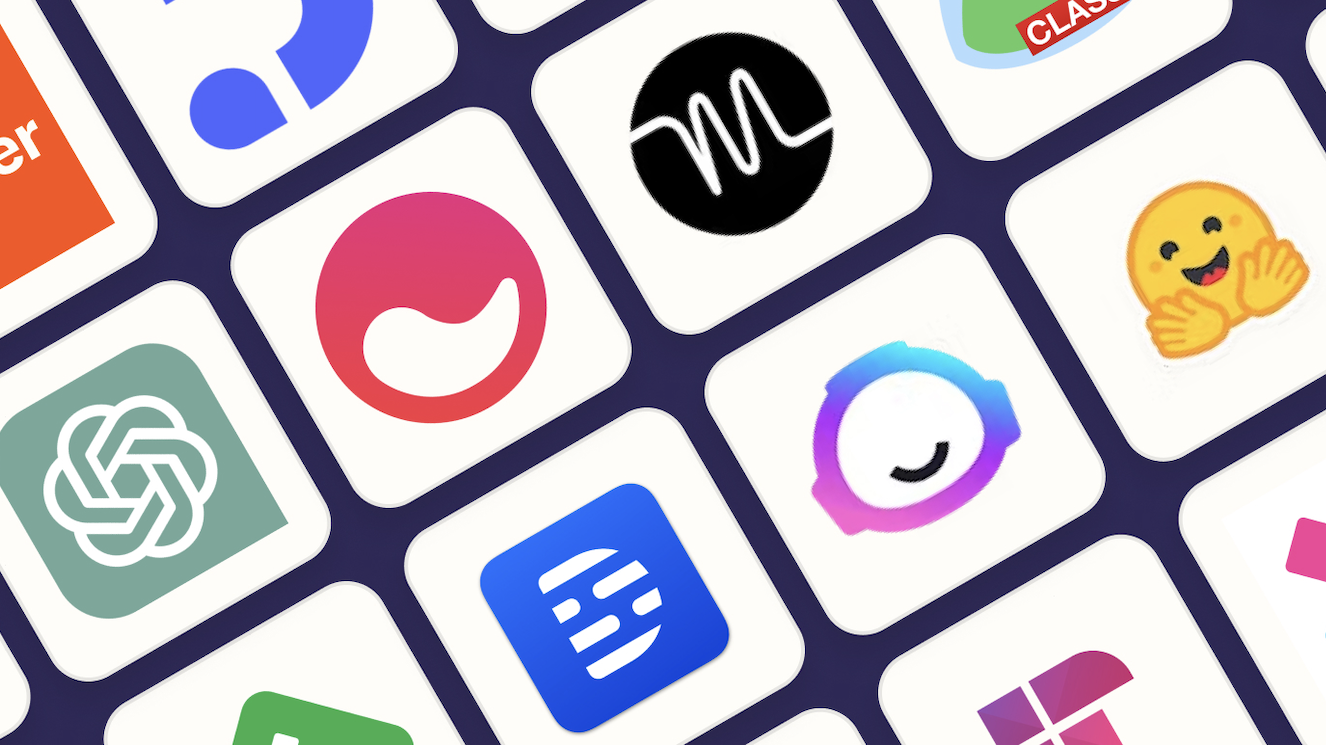
PDF files remain the standard format for professional and academic documentation. Reports, contracts, research papers, and policies frequently appear as PDFs.
However, reading large documents requires significant time and concentration. Important information often hides within hundreds of pages.
Therefore, AI-assisted PDF tools have become essential productivity solutions. These tools allow users to ask questions directly inside documents.
Instead of scrolling endlessly, users simply interact through natural language prompts. Consequently, answers appear instantly with relevant context from the document.
Professionals, students, analysts, and administrators benefit from this technology. Moreover, these tools simplify complex documents without requiring technical expertise.
The best AI PDF platforms combine conversational intelligence with reliable document referencing. Additionally, they integrate smoothly with common workflows.
Below are the leading AI-assisted PDF tools of 2026 for extracting insights and answers quickly.
Best Overall AI PDF Tool for Everyday Use
Adobe Acrobat AI Assistant
Adobe Acrobat leads the market for AI-powered document interaction. The platform integrates conversational AI directly into its PDF environment.
Users can ask questions about any uploaded document instantly. Furthermore, the AI assistant highlights sections that support each answer.
The system also generates document summaries quickly. Consequently, professionals understand long reports without extensive reading.
Another advantage involves seamless workflow integration. Users can read, highlight, comment, and ask AI questions inside one interface.
Additionally, the platform preserves document formatting and structure. Therefore, information remains accurate and easy to verify.
However, advanced AI features require a subscription plan. Nevertheless, the tool remains ideal for everyday professional document analysis.
Overall, Adobe Acrobat balances reliability, accessibility, and conversational intelligence effectively.
Best AI PDF Tool for Academic and Research Analysis
ChatPDF
ChatPDF specializes in analyzing research papers and technical documents. The tool focuses entirely on conversational document interaction.
Users upload a PDF and immediately start asking questions. For example, students can request summaries of complex academic papers.
Furthermore, ChatPDF highlights passages supporting each response. This transparency improves trust in AI-generated answers.
Researchers benefit from fast extraction of key insights. Consequently, reviewing large academic materials becomes far more efficient.
The interface remains intentionally minimal. Therefore, users concentrate on conversation instead of complex navigation.
However, ChatPDF lacks advanced document management features. Additionally, it usually analyzes one document at a time.
Despite limitations, ChatPDF excels at understanding dense research materials quickly.
Best AI Tool for Cross-Document PDF Insights
Humata
Humata focuses on analyzing multiple PDFs simultaneously. This feature makes it powerful for comparative research tasks.
Users upload several documents and ask cross-document questions. Consequently, the AI identifies patterns across different files.
For example, analysts can compare research reports or policy documents instantly. Moreover, Humata provides citations from each source document.
These citations help verify the accuracy of extracted information. Therefore, users maintain confidence in AI-generated insights.
The platform emphasizes analysis instead of traditional editing features. As a result, annotation tools remain limited.
However, researchers working with large document collections find significant value here. Additionally, organizations use Humata for knowledge discovery across archives.
Overall, Humata performs best within research-heavy environments.
Best Lightweight AI Tool for Quick PDF Summaries
AskYourPDF
AskYourPDF provides simple conversational access to uploaded documents. The tool prioritizes speed and ease of use.
Users upload a file and immediately begin chatting with the content. Consequently, summaries appear within seconds.
The interface remains clean and straightforward. Therefore, beginners quickly understand how the system works.
Additionally, AskYourPDF answers simple factual questions effectively. For example, users can locate clauses or definitions instantly.
However, advanced document analysis features remain limited. Moreover, users cannot control document context deeply.
Despite these limitations, the tool performs well for fast document insights. Many users rely on it for quick summaries and brief reviews.
Thus, AskYourPDF suits professionals needing lightweight PDF intelligence.
Best AI PDF Tool for Design-Focused Workflows
Canva AI Document Tools
Canva integrates AI document insights into its visual design ecosystem. This approach benefits teams creating presentations or visual reports.
Users upload PDFs and generate AI summaries quickly. Afterwards, they convert insights into slides or visual layouts.
Consequently, content moves smoothly from document to presentation format. Marketing teams and educators frequently benefit from this workflow.
Additionally, Canva offers an intuitive interface familiar to many users. Therefore, learning the system requires minimal effort.
However, document analysis remains secondary to design features. Detailed text analysis therefore remains limited.
Nevertheless, Canva excels when visual communication accompanies document review.
Using Stylus Devices with AI PDF Tools
Many professionals combine AI analysis with manual review. Stylus accessories improve this workflow significantly.
For example, tablets allow users to annotate documents after AI summarization. This process strengthens understanding and collaboration.
Users first extract insights through conversational AI. Afterwards, they highlight or annotate key sections manually.
Stylus tools enable handwritten notes and precise highlighting. Consequently, human judgment complements automated insights.
This combination keeps AI analysis and human review balanced. Moreover, teams maintain control over final interpretations.
Frequently Asked Questions About AI PDF Tools
What questions work best with AI PDF tools?
These tools perform best with factual queries and summaries. They also locate specific sections quickly.
How do AI PDF tools differ from traditional search?
Traditional search relies on keywords only. Conversational AI understands intent and contextual meaning.
Are AI PDF tools safe for sensitive documents?
Security depends on each platform’s data policies. Therefore, organizations should review privacy practices carefully.
When should users choose a full PDF platform?
Full platforms work best for workflows involving editing, annotation, and document management.
Conclusion
AI-assisted PDF tools transform how people interact with complex documents. Instead of manual reading, users simply ask intelligent questions.
Consequently, professionals save time while gaining deeper insights. Moreover, these tools make dense information far more accessible.
Adobe Acrobat offers the most balanced everyday solution. Meanwhile, ChatPDF and Humata excel in research environments.
Ask Your PDF provides fast summaries, whereas Canva supports creative workflows. Therefore, users can choose tools based on their specific needs.
As conversational AI evolves, document analysis will continue improving. Ultimately, AI-powered PDFs will redefine knowledge discovery across industries.

Meta is expanding its AI driven content ecosystem by testing a dedicated app for its Vibes AI video feature. The company confirmed the development as part of its strategy to strengthen short-form AI content creation and compete in the growing AI powered social media space.
The Vibes feature, first introduced last year by Meta Platforms, Inc., allows users to generate short AI videos, customize visuals, and share content through social feeds. Until now, Vibes existed inside the Meta AI app, but the company is now testing a standalone version to improve user experience and engagement.
What Makes the Vibes App Different?
The new standalone Vibes app will function similarly to popular short video platforms like TikTok style feeds, but with one key difference: every video is AI generated.
Users can create videos from scratch or remix existing AI content. The editing tools allow users to add music, adjust visual styles, and enhance creative elements before sharing. Videos can be posted directly to the Vibes feed or shared across platforms such as Instagram and Facebook Stories and Reels.
Meta says users are increasingly using Vibes to create and share content with friends, reflecting social behavior patterns similar to traditional short video platforms.
Competing in the AI Video Market
The standalone Vibes app positions Meta as a stronger competitor in the AI video content race, especially against platforms like OpenAI, which launched its AI video platform Sora.
Meta believes a dedicated app will provide a more immersive environment for AI creators. Instead of mixing AI video tools inside a broader AI assistant platform, Vibes will offer a focused creative space for content discovery and sharing.
Monetization and Future AI Features
Meta is also exploring subscription based AI services across its platforms. The company plans to test freemium access for Vibes video creation, allowing users to create a limited number of videos for free while offering premium subscription features for advanced creation tools.
These tests align with Meta’s broader subscription experiments across Facebook, Instagram, and WhatsApp.
The Future of AI Content Creation
Meta says Vibes usage continues to grow since its launch, even without exact user statistics being disclosed. The company plans to expand features based on community feedback.
If successful, Vibes could become a major player in the AI powered social content market, transforming how users create, edit, and share video content using artificial intelligence.


The Future of Remote Work Technology: Innovations Shaping the Digital Workspace

Ador Global Auditions 2026: K-Pop Label Behind NewJeans Opens Singapore Tryouts for Young Male Talent

Minecraft Experience Singapore 2026: Immersive Villager Rescue Adventure Arrives at Mandai Wildlife Reserve
Wedding day horror: Groom falls to death at VOCO Orchard Hotel on Wedding Day

EdTech in Singapore: 150+ Companies Driving $180M Digital Learning Revolution

Singapore JC Ranking: A Complete Guide for Students
-
Blog7 months ago
Wedding day horror: Groom falls to death at VOCO Orchard Hotel on Wedding Day
-
Technology6 months ago
EdTech in Singapore: 150+ Companies Driving $180M Digital Learning Revolution
-
Education9 months ago
Singapore JC Ranking: A Complete Guide for Students
-

 Food5 months ago
Yi Dian Dian Bubble Tea Singapore: Menu, Outlets & Try Drinks
-
 Blog9 months ago
Best of SG with Singapore Rediscover Voucher
-
 Business9 months ago
What to Expect During PSLE Marking Days 2023
-
 Digital Marketing6 months ago
How to Run Effective Xiaohongshu Advertising Campaigns
-
 Digital Marketing6 months ago
Why Xiaohongshu Ads Are a Must for Reaching Chinese Consumers