Singapore’s public libraries have quietly grown into far more than rows of bookshelves, now functioning as community hubs that lend everything from print books and digital titles to musical instruments and sewing machines at some branches.
Run under the National Library Board, the network stretches across almost every town, giving residents a free or low-cost entry point into reading, learning, and quiet study space close to home.
This guide covers what the libraries offer beyond the obvious, how membership and borrowing work in practice, and how to make the most of a system many residents only scratch the surface of.
Membership and How Borrowing Limits Work
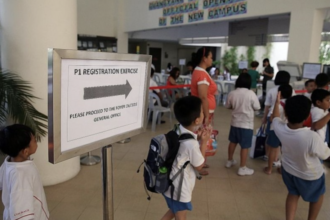
Joining the public library system is straightforward for residents, typically requiring only a valid identity card or relevant registration document, with membership extending to permanent residents and, in many cases, long-term pass holders as well. Once registered, a library card grants access to book, magazine, and media loans across the entire island-wide network rather than being tied to a single branch.
Borrowing limits vary depending on the type of material and membership category, with adult members generally able to borrow a generous number of physical items at once, spread across different formats such as books, magazines, and audiovisual materials. Digital borrowing through the library’s online platforms operates under a separate allowance, letting members check out e-books and audiobooks without needing to visit a branch at all.
- Physical book loans: The bulk of most members’ borrowing, covering the standard loan period before items are due for return.
- Digital loans: E-books and audiobooks borrowed through the library’s app, often with a separate limit from physical items.
- Reference-only materials: Certain items, especially rare or specialised collections, are restricted to in-library use only.
- Inter-library requests: Items not held at a nearby branch can often be requested and delivered to a preferred collection point.
Returning items at any branch, rather than only the one where they were borrowed, adds flexibility that many residents rely on when their daily routine takes them past a different library from the one where a book was first picked up.
Membership tiers also differ slightly for younger members, with children and students typically granted their own card alongside a parent’s account, letting a family track borrowing separately while still sharing the same household. Parents often find it useful to register each child under their own membership early, since this encourages a sense of ownership over their own reading habits rather than treating library visits as something arranged entirely by an adult. School-linked arrangements in some cases also allow a class or cohort to borrow materials collectively for a project, coordinated through the school rather than individual student accounts.
Beyond Books: Unusual Items Available for Loan
A growing number of libraries have expanded their lending collections well past traditional print materials, reflecting a broader push to make libraries feel relevant to residents who may not read regularly but still value access to shared resources. Several branches now lend out items such as board games, musical instruments, and even specialised equipment aimed at niche hobbies or skill-building activities.
This expanded lending model works well for households testing out a new hobby before committing to buying equipment outright. A family curious about trying a new musical instrument, or a resident wanting to experiment with a craft before investing in their own tools, can borrow the relevant item for a trial period rather than purchasing something that might end up unused after a few attempts.
- Musical instruments: Available at select branches, letting residents try an instrument before deciding whether to invest in one.
- Board games and puzzles: Popular among families looking for shared activities without the cost of buying new games regularly.
- Craft and hobby equipment: Items supporting skill-building activities, often tied to workshops or programmes run at the branch.
- Technology kits: Some branches lend devices or kits supporting coding, robotics, or other hands-on learning activities for younger patrons.
Checking a specific branch’s catalogue online before visiting saves a wasted trip, since not every unusual item is available at every location across the network.
This expansion reflects a deliberate shift in how the library system sees its own role, moving from a pure repository of books toward a broader lending platform for anything a household might want to try before committing money to it. A resident curious about sewing, photography, or even simple home repair tools can often find a relevant starter kit at a participating branch, borrowed under the same basic rules that govern a regular book loan. This approach lowers the barrier to trying something new by quite a margin, especially for households wary of spending on equipment that might end up gathering dust after a single attempt.
Study Spaces and Quiet Work Areas
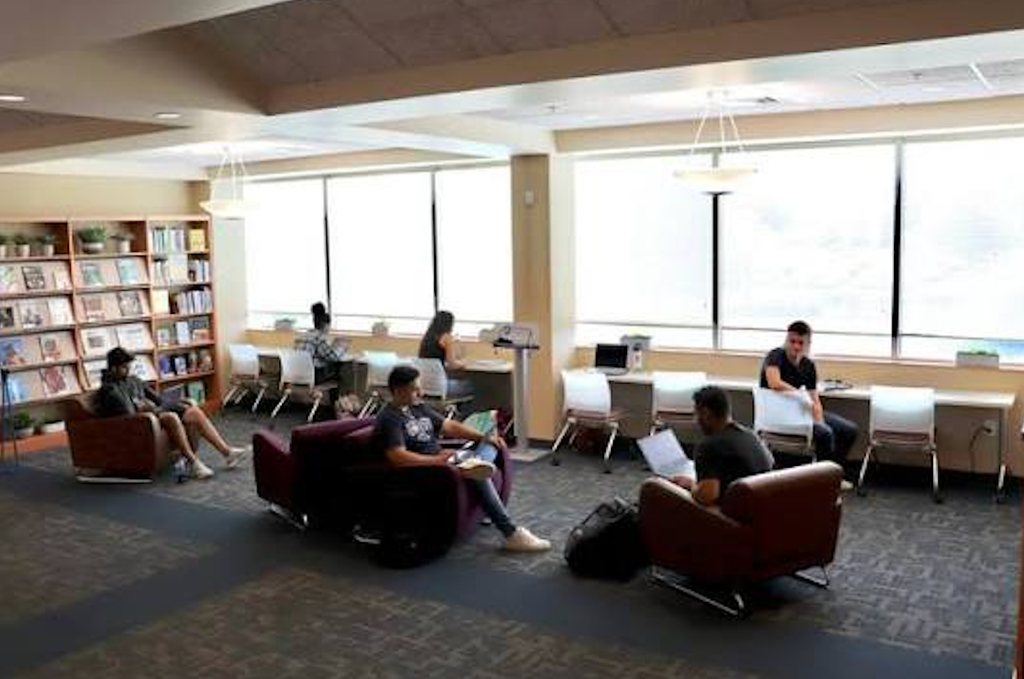
Libraries have become a go-to destination for students preparing for examinations and working adults needing a quiet space away from home distractions, especially during peak study seasons when home environments can feel too noisy or crowded for focused work. Most branches offer a mix of open seating areas and more structured study zones, with some locations providing bookable rooms for group discussions or project work.
Demand for these spaces climbs sharply during school examination periods, with some branches filling up well before midday on weekends. Regular visitors often learn the quieter hours at their preferred branch, favouring weekday mornings or late afternoons when student crowds thin out compared with weekend peaks.
- Open seating areas: General study spaces available on a first-come basis, suited to individual quiet work.
- Bookable discussion rooms: Reserved in advance for group projects or collaborative study sessions at select branches.
- Quiet zones: Designated areas with stricter noise expectations, appealing to those needing maximum concentration.
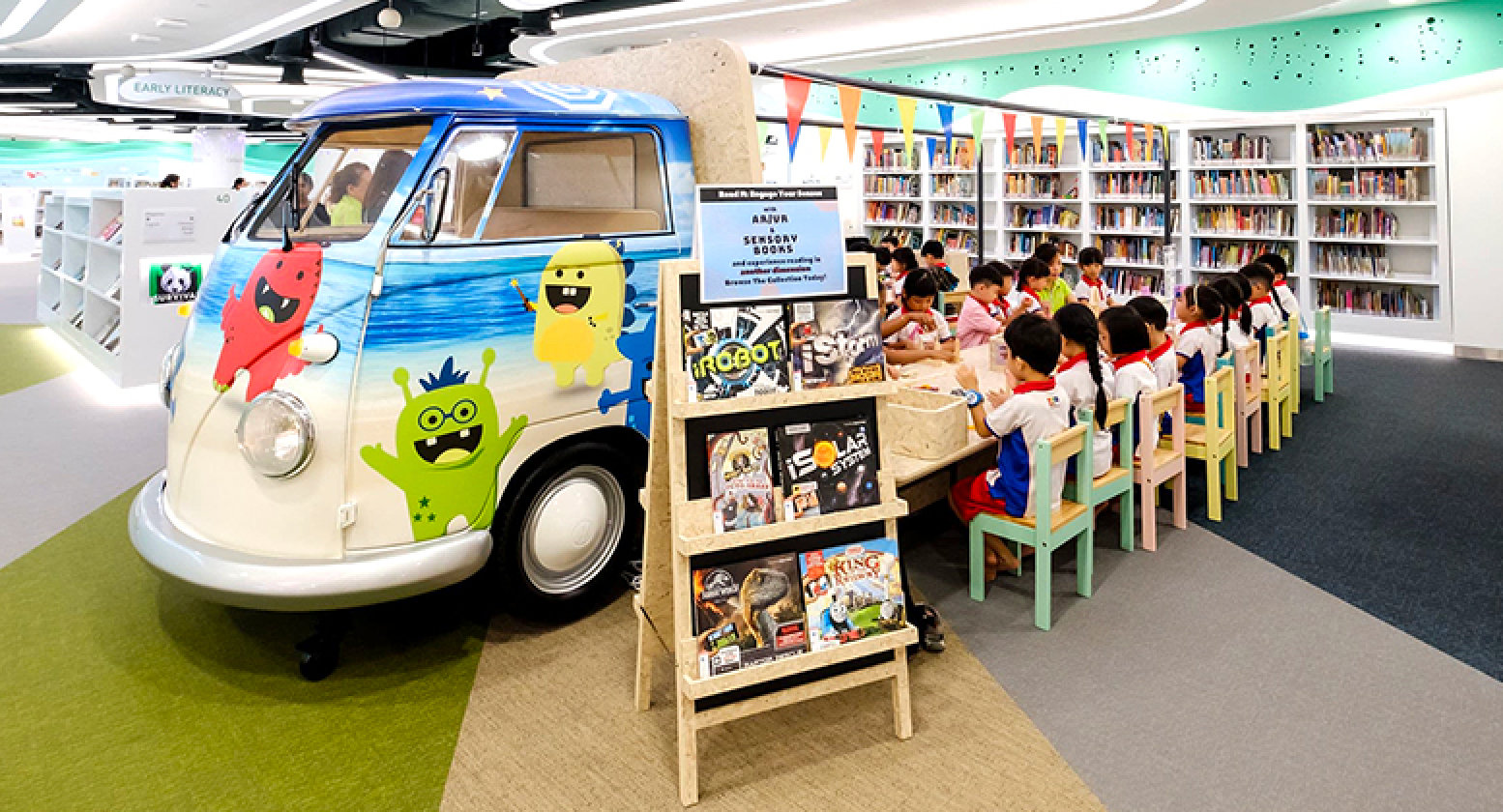
- Children’s reading corners: Separate from adult study areas, designed for younger visitors and family reading time.
Some branches also extend their operating hours during peak study seasons, a response to the heavy demand that builds up in the weeks leading to major examinations each year.
Working adults have also found libraries useful as an alternative to a home office, especially those juggling flexible work arrangements that let them split time between home and other locations during the week. A quiet library branch with reliable connectivity and comfortable seating offers a change of scenery without the cost of a dedicated co-working membership, appealing to freelancers, remote workers, and anyone simply needing a break from the same four walls at home. Some branches have responded to this trend by adding more power outlets and improving connectivity across their study floors, recognising that laptop-dependent visitors now make up a sizeable share of daily foot traffic alongside traditional readers.
Programmes and Community Activities
Beyond lending materials, libraries run a steady calendar of programmes aimed at different age groups and interests, from storytelling sessions for toddlers to talks on practical skills for working adults and seniors. These programmes are typically free or very low-cost, funded as part of the library’s broader mission to serve as a community touchpoint rather than purely a lending institution.
Seniors especially have become a growing focus for programming, with sessions covering topics such as using smartphones confidently, staying safe online, or simply providing a structured social activity for retirees looking to stay engaged. Parents with young children often rely on regular storytelling sessions as a reliable, free activity that fits naturally into a weekend routine.
- Early childhood storytelling: Regular sessions aimed at toddlers and preschoolers, often tied to specific themes or seasons.
- Digital literacy workshops: Practical sessions helping seniors and less tech-confident residents navigate smartphones and online services.
- Author talks and book clubs: Sessions connecting readers with writers or facilitating discussion among regular library patrons.
- Skill-sharing talks: Covering practical topics from financial literacy to basic home repairs, often led by community volunteers or partner organisations.
Checking a branch’s programme calendar ahead of a visit, usually available through the library’s website or app, helps residents plan around sessions relevant to their household rather than discovering an interesting talk has already concluded.
Volunteers play a visible role in running many of these programmes, from retirees leading informal book discussions to younger residents helping run digital literacy sessions for older patrons. This volunteer-driven element gives the programming a distinct community flavour that differs from a purely staff-run model, and it also offers residents a low-commitment way to get involved in local community work without needing a formal organisational structure behind them. Branches looking for volunteers typically post opportunities through their community noticeboards or online channels, making it relatively easy for an interested resident to sign up.
Navigating Fines, Renewals, and Lost Items
Overdue fines apply when borrowed items are not returned or renewed by their due date, calculated per item per day up to a capped maximum, designed as a gentle nudge rather than a punitive measure given the modest amounts typically involved. Renewals can usually be done online without visiting a branch, provided no other member has placed a hold on the same item, extending the loan period for materials a member has not yet finished.
Lost or damaged items carry a different cost structure, generally requiring payment covering the replacement cost of the item rather than a fixed fine, since the library needs to restock the collection rather than simply penalise a late return. Members facing financial hardship over accumulated fines can usually approach library staff directly to discuss a reasonable resolution, since the system is designed around encouraging continued use rather than deterring members who have fallen behind on a return.
- Standard overdue fines: A modest daily charge per item, capped at a maximum amount regardless of how overdue an item becomes.
- Lost item charges: Based on replacement cost, since the goal is restocking the collection rather than penalising the member.
- Renewal limits: Most items can be renewed a set number of times, provided no hold has been placed by another member.
Keeping track of due dates through the library’s app, which typically sends reminder notifications, remains the simplest way to avoid accumulating fines in the first place.
Families managing several accounts under one household, perhaps a parent and two children each with their own membership, sometimes find it easier to consolidate reminders into a single shared calendar rather than relying on separate app notifications sent to different phones. This small habit avoids the common scenario where a child’s overdue item goes unnoticed simply because the reminder notification landed on a device the parent does not check as closely. Libraries have also begun offering email reminders alongside app notifications, giving households more than one channel to catch an approaching due date before it slips past.
Digital Resources Beyond E-Books
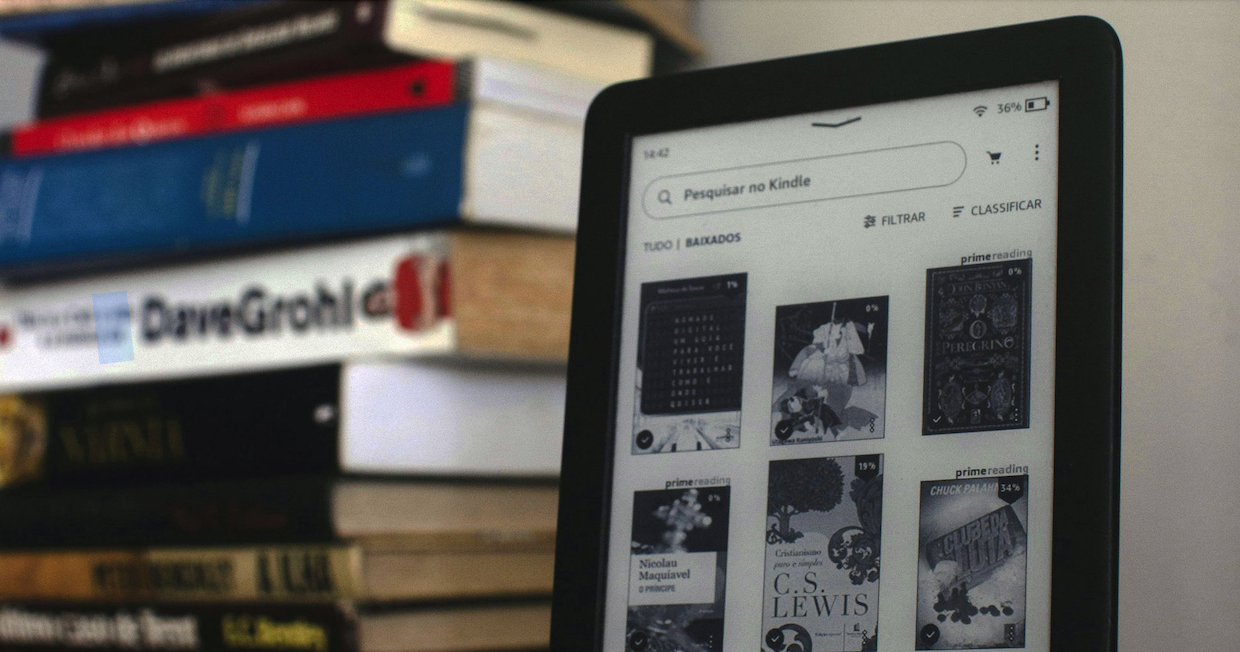
Many residents are unaware that library membership unlocks access to a wider set of digital resources beyond simple e-book and audiobook borrowing, including language learning platforms, research databases, and online course content that would otherwise require a separate paid subscription. These resources prove especially valuable for students researching school projects, adults picking up a new language, or anyone wanting structured access to learning material without additional cost.
Access to these platforms usually requires logging in through the library’s own digital portal using an existing membership account, a step that some residents skip simply because they are unaware the resources exist at all. Libraries periodically promote these offerings through branch displays and online newsletters, though awareness still lags behind how heavily used the print lending service remains across the member base.
- Language learning platforms: Structured courses covering a range of languages, accessible through a library membership login.
- Research and reference databases: Useful for students and researchers needing access to academic or specialised content.
- Online course content: Covering practical and academic topics, often from established learning platforms partnered with the library.
Older residents especially stand to gain from these digital resources, since structured online courses can offer a more approachable entry point into new skills than navigating an unfamiliar paid platform alone. Library staff at several branches have run introductory sessions specifically walking seniors through how to access and use these digital collections, bridging the gap between the resource existing on paper and residents feeling confident enough to use it on their own devices at home.
Accessibility and Facilities Across Branches
Newer or recently renovated branches have placed growing emphasis on physical accessibility, with features such as wheelchair-friendly entrances, adjustable-height counters, and clearer wayfinding signage becoming standard in branch design updates. Older branches have gradually been retrofitted where possible, though the pace of upgrades varies depending on the building’s age and structural constraints.
Beyond physical access, some branches provide assistive technology such as screen readers or magnification tools at dedicated terminals, supporting visually impaired patrons in using digital catalogues and resources independently. Staff at most branches are also trained to assist patrons who need extra support navigating the collection or using self-service kiosks, reducing the friction that might otherwise discourage a first-time visitor with specific accessibility needs from returning.
This combination of wheelchair access, adjustable counters, clear signage, dedicated assistive technology terminals, and trained staff on hand to help with the collection or self-service systems has made a visible difference for patrons who previously found certain branches harder to navigate independently.
Final Thoughts
Singapore’s public library network offers far more than most residents realise, stretching well beyond book lending into study spaces, community programmes, digital learning platforms, and even unconventional items like musical instruments and craft tools.
Making full use of this network costs little beyond the time it takes to explore what a local branch has to offer, yet many residents stick to a narrow slice of services out of habit rather than awareness. A closer look at a neighbourhood branch’s catalogue and programme calendar often reveals resources well worth the modest effort of checking in.
Read more about Singapore Trends
Frequently Asked Questions
1. Is library membership free for all Singapore residents?
Membership is generally free for citizens and permanent residents, with some categories of pass holders also eligible depending on their specific residency status. Visitors or short-term residents without an eligible pass may need to check with a branch directly regarding alternative access arrangements, since full borrowing privileges are typically tied to a recognised form of long-term residency.
2. Can items be returned at a different branch from where they were borrowed?
Yes, the island-wide network allows items to be returned at any branch, not only the one where they were originally borrowed, giving members flexibility to return materials conveniently during their daily routine. Some branches also offer self-service return points or external drop boxes for added convenience outside regular operating hours.
3. How far in advance can a bookable discussion room be reserved?
Booking windows vary by branch and demand, though most locations allow reservations to be made a reasonable number of days ahead through the library’s online booking system. Popular time slots, especially on weekends, tend to fill quickly, so booking early is advisable for anyone with a specific date and time in mind.
4. Are there special programmes for residents with disabilities?
Many branches offer accessible facilities and some programmes specifically designed for residents with disabilities, including resources in alternative formats and assistive technology at select locations. Checking directly with a branch or the library’s accessibility resources page helps identify which specific services are available at a convenient location.
5. What happens if a borrowed item is damaged but still returned?
Items returned in a damaged state typically incur a charge reflecting the cost of repair or replacement, assessed by library staff upon return rather than a fixed universal fee. Members who notice damage to an item before borrowing it are encouraged to flag this with staff immediately, avoiding any confusion about responsibility for pre-existing damage later.
6. Do libraries offer any services specifically for job seekers or career changes?
Several branches run programmes and maintain resource collections supporting career development, including resume writing guidance, interview preparation sessions, and access to industry-specific research materials. These services are often delivered in partnership with other community organisations, giving residents a free or low-cost entry point into career support resources.