Driving in Singapore comes with a layer of ongoing costs that catch many new drivers off guard, from gantries that silently deduct charges as a car passes beneath them to the daily puzzle of finding affordable parking near a destination.
The Land Transport Authority runs the Electronic Road Pricing system to manage congestion on busy roads, while parking charges vary depending on whether a car sits in an HDB multi-storey carpark, a private mall, or a metered roadside lot. This guide lays out how both systems work in practice, so drivers can plan routes and budgets with fewer surprises.
How Electronic Road Pricing Works in Practice
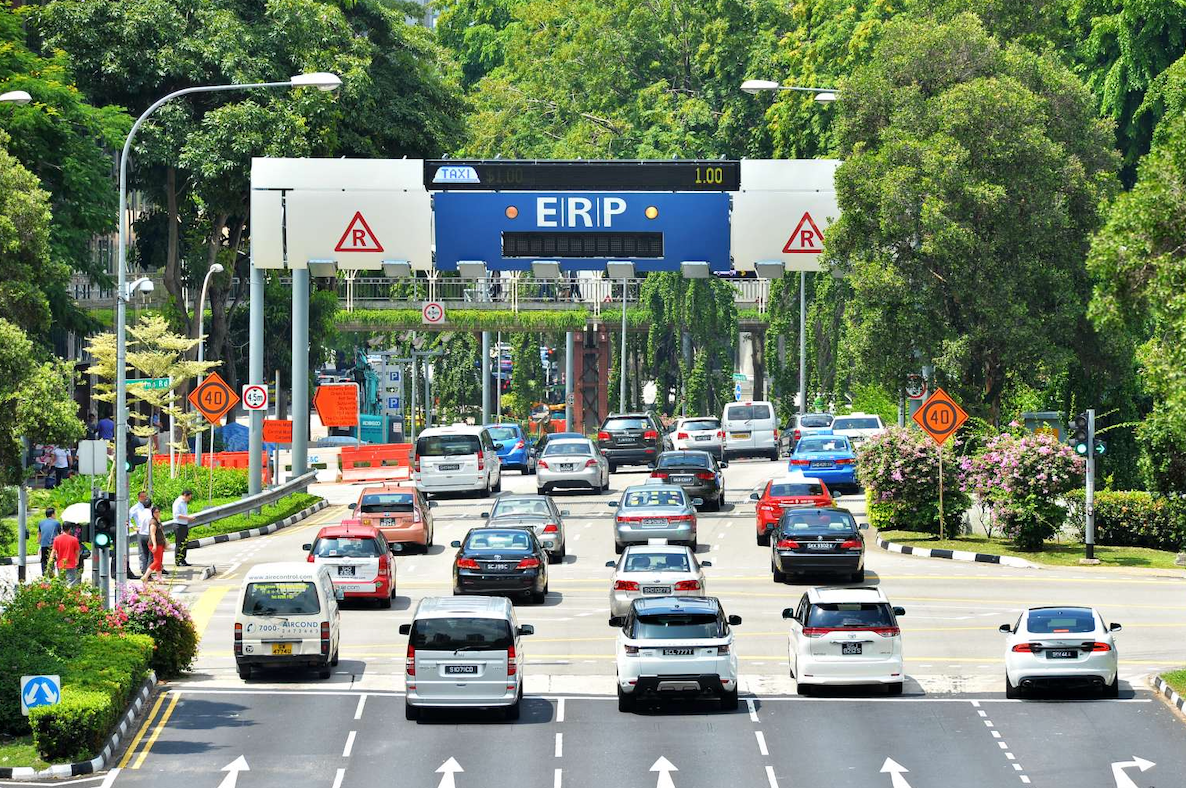
ERP charges a vehicle each time it passes through a gantry during operating hours, with the amount depending on the specific gantry, the time of day, and current traffic conditions on that stretch of road. The system aims to keep traffic flowing smoothly by discouraging additional vehicles from entering a congested stretch during its busiest periods, rather than generating revenue as its primary goal.
Rates are reviewed periodically based on real traffic speed data collected along each monitored corridor. When average speeds on a stretch fall below a target range during a given time band, the rate for that band typically rises at the next review; when traffic flows more freely than expected, rates may be lowered or removed for that period entirely. This responsiveness means a charge that applied last year might no longer apply today, or might apply at a different time window.
- Expressway gantries: Positioned along major expressways, often with charges that step up during the height of the morning and evening rush.
- City gantries: Found around the central business district, generally active only during weekday working hours.
- Restricted zone boundaries: Mark entry into the most congested central areas, where charges have historically been highest during peak periods.
- Variable timing bands: Shorter segments within the operating day, each assessed separately based on traffic performance.
Vehicles fitted with the in-vehicle unit linked to a stored value card or bank account have charges deducted automatically as they pass under a gantry, with no need to slow down or stop.
The system has changed a fair amount since its introduction, moving from an earlier generation of overhead readers toward a satellite-based setup capable of pricing road use with finer granularity than fixed physical gantries alone could manage. This newer approach opens the door to charging based on distance travelled along a congested stretch rather than a single point-in-time toll, though the core goal remains unchanged: nudging drivers to weigh whether a trip during the busiest hours is worth the cost, or whether shifting the timing or mode of travel makes more sense for that journey.
Reading Gantry Signs Before You Commit to a Route
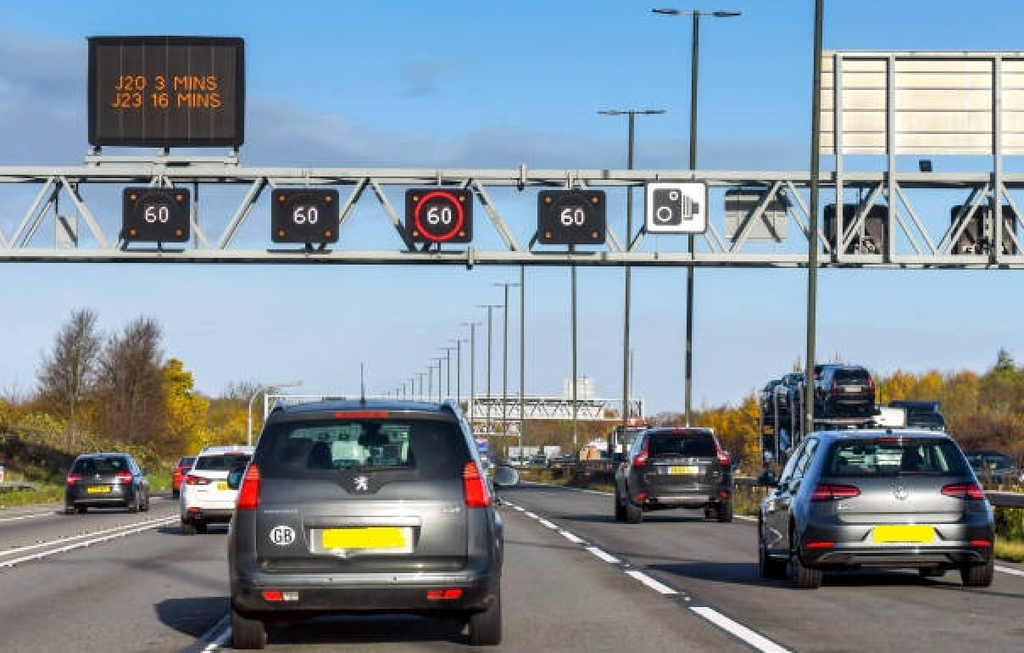
Each ERP gantry displays an overhead sign showing the current charge for vehicles passing at that moment, updated in real time as the half-hour or quarter-hour band changes. Drivers unfamiliar with a route sometimes misjudge timing, entering a gantry zone just as a higher rate band begins rather than waiting a few minutes for a lower one.
Trip planning apps and in-car navigation systems increasingly factor ERP charges into suggested routes, weighing the cost of a tolled expressway against a longer but charge-free alternative. For drivers making the same commute daily, learning the rhythm of nearby gantries, including which time bands apply and how charges typically shift through the morning, can translate into a noticeable difference across a full month of commuting.
Some drivers deliberately leave a few minutes earlier or later to catch a lower-rate band, a habit that becomes second nature after enough repetition on a fixed commute. Others simply accept the charge as a fixed cost of a faster, more predictable journey, weighing the time saved against the amount deducted.
Weather and unexpected incidents complicate this planning, since a sudden downpour or an accident further down the expressway can push traffic speeds down regardless of how carefully a driver timed their entry into a gantry zone. On such days, the charge itself becomes almost beside the point, since the bigger concern shifts to simply reaching the destination without excessive delay. Drivers who commute the same stretch for years tend to develop an intuitive sense of which days are likely to run slower, often tied to school holidays, major public events, or seasonal weather patterns that repeat year after year.
Parking in HDB Multi-Storey Carparks
Public housing estates are served by a network of multi-storey and surface carparks managed through a season parking and hourly payment system administered alongside the Housing and Development Board’s broader estate management role. Rates generally scale with time parked, with short visits priced modestly and longer stays costing proportionally more, while residents holding a season parking pass pay a fixed monthly amount regardless of how often the car is used.
- Hourly or per-entry parking: Suited to visitors or occasional use, charged based on duration recorded electronically on entry and exit.
- Season parking: A fixed monthly fee for residents or regular users, often tied to a specific carpark or zone.
- Night parking schemes: Reduced rates in some estates for vehicles parked only during overnight hours, appealing to car owners who commute by other means during the day.
- Motorcycle parking: Generally cheaper than car parking, reflecting the smaller footprint and lower demand on space.
Payment today runs almost entirely through electronic systems linked to an in-vehicle unit or a mobile app, replacing the older coupon-based system that required drivers to display a paper coupon on the dashboard.
Residents applying for season parking typically go through an online portal tied to their town council or carpark operator, submitting vehicle details and proof of residence before a slot is assigned. Demand for season parking in some mature estates can outstrip supply, leading to waiting lists during peak periods, which pushes some residents toward hourly parking or a nearby private carpark in the interim. Newer estates generally build in more generous carpark capacity relative to the number of flats, easing this pressure compared with older towns where car ownership has grown faster than available parking space.
Private Carparks and Mall Parking Costs
Shopping malls, office buildings, and private developments set their own parking rates, generally higher than HDB carparks and often structured with a minimum charge for the first hour followed by smaller increments afterward. Some malls offer a grace period of several minutes for quick drop-offs or pickups, letting a short errand pass without triggering a charge at all.
Validation schemes, where spending a minimum amount at participating stores earns parking rebates, remain common at larger malls as a way to encourage shoppers to drive rather than take public transport. These rebates can noticeably offset the cost of a parking session, though they usually require presenting a receipt at a validation counter before leaving, an extra step easy to forget during a rushed trip.
- Standard mall rates: Typically higher than HDB rates, reflecting prime retail locations and higher land costs.
- Validation rebates: Partial discounts for shoppers who spend above a set amount at participating outlets.
- Peak period surcharges: Some malls or office buildings charge more during weekday working hours or weekend peak shopping times.
- Overnight or long-stay rates: Separate pricing tiers for cars left for extended periods, common near entertainment districts.
Office workers who drive to work often look specifically for buildings offering monthly season parking rates, since daily hourly charges would otherwise accumulate into a far larger monthly sum than a fixed season rate.
Short-term visitors to a mall face a different calculation altogether. Someone popping in for a quick errand lasting fifteen minutes benefits most from a grace period, while a family spending an entire afternoon shopping and watching a film might find that the flat hourly rate, even without a validation rebate, works out cheaper than two separate shorter visits on different days. Some malls near residential estates also offer discounted weekday morning rates aimed at older residents who prefer a quiet, uncrowded shopping trip before the lunchtime crowd arrives, a small but appreciated gesture in areas with a high proportion of retirees nearby.
Avoiding Common Parking and ERP Mistakes
New drivers, and even experienced ones in unfamiliar areas, tend to make a handful of recurring mistakes that lead to unnecessary charges or fines. Awareness of these common pitfalls saves both money and the hassle of disputing an unexpected deduction later.
Parking in a lot without properly starting the parking session, whether through a coupon in older systems or confirming entry through an app-based system, remains a frequent and avoidable error. Similarly, assuming a Sunday or public holiday carries the same charges as a weekday can lead to either overpaying unnecessarily or, worse, underpaying and risking a fine for an unpaid session.
- Forgetting to end a parking session: Some app-based systems require manually ending a session, and failing to do so can result in continued charges.
- Misjudging public holiday rates: Many carparks waive or reduce charges on public holidays, but this is not universal across every carpark operator.
- Overlooking loading or reserved bays: Lots marked for loading, disabled motorists, or specific tenants carry fines if used without authorisation.
- Assuming in-vehicle unit balance is sufficient: A unit with insufficient stored value can fail to process an ERP charge, leading to a follow-up notice and penalty.
Keeping the in-vehicle unit topped up and double-checking a parking app’s confirmation screen before walking away from the car are small habits that prevent most of these issues.
Drivers new to a given estate or mall should also take a moment to read posted signage carefully rather than relying on assumptions carried over from a previous carpark. Rules around maximum stay duration, specific bay restrictions, or different rates for different vehicle sizes can vary enough between locations that a habit formed at one carpark leads to an unwelcome fine at another. A quick glance at the entrance signboard before parking, rather than after returning to find a ticket on the windscreen, remains the simplest safeguard against this kind of avoidable cost.
Planning Around ERP for Regular Commuters

For drivers making the same trip daily, the cumulative cost of ERP charges deserves the same budgeting attention as fuel or parking. A commute passing through two or three gantries during peak hours can add up to a sizeable monthly sum, prompting some drivers to explore alternate routes, shift their departure time, or consider public transport for at least part of the week.
Carpooling has also become a more visible response to rising ERP and parking costs, with some companies and informal neighbour groups coordinating shared trips to split charges across several people. This approach works best for commutes with a predictable schedule, since the savings come from splitting a fixed daily cost rather than from any discount applied by the system itself.
- Alternate route planning: Mapping out a charge-free or lower-charge path, even if it adds a few minutes to the journey.
- Staggered departure times: Leaving slightly earlier or later to avoid the highest-charge band on a regular commute.
- Carpooling arrangements: Splitting ERP and parking costs among several commuters travelling the same route.
- Mixed-mode commuting: Driving only part of the week and relying on public transport the rest, reducing total exposure to charges.
Households with more than one car often go a step further, assigning the vehicle with lower running costs to the member whose commute passes through the most gantries, while reserving the other car for weekend errands or trips outside peak hours. This kind of internal allocation rarely gets discussed openly, but it reflects the same basic logic driving most ERP-related decisions: matching the right vehicle and the right timing to the trip that truly needs it, while finding ways to sidestep charges on trips that do not.
Seasonal Patterns Worth Watching
ERP rates and parking demand do not stay static throughout the year. School holiday periods typically bring lighter traffic on weekday mornings, since the usual flow of parents dropping children at school eases off, sometimes prompting a temporary easing of rates on affected gantries at the next scheduled review. Festive periods bring the opposite effect in certain areas, with shopping districts and malls near celebration hotspots seeing heavier parking demand and longer queues for available lots.
- School holidays: Morning commute traffic often lightens, occasionally influencing gantry rate reviews during that window.
- Festive shopping seasons: Mall carparks near popular shopping belts see longer queues and higher demand for validated parking.
- Year-end long weekends: Expressways leading to leisure and waterfront areas can see unusual traffic patterns outside typical peak hours.
Drivers who pay attention to these seasonal shifts, rather than assuming every week behaves like an ordinary one, often avoid the worst of both ERP charges and parking frustration during the busier stretches of the calendar.
Final Thoughts
ERP and parking charges together form a quiet but steady part of the cost of driving in Singapore, shaped by policies designed to manage limited road space and land rather than simply collect revenue from motorists. Drivers who take the time to learn gantry timing, carpark pricing patterns, and the small habits that prevent avoidable fines tend to find the system far more predictable than it first appears.
None of this removes the basic trade-off at the heart of car ownership here, balancing convenience against cost, but informed planning goes a long way toward keeping both ERP and parking expenses within a manageable, expected range each month.
Read more about Singapore Trends
Frequently Asked Questions
1. Does ERP apply on weekends and public holidays?
Most ERP gantries do not charge on weekends and public holidays, since the system targets weekday congestion caused by work and school traffic. A small number of gantries near areas with weekend crowds, such as entertainment districts, have historically operated on different schedules, so drivers heading to such areas should check current signage rather than assume a blanket weekend exemption everywhere.
2. What happens if an in-vehicle unit has insufficient value when passing a gantry?
When a unit cannot process a charge due to low stored value, the system typically records the vehicle and issues a notice requiring the owner to settle the outstanding amount, often alongside an administrative fee. Repeated failures to settle these notices can lead to further enforcement action, so keeping the unit topped up remains the simplest way to avoid this entirely.
3. Are electric vehicles charged the same ERP rates as petrol cars?
ERP charges apply based on the gantry, time, and vehicle type category rather than the fuel or power source of the vehicle, meaning electric vehicles generally face the same charge structure as equivalent petrol or diesel vehicles in the same category. Any difference in total motoring cost between electric and petrol vehicles tends to come from fuel, road tax, or purchase price rather than from ERP itself.
4. Can visitors driving a foreign-registered car use Singapore’s parking systems easily?
Foreign-registered vehicles entering Singapore are generally required to carry a valid autopass or equivalent arrangement to settle ERP and entry charges, since the standard in-vehicle unit setup is designed around locally registered vehicles. Parking at most HDB and private carparks remains accessible to any vehicle, though payment methods may need to be confirmed in advance for a smoother experience.
5. Why do some HDB carparks seem cheaper than others nearby?
Rates can differ between neighbouring carparks based on demand, available capacity, and whether a carpark falls under a scheme offering discounted night parking or season parking incentives. A carpark with consistently high demand during the day may carry a higher hourly rate than a quieter one just a short walk away, even within the same town.
6. Is there a way to check ERP charges before setting off through a gantry?
Several navigation apps and the Land Transport Authority’s own digital channels display current or recent ERP rates for specific gantries, letting drivers check typical charges before setting off. While exact real-time rates can shift slightly due to the periodic review process, these references give a reasonably reliable sense of what to expect on a given route and time.