
Stock Market
Best USD Fixed Deposit Rates Singapore June 2025


Singapore’s banking landscape offers attractive opportunities for investors seeking to diversify their portfolios with US Dollar fixed deposits. With the monetary policy shifts and global economic dynamics influencing interest rates, understanding the current USD fixed deposit market becomes crucial for maximizing returns on your American dollar holdings.
The appeal of USD fixed deposits in Singapore extends beyond simple currency diversification. These instruments provide stability against local currency fluctuations while offering competitive returns that often outpace traditional SGD deposits. As global investors increasingly seek safe-haven assets, US Dollar deposits have gained significant traction among both retail and institutional investors.
USD Fixed Deposits in Singapore
USD Fixed Deposit Rates Singapore function similarly to their SGD counterparts but offer unique advantages for currency diversification. Banks in Singapore accept USD deposits with varying minimum amounts, typically starting from USD 1,000 to USD 10,000 depending on the institution and deposit tenure.
The mechanics involve depositing US Dollars for a predetermined period, earning interest calculated on the principal amount. Unlike regular savings accounts, these deposits lock your funds for the agreed duration, ensuring guaranteed returns regardless of market volatility. This predictability makes them particularly attractive during uncertain economic times.
Interest computation methods vary among banks, with some offering simple interest while others provide compound interest calculations. Understanding these differences helps investors make informed decisions about where to place their USD holdings for optimal growth.
Best USD Fixed Deposit Rates Singapore [June 2025]
Here’s a snapshot of the top banks and financial institutions in Singapore currently offering attractive USD fixed deposit promotions:
1. HSBC Singapore
- Interest Rate: 5.20% p.a.
- Tenure: 6 months
- Minimum Deposit: USD 25,000
HSBC is known for its global reach and stable offerings. Their USD fixed deposit promotion for June 2025 is ideal for mid-term investors looking for a strong return with a reputable institution.
2. Citibank Singapore
- Interest Rate: 5.35% p.a.
- Tenure: 3 months
- Minimum Deposit: USD 20,000
Citibank offers a short-term, high-yield USD Fixed Deposit Rates Singapore that appeals to those seeking flexibility. Perfect for investors who prefer shorter lock-in periods without sacrificing returns.
3. Standard Chartered Singapore
- Interest Rate: 5.10% p.a.
- Tenure: 12 months
- Minimum Deposit: USD 50,000
This longer-term option gives a reliable return for those who are not in immediate need of liquidity. Standard Chartered’s robust digital banking tools also make account management easy for expats and international investors.
4. Maybank Singapore
- Interest Rate: 5.30% p.a.
- Tenure: 9 months
- Minimum Deposit: USD 25,000
Maybank’s USD fixed deposit promotions combine regional trust and solid returns, catering to both individuals and SMEs holding USD reserves.
5. OCBC Bank
- Interest Rate: 5.00% p.a.
- Tenure: 6 months
- Minimum Deposit: USD 20,000
OCBC remains a top choice among Singaporeans due to its stability and accessibility. Its fixed deposit services are straightforward and transparent.
Note: Rates are accurate as of June 2025. Please check with the respective banks for the most up-to-date promotions and eligibility.
Key Factors to Consider Before Opening a USD Fixed Deposit
While chasing the best USD Fixed Deposit Rates Singapore [June 2025] can be tempting, it’s important to evaluate other critical factors:

Currency Risk
Holding your deposit in USD means you’re exposed to foreign exchange movements. If the USD weakens against the SGD by the time your deposit matures, your returns could diminish when converted back.
Tenure Flexibility
Different banks offer varied tenures — from one month to two years. Choose one based on your liquidity needs and expected market movements.
Minimum Deposit Amount
Most USD fixed deposits require a minimum of USD 20,000. Ensure you’re comfortable locking in that amount for the selected tenure.
Early Withdrawal Penalties
Breaking your fixed deposit before maturity typically results in forfeiture of interest, and sometimes additional penalties. Be sure you won’t need the funds urgently.
Bank Credibility & Insurance
Foreign currency deposits in Singapore are not covered by SDIC insurance. Opt for trusted, well-capitalized institutions to minimize risk.
Current Market Leaders in USD Fixed Deposit Rates
DBS Bank consistently ranks among the top providers for USD fixed deposits, offering competitive rates across various tenures. Their 6-month USD deposits currently provide attractive returns, particularly for amounts exceeding USD 50,000. The bank’s digital platform streamlines the deposit process, making it convenient for both local and international investors.
OCBC Bank presents compelling options for longer-term deposits, with their 12-month and 24-month USD fixed deposits offering premium rates. Their tiered interest structure rewards larger deposits with progressively higher returns, making them ideal for substantial investments.
UOB focuses on flexibility, providing various tenure options from 1 month to 60 months. Their promotional rates for new customers often exceed standard market offerings, creating opportunities for strategic timing of deposit placements.
Standard Chartered targets high-net-worth individuals with specialized USD deposit products. Their minimum deposit requirements are higher, but the corresponding interest rates justify the increased commitment for qualifying investors.
Factors Influencing USD Fixed Deposit Rates Singapore
Federal Reserve monetary policy significantly impacts USD deposit rates in Singapore. When the Fed adjusts interest rates, local banks typically respond by modifying their USD deposit offerings to maintain competitiveness and manage funding costs.
Market demand plays a crucial role in rate determination. High demand for USD deposits during economic uncertainty often leads to more competitive rates as banks compete for dollar funding. Conversely, excess USD liquidity may result in lower offered rates.
Deposit tenure directly correlates with interest rates, following the general principle that longer commitments yield higher returns. However, this relationship isn’t always linear, as banks adjust rates based on their funding needs and market outlook.
The deposit amount threshold creates tiered pricing structures. Larger deposits typically command premium rates, reflecting banks’ preference for substantial, stable funding sources. Understanding these tiers helps investors optimize their deposit strategies.
Comparing Terms and Conditions
Minimum deposit requirements vary significantly across institutions. While some banks accept USD 1,000 deposits, others require USD 10,000 or more for their premium rate tiers. Evaluating these minimums against available capital helps narrow down suitable options.
Early withdrawal penalties differ among banks, with some imposing flat fees while others calculate penalties based on remaining tenure or interest forfeiture. Understanding these terms prevents unexpected costs if circumstances require early access to funds.
Interest payment frequencies range from monthly to maturity-based payments. Monthly interest payments provide regular cash flow, while maturity-based payments often offer slightly higher effective rates through compound interest benefits.
Automatic renewal policies require careful consideration. Some banks automatically renew deposits at prevailing rates, while others require explicit instructions. Understanding these policies prevents unintended extensions or missed opportunities for rate improvements.
Best USD Fixed Deposit Rates in Singapore
The competitive landscape for USD fixed deposits reveals interesting patterns across different tenure brackets. Short-term deposits (1-6 months) currently offer rates ranging from 3.5% to 4.2% per annum, depending on the bank and deposit amount.
Medium-term deposits (6-12 months) present the sweet spot for many investors, with rates climbing to 4.5% to 5.1% annually. This tenure balances reasonable commitment periods with attractive returns, making them popular among conservative investors.
Long-term deposits (12+ months) can yield between 4.8% and 5.5% per annum for substantial amounts. While these require longer commitments, they provide certainty and higher returns for investors with extended investment horizons.
Promotional rates periodically appear, offering temporary premiums above standard rates. These limited-time offers can provide exceptional value but require careful timing and quick decision-making to capture the benefits.
Strategic Considerations for USD Deposits
Currency exposure management becomes crucial when holding USD deposits. While these instruments provide USD returns, SGD-based investors face exchange rate risks that could impact overall returns when converting back to local currency.
Diversification benefits extend beyond currency exposure to include geographical and institutional diversification. Spreading USD deposits across multiple banks reduces concentration risk while potentially capturing different rate offerings.
Liquidity planning requires balancing higher returns from longer tenures against potential needs for fund access. Laddering strategies, where deposits mature at different intervals, provide both competitive returns and periodic liquidity opportunities.
Tax implications vary for different investor categories. Understanding the tax treatment of USD deposit interest helps in accurate return calculations and overall investment planning.
Maximizing Returns on USD Fixed Deposits
Timing deposit placements strategically can significantly impact returns. Monitoring interest rate cycles and economic indicators helps identify optimal placement windows for maximum benefit.
Negotiating with relationship managers, particularly for larger deposits, often yields better terms than published rates. Banks value substantial, stable deposits and may offer preferential pricing for significant commitments.

Combining multiple products can unlock premium rates. Some banks offer enhanced USD deposit rates for customers maintaining comprehensive banking relationships, including investment accounts or credit facilities.
Regular market monitoring ensures awareness of changing rate environments. Setting alerts for rate improvements or promotional offerings helps capture opportunities as they arise.
Summary
The USD fixed deposit market in Singapore offers compelling opportunities for investors seeking stable, predictable returns while diversifying currency exposure. With rates currently ranging from 3.5% to 5.5% depending on tenure and deposit size, these instruments provide attractive alternatives to traditional SGD deposits. Success in maximizing returns requires understanding rate structures, comparing terms across institutions, and strategically timing deposit placements. While currency risks exist for SGD-based investors, the stability and competitive returns of USD fixed deposits make them valuable components of diversified investment portfolios. Regular monitoring of market conditions and maintaining relationships with multiple banks ensures access to the best available rates as market dynamics evolve.


Safe Singapore stocks for long-term investing can help you grow wealth with less drama, especially if you prefer a steady plan over constant trading. Singapore is known for strong regulation, well-run companies, and a market that rewards patience. Still, “safe” doesn’t mean “no risk.” It means choosing quality businesses, paying sensible prices, and holding them long enough for compounding to do its job.
In this guide, you’ll learn what safety really means, which Singapore stock categories are often more defensive, and how to build a stable portfolio you can stick with through good times and bad. Safe Singapore stocks for long-term investing work best when you keep expectations realistic and your process consistent.
You can also explore our guide on Top Low-Risk SGX Stocks for 2026 with Stable Returns: Why low-risk matters in 2026 to see how a defensive approach can help protect your portfolio while still aiming for steady growth.
What “Safe” Means in Stock Investing
Safety in stocks is about reducing the chance of permanent loss. Prices will move around. That’s normal. What you want to avoid is owning weak companies that can’t survive tough years.
Safety Is About Business Strength
A business tends to be “safer” when it has:
- predictable demand for its products or services
- solid cash flow across many years
- a strong balance sheet, with manageable debt
- a durable competitive advantage, sometimes called a moat
In Singapore, companies that provide essential services, banking, connectivity, and daily necessities often look more stable than highly cyclical businesses.
Safety Also Means Valuation Discipline
Even great companies can be risky if you overpay. A sensible valuation gives you a margin of safety. In plain terms, it’s like not paying luxury prices for a basic item. Over time, buying at a reasonable price can improve returns and reduce regret.
Why Singapore Is Attractive for Long-Term Investors

Singapore has built a reputation for stability. That matters because long-term investing is easier when the rules don’t keep changing.
SGX Market Traits to Know
The Singapore Exchange (SGX) has several well-known features:
- strong presence of large banks
- established dividend-paying blue chips
- a sizable REIT market that many income investors follow
- companies with regional exposure to ASEAN and beyond
Dividend Culture and Capital Preservation
Many Singapore-listed blue chips aim to pay regular dividends. Dividends aren’t guaranteed, but a consistent payout history can signal maturity and financial discipline. For long-term investors, dividend reinvestment can quietly add a lot of power to compounding.
Core Categories Often Seen as Safer in Singapore
No single stock is perfectly safe. However, certain categories tend to be more resilient, especially during slower economic periods.
Singapore Banks: The Portfolio Anchors
Singapore’s major banks are often seen as foundational holdings because they are large, profitable, and tightly regulated. Many investors look at:
- diversified income streams
- strong capital buffers
- long operating histories
- a track record of navigating multiple cycles
Banks can still face risks, like credit slowdowns and property market dips. Yet compared with smaller lenders, top-tier banks often have better tools and stronger funding.
Examples investors commonly research include DBS, OCBC, and UOB. The point isn’t to “pick the winner.” It’s to understand why the sector is considered relatively sturdy in Singapore.
Telcos and Essential Connectivity
Telecommunications can be defensive because people and businesses rely on connectivity. Even when times are tight, phone and data services stay important. Investors often evaluate:
- subscriber stability
- network investment needs
- competition and pricing pressure
- dividend sustainability
A well-known name in Singapore is Singtel, which also has regional exposure. Still, telcos can be capital-intensive, so checking free cash flow is crucial.
Defensive Consumer and Healthcare Exposure
Companies that serve everyday needs can be more stable because demand doesn’t disappear. Think basic household spending, food-related supply chains, and certain healthcare services. While Singapore’s market has fewer pure consumer staples giants than the US, defensive exposure can still be built with selected names and careful analysis.
Infrastructure and Transport-Linked Businesses
Some infrastructure-like businesses can be steadier if their revenue is regulated or linked to essential usage. That said, transport and logistics can also be sensitive to trade cycles. The key is to understand what drives revenue:
- long-term contracts
- regulated returns
- volume-based demand
- sensitivity to global growth
How to Select Safe Singapore Stocks for Long-Term Investing
Choosing safe Singapore stocks for long-term investing is less about predicting the next quarter and more about building a repeatable checklist. If you’re consistent, you’ll avoid many common traps.
Balance Sheet and Cash Flow Checklist
Here’s a simple quality screen you can use:
- Debt levels: Is debt rising faster than profits?
- Interest coverage: Can the company comfortably pay interest?
- Cash flow: Is operating cash flow positive most years?
- Free cash flow: After spending to maintain the business, is there cash left?
- Liquidity: Does the company have enough cash or credit lines for surprises?
A “safe” company doesn’t need zero debt. It needs manageable debt.
Dividend Safety Checklist
Dividends are great, but chasing high yields can backfire. Check:
- payout ratio: Is the company paying out more than it earns?
- payout consistency: Has it cut dividends frequently?
- business cyclicality: Are profits tied to boom-and-bust cycles?
- funding source: Are dividends funded by real cash flow, not borrowing?
If a yield looks too good to be true, it often is. That’s a street-smart rule that saves money.
Management Quality and Governance
You can’t meet management personally, but you can still judge behavior:
- clear annual reports and honest risk discussion
- consistent strategy, not constant pivots
- shareholder-friendly capital allocation
- reasonable executive pay linked to performance
Simple Red Flags to Avoid
Try to be cautious if you see:
- frequent share issuances that dilute owners
- complicated structures that are hard to understand
- large related-party transactions with limited explanation
- profits that rise but cash flow doesn’t follow
Building a Stable Portfolio Step by Step
A stable portfolio isn’t built in one day. It’s built through habits that you can keep doing, even when markets get noisy.
A Simple 3-Bucket Allocation Model
Many long-term investors use a structure like this:
- Core stability bucket
- established blue chips, especially sectors with durable demand
- Income bucket
- dividend-focused holdings where payouts are supported by cash flows
- Growth bucket
- smaller or faster-growing companies, kept at controlled sizes
This approach can keep your portfolio calmer. When growth is volatile, the core and income buckets can help you stay invested.
Dollar-Cost Averaging and Patience
Trying to “buy the bottom” is tempting, but it’s tough. Dollar-cost averaging means investing a fixed amount regularly. Over time, it can reduce timing risk and build discipline. It’s not fancy, but it works for many everyday investors.
When building safe Singapore stocks for long-term investing, patience is a real edge. Most people underestimate how powerful “not panicking” can be.

Risk Controls That Keep You in the Game
Even quality stocks can fall during market stress. The goal is to avoid being forced to sell at the wrong time.
Practical risk controls include:
- keep an emergency fund outside your investment account
- avoid using high leverage
- diversify across sectors and business models
- limit single-stock positions so one mistake won’t sink the ship
What to Watch During Market Stress
During downturns, focus on:
- whether the company’s balance sheet remains strong
- whether dividends are still covered by cash flow
- whether customers keep paying
- whether management communicates clearly
If a company’s long-term story is intact, a lower price may be uncomfortable but not fatal.
Common Mistakes New Investors Make
Mistakes are part of learning, but you can avoid the big ones.
- Chasing yield without checking safety
- high dividend yields can signal distress
- Over-concentrating in one sector
- even “safe” sectors can face shocks
- Panic selling during volatility
- long-term plans fail when emotions take over
- Ignoring valuation
- paying too much reduces future returns
- Buying what you don’t understand
- if you can’t explain the business simply, pause
A calm, repeatable process usually beats a clever but inconsistent one.
FAQs
1) Are safe Singapore stocks for long-term investing guaranteed to make money?
No. Stocks can fall, and dividends can be cut. “Safe” usually means lower risk of permanent loss, not a guaranteed return.
2) Should I buy only blue chips to stay safe?
Blue chips can be more stable, but you still need diversification and fair prices. A portfolio of only one or two blue chips can still be risky.
3) How many Singapore stocks should I hold for diversification?
Many long-term investors start with 8 to 15 stocks, spread across sectors. If that feels like a lot, you can start smaller and expand over time.
4) Are Singapore REITs considered safe?
Some can be relatively stable, especially with strong tenants and prudent debt management. However, REITs are sensitive to interest rates and refinancing risk, so they’re not automatically safe.
5) What metrics matter most when selecting safer stocks?
Focus on cash flow, balance sheet strength, and dividend coverage. Also review long-term business durability and governance.
6) Is it better to invest monthly or invest all at once?
Monthly investing (dollar-cost averaging) can reduce timing stress and build discipline. Lump-sum investing may do better if markets rise soon after, but it can be harder emotionally.
7) How often should I review my long-term portfolio?
Many investors review quarterly or twice a year. Checking too often can lead to unnecessary tinkering.
Conclusion: A Calm Path to Long-Term Wealth
Safe Singapore stocks for long-term investing can be a smart foundation for building wealth steadily. Singapore offers a well-regulated market, a culture of dividends, and several sectors that tend to be more resilient. Still, safety comes from your process: buying strong businesses, keeping valuations sensible, diversifying, and staying patient through market swings.
If you build a portfolio you can hold confidently, you won’t need perfect timing. You’ll just need consistency, and that’s good news.
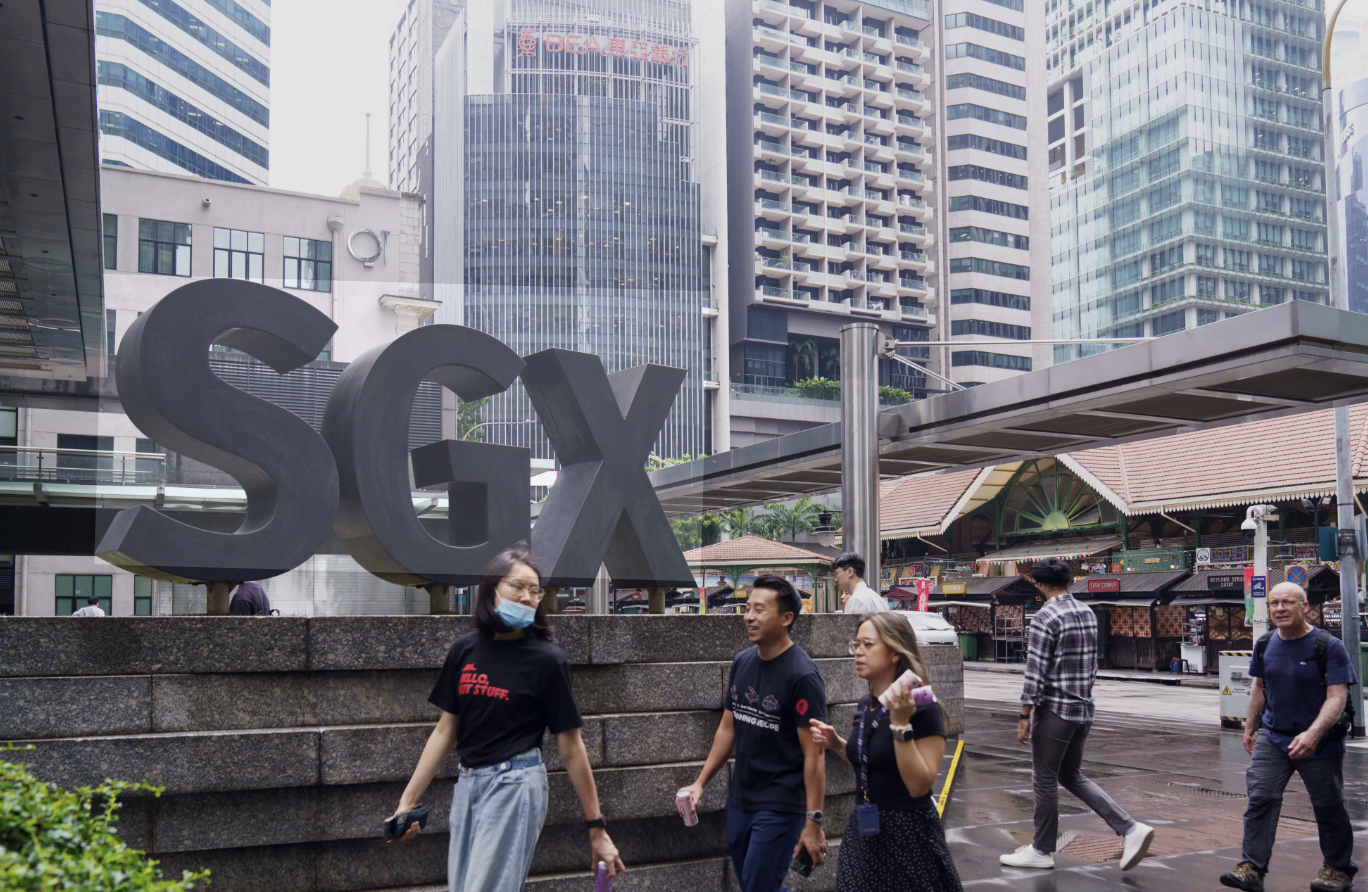
Many Singapore investors are heading into 2026 with one main goal: keep returns steady without losing sleep. That’s where Top Low-Risk SGX Stocks for 2026 with Stable Returns comes in. It isn’t about getting rich overnight. It’s about building a portfolio that can handle bumps in the road and still move forward.
What low-risk really means for SGX stocks
Low-risk doesn’t mean no risk. Every stock can fall. Instead, low-risk stocks tend to share a few traits:
- Their prices swing less than the wider market during bad periods.
- Their businesses sell services people still use in tough times, like banking, phone lines, electricity, and essential property space.
- They usually have stronger balance sheets, so they can ride out higher costs or weaker demand.
- They may pay steady dividends, which can soften the impact of price drops.
In Singapore, low-risk often points to mature, well-regulated sectors. Banks operate under strict rules. Telecom networks are essential. Utilities and infrastructure often have long contracts. These traits can help investors aiming for stable returns.
Looking for time-tested companies with strong track records? See this related article: Top 3 Blue Chip Stocks for Smart Investors (March 2026).
The trade-off: stability vs. upside
Here’s the honest truth: lower risk usually means lower upside. Some fast-growing companies can double quickly, but they can also drop hard when the cycle turns. Meanwhile, steady businesses often grow slower, yet they may compound over time through dividends and gradual earnings growth.
So if you’re exploring Top Low-Risk SGX Stocks for 2026 with Stable Returns, you’re probably choosing consistency over excitement. That’s not boring. It’s disciplined.
How to screen Top Low-Risk SGX Stocks for 2026 with Stable Returns
To build a list of Top Low-Risk SGX Stocks for 2026 with Stable Returns, you need a screening method. Otherwise, you’ll just follow headlines or social chatter, and that’s a slippery slope.

Below is a practical framework that a cautious investor can use. It focuses on business durability, financial strength, and dividend safety.
Balance sheet strength signals
A strong balance sheet can be a lifesaver when interest rates stay high or credit conditions tighten. Look for:
- Reasonable debt levels
Companies with very high gearing may struggle if refinancing costs rise. - Solid interest coverage
If operating profit can comfortably cover interest expense, that’s a good sign. - Healthy cash reserves and liquidity
Cash helps firms manage surprises, from repairs to refinancing needs.
For REITs, pay close attention to debt maturity profiles. If lots of debt needs to be rolled over soon, higher rates can squeeze distributions.
Cash flow reliability signals
Profit is an accounting measure. Cash flow is what keeps the lights on.
- Stable operating cash flow year after year
This shows the business isn’t relying on one-off gains. - Recurring revenue
Subscriptions, service contracts, and long leases can reduce earnings swings. - Conservative accounting and transparent reporting
Clear disclosures are a trust signal.
If you’re serious about Top Low-Risk SGX Stocks for 2026 with Stable Returns, you’ll want firms that generate cash in normal years and still do okay in difficult years.
Dividend sustainability signals
In Singapore, many investors love dividends. But high yield can be a trap if the payout isn’t sustainable.
Check:
- Payout ratio or distribution coverage
If a company pays out almost everything, there may be little buffer during downturns. - History of dividend discipline
A steady policy often reflects management’s focus on long-term shareholder trust. - Free cash flow after essential spending
Dividends funded by borrowing aren’t stable.
A modest yield that can be maintained is often better than a flashy yield that collapses.
Business moat signals
A moat is what protects profits from competition. On SGX, moats often come from:
- Regulation and licensing
Banking and utilities face high barriers to entry. - Infrastructure scale
Telecom networks and data infrastructure are hard to replicate quickly. - Prime assets and locations
Certain REIT portfolios hold irreplaceable properties. - Switching costs
Customers may stick with trusted providers.
When you combine moats with strong finances, you’re closer to finding Top Low-Risk SGX Stocks for 2026 with Stable Returns.
Defensive SGX sectors that often deliver stable returns
Sectors matter. Even a great company can suffer if its whole industry is in trouble. For steadier performance, many investors tilt toward defensive sectors with essential services and predictable demand.
Singapore banks as steady compounders
Singapore banks are often seen as anchors in local portfolios. Reasons include:
- Diversified income streams
They earn from loans, fees, wealth management, and treasury operations. - Strong oversight and capital buffers
Regulation encourages conservative risk management. - Pricing power in certain cycles
Interest margins can expand when conditions are favorable.
Still, banks aren’t risk-free. Credit cycles, property market changes, and global recessions can affect them. Yet, as a group, they’ve historically shown resilience compared with more cyclical sectors.
REITs and property trusts focused on necessities
REITs can support stable returns through distributions, but they must be chosen carefully. Defensive REIT angles include:
- Necessity-based assets
Logistics, certain retail anchored by essentials and some industrial properties. - Strong tenant quality
Better tenants reduce default risk. - Staggered lease expiries
This lowers the risk of large vacancy shocks.
However REITs are sensitive to interest rates. Higher rates can pressure valuations and distributions. That’s why balance sheet quality is crucial.
Telecom and digital infrastructure
Telecom is a classic defensive area because people keep using mobile and broadband services in both good and bad times. Key points:
- Sticky customer behavior
Many customers don’t change providers often. - Essential nature of connectivity
Connectivity is now a daily necessity. - Potential growth in enterprise and digital services
This can diversify cash flows.
For 2026 investors may also watch how telecom firms manage capital spending while maintaining dividends.
Utilities and renewables-linked names
Utilities and infrastructure can be defensive due to long contracts and regulated returns.
- Long-term power purchase agreements
These can stabilize revenue. - Essential services
Demand for electricity and water tends to be steady. - Transition opportunities
Renewables and grid upgrades can create new earnings streams.
Yet, execution risk exists. Large projects can face delays cost overruns or policy changes.
Consumer staples and healthcare exposure
Even when wallets tighten, people still buy basics. Staples and healthcare-linked exposure can provide resilience.
In Singapore’s market these themes may appear via consumer names healthcare service providers or diversified groups with defensive segments.
A practical 2026 watchlist (examples not recommendations)
This section gives examples commonly discussed by Singapore investors. They are not recommendations. You should review annual reports risk disclosures, and valuations yourself.
DBS OCBC UOB: quality and discipline
The local banks are often considered when people discuss Top Low-Risk SGX Stocks for 2026 with Stable Returns.
What to like:
- Strong brands and deep customer bases
- Income diversity across lending and fees
- Capital strength and generally conservative risk culture
- Shareholder-friendly dividend approaches over time
What to watch:
- Non-performing loan trends if the economy slows
- Exposure to property and regional markets
- Regulatory changes and capital requirements
- Net interest margin changes as rates move
Banks can still fall in a market panic. But for long-term investors they can act as steady compounders.
Singtel: cash flow plus optionality
Singtel is often viewed as a mature cash flow business with regional exposure.
What to like:
- Core telecom services that remain essential
- Potential for operational improvements and asset recycling
- Exposure to digital infrastructure and enterprise services in parts of the group
What to watch:
- Competitive pressure in telecom pricing
- Capital spending needs
- Strategy execution and how it supports dividends
For investors seeking Top Low-Risk SGX Stocks for 2026 with Stable Returns telecom can play a stabilizing role but only if dividends remain well-supported by cash flow.
REIT examples: Mapletree CapitaLand Frasers
Singapore has a strong REIT market and many investors use REITs for income. Examples include sponsors and platforms known for scale.
Key quality checks for REITs in 2026:
- Gearing and interest rate hedging
- Weighted average debt maturity
- Distribution coverage and tenant health
- Occupancy trends and lease renewal spreads
- Sector exposure such as logistics industrial retail office or data centers
REITs can provide stable returns when picked with care, but they’re not safe if debt costs rise fast or property values fall.
Utility/infra examples: Keppel Sembcorp
Some Singapore-listed groups have infrastructure or energy exposure that may provide steadier earnings through contracts and long-term demand.
What to like:
- Visibility from contracted cash flows in certain segments
- Possible tailwinds from energy transition and infrastructure needs
What to watch:
- Commodity-linked exposure where earnings can swing
- Project execution and cost control
- Policy and regulatory changes in key markets
In short they can be part of a defensive approach but you must understand what portion of earnings is truly stable.
How to build a low-risk SGX portfolio for stable returns
Buying a few defensive names isn’t enough. Portfolio design matters just as much as stock selection. If you want Top Low-Risk SGX Stocks for 2026 with Stable Returns to work in real life you need a plan you can stick to.

Simple allocation models for Singapore investors
Below are sample models to illustrate structure. Adjust based on age, income stability, and comfort level.
Table: Example allocations (illustrative)
| Style | Banks | REITs | Telecom/Utilities/Infra | Cash/Short-term | Notes |
| Conservative income | 25% | 25% | 25% | 25% | More cash to reduce volatility |
| Balanced steady | 35% | 25% | 30% | 10% | Diversifies across defensive sectors |
| Dividend tilt | 30% | 35% | 25% | 10% | Higher income focus, more rate sensitivity |
Cash is not lazy. It’s a shock absorber. It also gives you flexibility when prices drop.
Risk controls you can actually use
Fancy tools are nice, but simple rules often work best:
- Position sizing
Don’t let one stock dominate your portfolio. Concentration is a hidden risk. - Rebalancing
If one segment grows too large, trim it and add to what’s lagging. This helps control risk. - Dividend reality check
If dividends are funded by debt, treat the yield as fragile. - Keep a cash buffer
This can help you avoid panic selling during market dips.
If you’re building around Top Low-Risk SGX Stocks for 2026 with Stable Returns, your goal is to stay invested through cycles, not to time every turn.
Common mistakes to avoid
Many investors make avoidable mistakes especially in income-focused strategies:
- Chasing the highest yield
Very high yields can signal stress. - Ignoring refinancing risk
For REITs debt maturity and hedging can matter more than headline yield. - Treating blue chips as guaranteed
Even large firms can stumble. - Overreacting to short-term news
A steady approach requires patience.
A calm process beats a clever guess most of the time.
FAQs about low-risk SGX investing for 2026
1) Are low-risk stocks guaranteed to give stable returns?
No. Low-risk usually means less volatility and stronger business resilience, not guaranteed gains. Prices can still fall, especially during global sell-offs.
2) How many SGX stocks should I hold for a low-risk portfolio?
Many retail investors aim for about 8 to 15 holdings to spread risk without losing track. If that feels like too much homework, fewer holdings plus more cash can also reduce stress.
3) Are dividends always safer than capital gains?
Not always. Dividends can be cut. Still, companies with strong cash flow and conservative payout policies may offer more predictable income than relying on price appreciation alone.
4) Do REITs still make sense in 2026 if interest rates stay high?
They can, but you should be more selective. Look for REITs with manageable debt good hedging and resilient tenants. In a high-rate world weak balance sheets get punished.
5) Are Singapore banks considered low-risk?
They are often considered relatively lower risk compared with cyclical sectors due to regulation and capital strength. However they remain exposed to economic downturns and credit losses.
6) What’s the biggest hidden risk in stable return investing?
Overconcentration. If you put too much into one sector, such as only REITs for yield a sector-wide shock can hurt your whole portfolio.
7) Should I buy all at once or slowly over time?
If you worry about timing spreading purchases over several months can reduce regret. A steady plan is often easier to stick with than trying to pick the perfect day.
Conclusion: staying steady in 2026
Top Low-Risk SGX Stocks for 2026 with Stable Returns is best treated as a strategy not a hot list. Focus on strong balance sheets reliable cash flows and dividends that are supported by real earnings. Then, build a diversified portfolio across defensive sectors like banks selected REITs telecom and infrastructure. Finally keep risk controls simple and stick to your plan.

Why Blue Chip Stocks Matter in 2026
Markets in 2026 still feel like a mixed bag. Some sectors are roaring ahead, while others are slowing down. Interest rates, inflation, and geopolitics can change the mood fast. In times like these, many long-term investors circle back to the same idea blue chip stocks.
Blue chip stocks are shares of large, well-known companies with a history of surviving tough cycles. They’re often leaders in their industries, and they typically generate reliable cash flow. That doesn’t mean they’re “safe” in the sense of guaranteed returns. Nothing in investing is guaranteed. Still, blue chip stocks can help reduce the odds of nasty surprises, especially for people investing for retirement, education, or long-term wealth.
For investors based in Singapore, blue chip stocks can also play another role. Many of the world’s strongest companies are listed in the United States. That gives local investors a way to diversify beyond the Singapore market and participate in global growth trends. If you’ve ever heard someone say, “Don’t put all your eggs in one basket,” this is what they mean.
Recommended reads:
For safe rates and smooth exchanges, read our guide on Trusted Forex Services at Arcade Money Changers AMC SG.
What “Blue Chip” Means (Simple Definition)
A blue chip company usually has:
- A strong brand that customers trust
- A proven business model
- Stable or growing cash flow
- A solid balance sheet
- The ability to pay dividends or reinvest profit wisely
Because of these traits, blue chip stocks often recover faster after market drops. Over time, that can make a big difference through compounding.
How Smart Investors Think About Risk
Smart investors don’t try to avoid risk completely. They manage it. Here are a few practical habits they use:
- They invest with a time horizon of years, not weeks.
- They diversify across industries and regions.
- They focus on business strength, not just hype.
- They try not to panic when headlines get loud.
And yes, they understand that even blue chip stocks can fall. A great company can still be overpriced. Or it can face new competition. That’s why picking matters.
How We Picked the Top 3 Blue Chip Stocks

Choosing blue chip stocks isn’t about guessing which ticker will “moon” next. It’s about stacking the odds in your favor. For this March 2026 list, the goal is to spotlight businesses with durable advantages and long runways, while still keeping the discussion simple enough to act on.
Screening Checklist (E-E-A-T Framework)
To keep the process grounded, we used a practical checklist based on experience, expertise, authoritativeness, and trust:
- Business quality: Is the company a leader with a clear edge?
- Financial strength: Does it generate strong free cash flow and maintain healthy debt levels?
- Consistency: Does it have a track record across multiple market cycles?
- Governance and culture: Does management allocate capital responsibly?
- Future relevance: Is the company positioned for 2026–2036 trends?
This approach doesn’t promise perfect picks. However, it aims to reduce the chance of buying into weak businesses.
Practical Notes for Singapore Investors
If you’re investing from Singapore, keep a few real-world points in mind:
- Currency exposure: Many global blue chip stocks trade in USD, so SGD-USD moves can affect your returns.
- Dividends: US dividends may be subject to withholding tax depending on the structure and your broker setup.
- Access and costs: Brokerage fees, FX fees, and platform features vary. Over time, costs matter.
Now let’s get to the shortlist.
Top 3 Blue Chip Stocks: Quick Snapshot
The three blue chip stocks below are widely followed, financially strong, and positioned for long-term relevance.
| Company | Sector | Why it’s considered blue chip | What investors typically like |
| Microsoft | Technology | Deep enterprise moat, strong cash flow, multiple growth engines | Cloud, AI, recurring revenue, balance sheet strength |
| Johnson & Johnson | Healthcare | Defensive demand, diversified healthcare footprint, long dividend history | Stability, dividends, resilience in downturns |
| Visa | Financial services | Global payment network, high margins, powerful network effects | Long-term shift to digital payments |
Each one serves a different role. Together, they create balance tech growth, healthcare defense, and global commerce exposure.
Blue Chip Stock #1: Microsoft (MSFT)

Microsoft is often described as a “boring” tech giant, and that’s actually a compliment. In 2026, the company still benefits from one of the strongest positions in enterprise software and cloud infrastructure. It sells tools businesses rely on every day, and that creates sticky customer relationships.
When people talk about blue chip stocks in technology, Microsoft tends to come up quickly. It’s big, profitable, and deeply embedded in how modern work gets done.
Why Microsoft Stays a Blue Chip Stock
Microsoft’s strength comes from a few layers that work together:
- Enterprise software dominance
Products like Windows, Office, and enterprise tools remain core business infrastructure. Companies don’t switch these systems lightly. That’s a moat. - Cloud scale and recurring revenue
Cloud services are a major driver of growth for many large tech firms. The important part is not just revenue growth, but the recurring nature of subscriptions and long-term contracts. - AI as an accelerant
In 2026, AI isn’t a side project. It’s becoming a productivity layer across software. The companies that can integrate AI into workflows without breaking trust or security are likely to win long term. - Financial power
Strong cash flow gives Microsoft options. It can invest, acquire, buy back shares, and still stay resilient.
In plain terms, it’s not just a tech company. It’s a business infrastructure company. That’s why many investors treat it as a core holding among blue chip stocks.
What Could Go Wrong
Even great businesses have risks. For Microsoft, common ones include:
- Regulation: Large tech firms face more scrutiny over time.
- Competition: Cloud and AI markets are competitive and fast-moving.
- Valuation risk: A wonderful company can still be a poor investment if bought at an inflated price.
- Execution: Integrating new AI features at scale must be done carefully, especially for security-sensitive clients.
Simple Watch List Metrics
If you’re tracking Microsoft as one of your blue chip stocks, keep an eye on:
- Growth in cloud-related revenue lines
- Operating margins and whether they stay healthy
- Free cash flow trends
- Customer retention and enterprise adoption signals
You don’t need to be an analyst. Just look for steady progress, not perfection.
Blue Chip Stock #2: Johnson & Johnson (JNJ)

Johnson & Johnson has long been viewed as a defensive cornerstone. People need healthcare in good times and bad times. That’s why many investors turn to healthcare blue chip stocks when markets feel shaky.
In 2026, Johnson & Johnson still stands for something important: people continue to need healthcare even when the economy cools down.It’s the kind of company many families hold across generations, partly because it tends to prioritize stability and shareholder returns.
Why J&J Remains Defensive
Johnson & Johnson stands out for a few reasons:
- Healthcare is non-optional
Demand for medicine, treatments, and medical solutions tends to be steady. People don’t pause healthcare because GDP is down. - Diversification inside healthcare
A broad base can reduce reliance on any single product. That can smooth results over time. - Cash flow and shareholder returns
Mature healthcare companies often aim to return value to shareholders through dividends, while still investing in research.
For investors building a portfolio of blue chip stocks, J&J can act like a shock absorber. It may not always be the fastest grower, but it’s often more stable during downturns.
Key Risks to Track
Healthcare isn’t risk-free. Here are a few risks worth watching:
- Legal and litigation risks: Large healthcare firms can face ongoing legal issues.
- Pipeline risk: Research outcomes matter. Not every project succeeds.
- Pricing and policy pressure: Healthcare pricing is a sensitive topic, and rules can change.
Simple Watch List Metrics
To keep things simple, you can track:
- Dividend coverage (is the dividend supported by cash flow?)
- Research and development progress (broadly, not day-to-day)
- Debt levels and credit strength
- Overall revenue stability across cycles
If you want a calmer ride, healthcare blue chip stocks like J&J often fit that bill.
Blue Chip Stock #3: Visa (V)

Visa is not a bank. It’s a payment network. That difference matters. Instead of taking on large credit risk like a lender, Visa generally earns fees by connecting merchants, banks, and consumers across a global network.
In 2026, the world keeps moving toward digital payments. People tap phones, pay online, and shop across borders. Visa tends to benefit from that long-term shift, which is why it’s frequently included in lists of blue chip stocks.
Why Visa Is Built for the Long Run
Visa’s advantages are simple but powerful:
- Network effects
The more people and merchants use the network, the more valuable it becomes. That’s hard to replicate quickly. - High operating leverage
Payment networks can scale efficiently. When volumes rise, profits can rise faster. - Global tailwinds
Digital commerce and travel trends can boost transaction volumes over time, especially cross-border spending. - Strong brand trust
In payments, trust is everything. Consumers and businesses want reliability.
For long-term investors, Visa can be a “steady grower” among blue chip stocks, benefiting from broad economic activity rather than a single product cycle.
Key Risks to Track
Visa’s main risks often include:
- Regulation and fee pressure: Governments may scrutinize payment fees.
- Competition: Other networks and new payment methods can take share.
- Consumer spending cycles: Recessions can reduce transaction volumes temporarily.
Simple Watch List Metrics
Helpful indicators include:
- Payment volume growth
- Cross-border volume trends
- Operating margin consistency
- Signs of network expansion in emerging markets
Visa won’t be exciting every quarter. But over long stretches, that steady compounding can be the whole point.
How to Build a Simple Blue Chip Portfolio (Singapore-Focused)

Picking blue chip stocks is only half the job. The other half is building a process you can stick with when markets get noisy.
A Starter Allocation Example
Here are two simple ways a Singapore-based investor might think about allocation. This is not a recommendation, just a practical example of structure.
| Investor style | Example approach | Goal |
| Conservative | Heavier weight in defensive holdings, smaller tech exposure | Smoother returns, less drawdown stress |
| Balanced | More even split across growth and defense | Blend of stability and long-term upside |
Many investors use dollar-cost averaging. It’s a fancy name for investing a fixed amount every month. When prices dip, you buy more shares. When prices rise, you buy fewer. Over time, it helps reduce the stress of timing the market.
Dividend and Currency Basics (Plain English)
If you buy US-listed blue chip stocks from Singapore:
- You may receive dividends in USD.
- Your return in SGD depends on both stock performance and currency movement.
- Currency swings can help or hurt in the short term, but long-term investors often accept it as part of global diversification.
A practical tip: avoid over-checking. If you track your portfolio daily, even blue chip stocks can feel volatile. Monthly or quarterly reviews are often enough for long-term plans.

FAQs (Before Conclusion)
1) Are blue chip stocks always safe?
No. Blue chip stocks can still drop sharply during market sell-offs. “Blue chip” means strong business quality and durability, not guaranteed gains.
2) How many blue chip stocks should I own?
Many long-term investors start with 3 to 10 strong holdings, then diversify further over time. What matters is that you understand what you own and why you own it.
3) Should I buy all at once or slowly?
If you’re worried about timing, investing gradually can help. A simple monthly plan is easier to follow and reduces regret if prices dip after you buy.
4) Do blue chip stocks pay dividends?
Many do, but not all. Some focus more on reinvesting cash for growth. Even dividend payers can change policies, so dividends shouldn’t be the only reason you buy.
5) What’s the biggest mistake investors make with blue chip stocks?
Overpaying and then panicking. People sometimes assume a great company can’t be overpriced. Or they sell during a downturn because headlines sound scary.
6) How do I know if a blue chip stock is getting weaker?
Watch for long-term deterioration, not one bad quarter. Examples include shrinking margins for several years, rising debt with falling cash flow, or losing market leadership.
7) Can Singapore investors buy these blue chip stocks easily?
Yes, many brokers provide access to US markets. Still, check trading fees, FX conversion costs, and dividend handling so you’re not surprised later.
Conclusion
Blue chip stocks can be a practical foundation for long-term investing in 2026, especially if you want quality, resilience, and businesses built to last. Microsoft offers a strong blend of enterprise stability and innovation. Johnson & Johnson can provide defensive strength and steadier demand. Visa adds exposure to global commerce and the continuing shift toward digital payments.
If you’re investing from Singapore, focus on a simple plan you can follow, keep costs reasonable, and give your holdings time to compound. Over the long run, patience often beats prediction.
Thanks for reading. If you’d like, share your investing time horizon and risk comfort level, and I can suggest a simple way to compare these blue chip stocks side by side without overcomplicating it.


Safe Singapore Stocks for Long-Term Investing: Build a Stable Wealth Portfolio

7 Smart Business Optimization Strategies Driving Singapore Digital Economy

AI-Driven Business Intelligence: Transforming Enterprise Strategy in Singapore
Wedding day horror: Groom falls to death at VOCO Orchard Hotel on Wedding Day

EdTech in Singapore: 150+ Companies Driving $180M Digital Learning Revolution

Singapore JC Ranking: A Complete Guide for Students
-
Blog12 months ago
Wedding day horror: Groom falls to death at VOCO Orchard Hotel on Wedding Day
-
Technology11 months ago
EdTech in Singapore: 150+ Companies Driving $180M Digital Learning Revolution
-
Education1 year ago
Singapore JC Ranking: A Complete Guide for Students
-

 Food10 months ago
Yi Dian Dian Bubble Tea Singapore: Menu, Outlets & Try Drinks
-
 Blog1 year ago
Best of SG with Singapore Rediscover Voucher
-
 Business1 year ago
What to Expect During PSLE Marking Days 2023
-
 Digital Marketing10 months ago
How to Run Effective Xiaohongshu Advertising Campaigns
-
 Digital Marketing10 months ago
Why Xiaohongshu Ads Are a Must for Reaching Chinese Consumers