
Lifestyle
AI Powered Home Robots in 2026: Smart Companions for Everyday Living


The year 2026 marks a major turning point in how we interact with technology at home. We have officially moved beyond static smart speakers and single purpose cleaning robots. Today, a new generation of AI-powered home robots is stepping into our living spaces capable of moving, learning, assisting, and even empathizing.
These machines represent the rise of Physical AI: intelligent robots that understand their surroundings, adapt to human behavior, and actively support daily life. From folding laundry and managing smart homes to monitoring loved ones and educating children, AI Home Robots in 2026 are redefining modern living.
In this guide, we explore the most influential robotic companions shaping households this year—and what to consider before bringing one home.
1. The All-Purpose Household Assistant: 1X NEO
Often described as the breakthrough moment for consumer robotics, 1X NEO has become one of the most talked-about humanoid robots of 2026.
What Makes NEO Stand Out
Designed specifically for human environments, NEO moves naturally through homes and handles everyday tasks with impressive precision. Its soft, compliant exterior reduces risk, making it safe around children and pets.
Everyday Capabilities
NEO can load and unload dishwashers, organize clutter, tidy rooms, and even fold clothes—tasks once considered far beyond consumer robotics.
Assisted Learning Mode
When NEO encounters a task it hasn’t mastered, a remote human operator can briefly guide it using VR-based teleoperation. The robot then learns from the experience, improving future performance autonomously.
Why Homeowners Love It
NEO feels less like a machine and more like a helpful household presence bridging the gap between automation and true assistance.
2. The Mobile Smart Home Companion: Samsung Ballie (2026 Edition)
Samsung’s Ballie has evolved from a futuristic concept into a fully realized home companion.
A Moving Control Center
Ballie follows users throughout the house, projecting information where it’s needed most. In the kitchen, it displays recipes. During workouts, it shows health metrics and guided routines.
Home Security & Family Care
While you’re away, Ballie patrols your home, monitoring pets and elderly family members. If it detects unusual behavior, falls, or distress, it instantly sends alerts with live video access.
Deep Smart Home Integration
As the mobile core of the SmartThings ecosystem, Ballie manages lighting, temperature, appliances, and routines through voice, visuals, and contextual awareness.
AI Home Robot Comparison (2026)
| Robot Name | Category | Key Strength | Ideal For |
| 1X NEO | Humanoid | Physical household tasks | Busy households |
| Samsung Ballie | Rolling AI Hub | Smart home control & security | Tech-focused homes |
| Miko 3 | Social / Educational | Child learning & emotional support | Families with kids |
| Tesla Optimus (Gen 3) | Humanoid | Heavy lifting & durability | Large homes & outdoor tasks |
| Eufy X10 Pro Omni | Hybrid Vacuum | Advanced floor care | Low-maintenance lifestyles |
3. The Learning & Emotional Companion: Miko 3
For families with children, Miko 3 has grown far beyond a simple educational toy.
Intelligent Learning Support
Miko uses advanced conversational AI to help with homework, language learning, and creative storytelling. Lessons adapt dynamically to a child’s interests and progress.
Emotional Awareness
By analyzing facial expressions and vocal cues, Miko can sense frustration, boredom, or excitement responding with encouragement, games, or calming activities when needed.
A Trusted Digital Friend
Parents appreciate Miko’s balance of education, emotional intelligence, and safe interaction, making it a valuable addition to family life.
4. The Heavy-Duty Helper: Tesla Optimus (Consumer Alpha)
Tesla has begun limited consumer availability of its Optimus humanoid robot, bringing industrial-grade capability into residential settings.
Advanced Navigation & AI
Powered by Tesla’s Full Self-Driving neural systems, Optimus can map homes accurately and move efficiently through complex environments.
Practical Strength
Optimus excels at physically demanding tasks carrying groceries, moving furniture, handling yard work, and supporting large properties.
Cost & Vision
Tesla’s long-term goal is affordability, aiming for a price comparable to a compact car, with early targets under $25,000 to reshape domestic labor.
Key Factors to Consider Before Buying a Home Robot
1. Privacy & Data Security
Modern home robots rely on cameras, microphones, and constant connectivity. Look for brands that prioritize on device AI processing and transparent data policies to protect household privacy.
2. Safety by Design
Humanoid robots can be heavy and powerful. Soft materials, pinch-resistant joints, and advanced collision detection are essential especially in homes with children or pets.
3. Autonomous Intelligence
The best robots in 2026 are agentic. They don’t just follow commands they notice situations, anticipate needs, and politely ask before taking action.
Final Thoughts
What once belonged to the realm of science fiction has now become an everyday reality. In 2026, AI-powered home robots have moved beyond laboratories and digital screens, seamlessly integrating into our homes and becoming active participants in our daily routines.
Whether it’s the versatility of 1X NEO, the connected intelligence of Samsung Ballie, or the emotional learning support of Miko 3, these robots are transforming homes into smarter, safer, and more supportive environments.
By welcoming these emerging technologies, we’re not just automating chores, we’re reclaiming time, reducing stress, and creating space for what matters most: family, creativity, and meaningful living.


In recent years, a new trend has been emerging in the dance world athletic ballet. This exciting blend of classical ballet elegance with modern athletic strength is changing how we see dance. It combines the beauty and precision of traditional ballet with the energy and stamina of athletic performance, creating a fresh and powerful style that’s captivating audiences worldwide. As athletic ballet continues to grow in popularity, it’s transforming stages, how dancers train, and the way we think about dance as an art form.
From Classic Grace to Athletic Grit

Traditional ballet has always been admired for its elegance, poise, and technical mastery. Dancers dedicate years to perfecting their craft, balancing delicate artistry with disciplined training. But today’s audiences want performances that are not only beautiful but also intense and impactful. To meet this demand, dancers and choreographers are pushing limits jumping higher, landing with more force, and executing complex moves with explosive energy.
This shift is influenced by advancements in sports science and physical training, inspiring dancers to adopt more rigorous conditioning routines. Today’s athletic ballet dancers combine strength, flexibility, and endurance, elevating the art form to new levels of dynamism and vigor. This evolution preserves the grace of traditional ballet while injecting a fresh dose of power and excitement.
Where Art Meets Strength: The Visual Appeal

Athletic ballet is all about dramatic contrasts: delicate spins and pirouettes paired with powerful leaps and jumps; intricate footwork combined with muscular control. Performers showcase incredible agility and stamina, captivating audiences with displays of strength that seem to merge artistic beauty with athletic prowess seamlessly.
Choreographers are creating pieces that highlight these contrasts, emphasizing resilience, energy, and physical mastery. Costumes are also evolving using breathable fabrics and innovative designs that support intense movement while emphasizing the visual artistry of each performance.
Training for the New Era of Ballet
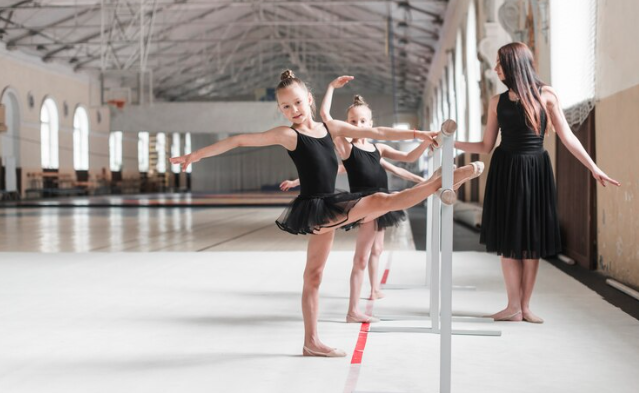
Preparing for athletic ballet involves a comprehensive approach to training. Dancers incorporate strength exercises, flexibility routines, and injury prevention strategies into their daily practice. Many work closely with sports scientists, physiotherapists, and trainers to maximize their performance and extend their careers.
This holistic training not only sharpens technical skills but also helps dancers handle the physical demands of demanding routines. As a result, they can perform with higher intensity, push their physical boundaries, and maintain their stamina over longer periods.
Impact and Future of Athletic Ballet
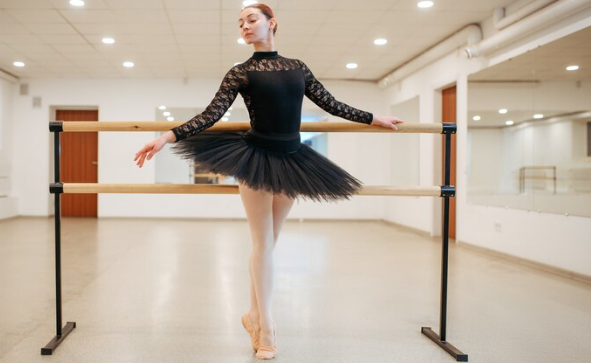
Athletic ballet is gaining recognition beyond traditional dance audiences. It appeals to sports fans, young viewers, and anyone drawn to high-energy, visually stunning performances. This crossover appeal opens up new opportunities for collaborations, competitions, and innovative stage productions.
Looking ahead, athletic ballet will likely continue evolving. With technological advancements like augmented reality, motion capture, and digital enhancements, future performances could become even more spectacular and immersive.
Final Thoughts

The rise of athletic ballet marks an exciting new chapter in the arts showcasing human creativity, strength, and resilience. By merging the grace of art with the power of athleticism, this genre is redefining what dance can be. It encourages us all to push our own limits, find beauty in strength, and appreciate the incredible potential of the human body and spirit.

Disney lovers have a magical date to circle this March as Marina Bay transforms into a storybook sky. From March 13 to 15, a breathtaking 10 minute fireworks display will dazzle audiences at 8.30pm each evening, celebrating the arrival of Disney Cruise Line’s newest ship, Disney Adventure, which begins her maiden voyage on March 10.
Set against Singapore’s iconic skyline, the vibrant pyrotechnic showcase promises to bring beloved Disney stories to life in spectacular fashion. Inspired by the ship’s seven immersive themed zones Disney Imagination Garden, Toy Story Place, San Fransokyo Street, Town Square, Wayfinder Bay, Disney Discovery Reef and Marvel Landing the performance will blend color, music and storytelling high above Marina Bay.
Fans can expect a nostalgic musical journey featuring timeless favorites such as “When You Wish Upon A Star” from Pinocchio, “Let It Go” from Frozen and “Under the Sea” from The Little Mermaid. As the melodies fill the night air, fireworks will paint the sky with enchanting visuals that reflect Disney’s signature magic.
Adding a uniquely Singaporean touch, the show will incorporate nautical inspired elements, elegant Peranakan motifs and designs referencing the nation’s beloved flower, the Vanda Miss Joaquim. This fusion of global Disney charm and local cultural identity makes the celebration even more meaningful for visitors and residents alike.
The fireworks spectacle is a centerpiece of “Adventure Begins: A Magical Bay Celebration with Disney Cruise Line,” a two month waterfront festival running from February 26 to April 30. During this period, guests can explore themed installations, interactive activities and picturesque photo spots across seven Marina Bay locations.
Organized through a collaboration between Marina Bay precinct partners, UOB, Marina Bay Sands, the Singapore Tourism Board and Disney Cruise Line, this unforgettable celebration promises to light up the city and the hearts of Disney fans everywhere.
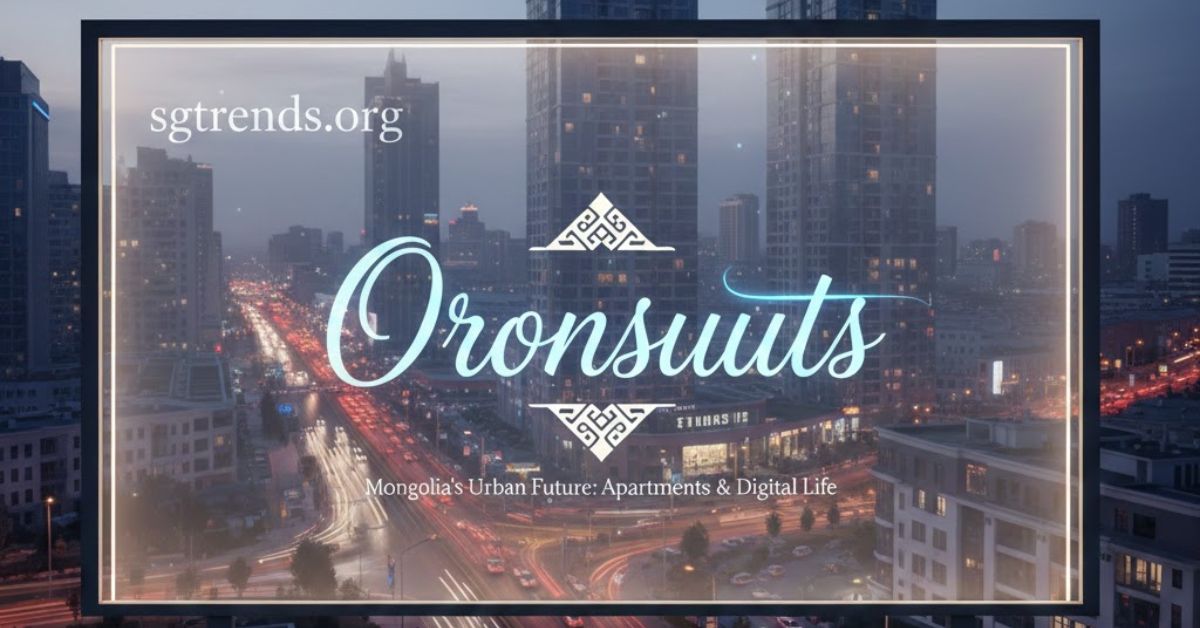
Oronsuuts is a term that has gained global attention in recent years, primarily referring to residential housing systems in Mongolia—especially apartments in urban districts such as Ulaanbaatar—while also appearing in varied online contexts related to digital platforms. The word Oronsuuts originates from the Mongolian phrase “орон сууц,” which literally translates to residential dwellings or apartments, and reflects not only housing realities but also broader trends in urban development, infrastructure, lifestyle choices, and even online media access patterns. Understanding Oronsuuts requires exploring its meaning, role in modern Mongolian society, implications for urban living, and how its usage has broadened beyond housing into online platforms and digital language discussions. This detailed article will unpack every dimension of Oronsuuts with deep explanations, relevant statistics, insightful context, and clear structure for readers who want a comprehensive and meaningful grasp of the topic.
What Oronsuuts Means in Mongolia
Oronsuuts in Mongolia refers to multi-unit residential buildings—generally what the world calls apartments—that are centrally serviced with utilities like water, electricity, heating, sanitation, and communal maintenance systems. As Mongolia urbanizes rapidly, especially in its capital Ulaanbaatar, demand for Oronsuuts apartments has increased sharply because they offer essential services that traditional rural housing does not provide. The phrase itself originates from the Mongolian words “орон” (oroon) meaning “place” or “location,” and “сууч” (suuts) meaning “residence” or “dwelling.” When translated into English or displayed in Roman letters online, these two words are combined into Oronsuuts, which has become widely used in real estate listings, governmental housing portals, and urban planning discussions.
In the context of Mongolia’s extreme continental climate—where winters can plunge well below freezing—Oronsuuts apartments often include central heating systems connected to city networks. This contrasts sharply with ger districts (traditional felt tent communities or single‑family homes) that may rely on coal or wood stoves for heat, making apartments materially more comfortable and less labor‑intensive for residents. Beyond comfort, apartments with integrated utilities and infrastructure represent a modern living standard that aligns with economic mobility and improved quality of life.
Read More : Markiseteppe: Unlock Premium Outdoor Comfort & Style
The Historical Emergence of Oronsuuts
The emergence of Oronsuuts housing in Mongolia is tightly linked to the country’s urbanization trajectory over the last few decades. As internal migration to cities accelerated—especially following economic reforms in the early 1990s and the gradual expansion of employment opportunities in Ulaanbaatar—traditional rural dwellers left nomadic lifestyles for city life in search of education, jobs, and services. This population influx placed immense pressure on housing supply, leading to a rapid expansion of apartment construction as the primary residential solution.
Historically, the first wave of apartment housing in Ulaanbaatar drew inspiration from Soviet‑style multi‑family residences, which were relatively simple in design but offered centralized utilities and shared building services. Over time, newer Oronsuuts structures have incorporated enhanced design standards, better materials, and more efficient insulation to respond to Mongolia’s climate challenges and rising expectations for modern urban living. These changes reflect not only architectural shifts but also broader socioeconomic transformations—where housing is both a necessity and an expression of modern identity.
Why Oronsuuts Matters for Urban Development
Understanding Oronsuuts is essential to understanding Mongolia’s urban growth, infrastructure strategy, and social change. Apartments provide several critical advantages that affect residents’ daily lives and the broader city ecosystem. First, Oronsuuts units are typically connected to city infrastructure systems that deliver consistent water supply, sanitation networks, and centralized heating. This connectivity contrasts sharply with stand‑alone homes or ger dwellings, which may lack utilities or depend on less efficient heating methods, increasing time spent managing domestic chores and raising pollution concerns.
Second, apartments strategically placed near schools, healthcare centers, employment zones, and public transport reduce commute times and improve convenience for residents. Shorter commutes mean more time for work, family, or leisure—and over a lifetime, this accumulates into significant gains in living standards. Oronsuuts locations tend to attract businesses, enhance local services, and stabilize communities, making them a core driver of urban dynamism.
Third, from an environmental perspective, well‑managed apartment dwellings are more energy‑efficient than dispersed housing or individual stoves. Centralized heating systems, if maintained and optimized, reduce the reliance on coal stoves that contribute heavily to Ulaanbaatar’s severe winter air pollution episodes. This environmental benefit directly impacts public health—especially for children and older adults during winter months.
Key Features and Resident Experience
Oronsuuts apartments share several common features that distinguish them from other housing types. Most importantly, these structures are designed for high‑density living, which means multiple residential units stacked vertically and horizontally within a single building. Each unit typically connects to shared infrastructure for electricity, water, and sewer systems, which reduces individual household burdens and provides consistent service delivery.
In addition to utility connections, Oronsuuts buildings often incorporate property management services that handle maintenance, elevator operations, common area cleaning, and building security. These centralized services reduce the workload on individual residents. In larger or newer complexes, amenities such as secure entry systems, fire safety equipment, garbage collection points, insulation, and shared heating systems are standard components—making apartment living more predictable and efficient.
However, residents’ experiences can vary widely depending on management quality and building age. Poorly managed Oronsuuts units can suffer neglected infrastructure, poorly functioning elevators, insufficient heating, or unsatisfactory common areas—issues that emphasize the importance of careful inspection and due diligence when choosing a unit. This variability highlights that Oronsuuts quality is not solely about the physical building but also about long‑term management practices.
Economic and Social Impact
Oronsuuts apartments influence Mongolia’s economy in multiple ways. As a major component of urban housing supply, they are integral to real estate markets. Apartments in desirable districts—close to universities, business hubs, and cultural centers—tend to command higher prices and stable demand, making them attractive for long‑term investment and rental income. This economic dynamic reflects not only housing scarcity but also the value that Mongolian residents place on location and infrastructure.
On the social side, Oronsuuts living changes traditional family and community dynamics. Urban apartments often encourage smaller household units, reduce shared inter‑household labor seen in rural settings, and create new forms of neighbor interaction shaped by proximity and collective responsibility for building spaces. This shift partly reflects broader changes in Mongolian society as it transitions from nomadic traditions to modern urban lifestyles.
Oronsuuts in Online Contexts
Beyond its primary meaning related to housing, Oronsuuts has appeared in online searches tied to digital streaming and content platforms, where users look for movies, TV shows, or multimedia content. Some versions of platforms labeled as Oronsuuts may offer quick access to international films and regional content, though these sites sometimes operate without proper licensing and pose legal or security risks due to unverified downloads or advertising.
This online use of the term mainly reflects user behavior in digital spaces where original words can take on new associations beyond their formal origins. Such usage highlights the need for digital literacy—users should prioritize official, licensed streaming services to avoid potential malware, phishing schemes, or legal issues.
Challenges and Misconceptions
While Oronsuuts apartments offer many advantages, they are not immune to challenges. One major issue is affordability. Rapid urbanization has pushed housing prices upward in key districts, making it difficult for average‑income households to buy or rent apartments without assistance. Despite government‑supported housing programs aiming to expand access, affordability remains a central concern in policy discussions.
Another challenge is maintenance inconsistency. Apartment quality varies widely based on building age, management practices, and financial resources allocated for upkeep. Prospective buyers and renters must therefore evaluate units carefully to avoid future issues related to heating, structural soundness, or shared space conditions.
Finally, the expanded online use of the term Oronsuuts has led to confusion about its meaning, requiring audiences to distinguish between its real estate significance and its appearance in digital media contexts. Being aware of this dual usage helps avoid misunderstandings when encountering the term in internet searches.
Conclusion
Oronsuuts represents one of the most important aspects of Mongolia’s modern urban transformation: the shift toward integrated, centrally serviced apartment living that meets the demands of contemporary city life. Rooted in the Mongolian words for residence and housing—орон сууц—Oronsuuts encapsulates both a practical housing structure and a larger socioeconomic trend built around urban growth, infrastructure development, and changing lifestyles. The value of Oronsuuts extends beyond bricks and mortar; it represents access to utilities, proximity to services, environmental efficiency, and improved living standards that distinguish urban life from traditional rural housing. As Mongolia continues to urbanize, Oronsuuts will remain central to discussions about housing affordability, community dynamics, and quality of life. At the same time, the term’s appearance in online content contexts highlights the fluid ways language and meaning evolve in the digital age, underscoring the importance of interpreting Oronsuuts within its intended context—whether real estate or digital content. For anyone studying Mongolian urban life or navigating online content spaces, understanding Oronsuuts offers essential insights into how language, housing, culture, and technology intersect in a rapidly changing world


The Future of Remote Work Technology: Innovations Shaping the Digital Workspace

Ador Global Auditions 2026: K-Pop Label Behind NewJeans Opens Singapore Tryouts for Young Male Talent

Minecraft Experience Singapore 2026: Immersive Villager Rescue Adventure Arrives at Mandai Wildlife Reserve
Wedding day horror: Groom falls to death at VOCO Orchard Hotel on Wedding Day
EdTech in Singapore: 150+ Companies Driving $180M Digital Learning Revolution

Singapore JC Ranking: A Complete Guide for Students
-
Blog7 months ago
Wedding day horror: Groom falls to death at VOCO Orchard Hotel on Wedding Day
-
Technology6 months ago
EdTech in Singapore: 150+ Companies Driving $180M Digital Learning Revolution
-
Education9 months ago
Singapore JC Ranking: A Complete Guide for Students
-

 Food5 months ago
Yi Dian Dian Bubble Tea Singapore: Menu, Outlets & Try Drinks
-
 Blog9 months ago
Best of SG with Singapore Rediscover Voucher
-
 Business9 months ago
What to Expect During PSLE Marking Days 2023
-
 Digital Marketing6 months ago
How to Run Effective Xiaohongshu Advertising Campaigns
-
 Digital Marketing6 months ago
Why Xiaohongshu Ads Are a Must for Reaching Chinese Consumers