
Science/Health
Elvanse 70 mg Lisdexamfetamine: Uses, Benefits, Side Effects, and Safety Guide


Elvanse 70 mg Lisdexamfetamine is a prescription medicine commonly used to manage attention-related disorders. It contains lisdexamfetamine, a substance that affects the chemicals in the brain and nerves that influence hyperactivity and impulse control. Doctors prescribe it to improve focus, reduce restlessness, and help patients carry out daily tasks more effectively. While Elvanse 70 mg Lisdexamfetamine is effective, it should always be taken under proper medical supervision because it can have side effects if misused.
How Elvanse 70 mg Lisdexamfetamine Works in the Body
Elvanse 70 mg Lisdexamfetamine works by stimulating specific areas of the brain responsible for concentration and behavior. Once ingested, it is converted into dextroamphetamine, which increases the levels of dopamine and norepinephrine. These brain chemicals play a role in attention, alertness, and self-control. This process helps patients feel calmer, more focused, and able to manage tasks that may otherwise feel overwhelming.
Medical Uses of Elvanse 70 mg Lisdexamfetamine
The main use of Elvanse 70 mg Lisdexamfetamine is in treating attention deficit hyperactivity disorder (ADHD). It helps patients who struggle with short attention spans, excessive fidgeting, and impulsive behavior. In some cases, doctors also prescribe Elvanse 70 mg Lisdexamfetamine to treat binge eating disorder because of its effect on impulse control. However, the decision to use this medication always depends on a healthcare professional’s assessment.
Benefits of Elvanse Treatment
One of the biggest advantages of Elvanse is its ability to improve focus and productivity. Many patients report being able to complete tasks more efficiently after starting treatment. It can also improve social interactions by reducing irritability and impulsiveness. For children and adults alike, Elvanse has been found to support better daily functioning and overall quality of life.
Possible Side Effects of Elvanse 70 mg Lisdexamfetamine
Like many prescription medicines, Elvanse may cause side effects. Some of the common ones include decreased appetite, difficulty sleeping, dry mouth, headache, and increased heart rate. In rare cases, it can cause mood swings, anxiety, or digestive issues. It is important to report any unusual changes to a doctor immediately. Patients should never ignore persistent side effects, as they may require dosage adjustments or an alternative treatment.
Dosage and Administration of Elvanse 70 mg Lisdexamfetamine
Elvanse is usually taken once a day in the morning, with or without food. Doctors often start patients on a low dose and adjust gradually depending on the response. It is important to swallow the capsule whole and not to crush or chew it, as that may affect how the medicine is absorbed. Taking Elvanse 70 mg Lisdexamfetamine late in the day can interfere with sleep, which is why morning doses are recommended.
Safety Tips When Using Elvanse 70 mg Lisdexamfetamine
Patients should always follow their doctor’s instructions when taking Elvanse 70 mg Lisdexamfetamine . Mixing it with alcohol or certain other medicines can cause harmful interactions. Individuals with a history of heart problems, high blood pressure, or mental health issues must be extra careful and discuss these conditions with their doctor before starting treatment. Storing Elvanse properly is also important to prevent misuse or accidental ingestion by children.
Who Should Avoid Elvanse 70 mg Lisdexamfetamine?
Elvanse is not suitable for everyone. People with known allergies to its ingredients should not use it. It is also generally not recommended for individuals with severe anxiety disorders, overactive thyroid, or advanced heart disease. Pregnant and breastfeeding women should only take Elvanse if their doctor believes the benefits outweigh the risks. A thorough medical history check is essential before beginning treatment.
Long-Term Use of Elvanse 70 mg Lisdexamfetamine
Long-term treatment with køb elvanse uden recept can be effective when managed correctly. Many patients stay on the medicine for years under close monitoring. Doctors may schedule periodic breaks, often referred to as “drug holidays,” to see if the patient still needs the medicine or if the symptoms can be managed without it. This approach helps reduce the risk of dependence and ensures that the medicine remains effective.
Alternatives to Elvanse 70 mg Lisdexamfetamine
While Elvanse 70 mg Lisdexamfetamine is a trusted treatment, some patients may not respond well to it or may experience strong side effects. In such cases, doctors might recommend alternative medications or behavioral therapies. Non-stimulant medicines are sometimes used when stimulants like Elvanse 70 mg Lisdexamfetamine are not suitable. Lifestyle changes such as structured routines, physical activity, and healthy diet choices can also support treatment.
Final Thoughts on Elvanse 70 mg Lisdexamfetamine
Elvanse 70 mg Lisdexamfetamine is a widely prescribed medicine that helps patients manage conditions related to focus and impulse control. When taken correctly under medical supervision, it can improve daily life, boost concentration, and reduce disruptive behaviors. However, it is not without risks, and patients must remain aware of possible side effects and safety precautions. Always consult a healthcare professional before starting or adjusting Elvanse 70 mg Lisdexamfetamine. Used responsibly, it can make a meaningful difference in managing attention-related disorders.


Introduction to Asbestos
Asbestlint, once heralded as a miracle material for its fire-resistant properties and durability, now stands at the center of a public health crisis. The very fibers that made this industrial wonder so appealing have become synonymous with danger and devastation. In buildings across the globe, remnants of asbestos linger silently, posing serious risks to unsuspecting occupants.
The story of asbestlint is not just one of innovation; it’s also a cautionary tale about the consequences of prioritizing profit over safety. Join us as we unravel the history, hazards, and ongoing battles surrounding this powerful yet perilous material.
History of Asbestos Usage
Asbestos has a long and complex history. It was prized for its heat resistance, durability, and insulating properties. Ancient civilizations utilized it in pottery and textiles.
The 19th century saw a surge in asbestos production. Industries began to embrace this versatile mineral as an essential component in construction materials, shipbuilding, and fireproofing products.
By the mid-20th century, its popularity soared further with the rise of modern manufacturing processes. Asbestos became synonymous with safety in high-risk environments like factories and power plants.
However, this widespread use masked serious health concerns that would soon emerge. Workers who handled asbestlint were often unaware of the dangers they faced daily.
As regulations tightened later on, industries scrambled to find safer alternatives while grappling with their legacy of negligence towards worker safety and public health.
Read More: Restore Skin Confidence Through Structured Melasma Treatment
Health Risks Associated with Asbestos Exposure
Asbestos exposure poses significant health risks that can manifest years later. Inhaling or ingesting asbestos fibers leads to serious respiratory problems. The most well-known diseases include asbestosis, lung cancer, and mesothelioma.
Asbestosis is a chronic condition caused by scarring of lung tissue. It results in breathing difficulties and reduced oxygen intake. Symptoms often worsen over time.
Lung cancer is another grave consequence linked to asbestos exposure. Individuals who smoke while being exposed face an even higher risk. Early detection remains challenging and treatment options limited.
Mesothelioma, a rare but deadly cancer, primarily affects the lining of the lungs and abdomen. Its symptoms may take decades to appear, making it particularly insidious.
Even brief encounters with this hazardous material can be detrimental. Understanding these risks is crucial for awareness and prevention efforts in both residential and occupational settings.
Legal Action Against Asbestos Companies
Legal action against asbestos companies has become increasingly common as victims seek justice. Many individuals impacted by asbestos exposure have suffered severe health issues, prompting them to file lawsuits.
These legal battles often focus on negligence and the failure of companies to warn workers about the dangers associated with their products. Historically, manufacturers knew about the risks but continued production without adequate safety measures.
The process can be lengthy and complex. Victims must gather medical records, employment history, and evidence linking their illnesses to asbestos use. This documentation is crucial in building a strong case.
Lawsuits may result in significant settlements or verdicts for affected individuals. Some companies have set up trust funds specifically for compensation due to past liabilities related to asbestos exposure.
As awareness grows around these legal actions, more victims are encouraged to come forward and hold responsible parties accountable for their suffering.
Current Regulations and Bans on Asbestos
Countries worldwide have recognized the dangers of asbestlint, leading to stricter regulations and outright bans on its use. Many nations now prohibit any new applications of asbestos, aiming to protect public health.
In the European Union, for instance, all forms of asbestos are banned. This drastic move highlights the commitment to safeguarding citizens from exposure to this hazardous material.
The United States has a more complex landscape regarding regulation. While certain uses are restricted, some products still contain asbestlint under specific guidelines. The Environmental Protection Agency (EPA) actively works on policies aimed at reducing risks associated with existing materials.
Public awareness is growing about these regulations. Homeowners and businesses need to stay informed about local laws surrounding asbestos removal and disposal. Compliance not only ensures safety but also helps in avoiding legal repercussions related to improper handling of this toxic substance.
Proper Handling and Removal of Asbestos
Proper handling of asbestos requires strict adherence to safety protocols. First, always wear appropriate personal protective equipment (PPE). This includes respirators, gloves, and coveralls designed for hazardous materials.
When working in an area suspected of containing asbestlint, it’s crucial to minimize disturbance. Avoid actions that could release fibers into the air. If you must work with it, wetting the material can help reduce airborne particles.
For removal, hire licensed professionals who specialize in asbestos abatement. They have the training and tools needed for safe extraction. Attempting DIY methods can increase health risks significantly.
Ensure that any asbestos waste is disposed of according to local regulations. It should be sealed in leak-proof containers and labeled clearly to prevent accidental exposure during transport or disposal.
Educating yourself about proper procedures is vital for safety when dealing with this dangerous material. Keeping informed helps protect not only yourself but also those around you.
Conclusion
Asbestlint remains a potent reminder of the dangers posed by once-cherished industrial materials. Its history is marked by both innovation and tragedy, as its properties made it an appealing choice for construction and manufacturing. However, the health risks associated with asbestos exposure have led to devastating consequences for countless individuals.
The legal battles against companies that manufactured or used asbestlint continue to unfold, shedding light on corporate negligence and public safety failures. Many victims seek justice and accountability for their suffering. This ongoing struggle has spurred stricter regulations aimed at preventing further exposure and protecting future generations.
Current bans in various countries reflect a growing awareness of these hazards. Asbestos removal requires specialized knowledge and training; improper handling can exacerbate the danger posed by this toxic material. Homeowners engaging in renovations must ensure they follow proper protocols if they suspect the presence of asbestlint.
Raising awareness about asbestos-related issues remains crucial. With education, vigilance, and adherence to safety guidelines, we can work towards a world free from the threat of this dangerous legacy.

In a world that never slows down, keeping track of your health has become smarter and cooler than ever. Health-monitoring wearables are everywhere, turning everyday accessories like watches, bands, and even rings into powerful 24/7 health companions. From boosting fitness and improving sleep to spotting early warning signs, these devices deliver real-time insights that put your well-being firmly in your hands.
Gone are the days when a basic pedometer was enough. In 2026, advanced sensors, AI integration, and longer battery life make health monitoring wearables more accurate and user-friendly than ever. Let’s dive into why they’re essential, the standout features, and the top picks dominating the market right now.
Here are some sleek modern smartwatches displaying key health metrics like heart rate and sleep tracking:
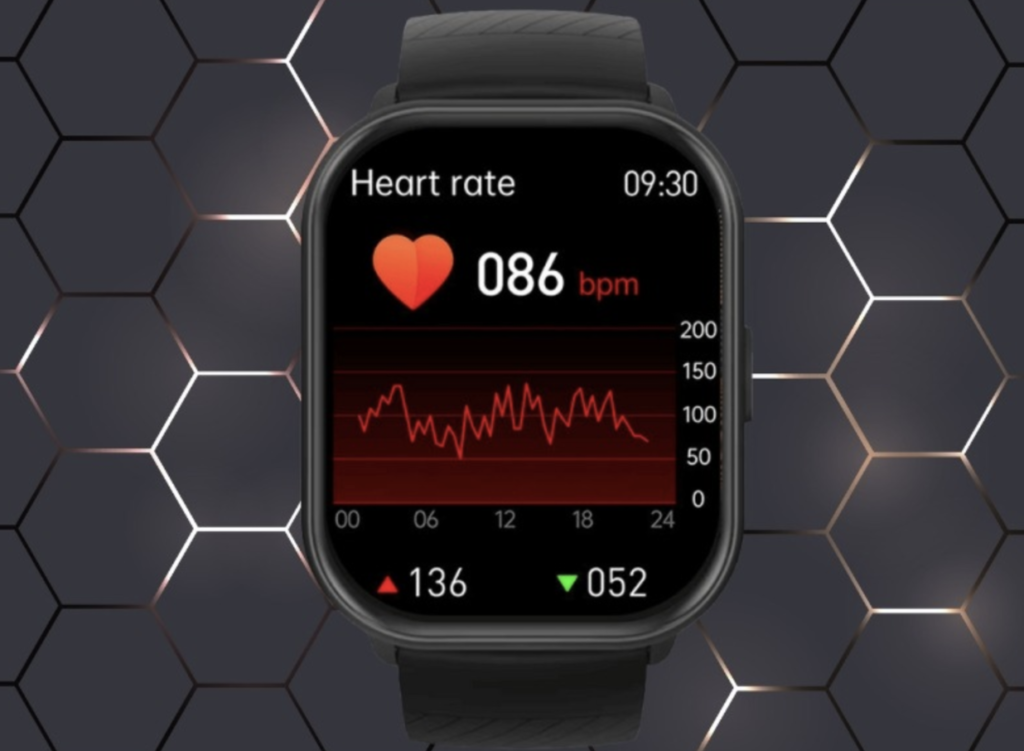
Key Features of Modern Health Monitoring Wearables
Today’s devices go far beyond counting steps. Here’s what makes them game-changers:
- Continuous Heart Rate Tracking Monitors resting, active, and recovery rates, with alerts for irregularities.
- Sleep Analysis Tracks stages (light, deep, REM), quality scores, and even detects issues like sleep apnea.
- Blood Oxygen (SpO2) Monitoring Essential for spotting respiratory concerns or altitude effects.
- Stress & Recovery Insights Uses heart rate variability (HRV) and temperature to gauge daily stress and readiness.
- ECG & Advanced Heart Health Some models offer on-wrist electrocardiograms for detecting atrial fibrillation.
- Activity & Workout Detection Auto-recognizes exercises, tracks GPS routes, and provides post-workout recovery tips.
These features aren’t just numbers on a screen they translate into actionable advice, helping you adjust habits before small issues become big problems.
Discover smart rings and bands built for subtle, all-day health monitoring:

Top Benefits of Using Wearable Tech for Health Monitoring
Investing in a health monitoring wearable brings real, life-changing advantages:
- Early Detection & Prevention Spot irregular heart rhythms, low oxygen levels, or stress spikes early, potentially preventing serious conditions.
- Personalized Wellness Insights AI-powered apps give tailored recommendations for better sleep, exercise, or recovery.
- Motivation & Habit Building Daily goals, challenges, and progress tracking keep you consistent and engaged.
- Chronic Condition Management Ideal for diabetes (glucose trends), hypertension, or heart issues with continuous data.
- Improved Overall Lifestyle Better sleep, reduced stress, and increased activity lead to higher energy and quality of life.
Studies show consistent use encourages more movement and healthier choices turning data into lasting change.
Best Wearable Tech for Health Monitoring in 2026
Below are the best options highlighted by recent reviews and advancements:
- Fitbit Charge 6 — Top all-around pick for cross-platform support, long battery, accurate tracking of heart rate, sleep, and stress.
- Apple Watch Series 11 — Best for iPhone users with advanced heart features like ECG, sleep apnea detection, and hypertension alerts.
- Oura Ring 4 — Discreet smart ring leader for in-depth sleep, readiness scores, and symptom tracking without a bulky watch.
- Garmin Fenix 8 / Venu Series — Premium choice for serious fitness enthusiasts, offering multi-sport tracking, long battery, and robust health metrics.
- Samsung Galaxy Watch 8 — Excellent for Android with AI insights, sleep apnea detection, and heart health notifications.
These devices blend style, comfort, and clinical-grade accuracy making health monitoring feel effortless.
Final Thoughts: Is Wearable Tech Right for You?
If you’re committed to proactive health, wearable health tech is one of the smartest investments you can make in 2026. Start by defining your goals better sleep, heart health, or overall fitness then choose a device that seamlessly fits your lifestyle and digital ecosystem.
Wear it daily, review your data regularly, and watch how small insights lead to big improvements. Your future self (and your doctor) will thank you!

Pigmentation concerns often develop quietly. A spot that once seemed harmless may darken, spread, or simply refuse to fade, and over time it becomes harder to ignore. Many people try topical products first, hoping for gradual improvement, yet results can feel inconsistent or temporary. This is usually the point when professional advice is considered. In an aesthetic clinic, pigment issues are among the most commonly discussed concerns, partly because they can look similar on the surface but behave very differently underneath.
Selecting the right treatment approach is rarely straightforward. Pigmentation is influenced by sun exposure, hormones, inflammation, genetics, and even how the skin heals after minor injury. Because of this, experts tend to move cautiously. Rather than choosing a single treatment immediately, they usually assess patterns, triggers, and skin behavior over time. This layered decision-making process is often what determines whether results feel stable or frustrating.
Initial Assessment and Skin Analysis
The first step usually involves understanding what type of pigmentation is present. During consultations, pigmentation Singapore is often mentioned in the middle of broader discussions about lifestyle, sun habits, and previous skin reactions, not as a standalone issue. This context matters, because pigment does not exist in isolation.
Some pigmentation sits close to the surface, while other forms extend deeper into the skin. Color, border definition, and distribution all offer clues. For example, sharply defined spots may behave differently from diffuse patches that blend into surrounding skin. In practice, visual examination is combined with patient history to build a clearer picture.
Skin type is also assessed early. Lighter and darker skin tones respond differently to various treatments, and this influences how aggressively pigment can be treated without causing secondary issues.
Understanding the Cause Before the Treatment
Identifying the underlying cause of pigmentation helps narrow down suitable options. Sun-induced pigment tends to respond differently than hormonally driven conditions. Pigment left behind after acne or irritation may fade with time, but it can also persist if inflammation continues.
Unfortunately, more than one cause is often involved. For instance, someone may have sun damage layered on top of post-inflammatory pigmentation. In such cases, treatment plans are adjusted to address multiple factors gradually rather than all at once.
Experts often avoid rushing into treatment until triggers are identified. Without this step, even effective treatments may deliver short-lived results.
Choosing Between Surface and Deeper Treatments
Once pigment type and cause are clearer, decisions about treatment depth are made. Surface-focused treatments aim to exfoliate or regulate pigment production in the upper layers of skin. These options may suit mild or superficial discoloration.
Deeper treatments, on the other hand, target pigment that sits lower in the skin. These approaches often stimulate gradual clearance rather than immediate fading. In practice, deeper treatments require more patience and careful spacing.
Experts tend to match treatment depth to pigment depth rather than intensity of appearance. Dark pigment does not always mean deep pigment, and lighter discoloration can sometimes be stubbornly embedded.
Balancing Effectiveness and Skin Safety
Effectiveness alone is rarely the only goal. Skin safety plays an equally important role in treatment selection. Aggressive treatments may fade pigment quickly but increase the risk of irritation or rebound pigmentation, especially in sensitive skin types.
Therefore, conservative settings or combination approaches are often favored. For some people, slower improvement with fewer side effects feels more sustainable. In practice, the safest option is not always the weakest, but the most appropriate for that particular skin.
Experts also consider how the skin has reacted to past treatments. A history of prolonged redness or darkening after procedures often signals the need for extra caution.
The Role of Combination Approaches
Pigmentation rarely responds perfectly to a single method. Combination approaches are often considered, though they are introduced gradually. One treatment may focus on breaking down existing pigment, while another helps regulate future pigment production.
Timing is important here. Layering treatments too closely together can overwhelm the skin. Therefore, experts often space procedures to allow recovery and reassessment. This step-by-step method allows adjustments based on response rather than assumption.
In many cases, supporting treatments such as barrier repair or calming routines are included alongside pigment-specific therapies.
Monitoring Progress and Adjusting the Plan
Treatment selection does not end after the first session. Ongoing monitoring is a key part of expert decision-making. Pigment may lighten unevenly, or some areas may respond faster than others.
This uneven response is not necessarily a setback. It often provides useful information about pigment depth and skin behavior. Based on these observations, treatment intensity or frequency may be adjusted.
Experts usually reassess progress over weeks or months rather than days. Pigment clearance takes time, and premature changes to the plan may disrupt progress.
The Importance of Maintenance and Prevention
Even successful pigment treatment does not eliminate future risk. Sun exposure remains one of the most common triggers for recurrence. Therefore, prevention strategies are often discussed alongside active treatment.
Maintenance may involve periodic treatments, topical support, or lifestyle adjustments. This ongoing aspect can feel discouraging, but it reflects the chronic nature of pigmentation rather than treatment failure.
Experts often emphasize that maintaining results is usually easier than correcting pigment from the beginning.
Emotional and Expectation Considerations
Pigmentation concerns often carry emotional weight. People may feel self-conscious or frustrated after trying multiple solutions without success. These feelings can influence treatment decisions, sometimes pushing toward more aggressive options.
In practice, experts try to align expectations with realistic outcomes. Complete pigment removal is not always possible, but visible softening and improved uniformity are often achievable. Clarifying this early helps prevent disappointment later.
Allowing room for gradual improvement often makes the process feel more manageable.
When to Seek Professional Help
- Pigmentation that darkens or spreads despite consistent home care
- Uneven patches that appear after acne, irritation, or procedures
- Recurrent pigment that returns quickly after fading
- Skin that reacts strongly to mild products or treatments
- Uncertainty about the cause or depth of discoloration
Bringing Strategy and Patience Together
Selecting the right pigment treatment approach is less about finding a single solution and more about building a thoughtful strategy. Each decision builds on the last, informed by how the skin responds rather than how it is expected to respond.
In many cases, slower progress leads to more stable results. While this can feel frustrating at times, it often reduces the risk of setbacks that undo earlier gains. A flexible plan allows adjustments without abandoning the overall goal.
Over time, this careful process often results in skin that looks calmer and more even, even if faint pigment remains.
Commonly Asked Question
Why do similar pigment spots respond differently to treatment?
Pigment may sit at different depths or have different triggers. Even spots that look alike on the surface can behave differently beneath the skin.
Can pigment treatments make discoloration worse?
This can happen if inflammation triggers additional pigment production. Careful selection and aftercare help reduce this risk.
How long does it usually take to see improvement?
In many cases, gradual changes appear over weeks to months. Deeper pigment often takes longer to respond.
Is one treatment approach enough?
Often, no. Combination or staged treatments are commonly used to address different aspects of pigmentation.
Does sun protection really affect results?
Yes, quite significantly. Ongoing sun exposure can counteract treatment progress and lead to recurrence.
Next Steps
If pigmentation continues to concern you despite consistent care, a consultation at an aesthetic clinic can help clarify what type of pigment is present and which treatment approach may be most suitable. Taking time to understand your skin’s behavior and triggers often leads to steadier progress and fewer frustrations over the long term.


Pertadad: Powerful Concept Driving Personal Growth & Success

Hyperfiksaatio Explained: Unlocking the Power of Intense Focus

Sinkom Revealed: Powerful Features & Smart Benefits
Wedding day horror: Groom falls to death at VOCO Orchard Hotel on Wedding Day

EdTech in Singapore: 150+ Companies Driving $180M Digital Learning Revolution

Singapore JC Ranking: A Complete Guide for Students
-
Blog6 months ago
Wedding day horror: Groom falls to death at VOCO Orchard Hotel on Wedding Day
-
Technology5 months ago
EdTech in Singapore: 150+ Companies Driving $180M Digital Learning Revolution
-
Education7 months ago
Singapore JC Ranking: A Complete Guide for Students
-

 Food4 months ago
Yi Dian Dian Bubble Tea Singapore: Menu, Outlets & Try Drinks
-
 Blog8 months ago
Best of SG with Singapore Rediscover Voucher
-
 Business8 months ago
What to Expect During PSLE Marking Days 2023
-
 Digital Marketing4 months ago
How to Run Effective Xiaohongshu Advertising Campaigns
-
 Digital Marketing4 months ago
Why Xiaohongshu Ads Are a Must for Reaching Chinese Consumers