Water is one of the most reliable services in Singapore, and for most households it is also one of the smallest regular bills. Even so, the monthly statement can raise questions. Several charges appear for one service. The unit of measurement is not obvious. The total can jump after a family visit or a school holiday. PUB, the national water agency, manages the supply and the tariff is set by the government, while SP Services sends out the combined utilities bill for most homes.
This guide explains how the bill is built, how tiered rates work, how meters and billing cycles operate, and what simple steps cut consumption without making daily life harder. Tariffs are reviewed by the government from time to time, so confirm the current rates on the PUB website before you budget.
Reading Your Bill: Tariff Components Explained
A household water bill is made up of several parts, and each has its own purpose. The first is the water tariff itself, which pays for the cost of collecting, treating and delivering water. The second is the Water Conservation Tax, a charge added to encourage households to use water carefully. The third is the Waterborne Fee, which helps to cover the cost of collecting and treating used water. A Sanitary Appliance Fee may also appear, based on the number of sanitary fittings in the home. Goods and Services Tax (GST) is added where it applies.
The charges are shown on the bill, together with the consumption in cubic metres. One cubic metre equals 1,000 litres, so a household that uses 20 cubic metres in a month has used 20,000 litres. Seeing the numbers in litres can make the figures easier to picture. A typical bucket holds around 10 litres, so 1,000 litres is about a hundred buckets.
Check the bill every month. Compare the consumption figure with previous months and look for sharp changes. A sudden rise may reflect a visitor, a change in routine, a new appliance or a leak. The bill also shows the meter reading dates, the billing period and the amount due, together with the payment methods. Keep copies, since they help if you need to raise a query.
The bill may also include other utilities such as electricity and gas, because SP Services combines them. Look carefully at each line so that you know which charge belongs to which service.
- Water tariff: Covers the cost of producing and supplying water to your home.
- Water Conservation Tax: Encourages careful use by adding to the price of consumption.
- Waterborne Fee: Contributes to the cost of collecting and treating used water.
- Sanitary Appliance Fee: Based on the number of sanitary fittings in the household.
It helps to keep a simple record. A small table with the month, the consumption in cubic metres and the total payable will show patterns within a year. Many families discover that use rises during school holidays and dips when members travel. Once you know your baseline, an unusual figure stands out immediately, and you can look for the cause before the next bill arrives.
Tiered Pricing and Price Adjustments
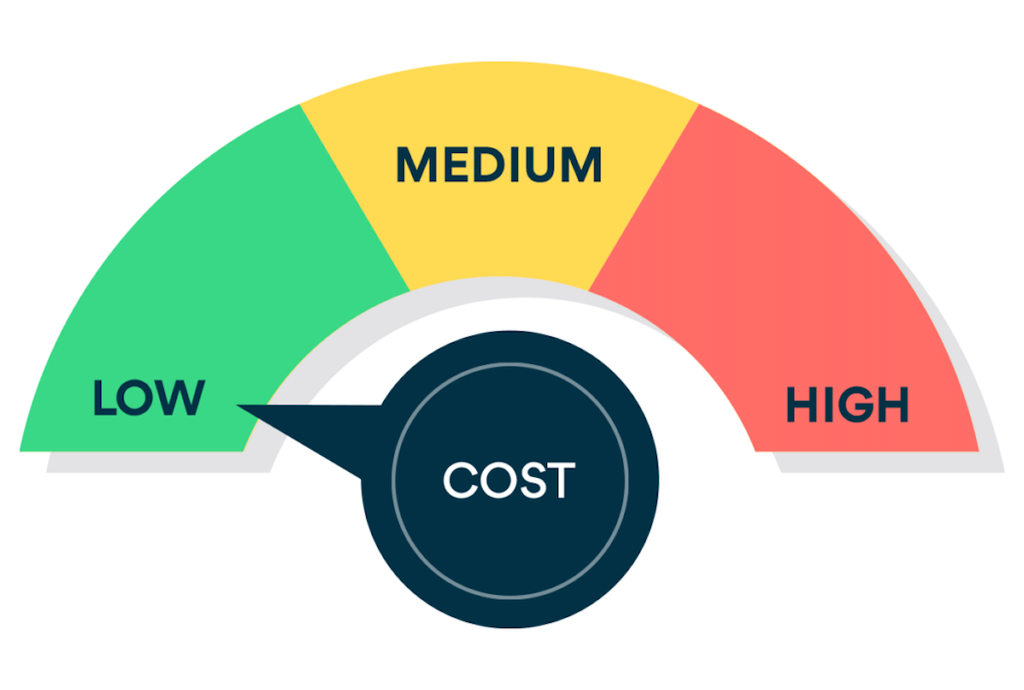
Domestic water use is priced in tiers. A household pays one rate for water up to a set volume each month, and a higher rate for water above that volume. The aim is to protect basic needs at a lower price while discouraging high use. The tier boundaries and rates are set by the government and published by PUB, so check the current table instead of relying on figures from older articles.
For a typical household, most of the bill falls into the first tier. A family that uses more because of a large household, a garden or a pool will cross into the higher tier, and the extra cubic metres cost more. If your usage sits close to the boundary, small savings can have an outsized effect on the bill. It is useful to know your average consumption and to compare it with the tier limit.
Prices have been adjusted over the years, and PUB has announced staged changes in recent periods. The reasons include the high cost of developing new water sources, such as desalination and NEWater, and the need to maintain and renew infrastructure. Singapore’s water supply is built on four sources, often called the Four National Taps: local catchment water, imported water, NEWater and desalinated water. Each source needs investment, and the tariff helps to pay for it.
When a new price takes effect, PUB and the government usually give advance notice. The notice explains the timing, the new rates and any support available. Read it, and update your household budget.
- Lower tier: Covers basic consumption at the lower rate, up to a monthly volume.
- Higher tier: Applies to consumption above the boundary, at a higher rate per cubic metre.
- Staged adjustments: Price changes may be phased in, with notice given before each step.
- Four National Taps: Investment in varied sources supports a secure supply and is reflected in the tariff.
Rebates soften the effect of price changes for many homes. HDB households receive U-Save rebates that offset part of their utilities bills, and the amounts are announced with each Budget. These rebates are usually credited to the utilities account without the need for an application. Look for the credit on your bill, and check the amounts against the official announcement if you are not sure.
Meters, Billing Cycles, and Payment Options
Water use is measured by a meter. In many homes, the meter is read by PUB or its appointed officers, and smart water meters that transmit readings automatically are being rolled out to more households. Smart meters give more frequent readings and help detect leaks early. When a reading cannot be taken, for example because the meter is not accessible, the bill may be based on an estimate and corrected later when a reading is obtained.
Bills are issued monthly in most cases, although the exact cycle can depend on your account and the meter reading schedule. The bill shows the due date. Late payment may lead to reminders and, in time, further action, so set up a system that works for you. Many households use GIRO, a bank arrangement that pays the bill automatically on the due date, which avoids missed payments. Others pay by internet banking, at AXS machines or through the SP app.
If your bill looks wrong, act quickly. Check the meter reading shown on the bill against the number on your meter, and look for any change in your household. If there is a difference, contact SP Services or PUB and ask for a review. You can also ask for the meter to be tested if you suspect a fault. Keep a record of your reading and the date.
Landlords and tenants should settle who pays. Utilities accounts are often held in the owner’s name, with the tenant reimbursing the bill. Take note of the reading when you move in and when you move out, and close or transfer the account properly.
- Smart meters: Provide frequent readings and help detect leaks early.
- Estimated bills: Used when a reading is not possible, then adjusted at the next reading.
- GIRO payment: Automatic deduction on the due date prevents late fees.
- Meter checks: Compare your own reading with the bill, and report differences.
Moving house calls for extra care with the account. Give notice to SP Services before you leave, so that a final reading is taken, and open a new account at your next address in good time. Keep the closing bill, and make sure that the deposit, if any, is refunded or transferred. Tenants should check the lease for any clause on reimbursement of utilities.
Everyday Habits That Lower Consumption
Most household water use takes place in the bathroom, the kitchen and the laundry. Showers, toilets and washing machines account for the biggest shares, so small changes there add up. Shorter showers are the most direct way to save. Turning off the shower while soaping, or taking a quicker rinse, cuts the amount used each day without any cost. A shower timer can help family members to keep to a target.
In the kitchen, wash vegetables in a basin and not under a running tap. Reuse that water for plants, if it contains no detergent. Do not defrost frozen food under running water. Plan it ahead by moving it to the fridge. Use a full load for the dishwasher and the washing machine, since half loads use almost as much water as full ones. If you wash dishes by hand, fill one basin for washing and another for rinsing.
Other tasks matter too. Turn off the tap while brushing teeth or shaving. Use a bucket to wash the car, and avoid using a hose. Water plants with leftover water from rinsing rice or from the air-conditioner drip tray, where safe. Use a broom instead of a hose to clean balconies and corridors.
PUB has set a national goal to bring per capita household water use down over the coming years. Households that adopt these habits help to meet it, and they see the benefit in their bills.
- Shorter showers: Set a time limit, and turn off the water while soaping.
- Full loads: Run laundry and dishwashers only when full.
- Reuse water: Use rinse water for plants and cleaning where suitable.
- Plan ahead: Defrost food in the fridge, not under running water.
- Mind the tap: Turn off the water when brushing teeth or shaving.
Involve children, because habits learned young last. Make a game of beating last month’s consumption figure, or let each child look after a water-saving task such as collecting rinse water for the plants. Schools and community groups run water conservation activities, and PUB provides educational materials. Children who see adults saving water usually copy the behaviour without being told.
Water-Efficient Fittings and Labels
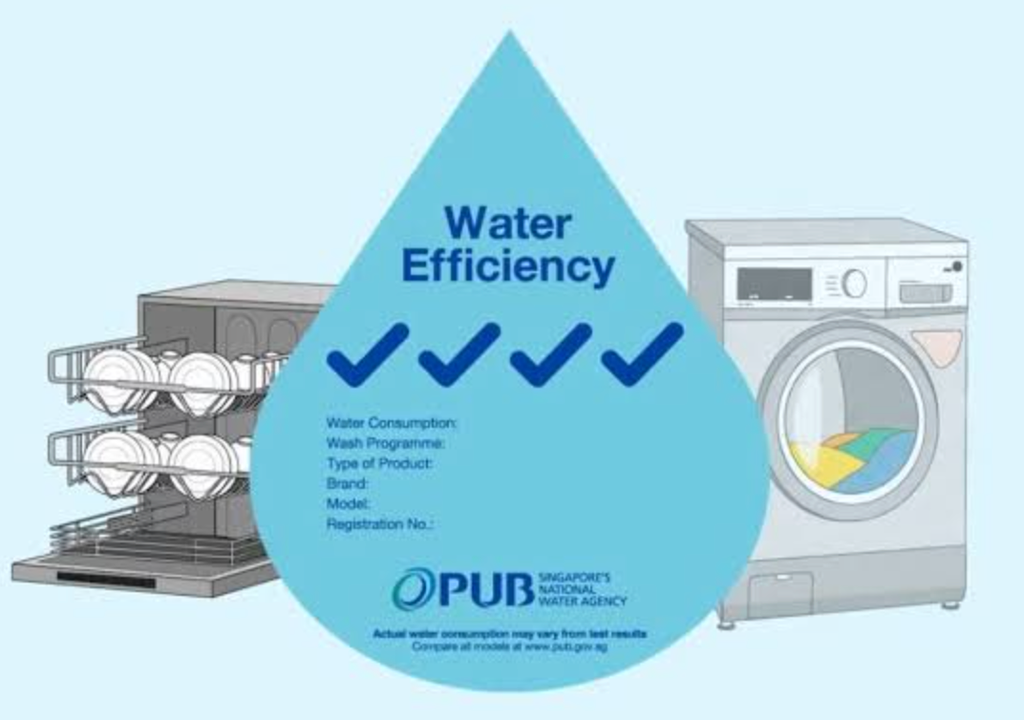
Fittings make a large difference, because they work every time they are used. In Singapore, the Water Efficiency Labelling Scheme (WELS) requires that certain products, such as taps, showerheads, flushing cisterns, urinals and washing machines, carry a label that shows their water efficiency, using a tick rating system. More ticks mean better efficiency. When you buy new fittings or appliances, check the label and choose a higher rating when the price is reasonable.
Simple retrofits help as well. A flow regulator or an aerator on a tap reduces the amount of water used while keeping a comfortable flow. A low-flow showerhead can cut water use during showers. A dual-flush toilet lets you use a smaller flush for liquid waste. A toilet cistern with a leaking valve can waste many litres a day, so repair it quickly. These items are inexpensive, and many can be installed without special skills.
When you renovate or move into a new home, choose fittings with care. Ask contractors to use labelled products and to check pipes for leaks. For landlords, installing efficient fittings can reduce bills for tenants and may make the home more attractive. Keep the product details for future reference.
Remember that savings carry over to other bills. Using less hot water reduces energy use, so lowering your shower time also trims your electricity cost. Efficient washing machines also use less electricity. Evaluate the total saving, and not the water alone.
- WELS ticks: More ticks show better water efficiency for labelled products.
- Aerators and regulators: Cut flow at the tap with little loss of comfort.
- Low-flow showerheads: Reduce use during showers.
- Dual-flush cisterns: Offer a smaller flush option for lighter needs.
Do not forget outdoor and seasonal uses. Households with gardens, balcony plants or pets use extra water, and dry spells can raise the demand. Water plants in the early morning or evening, when less is lost to evaporation, and choose hardy species that need little watering. Collect rainwater in a bucket for plants if you have a suitable balcony or garden.
Leaks, Disputes, and Getting Help
A hidden leak is one of the most common reasons for an unexpectedly high bill. A dripping tap, a running toilet or a faulty pipe can waste large volumes over a month. To check for leaks, turn off all taps and water-using appliances, then read the meter and look again after an hour or two without using water. If the reading changes, there may be a leak. A toilet cistern can be tested with a few drops of food colouring in the tank. If colour appears in the bowl without flushing, the valve is leaking.
If you find a leak inside your home, repair it promptly, using a licensed plumber where required. Leaks in pipes within the unit are generally the occupier’s responsibility, while problems in the public network are handled by PUB. For a rental home, tell the landlord at once and follow the agreement on who pays for repairs.
If you disagree with a bill, start by contacting SP Services. Provide your account number, the billing period and details of your concern. Ask for a meter reading check or a meter test. PUB can look into complaints about water quality or supply. Keep records of calls and emails. If the issue is not resolved, follow the escalation channels given on the official websites.
Support is available for households under strain. If a bill is hard to pay, speak to SP Services about payment arrangements, and consult a social service office about assistance schemes. Do not ignore the bill, because early contact leads to better options.
- Meter test: Turn off all taps, and see if the meter still moves.
- Dye test: Add food colouring to the cistern and check for colour in the bowl.
- Report promptly: Tell the landlord or a plumber as soon as you find a leak.
- Use official channels: Contact SP Services or PUB, and keep records of all contact.
If you live in a condominium or a building with a shared meter, ask the management how the bill is divided. Charges may be shared by unit size or by a sub-meter reading. If the method seems unfair or the figures look odd, ask for a written explanation. Residents’ committees are able to raise the matter with the managing agent, and clear records protect everyone.
Final Thoughts
A water bill is easy to read once the parts are clear. The tariff, the conservation tax, the waterborne fee and the sanitary appliance fee each have a role, and tiered rates reward households that use water with care. Smart meters and regular checks help to catch problems early, and a few habits in the bathroom and kitchen make a lasting difference.
Put these ideas to work this month. Read your latest bill, note the consumption in cubic metres and check for leaks with a quick meter test. Choose a few habits to adopt, such as shorter showers and full laundry loads, and look for WELS labels when you replace fittings or appliances.
Water supply in Singapore depends on careful planning and steady investment, and every household contributes by using water wisely. For current tariffs, rebates and advice, rely on PUB, SP Services and the government’s official channels.
A last tip is to make water a regular topic at home. A quick monthly chat about the bill, the meter reading and one new habit keeps everyone engaged. Small steady changes, such as a faster shower or a repaired tap, tend to last longer than dramatic one-off efforts, and the savings show up on every statement that follows. Treat each bill as feedback on how the household is doing.
Read more about Singapore Trends
Frequently Asked Questions
1. How is a water bill calculated in Singapore?
The bill combines the water tariff, the Water Conservation Tax, the Waterborne Fee and, where applicable, the Sanitary Appliance Fee, along with GST. Consumption is measured in cubic metres, and tiered rates apply. Check the PUB website for current rates.
2. How much water does an average household use?
It varies with the number of people, their habits and the appliances in use. PUB publishes national averages on its website, which can serve as a benchmark. Compare your own figures month by month to spot changes.
3. Why did my bill suddenly go up?
Common reasons include visitors, a change in routine, a new appliance, a leak or an estimated reading corrected at the next visit. Check the meter reading, look for leaks and compare the usage with previous months. If you cannot explain it, contact SP Services.
4. Can I get help paying my water bill?
Government rebates, such as U-Save for eligible HDB households, offset part of utilities costs. For those facing difficulty, social service offices can advise on assistance, and SP Services can discuss payment arrangements. Speak up early.
5. Do water-efficient fittings really save money?
Yes. Efficient taps, showerheads and cisterns reduce water use each time they are used, and the savings add up over months. Choose products with a higher WELS rating, and compare the purchase price with the expected saving.
6. Who do I call about a suspected meter fault?
Contact SP Services, which handles billing, or PUB. Give your account number, and describe the issue. You can ask for a reading check or a meter test. Note down your own reading and the date before you call.