Groceries are a steady and often unavoidable part of household spending in Singapore, and the choice of where to buy has a real effect on the monthly budget. The island offers a wide range of options, from traditional wet markets to large supermarket chains, convenience stores, online grocers and specialist shops. Each has strengths and weaknesses.
Wet markets are known for fresh produce, meat and seafood sold by stallholders, while supermarkets offer a broad range of packaged goods, frozen items and household supplies under one roof. Singapore imports most of its food, so prices follow global markets, exchange rates and shipping costs.
This guide compares the two main formats, explains how to plan a weekly shop, and offers ways to keep costs under control. It avoids fixed prices, which change often, and focuses on methods you can apply at any time.
Wet Markets: Freshness, Variety, and Local Character
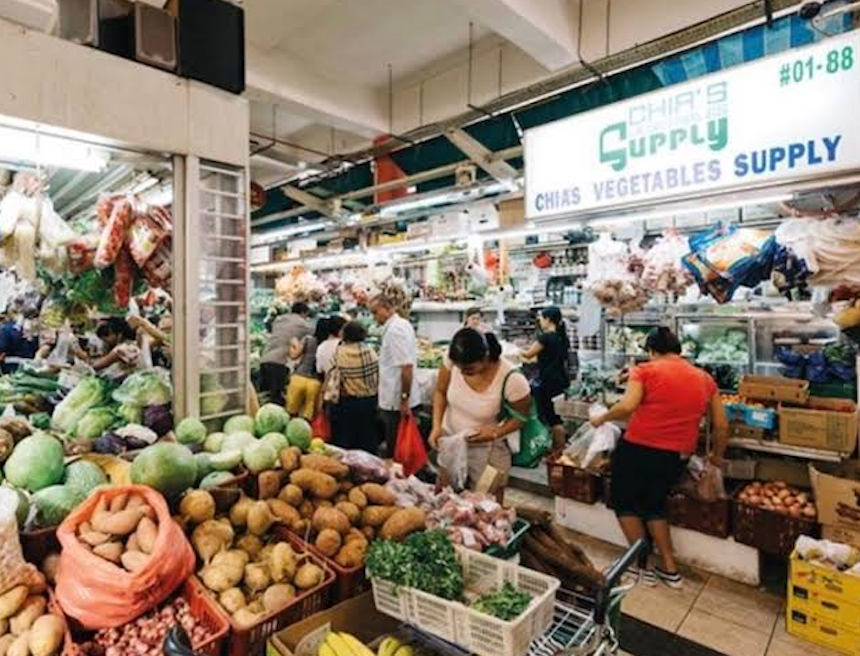
Wet markets are found in housing estates and in older districts, and they are run under the oversight of the National Environment Agency (NEA) and other operators, with the Singapore Food Agency (SFA) setting food safety standards. Stalls sell vegetables, fruit, fresh and frozen meat, poultry, fish and seafood, eggs, tofu, noodles, spices and sometimes flowers. The name comes from the wet floors that result from washing produce and ice. Many markets sit beside a hawker centre, so a shopping trip can combine with breakfast.
The main attraction is freshness and choice. Stallholders often receive stock early in the morning, so the best selection is available at that time. Fishmongers and butchers will clean, cut, mince or fillet items to order, which saves time at home. Many regular customers build relationships with stallholders, who may suggest the best produce of the day, offer cooking tips and set aside favourite items. Markets also stock local and traditional ingredients that are hard to find in supermarkets.
Prices at wet markets vary by stall and by day. Prices for fresh produce can be competitive, especially for leafy vegetables, local herbs and seasonal items, but items such as meat or seafood may be cheaper or more expensive than supermarket equivalents, depending on the cut, the source and the quality. Compare a few stalls before you buy, and ask for prices per kilogram so that you can compare.
Payment methods are changing. Many stalls accept cash, and a growing number accept PayNow, QR payments and cards. Bring cash for smaller purchases, and ask before you shop.
- Fresh produce: Early-morning visits offer the best choice of vegetables, fruit and fish.
- Custom preparation: Stallholders will cut, clean or mince meat and seafood to order.
- Local ingredients: Markets carry traditional items and seasonal produce hard to find elsewhere.
- Payment variety: Carry cash, and check whether a stall accepts PayNow or cards.
A few manners help at the market. Greet the stallholder, ask politely and avoid handling items more than needed. Haggling is not the norm for fresh food, although a friendly request for a small discount on a bulk purchase is sometimes met with a smile. Bring a trolley bag for heavier loads, and wear footwear that copes with wet floors.
Supermarkets: Chains, Formats, and Loyalty Programmes

Supermarkets in Singapore range from neighbourhood stores to large hypermarkets. Major chains include NTUC FairPrice, Sheng Siong, Cold Storage and Giant, along with specialist and international formats such as Japanese discount stores. Each chain has a distinct positioning. Some focus on low prices for staples, others on premium or imported goods, and some on a wide range of fresh produce and ready meals. Visit a few to learn how they differ.
Supermarkets offer convenience. Opening hours are long, items are priced on shelves and the range includes packaged goods, dry staples, frozen food, dairy, beverages, toiletries and cleaning supplies. Air-conditioned stores are comfortable in hot weather, and many are close to MRT stations and bus interchanges. Most stores accept cards and mobile payments, which simplifies budgeting and record-keeping.
Loyalty programmes and promotions help to reduce costs. Chains run membership schemes that give points, discounts or member prices, and store apps list weekly offers. Credit and debit cards sometimes offer cashback at certain supermarkets, subject to terms. Read the conditions, since some require minimum spending or exclude certain items. Do not buy items you do not need merely for the sake of points.
Online grocery shopping is also well established. Supermarket websites and apps let you order for delivery or collection, and they allow you to compare prices without leaving home. Delivery fees and minimum order values apply, so compare the total cost. Many households combine online ordering for heavy or bulk items with in-person visits for fresh produce.
A small shelf-label habit pays off. Many stores display price per unit, such as per 100 grams, which allows you to compare package sizes and brands. Larger packs are not always cheaper per unit, so check the label.
- Chain differences: Compare chains for staples, fresh food and imported goods before settling on a favourite.
- Membership offers: Points and member prices reward regular shoppers who use them with care.
- Online ordering: Useful for heavy items, but check delivery fees and minimum order values.
- Unit prices: Compare per-unit labels to find the best value between pack sizes.
Think about location, too. A supermarket within walking distance saves transport costs and allows smaller, more frequent trips that reduce waste, while a larger store further away may offer lower prices on bulk items. Count the cost of travel and time when you compare, and choose the combination that suits your household’s routine, not just the lowest shelf price.
Price Patterns for Common Staples
Grocery costs follow patterns that are useful to know. Staples such as rice, cooking oil, eggs, noodles, canned foods and condiments are sold in both markets and supermarkets, and prices are fairly consistent across large chains, with differences coming from brands, pack sizes and promotions. House brands often cost less than well-known names for similar quality, and they are worth trying for basic items.
Fresh produce shows more variation. Vegetables and fruit vary with the season, the weather in the producing country and the cost of shipping. Local produce, such as leafy vegetables grown on farms in Singapore, may be fresh and reasonably priced, but supply is limited. Imported items from nearby countries often form the bulk of the shelf. When a favourite item becomes expensive, switch to a similar, cheaper alternative. For instance, change the type of leafy vegetable or the fruit according to the offers of the week.
Meat, poultry and seafood vary by type and cut. Chilled, frozen and live products are priced differently, and frozen items are often cheaper and last longer. Check the label for the origin and the date, and use frozen meat and fish to stretch the budget. Whole chickens, bone-in cuts and cheaper species of fish tend to cost less per kilogram than prime cuts.
Prices also react to events. Festive periods, such as Chinese New Year, Hari Raya and Deepavali, raise demand for certain goods, and prices can climb. Buy dry goods early if you plan to cook for a big gathering, and avoid the last-minute rush.
- Staples: Rice, oil, eggs and noodles show steady prices, with the main differences in brand and pack size.
- House brands: Store brands can lower the cost of basic items at similar quality.
- Fresh produce: Prices move with season and supply, so be flexible about what you buy.
- Frozen options: Frozen meat and fish often cost less and keep longer.
Food safety deserves a place in your shopping routine. Check that chilled and frozen items feel cold, that packaging is intact and that dates are valid. At the wet market, look for fish with clear eyes and a fresh smell, and meat that is firm and free of odd odours. Take chilled items home promptly, and keep raw meat apart from ready-to-eat food in your bag and fridge.
Building a Weekly Budget for Your Household
Start with what your household eats, not with what the shops sell. List the meals you plan to cook in a typical week, and note which ingredients you already have. Household size, ages, dietary needs and how often you eat out all change the amount. A family of four with two school-going children will need a different budget from a couple who dine out several times a week. Track your spending for a month to establish a baseline.
Split the budget into categories. A simple structure covers fresh produce and proteins, dry staples and pantry items, dairy and drinks, household supplies, and a small buffer for treats and unplanned items. Review the categories each month, and move money between them if your needs change. Use receipts or an app to record purchases. Over time, you will see where costs creep up.
Decide how to divide the shop between formats. A common pattern is to visit the wet market once or twice a week for fresh items, and the supermarket every week or two for dry goods, frozen food and supplies. Online orders can cover bulky items. This mix gives the best of each, and it spreads the cost over the month.
Allow for family and cultural needs. Festive meals, special diets and guests can raise the budget for a short period. Set aside a small amount each month for these occasions, so that they do not disturb the weekly plan.
- Meal plan first: Write down the week’s meals before you shop, and check what is already at home.
- Track a month: Record receipts to learn your real baseline spending.
- Use categories: Separate fresh food, dry goods, household supplies and a buffer.
- Mix formats: Combine wet market, supermarket and online shopping according to the item.
- Plan for occasions: Set aside a monthly sum for festive meals and guests.
Share the work if you live in a multi-generation home. Older members may know the best stalls and cooking methods, while younger ones can handle apps and online orders. Agree who shops, who cooks and how costs are shared, and keep a shared list on a phone. Clear roles reduce duplicate purchases, which are a quiet source of waste and overspending.
Smart Shopping: Timing, Planning, and Reducing Waste
Timing makes a difference. Wet markets are at their best early, but some stallholders reduce prices on perishable items later in the morning, so a late visit can bring bargains if you are flexible about selection. Supermarkets often mark down fresh items that are close to their sell-by date, usually in the evening. These items are safe to eat if used promptly, so plan to cook or freeze them on the same day. Weekday visits avoid crowds.
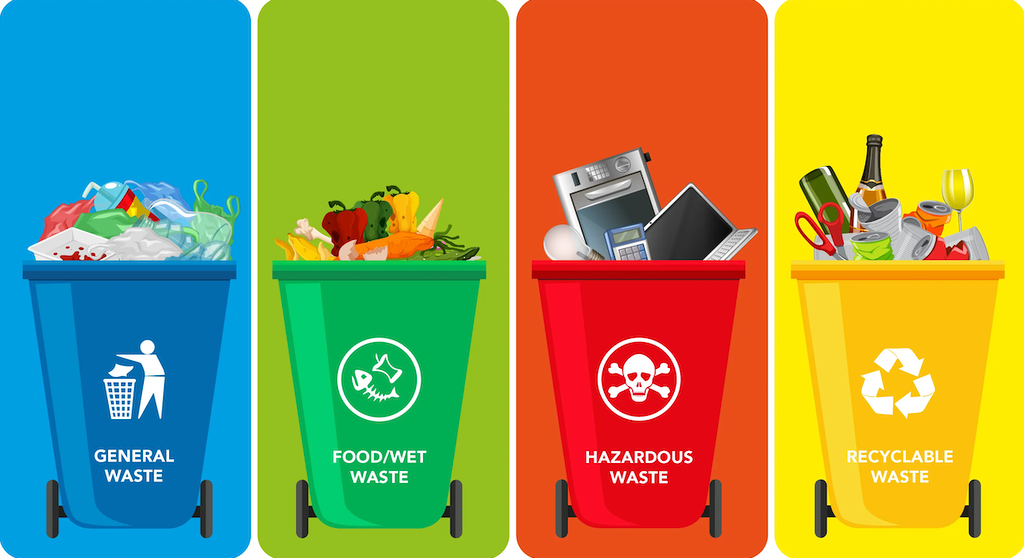
Planning reduces waste. Food waste is a cost, and it is also a national concern. Buy only what you can use in a few days, store produce properly and use the oldest items first. Leafy vegetables last longer when wrapped in paper and kept in the fridge, and bananas and tomatoes should be kept apart from other fruit. Freeze bread, cooked rice and portions of meat and fish. Use leftovers in soups, fried rice or sandwiches.
Look at the way you shop. Make a list and stick to it, since impulse purchases at the checkout and the end of the aisle push up the total. Eat before you go, because hungry shoppers buy more. Bring reusable bags, as large supermarkets charge for disposable carrier bags under the national policy. Compare prices on a few key items, and note which shops are best for each.
Cooking at home is usually cheaper than eating out, but it takes time. Batch cooking on weekends, simple recipes and shared meal preparation can make it manageable. Teach children to help, and use the opportunity to talk about food and value.
- Time your visit: Late-morning markets and evening supermarkets may offer markdowns on perishables.
- Store well: Use the fridge, the freezer and airtight containers to extend freshness.
- Shop with a list: Stick to the list to avoid impulse purchases.
- Bring bags: Carry reusable bags to avoid carrier bag charges.
Be wary of bulk buying. A large pack is only good value if you will use it before it spoils, and the pantry has space to store it. Share bulk purchases with relatives or neighbours when it makes sense. Check the expiry date on dry goods and oils, and rotate older stock to the front of the cupboard.
Vouchers, Rebates, and Schemes That Stretch Your Budget
Government support can ease grocery costs. Community Development Council (CDC) Vouchers have been distributed to Singapore households in recent years, and they can be used at participating heartland merchants, hawkers and supermarkets. The amounts and timing are announced with the Budget, so check the official announcement for the current round. Using vouchers to pay for staples is a simple way to stretch cash.
The GST Voucher scheme provides support for eligible households through cash, Medisave top-ups and utilities rebates, and it is designed to help with the cost of living. Lower-income households may also get assistance from social service offices, including ComCare support for essentials in times of difficulty. Food banks and community pantries run by charities offer help for those in need, and discreet referrals are available.
Seniors and members of certain groups may enjoy discounts at some supermarkets on selected days. Pioneer and Merdeka Generation members and other seniors should ask the chain about current programmes. Retail apps and credit cards may offer rewards too, but treat them as extras and not as reasons to spend more.
Always rely on official sources for details. The government websites and the supermarket chains publish the rules for vouchers and discounts. Beware of scam messages that claim to offer voucher claims through links. Official voucher claims are made through the official portals, and no agency will ask for your bank passwords.
- CDC Vouchers: Can be used at participating supermarkets, hawkers and heartland shops when issued.
- GST Voucher: Provides cash and other support to eligible households.
- ComCare and social service offices: Offer help with essentials for households in difficulty.
- Senior discounts: Some chains offer discounts on selected days, so ask at the store.
Keep a record of the savings you make, for example by noting the markdown on a receipt or the voucher value used. Seeing the total at the end of the month is encouraging, and it shows which habits are worth keeping. Share tips with friends and family, since local knowledge about the best stalls and deals is often passed on by word of mouth.
Final Thoughts
Wet markets and supermarkets each offer something useful. Wet markets provide freshness, variety and personal service, while supermarkets offer convenience, long hours and wide selection. The lowest grocery bill usually comes from using both with a plan, rather than relying on one format for everything.
To control costs, track your spending for a month, plan meals around what you already have, compare unit prices and shop with a list. Take advantage of markdowns, store food well and use vouchers and rebates when they are available. These habits protect your budget without sacrificing nutrition or enjoyment.
Prices, schemes and store policies change often, so check official sources and the chains’ own pages for current details. Stay flexible with your choices, and review your budget every few months. A little attention to the weekly shop pays off all year.
Involve the whole household in the effort, and treat the weekly shop as a shared project, not a chore for one person. When everyone knows the budget, the plan and the goal, decisions are easier and savings are more likely to last.
Frequently Asked Questions
1. Are wet markets cheaper than supermarkets?
Not always. Wet markets can offer competitive prices on fresh produce, especially local and seasonal items, but supermarkets may be cheaper on packaged goods and promotions. Compare prices per kilogram across a few stalls and stores, and use both formats according to the item.
2. How much should a family budget for weekly groceries?
It depends on household size, ages, diet and how often you eat out. Track your spending for a month to find your baseline, then set a weekly figure with a small buffer. Adjust as prices and needs change.
3. Can I use CDC Vouchers at wet markets?
Vouchers can be used at participating merchants and hawkers, and this includes some stalls at markets. Check the official list of participating merchants, and ask the stallholder before you shop. Vouchers have expiry dates, so use them in time.
4. Is online grocery shopping cheaper?
It can be, since it makes comparison easy and often offers online-only promotions, but delivery fees and minimum order values apply. Compare the total cost, including fees, with the cost of an in-store trip, and consider combining online orders for bulk items with in-person fresh shopping.
5. How can I reduce food waste at home?
Plan meals, write a list, buy small amounts of fresh items and store them properly. Freeze leftovers and surplus bread, and use older items first. Check the fridge before each shop, and cook creative meals with what you have.
6. Are carrier bags free at supermarkets?
Large supermarkets charge a small fee for disposable carrier bags under a national policy. Bring reusable bags to avoid the charge. Small shops and wet market stalls may still give out bags, but reusing your own helps the environment.