Designing a stylish, comfortable home in Singapore can feel tricky when you’re working with a compact HDB or condo. The good news is that with smart planning and a few DIY home decor ideas for Singapore homes, small spaces can still offer big style, comfort, and personality. You don’t need a huge budget or a massive floor plan just a thoughtful approach and some creativity.
In this guide, you’ll find practical, hands‑on ideas you can implement step by step. We’ll cover planning, storage, living room and bedroom styling, and even often ignored areas like service yards and bomb shelter doors. Along the way, we’ll keep things realistic for local homes, regulations, and shopping options so you can actually pull these projects off.
Understanding the Singapore Home: HDBs, Condos, and Limited Space
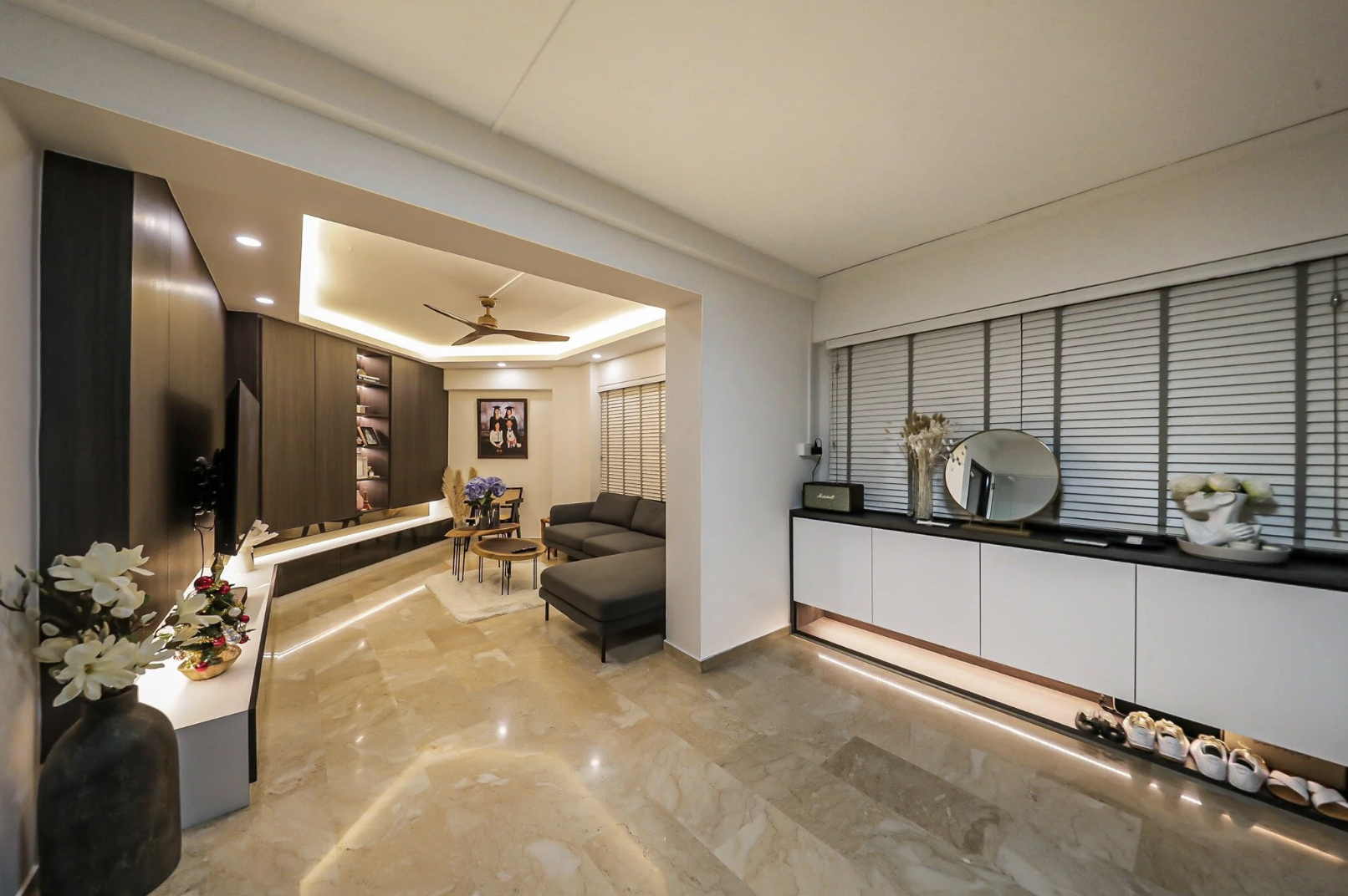
Before diving into DIY home decor ideas for Singapore homes, it’s useful to understand the unique constraints we’re working with. Most Singapore households live in HDB flats or private condos. These homes are generally well‑planned, but they’re also compact and come with rules.
Typical Layout Challenges
- Limited square footage
A 3‑room or 4‑room HDB can feel tight once you add furniture. Condos may have high ceilings but narrow living areas and small bedrooms. - Structural walls and columns
You can’t simply hack any wall you like. Load‑bearing walls, beams, and columns must stay. That means DIY solutions need to work around the existing structure, not against it. - Standardised fittings
HDB main doors, bomb shelter doors, and windows follow certain specifications. This is useful you can plan DIY decor that fits standard sizes, like magnetic covers for bomb shelter doors or ready‑made blinds. - Shared services
Service yards, risers, and air‑con ledges are practical but often unattractive. Instead of hiding them, it’s better to integrate them into your decor thoughtfully.
Opportunities Hidden in Constraints
- Vertical height
Even in a small flat, you’ve got walls. With careful shelving, hooks, and rail systems, vertical surfaces become storage and display space. - Natural light
Many Singapore units enjoy good daylight, especially in living rooms and bedrooms. DIY decor that bounces or filters light like mirrors, sheer curtains, and light‑coloured furniture can double the perceived space. - Uniform bones
Because many flats share similar layouts, you can learn from what others have done. Local forums, Instagram accounts, and portals like Qanvast offer ideas proven to work in HDBs and condos.
When you see your home as a set of workable constraints rather than a list of problems, it’s much easier to create big style in a small space.
Planning Your DIY Home Decor Project the Smart Way
Before grabbing a drill or paint roller, spend time planning. This step isn’t glamorous, but it’ll save money, stress, and rework.
Reading Your Floor Plan and Measuring Like a Pro
- Start with the floor plan
- Identify walls you’re not allowed to hack or drill deeply (e.g., bomb shelter walls, structural walls).
- Note windows, doors, switches, and sockets they affect where you can place furniture and feature walls.
- Measure the key dimensions
- Wall lengths and heights
- Window heights and widths
- Space between furniture and openings (door swing, wardrobe doors)
- Use a simple table like this to stay organised:
| Area | Key Measurement | Notes |
| Living room | TV wall: 3.0 m wide | Fits 55–65″ TV + shelves |
| Bedroom 1 | Bed wall: 2.6 m | Enough for queen + side tbl |
| Kitchen | Counter: 2.4 m long | Space for 3 rails above |
Map circulation paths
Make sure there’s at least 80–90 cm for walkways. No decor upgrade is worth a home you can’t walk through comfortably.
Setting a Realistic Budget and Timeline
- Budget by room, not by item
Decide, for example, “$800 for living room DIY upgrades” and work backwards. This helps you prioritise high‑impact pieces like lighting and rugs over small accessories. - Phase your projects
- Phase 1: Paint, lighting, basic furniture
- Phase 2: Storage systems and feature walls
- Phase 3: Styling (art, cushions, plants, decor)
- Spreading projects over a few months keeps fatigue and overspending in check.
- Account for hidden costs
- Delivery fees (especially from overseas platforms)
- Tools you may need to buy or borrow
- Mistakes always budget a 10–15% buffer
Good planning is the backbone of the best DIY home decor ideas for Singapore homes, it keeps style, function, and money aligned.
Space‑Saving Living Room DIYs for Big Style in Small Flats
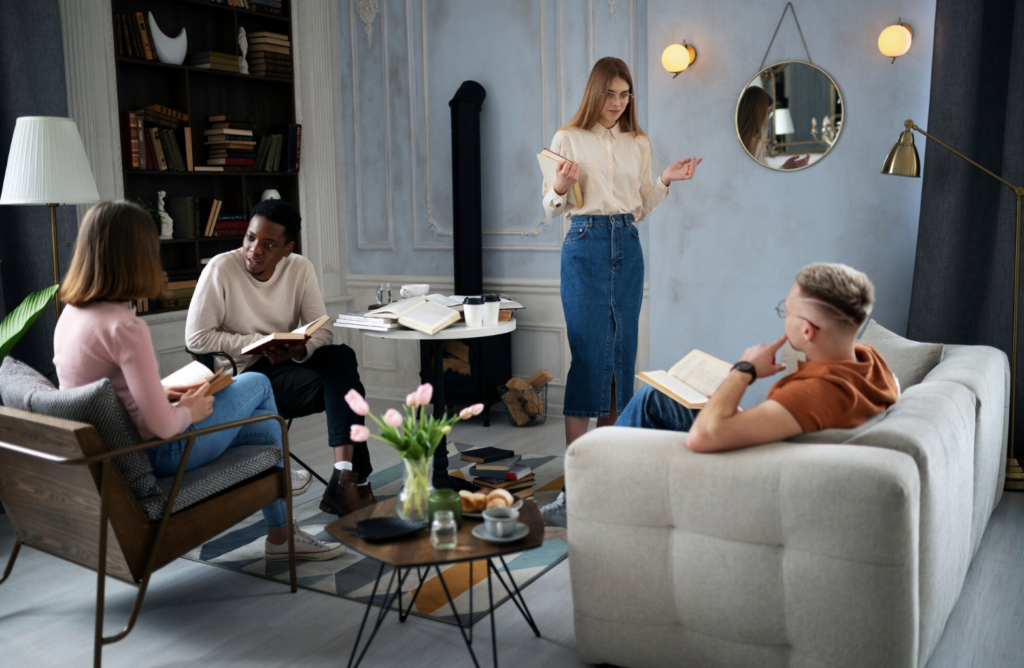
The living room is where guests gather and families relax, so every centimetre counts.
Multi‑Purpose Furniture and Layout Tricks
- Choose slim, raised furniture
Sofas and TV consoles with slim arms and legs show more floor and make the room feel airier. - Use nesting tables instead of a bulky coffee table
Slide them out when you need extra surface space, and nest them back together when you’re done. - Consider a wall‑mounted fold‑down desk
Perfect for WFH without a dedicated study.
Wall Treatments: Paint, Decals, and Feature Walls
- Accent walls
- Paint just one wall in a calm, muted colour (sage, taupe, dusty blue) to add depth.
- In small homes, avoid very dark colours on multiple walls they shrink the space visually.
- Painter’s tape patterns
Create geometric designs with painter’s tape, then paint over. Peel the tape to reveal clean lines. - Wall decals and removable wallpaper
- Ideal for rental units where you can’t make permanent changes.
- Go for subtle textures or patterns that won’t overwhelm a small room.
TV Walls, Media Consoles, and Cable Management
A clean TV wall is one of the fastest ways to create a “designer” feel.
- Floating TV consoles
Mount your console to create floor space underneath for slim baskets or a robot vacuum. - Integrated shelves
Build a simple plywood frame with open cubbies around the TV for books, photos, and decor pieces. - Cable concealment
- Use cable raceways painted the wall colour.
- Gather cables in fabric sleeves or cable boxes behind the console.
Lighting Layers for Lounge‑Worthy Evenings
- Ceiling lights for general brightness
- Floor or table lamps pointing at walls or ceilings for soft, ambient light
- LED strips under consoles or shelves to add a modern touch with little cost
With the right layout and lighting, the living room becomes a showcase of DIY home decor ideas for Singapore homes, proving that small spaces can be stylish and practical.
Functional and Beautiful DIY Ideas for Singapore Bedrooms
Bedrooms in HDBs and condos are often compact, especially common bedrooms. The goal here is to maximise comfort, storage, and a calming vibe.
DIY Bed Frames, Headboards, and Under‑Bed Storage
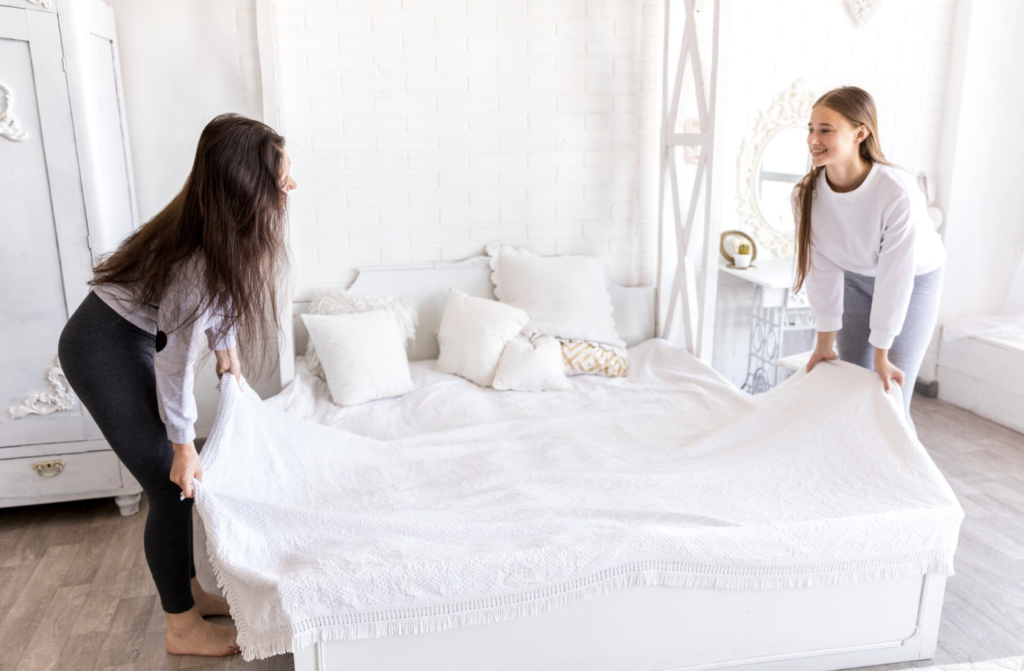
- Platform bed with storage
If you’re handy, build a simple raised platform using plywood and timber supports, leaving compartments underneath for boxes or luggage. - Headboard upgrades
- Padded fabric headboard using plywood, foam, and stapled fabric.
- Rattan or wooden panels mounted on the wall for a natural, airy look.
- Under‑bed storage
- Use rolling crates or low plastic boxes for linens and off‑season items.
- Label everything clearly for easy access.
Wardrobe Optimisation for HDB and Condo Bedrooms
Many built‑in wardrobes waste vertical space.
- Add extra rods to double your hanging space for shorter items.
- Use slim velvet hangers to reduce bulk.
- Install clip‑on shelves or stackable drawers at the bottom for folded items.
- Hang hooks or pegboards on wardrobe doors for accessories and small bags.
Lighting and Soft Furnishings for Cosy Bedrooms
- Blackout or dim‑out curtains
Ideal for bedrooms facing bright street lights. Combine with sheer curtains for daytime. - Bedside sconces or clamp lamps
These free up bedside table space and add hotel‑style comfort. - Textiles
- Layer rugs, even in small rooms a runner beside the bed adds warmth.
- Choose breathable materials like cotton or linen to suit Singapore’s humidity.
With these DIY home decor ideas for Singapore bedrooms, you can transform even a compact room into a calm, restful retreat.
Compact Kitchen and Dining DIY Decor Hacks
Kitchens in many Singapore homes are long and narrow, while dining areas are often just a corner of the living room.
Small‑Footprint Dining Areas and Foldable Furniture
- Drop‑leaf or extendable tables
Keep the table small for daily use; extend when guests come. - Bench seating
Benches tuck fully under the table, saving space compared to bulky chairs. - Wall‑mounted, fold‑down tables
Great for BTOs or studio units; fold them up when the floor is needed for other activities.
Open Shelving and Vertical Kitchen Storage
- Install open shelves above existing counters for spices, jars, and decor.
- Use magnetic strips for knives to free up drawer space.
- Add rail systems with hooks for utensils, mugs, or small potted herbs.
Smart Pantry and Fridge Organisation
- Transfer dry goods into clear, stackable containers and label them.
- Use turntables (lazy Susans) in deep cabinets to avoid “lost” items at the back.
- Assign every shelf a category—snacks, breakfast, baking, condiments—so the whole family knows where things belong.
These practical kitchen DIY home decor ideas for Singapore homes help keep cooking areas tidy and attractive, even when space is tight.
Stylish Storage Solutions for Clutter‑Free Homes
Storage is the secret hero of small‑space living. With the right DIY solutions, you can hide clutter and display the things you love.
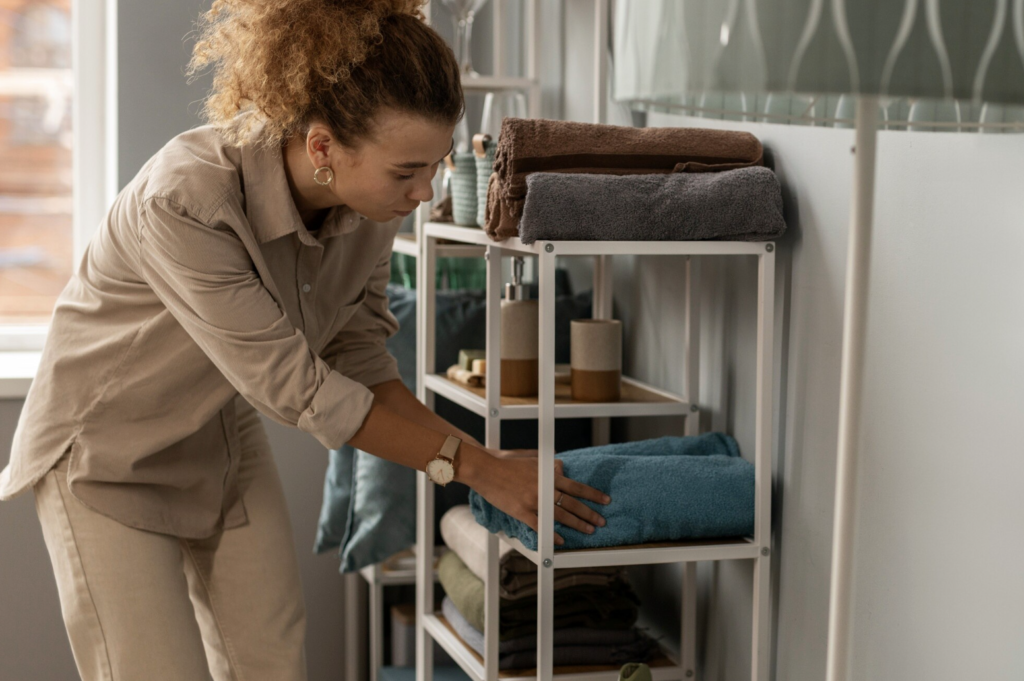
Hidden Storage and Floating Systems
- Floating shelves in living rooms, bedrooms, and even bathrooms
Mount at eye level or higher to keep floors clear. - Ottomans and benches with hidden storage
Perfect for storing toys, spare cushions, or shoes. - Risers inside cabinets
Simple wire racks double your shelf space for plates, bowls, and canned food.
Entryway, Corridor, and Bomb Shelter Door Styling
- Slim shoe cabinets with mirror fronts to visually enlarge narrow entryways.
- Wall hooks or a peg rail for bags, umbrellas, and keys right by the door.
- Bomb shelter door
- Cover with a custom‑sized magnetic board or removable vinyl decal (check that ventilation gaps stay unobstructed).
- Use it as a chalkboard or photo wall.
With thoughtful planning, storage solutions become part of the decor, not an afterthought.
Balcony, Service Yard, and “Extra Corners”: Outdoor‑Inspired DIY Ideas
Many Singapore homes have small balconies or service yards that become dumping grounds. With some effort, these areas can become mini sanctuaries.
DIY Plant Corners, Mini Balconies, and Service Yard Upgrades
- Vertical plant walls
Use grid panels or wooden trellises with hooks for hanging pots. Choose hardy plants like money plants, snake plants, and ferns. - Compact balcony seating
- Foldable chairs and a small table that can be tucked away.
- Floor cushions or outdoor‑friendly bean bags for a relaxed vibe.
- Service yard makeovers
- Install hanging racks or ceiling‑mounted laundry systems to free floor space.
- Add stackable storage for detergents and cleaning tools in labelled bins.
- Use waterproof mats and a small rug to visually zone the area.
Even a forgotten corner beside the window can become a cosy reading nook with a slim chair, wall lamp, and small shelf.
Budgeting, Sourcing Materials, and Shopping Smart in Singapore
DIY doesn’t mean you must do everything from scratch. In Singapore, you can mix off‑the‑shelf pieces with custom touches.
Where to Buy Affordable DIY Decor Materials in Singapore
- Brick‑and‑mortar stores
- Big box: IKEA, BHG, Tokyu Hands
- Hardware: Horme Hardware, Selffix, local neighbourhood hardware shops
- Fabric and craft: Spotlight, People’s Park Centre (for textiles)
- Online platforms
- Shopee, Lazada, Taobao (use reviews and buyer photos to gauge quality)
- Carousell for pre‑loved furniture you can upcycle
Stretching Your Decor Dollar
- Focus spending on:
- Good mattresses and sofas
- Durable storage systems
- Reliable lighting and fans
- Save on:
- Decor accessories (cushions, vases, art prints)
- Simple shelves and organisers
- Items you can DIY or upcycle
A smart shopping strategy lets you execute many DIY home decor ideas for Singapore homes without blowing your budget.
Safety, Regulations, and What NOT to DIY in Singapore Homes
Not every project should be DIY, especially in high‑rise buildings.
When to Call a Professional Contractor or Designer

- Electrical work
New wiring, shifting power points, or working near water should be done by a licensed electrician. - Gas lines and major plumbing
Never DIY gas work. Call the relevant utility provider or licensed contractor. - Structural work
Hacking walls, altering beams, or modifying bomb shelters require HDB or condo MCST approval and licensed contractors.
General Safety Tips
- Use proper tools and safety gear (gloves, safety glasses, sturdy ladder).
- Turn off power at the mains when working near electrical fittings.
- Follow load limits for shelves and brackets, especially on hollow walls.
- Anchor tall pieces, such as bookshelves, firmly to the wall so they don’t tip over.
Respecting guidelines keeps you and your neighbours safe while you experiment with DIY home decor ideas for Singapore homes.
Eco‑Friendly and Sustainable DIY Decor Choices
Styling your home doesn’t have to come at the environment’s expense.
Low‑Waste Projects and Upcycling Ideas
- Upcycle existing furniture
- Sand and repaint an old TV console.
- Change handles and knobs for an instant refresh.
- Choose natural, durable materials
- Solid wood, rattan, bamboo, and cotton tend to age better than disposable plastics.
- Incorporate plants
- They improve air quality, add life to your space, and can be propagated to reduce buying more.
- Buy better, buy less
Instead of frequent decor hauls, invest in timeless, flexible pieces you can move between rooms.
Eco‑conscious choices add another layer of meaning to your DIY home decor ideas for Singapore homes, making them kinder to both your wallet and the planet.

Frequently Asked Questions (FAQs)
1. How do I start DIY home decor ideas for Singapore homes if I’ve never done any DIY before?
Begin with low‑risk, reversible projects like rearranging furniture, adding soft furnishings (rugs, curtains, cushions), and using removable wall hooks or decals. Once you’re comfortable, move on to simple shelving or small painting projects. Build confidence step by step.
2. Are DIY projects allowed in HDB flats?
Yes, but with limits. Minor works like painting, adding shelves, or installing curtains are usually fine. Structural work, hacking walls, modifying bomb shelters, and major electrical or plumbing changes require permits and licensed contractors. Always check HDB’s renovation guidelines and your estate’s rules.
3. What’s the most effective first upgrade for small living rooms?
Lighting and layout. Rearrange furniture to open up walking paths, then layer lighting with ceiling lights, floor or table lamps, and maybe LED strips. These changes are relatively cheap but dramatically affect how spacious and cosy your living room feels.
4. How can I make my small bedroom look bigger?
Use light, neutral wall colours, keep furniture slim and raised on legs, avoid clutter and hang curtains closer to the ceiling to create the illusion of height. Adding a large mirror opposite a window also bounces light and visually enlarges the space.
5. Where can I find local inspiration for DIY home decor ideas for Singapore homes?
Look at Singapore focused platforms and social media accounts showcasing HDB and condo homes. Sites like Qanvast, local interior design blogs, and Instagram hashtags such as #sginterior or #hdbrenovation offer real‑life examples you can adapt to your own space.
6. How do I keep DIY costs low without compromising quality?
Plan a clear budget, prioritise high‑impact areas, and mix affordable base pieces with a few quality investments. Upcycle existing furniture, shop pre‑loved where possible, and tackle projects in phases. Paying slightly more for durable items often saves you money over time.
Conclusion: Turning Small Singapore Spaces into Big‑Style Homes
With thoughtful planning and the right DIY home décor ideas for Singapore homes, small spaces truly can offer big style. Understanding your floor plan, working within local rules, and choosing multi‑functional, space‑saving solutions let you create a home that’s both beautiful and practical.
Start with one room maybe your living room or bedroom and focus on layout, lighting, and storage. Layer in colour, texture, and personal touches bit by bit. Over time, even a modest HDB or condo can feel like a curated, comfortable sanctuary that reflects your personality and supports your daily routines.
You don’t need a designer budget or a huge house. You just need a clear plan, a willingness to try, and a vision of the kind of home you want to live in. From there, every small DIY step brings you closer to big style in your Singapore home.
Read More on Sgtrends