
Technology
The Rise of Edge Computing: Accelerating Data Processing for a Smarter Future


In our fast paced digital world, the amount of data generated every second is mind boggling. From smartphones and smart home devices to industrial machinery and driverless cars, everything is interconnected and constantly producing information. To manage this flood of data efficiently, a revolutionary approach called edge computing is emerging, promising quicker processing and more responsive digital systems.
What Exactly Is Edge Computing?
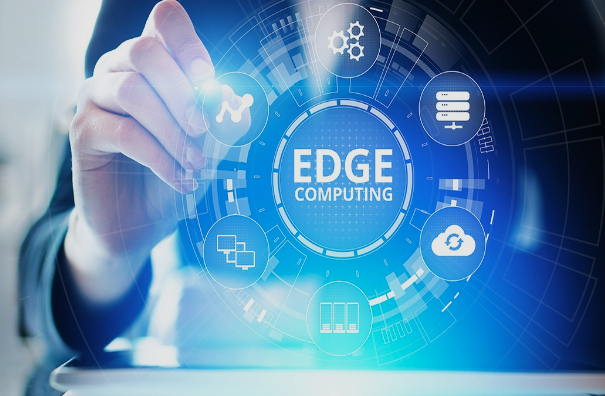
Think of edge computing as a way to process data right where it’s created, rather than sending it to a distant data center or cloud server. For instance, picture a high tech factory outfitted with sensors monitoring equipment. Instead of transmitting all that sensor data to a remote cloud for analysis, edge computing enables the factory’s systems to analyze and make decisions locally right on the factory floor. This proximity minimizes delays and boosts overall efficiency.
Why Is Edge Computing a Game Changer?

Traditional data processing relies on sending information over the internet to centralized servers, which can introduce delays sometimes significant ones. These delays can be critical in real time scenarios. For example, autonomous cars need to react instantly to obstacles or hazards; even a few milliseconds lag could be dangerous. Waiting for data to travel to the cloud and back isn’t feasible in these cases.
Edge computing tackles this problem by bringing processing power closer to the source of data. This results in faster response times, lower bandwidth consumption, and more dependable systems. It’s especially useful in situations where internet connectivity isn’t always stable or reliable.
Benefits of Faster Data Handling
Instant Decision Making
Whether it’s a drone dodging obstacles or a medical device alerting a doctor about a patient’s condition, rapid data processing can be life saving and prevent accidents.
Lower Data Transmission Costs
Sending large amounts of raw data to the cloud can be expensive. Processing data locally means only the most important information or summaries are sent over the network, saving money.
Enhanced Privacy and Security
Sensitive data like personal health information or confidential business details can be processed on site, reducing risks of cyber threats or data breaches.
Greater System Reliability
Even if internet connections go down, edge devices can keep functioning and making decisions independently, ensuring continuous operation.
Real World Uses of Edge Computing

Smart Cities
Local analysis of traffic sensors and surveillance cameras helps manage traffic flow and improve safety in urban areas.
Healthcare
Medical devices monitor vital signs in real time and alert healthcare providers instantly if there’s an emergency.
Manufacturing
Sensors on machinery detect problems early, minimizing downtime and lowering maintenance expenses.
Autonomous Vehicles
Self driving cars process sensor data instantaneously to navigate safely and efficiently.
The Future of Edge Computing
As technology continues to evolve, edge computing will play an even more vital role. The rollout of 5G networks will enable faster, more reliable device connections, unlocking new possibilities for smarter cities, more efficient industries, and safer living environments. The continued growth of edge computing will help create a world that’s more connected, responsive, and intelligent.
Final Thoughts

Edge computing is revolutionizing the way we handle data by bringing processing closer to where it’s generated. This shift means quicker responses, cost savings, and improved security all essential elements for our digital future. By embracing this innovative technology, we’re unlocking new opportunities and laying the groundwork for a smarter, more efficient world.


In today’s rapidly evolving digital world, cloud technology has become the backbone of modern business operations. Companies across the globe are turning to the cloud to innovate more quickly, scale more efficiently, and stay competitive in a crowded marketplace. But what exactly is cloud technology, and how is it actively reshaping the way organizations work on a global scale? Let’s explore.
What Is Cloud Technology?

Cloud technology refers to providing computing services such as data storage, processing capabilities, and software applications over the internet. Instead of relying solely on physical servers or in house data centers, businesses can now access their data and tools from anywhere, at any time. Major providers like Amazon Web Services (AWS), Microsoft Azure, and Google Cloud have made these cloud solutions both affordable and accessible to businesses of all sizes, from startups to large multinational corporations.
How Cloud Technology Is Empowering Global Businesses

Increased Flexibility and Scalability
One of the biggest advantages of cloud computing is its ability to grow or shrink resources based on your needs. Whether you’re a small startup experiencing rapid growth or a large corporation launching a new product line, the cloud allows you to adapt quickly without the need for significant investments in physical infrastructure. This flexibility ensures your business remains agile and responsive to market changes.
Cost Savings and Financial Efficiency
Managing your own servers and data centers can be expensive and complex. Cloud services operate on a pay as you go model, meaning you only pay for the resources you use. This approach helps reduce upfront capital expenditure and turns large investments into predictable operational costs, freeing up cash flow for other strategic priorities.
Global Reach and Seamless Collaboration
Cloud technology eliminates geographical barriers, enabling teams from different parts of the world to collaborate effortlessly. Employees can access shared files, work on projects in real time, and share data instantly regardless of their physical location. This global connectivity accelerates decision making, fosters innovation, and enhances overall productivity.
Improved Security and Data Backup
Leading cloud providers prioritize security, investing heavily in protecting your sensitive data from cyber threats. Their solutions include regular backups and disaster recovery options, ensuring your business can recover quickly from data loss or system failures. This level of security and resilience helps maintain business continuity without interruption.
Fueling Innovation and Staying Ahead
Cloud platforms offer a range of advanced tools like artificial intelligence, machine learning, and big data analytics. These powerful technologies enable businesses to analyze customer behavior, personalize experiences, and develop innovative products faster than ever before. Leveraging these tools provides a competitive edge in today’s fast paced digital environment.
Real World Examples of Cloud Success

Many of the world’s biggest brands rely on cloud technology to operate efficiently. For instance, Netflix uses cloud services to stream content globally, adjusting in real time to viewer demand. Shopify enables thousands of online stores to run smoothly without managing their own servers. These examples demonstrate how cloud solutions are essential for scaling operations and maintaining a competitive advantage in today’s digital economy.
The Future of Cloud in Business

As technology advances, cloud computing will become even more critical to business growth and innovation. Emerging trends like edge computing, hybrid cloud environments, and serverless architectures will make operations more efficient, secure, and flexible. Companies that embrace these technological advancements will be better positioned to succeed in the years to come.
Final Thoughts

Cloud technology isn’t just a passing trend; it’s a fundamental shift in how organizations operate across the globe. By providing scalable resources, reducing costs, enabling seamless collaboration, and fostering innovation, the cloud empowers businesses to thrive in a digital first world. Those who adopt cloud solutions today will be the leaders of tomorrow’s markets.
Are you ready to harness the transformative power of cloud technology? Explore your options now and elevate your business to new heights!
Read Also: The Future of Remote Work Technology: Innovations Shaping the Digital Workspace
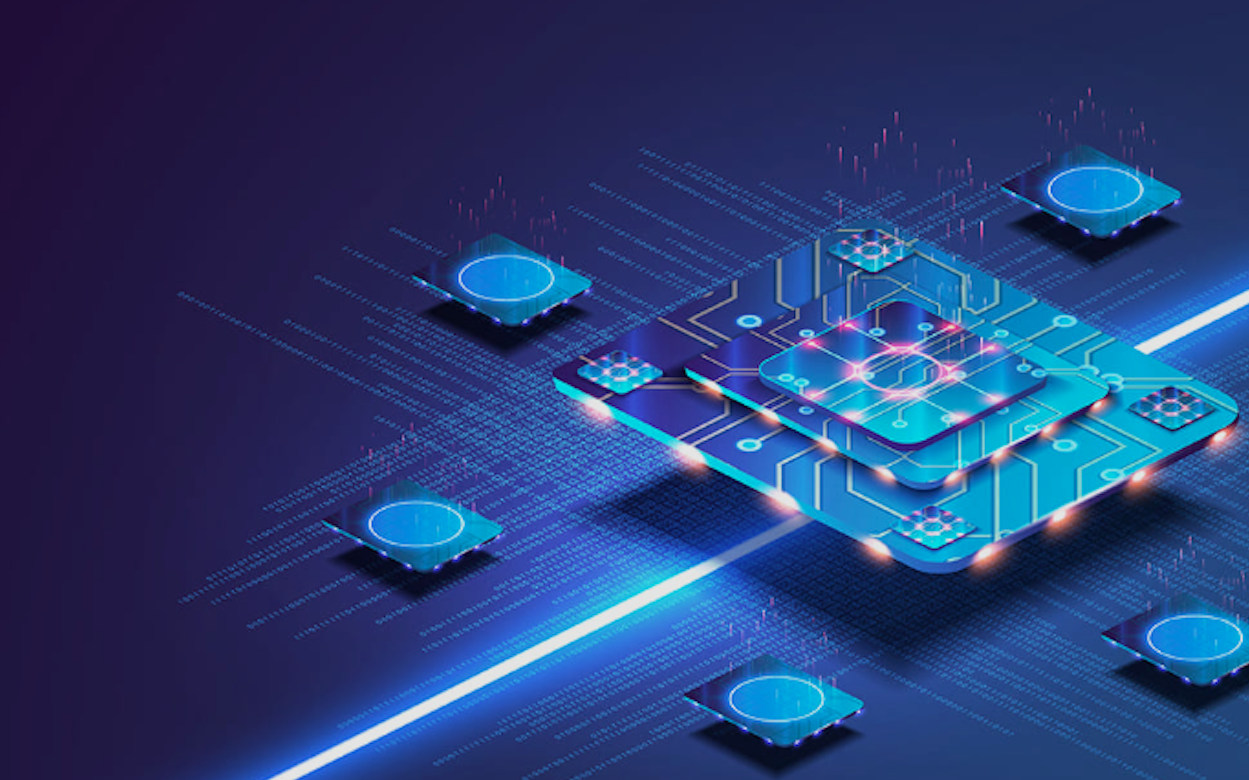
Quantum computing is no longer just a concept from science fiction; it’s quickly becoming a game changer in the world of technology and science. With big investments from leading tech companies and researchers pushing the boundaries of what’s possible, understanding how quantum computing is evolving and what the future holds is more important than ever. Here’s a straight forward, SEO friendly look at the exciting path of quantum computing and what we can expect in the years ahead.
What Exactly Is Quantum Computing?

Before exploring its future, let’s quickly explain what quantum computing is. Unlike your everyday computer that relies on bits (which are either 0s or 1s), quantum computers use something called qubits. Qubits are special because they can be both 0 and 1 at the same time, thanks to a strange quantum property called superposition. This allows quantum computers to crunch complex problems much faster than traditional computers.
Where Are We Now With Quantum Tech?

Currently, quantum computers are still in the beginning phases of development. Companies like IBM, Google, and D Wave have built experimental machines that can perform certain tasks faster than classical computers. But these systems are fragile, costly, and still very limited in size. Despite these challenges, progress is steady, and the potential uses are huge, think secure communications, new medicines, and solving difficult scientific problems.
Major Steps in the Growth of Quantum Computing

Growing the Number of Qubits
One of the main goals has been to increase the number of qubits in quantum processors. More qubits mean more computational power. Recently, developers have created machines with over 100 qubits, bringing us closer to practical and useful quantum computers.
Improving Stability and Reliability
Quantum systems are very sensitive and prone to errors. Researchers are working on better error correction methods and designing more stable qubits to keep quantum calculations accurate for longer periods.
Creating Better Quantum Algorithms
Scientists are developing new algorithms specifically designed for quantum computers. These algorithms aim to solve certain problems faster than traditional methods, paving the way for real-world applications.
Combining Classical and Quantum Computing
A practical approach is emerging where traditional computers work alongside quantum processors. This hybrid setup allows businesses to start benefiting from quantum technology without waiting for fully independent quantum machines.
What Might Happen in the Next Few Years?

More Powerful and Dependable Quantum Devices
Expect to see quantum computers with larger qubit counts and improved error correction. This will make them more reliable for everyday use and bring us closer to achieving “quantum supremacy” when quantum computers outperform classical ones on important tasks.
New Software and Algorithms
Innovative quantum algorithms will unlock fresh opportunities in finance, logistics, artificial intelligence, and more. These advancements will make quantum tech more practical and accessible for solving real world problems.
Industry Specific Uses of Quantum
Different sectors will begin to use quantum computing for tailored solutions. For instance, pharma companies might use it to discover new drugs faster, while financial institutions could optimize complex investments more efficiently.
Tackling Quantum Security Risks
As quantum computers grow more powerful, they could threaten current encryption methods. The cybersecurity industry is actively developing quantum resistant security measures to protect data in this new era.
Greater Collaboration and Investment
Governments, universities, and private companies are pouring resources into quantum research. Expect more partnerships that will speed up development, reduce costs, and expand access to this revolutionary technology.
Final Thoughts

The development of quantum computing is only starting out, but its possibilities are huge. In the near future, we could see solutions to problems that currently take years to solve in seconds. Although challenges like qubit stability and scaling remain, the rapid progress and investment in this field suggest a quantum revolution is on the horizon.
Staying informed about these advances will help individuals and businesses prepare for a future where quantum technology transforms many aspects of our lives.

Remote work technology is evolving rapidly across industries worldwide. Companies are increasingly relying on innovative digital tools to stay connected, collaborate effectively, and maintain productivity from anywhere. As these technologies advance, they’re fundamentally transforming how teams work together in the modern digital workplace.
How AI is Boosting Remote Productivity

Artificial intelligence (AI) is revolutionizing remote work in many ways. Intelligent assistants now help with scheduling, summarizing meetings, and automating repetitive tasks, freeing up employees to focus on strategic and creative work.
AI powered collaboration tools analyze productivity patterns and workflow trends, offering valuable insights to help teams optimize their processes. Additionally, smart chatbots provide instant support for common technical issues, minimizing downtime and keeping daily operations running smoothly.
Machine learning also streamlines remote hiring by quickly screening candidates and predicting team compatibility. These tools enable organizations to build stronger, more efficient distributed teams.
Cloud Collaboration Platforms: The Heart of the Digital Office
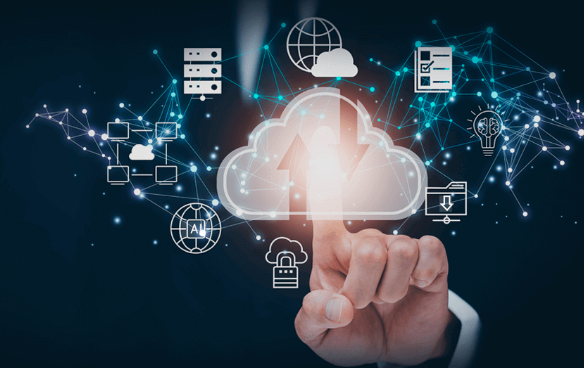
Cloud based collaboration platforms are now the backbone of remote work environments. They allow teams to store files, manage projects, and communicate seamlessly all in one digital space. This means employees can access essential resources from any location, whether they’re at home, a coffee shop, or traveling.
Many cloud platforms combine features like messaging, document sharing, and task management, making teamwork more flexible and efficient. Real time editing further enhances collaboration by allowing multiple users to work on the same document simultaneously, boosting productivity.
Security remains a top priority, with encryption and advanced authentication methods protecting sensitive data. These advancements give organizations confidence in using cloud technology for their remote operations.
Virtual Reality: Creating Immersive Remote Work Experiences

Virtual reality (VR) is opening up new possibilities for remote teams to interact in immersive digital environments. Employees can meet in virtual offices using avatars, making online meetings more engaging and collaborative.
VR spaces allow for dynamic brainstorming sessions with interactive whiteboards and shared virtual objects. Training programs benefit too, as employees can learn complex skills through realistic simulations.
While VR hardware is becoming more comfortable and affordable, many companies are experimenting with virtual headquarters to foster a sense of community and shared space, regardless of physical location. These advancements are making remote work more engaging and interactive.
Strengthening Security for Remote Teams

As remote work grows, so do cybersecurity challenges. Companies are investing in sophisticated security measures to protect their remote workforce. Multi layered authentication systems and endpoint protection tools help safeguard sensitive information.
Zero trust security models are gaining popularity, requiring all users and devices to verify their identity before accessing company systems. This method greatly lowers the chances of unauthorized access.
AI driven security monitoring tools analyze network activity in real time, alerting security teams to suspicious behavior immediately. This proactive defense helps organizations keep their data safe in an increasingly digital world.
5G: Enabling Faster, More Reliable Remote Connectivity

Fast and stable internet connections are essential for effective remote work. Thanks to the rollout of 5G networks worldwide, employees now experience higher speeds and lower latency, making video calls clearer and data transfers quicker.
This enhanced connectivity supports advanced tools like augmented reality, which require a strong internet to function smoothly. It also gives employees more flexibility, enabling them to work efficiently from different places such as home, cafes, or coworking spaces.
Automation and Smart Workflow Tools
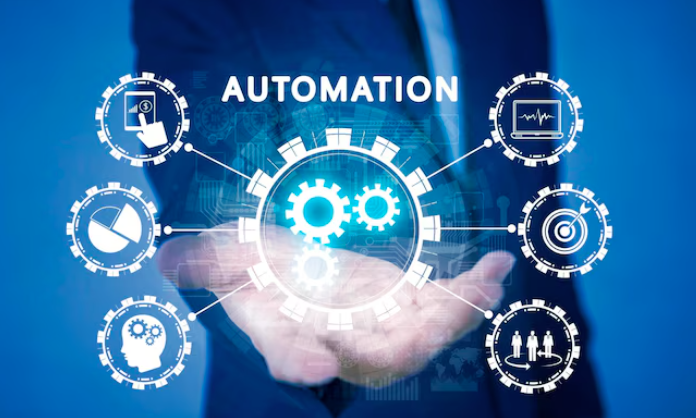
Automation is transforming the way teams operate in the digital workspace. Smart workflow tools automatically assign tasks, track progress, and give managers clear insights into team performance.
Modern productivity platforms analyze workloads and suggest optimal schedules for deep work sessions, helping employees stay organized and efficient. Automation also reduces time spent on manual administrative tasks, freeing up your team to focus on innovation and strategic initiatives.
Improving the Remote Employee Experience

Companies are increasingly using digital employee experience platforms that combine communication, HR services, and learning resources into a single interface. This simplifies access to essential tools and supports employee engagement.
These platforms often include feedback and recognition features, helping managers monitor satisfaction levels and strengthen workplace culture despite physical distance. Integrated learning systems enable employees to upgrade their skills through online training, promoting continuous growth in a remote setting.
The Rise of Hybrid Work Models

Hybrid work models blending remote flexibility within office collaboration are becoming the new standard. Employees split their time between working from home and coming into the office, providing greater flexibility and work life balance.
Technology plays an important role in helping hybrid teams work smoothly and stay connected. Smart meeting systems ensure remote participants can engage equally with office colleagues, with features like automatic camera focus on active speakers. Digital platforms synchronize tasks across locations, making collaboration seamless regardless of where team members are based.
Embracing the Future of Digital Work

The landscape of remote work technology is set to continue evolving with innovations like AI, cloud platforms, virtual reality, and advanced cybersecurity. These tools are making remote teams more efficient, secure, and connected.
Forward thinking organizations that adopt these cutting edge solutions will gain a competitive edge, while employees benefit from increased flexibility, better collaboration, and enhanced productivity. The future workplace will be more intelligent, immersive, and resilient powered by the latest remote work technologies.


WhatsApp Experiments with ‘Guest Chats’ A Quiet Shift Toward Frictionless Conversations

Business Automation and Efficiency Solutions: Boost Your Growth

Getting Started with Budgeting: Simple Money Tips for Beginners
Wedding day horror: Groom falls to death at VOCO Orchard Hotel on Wedding Day
EdTech in Singapore: 150+ Companies Driving $180M Digital Learning Revolution

Singapore JC Ranking: A Complete Guide for Students
-
Blog7 months ago
Wedding day horror: Groom falls to death at VOCO Orchard Hotel on Wedding Day
-
Technology6 months ago
EdTech in Singapore: 150+ Companies Driving $180M Digital Learning Revolution
-
Education9 months ago
Singapore JC Ranking: A Complete Guide for Students
-

 Food5 months ago
Yi Dian Dian Bubble Tea Singapore: Menu, Outlets & Try Drinks
-
 Blog10 months ago
Best of SG with Singapore Rediscover Voucher
-
 Business10 months ago
What to Expect During PSLE Marking Days 2023
-
 Digital Marketing6 months ago
How to Run Effective Xiaohongshu Advertising Campaigns
-
 Digital Marketing6 months ago
Why Xiaohongshu Ads Are a Must for Reaching Chinese Consumers