
Business
Signs Your Home Needs Professional Electrical Repair Services

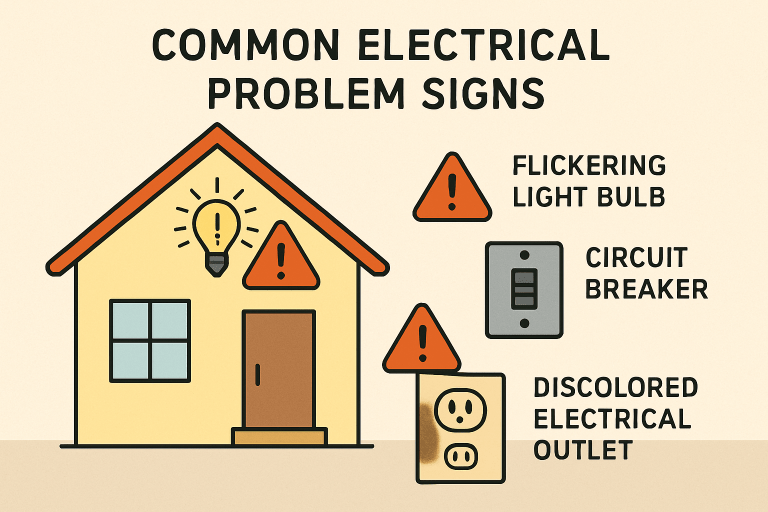
Maintaining a safe and efficient electrical system in your home is critical for residents’ and property’s safety and comfort. Electrical problems may start small, but they can escalate into serious hazards if ignored. Learning how to identify common signs that indicate a need for immediate electrical repairs can protect your home and loved ones. If you notice anything unusual, don’t delay seeking Columbia, SC emergency electrical repairs by licensed electricians to ensure your family’s safety and prevent more costly issues down the line.
Problems like outdated wiring, overloaded circuits, or faulty panels cause many electrical issues. Being proactive and aware of the warning signals is essential—especially since electrical problems can lead to dangerous outcomes such as electrical fires or shocks. Having a professional electrician inspect your system at the first sign of trouble increases the safety of your household and the overall efficiency and reliability of your home’s electrical infrastructure.
Ignoring or postponing repairs when issues arise can put property and lives at risk. Recognizing clear warning signs gives you time to call for professional help before small inconveniences become major emergencies. By staying vigilant, you keep your home compliant with modern standards and ensure it meets the growing power demands of today’s appliances and devices.
Properly maintaining your home’s electrical system also supports the long life and optimal function of electronics and appliances, reducing the chances of unexpected breakdowns and expenses. If you’re unsure about any symptoms, it’s always safest to err on the side of caution and consult an expert or reputable sources like the U.S. Consumer Product Safety Commission’s electrical safety resources.
Frequent Circuit Breaker Trips
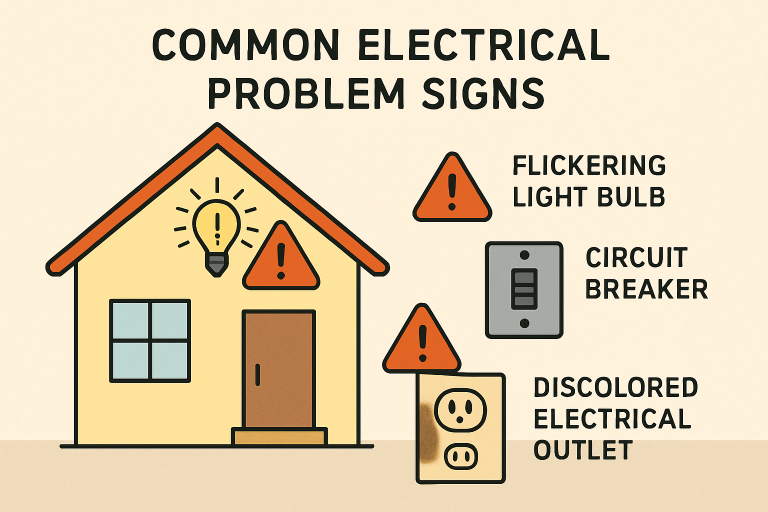
Circuit breakers are your home’s first defense against electrical overloads. When a breaker trips repeatedly, this is a sign of underlying problems such as overextended circuits, faulty wiring, or appliances drawing more power than the system can handle. Having a licensed electrician diagnose and repair the issue quickly is crucial for your home’s safety and for preventing possible electrical fires.
Flickering or Dimming Lights
If you notice your lights flickering or dimming when you use certain appliances, this isn’t just a minor inconvenience; it may signify loose connections, overloaded wiring, or problems with your electrical panel. Allowing these problems to go unaddressed can diminish overall electrical system efficiency and increase the risk of hazards. Learn more about power safety from trusted resources, such as Consumer Reports, on preventing electrical fires.
Burning Smells or Discolored Outlets
Unexplained burning smells or scorched outlets are urgent safety warning signs. These can indicate overheated wires, melted insulation, or failing outlets—conditions that could quickly escalate into a fire. If you detect such symptoms, shut off power to affected areas and contact an emergency electrician.
Buzzing Sounds from Outlets or Switches
Electric systems should operate in near silence. Buzzing, crackling, or sizzling noises from switches or outlets are signals of trouble, often resulting from loose or deteriorating wiring and failing components. Addressing these symptoms early can prevent more severe complications or fires.
Warm or Hot Outlets and Switches
Outlets, switches, and electrical plates should always remain cool. If you notice warmth or heat when touching them, the source may be overworked wiring or improper installations. This overheating is not normal and must be checked by a professional immediately to avoid fire risks.
Sparks When Plugging in Devices
Occasional, small static sparks may occur, but if sparks are large, frequent, or accompanied by a burning smell or popping noise, you may have a short circuit, moisture exposure, or deteriorating electrical components. These scenarios can damage your appliances and increase the chances of a dangerous fire.
Frequent Power Surges
If power surges become routine in your home, they can degrade electronics and appliances over time. Such surges often originate from faulty wiring, malfunctioning appliances, or issues in the overall power grid. Surge protectors provide only a temporary fix—the real solution is a professional assessment and repair.
Outdated Wiring or Electrical Panels
Outdated or obsolete wiring and panels cannot meet current safety codes and modern electrical demands. Older systems pose an elevated risk for electrical faults and fires. Upgrading your wiring and panels significantly enhances home safety and can prevent many common electrical issues.
Dead Outlets or Faulty Switches
Occurring outlets or switches that no longer function may signify wiring failures, internal damage, or tripped circuit breakers. While these issues might seem minor, they are often symptoms of much larger underlying problems best handled by a professional electrician to restore safe and full function.
Electrical Shocks When Touching Appliances
Receiving even a mild shock or tingling sensation when using switches or appliances is a critical signal of improper grounding, faulty wiring, or insulation breakdowns. Do not ignore these symptoms—immediate professional intervention can help prevent potentially deadly accidents.
Staying alert to these signs and promptly addressing electrical issues ensures a safer, more efficient home. Professional electrical inspections and repairs are a wise investment in your property’s value, longevity, and—most importantly—the well-being of everyone under your roof.


In today’s fast moving and unpredictable economy, businesses are constantly facing new challenges. From rapid technological changes and shifting customer preferences to global crises and evolving regulations, staying afloat requires more than just traditional management.
Building resilience isn’t optional anymore, it’s essential for survival and long term growth. Resilient companies can adapt quickly to changes, bounce back from setbacks, and even find new opportunities during turbulent times.
Here’s a practical guide on how your business can develop resilience in an ever changing marketplace.
What Is Business Resilience?
Business resilience is a company’s ability to anticipate risks, prepare for unexpected events, respond effectively, and bounce back stronger. It’s about being proactive thinking ahead and planning for uncertainties so your business remains sustainable no matter what disruptions come your way.
Top Strategies to Build Business Resilience

Diversify Your Revenue Streams
Relying too heavily on one product or market makes your business vulnerable. By diversifying adding new products, exploring different markets, or offering additional services you create multiple income sources. This way, if one area takes a hit, others can keep your business afloat.
Foster Innovation and Flexibility
Markets are always changing, driven by new technologies and customer demands. Staying innovative helps you stay relevant. Also, being flexible adjusting your business models, operations, and strategies quickly allows you to respond faster to market shifts.
Strengthen Your Financial Position
Having strong cash reserves and managing debt wisely give you a financial safety net during tough times. Careful financial planning and controlling costs ensure your business can weather downturns without collapsing.
Focus on Customer Needs
Listening to your customers and understanding what they want builds loyalty and gives you insight into market trends. When you respond to customer feedback, you can adapt your offerings and stay ahead of competitors.
Use Technology and Data Analytics
Digital tools and data analysis help you monitor market trends, customer behaviors, and your operational efficiency in real time. Using these insights allows you to make smarter decisions and stay agile.
Build a Strong, Adaptable Team
Investing in employee development, maintaining a positive workplace culture, and communicating clearly create a motivated and flexible workforce. An engaged team can better handle change and help your business thrive during uncertain times.
Conduct Risk Assessments and Scenario Planning
Regularly evaluating potential risks and preparing contingency plans ensures you’re ready for different future scenarios. Being prepared reduces surprises and speeds up your response efforts.
Incorporate Sustainable Practices
Adopting eco friendly and socially responsible practices not only attracts environmentally conscious customers but also reduces long term risks. Sustainability is a vital part of building resilience for the future.
Build Strategic Partnerships
Forming alliances with other businesses or organizations can expand your capabilities, share risks, and open new markets. Partnerships increase your flexibility and resource access in challenging times.
Final Thoughts

Creating a resilient business in today’s constantly changing environment requires deliberate planning, a willingness to adapt, and a forward thinking mindset. Companies that embrace diversification, innovation, financial discipline, and technological advancements are better equipped to handle disruptions and seize new opportunities.
Remember, in a world where change is inevitable, resilience is the secret to staying competitive and thriving in the long run.

In today’s rapidly changing business world, staying ahead of the competition means making your operations smoother and reducing manual work. Business automation tools are designed to simplify repetitive tasks, boost productivity, and improve overall efficiency. Using these tools, companies can save valuable time, lower costs, and focus more on strategic growth and innovation.
What Are Business Automation and Efficiency Tools?

Business automation tools are intelligent software solutions that handle routine tasks automatically, so you don’t have to do everything manually. They can take care of functions like data input, customer communication, project planning, financial management, and more. Automating these processes helps your business operate more effectively and respond quickly to market shifts.
Why Are Business Automation Tools Important?

More Productivity
Automating routine tasks frees up your team’s time, allowing them to focus on high impact activities.
Cost Reduction
Cutting down on manual labor and minimizing mistakes reduces overall operational expenses.
Greater Accuracy
Automated systems reduce human errors, ensuring consistent and dependable results.
Quicker Decisions
Real time data and analytics from automation tools enable faster, smarter decision making.
Better Customer Service
Automation in customer communication leads to faster responses, increasing customer satisfaction and loyalty.
Top Business Automation Tools to Consider

Customer Relationship Management (CRM) Software
Platforms like Salesforce, HubSpot, and Zoho automate sales, marketing, and support processes, making it easier to nurture leads and strengthen customer relationships.
Marketing Automation Platforms
Tools such as Mailchimp, Marketo, and ActiveCampaign automate email marketing, social media posts, and lead nurturing campaigns saving marketers time and increasing campaign success.
Project Management and Collaboration Tools
Applications such as Asana, Trello, and Monday.com assist teams in organizing tasks, working together smoothly, and monitoring project progress to ensure all deadlines are met.
Accounting and Financial Automation
Software like QuickBooks, Xero, and Wave automate invoicing, expense management, payroll, and financial reporting making your financial operations more efficient and accurate.
Workflow Automation Tools
Tools like Zapier, Microsoft Power Automate, and Integromat connect your apps and automate data flow between them, reducing manual data entry and streamlining your workflows.
How to Pick the Best Automation Tools for Your Business

Identify Repetitive Tasks
Focus on processes that take up a lot of time and are performed regularly.
Check Compatibility
Ensure the tools you choose can integrate smoothly with your existing systems.
Prioritize Ease of Use
Choose solutions that are simple to implement and user friendly.
Think Scalability
Pick tools that can grow alongside your business.
Support and Training
Providing dependable customer assistance and comprehensive onboarding resources is crucial for ensuring a seamless transition.
Final Thoughts

Adopting the right business automation tools can revolutionize your operations, enhance efficiency, and give your company a competitive edge. By automating mundane and repetitive tasks, your team can dedicate more time to strategic initiatives that drive growth. Whether you’re a small startup or a large corporation, embracing automation is vital to thriving in today’s digital economy.
Start exploring automation solutions now and unlock new levels of business efficiency and success!
Read Also: Transform Your Business with Human Resource Performance Management in Singapore

Remote work and virtual teams have transformed the way we work, especially over the past few years. What once was a niche option has now become a mainstream part of many industries. As technology advances and workplace expectations shift, it’s important to understand how remote work is evolving and what the future holds. Here’s a clear, SEO friendly overview of the trends and predictions shaping the future of remote work and virtual teams.
How Remote Work Got Started

Before the pandemic, remote work was growing steadily but was still considered a perk or occasional option. The COVID-19 pandemic accelerated this shift dramatically, forcing companies worldwide to adopt remote work practices almost overnight. Now, remote work is here to stay, with many organizations seeing its benefits.
Key Trends Shaping the Future of Remote Work

Hybrid Work Models Will Dominate
Most companies are moving toward hybrid work setups, combining in office and remote work. This flexible approach allows employees to enjoy the best of both worlds collaborating in person while enjoying the flexibility of working remotely.
Advanced Collaboration Tools Will Continue to Improve
Tools like Zoom, Microsoft Teams, Slack, and project management apps are constantly evolving. Expect smarter, more integrated platforms that make remote collaboration seamless, with features like real time editing, virtual whiteboards, and AI powered assistance.
Focus on Company Culture and Employee Engagement
Building a strong company culture remotely is challenging but essential. Future organizations will invest more in virtual team building activities, mental health support, and recognition programs to keep remote employees engaged and connected.
Greater Emphasis on Results, Not Hours
The traditional 9 to 5 schedule is giving way to a results focused approach. Employers will prioritize productivity and outcomes over clock in times, offering employees more autonomy and flexibility.
Increased Use of AI and Automation
Automation will handle routine tasks, freeing up employees for more creative and strategic work. AI powered virtual assistants and chatbots will become common tools for managing schedules, answering queries, and streamlining workflows.
Focus on Digital Security and Data Privacy
With more work happening online, cybersecurity will become even more critical. Companies will invest in better security measures, employee training, and data privacy policies to protect sensitive information.
Global Talent Pool Expansion
Remote work removes geographical barriers, allowing companies to hire talent from anywhere in the world. This trend will foster diversity and enable organizations to access specialized skills that might not be available locally.
What’s Coming Next?

More Flexible Work Environments
Expect to see even more personalized work setups tailored to individual preferences and productivity styles.
Virtual Reality (VR) and Augmented Reality (AR)
These technologies could revolutionize remote collaboration, making virtual meetings feel more like in person interactions.
Focus on Work Life Balance
Employers will prioritize policies that support mental health, flexible hours, and boundaries between work and personal life.
Decentralized Teams
Organizations may become more decentralized, with teams spread across multiple time zones, working asynchronously to maximize productivity.
Why It Matters

Understanding the future of remote work helps individuals and businesses prepare for upcoming changes. Whether you’re an employee seeking flexibility, a manager aiming to maintain team cohesion, or a company looking to attract top talent, staying informed about these trends will give you a competitive edge.
Final Thoughts

Remote work and virtual teams are here to stay, and their evolution will continue to reshape the workplace landscape. Embracing technology, fostering strong digital culture, and prioritizing results and well being will be key to success in the future of work. By staying adaptable and open to new ways of working, organizations and employees can thrive in this dynamic environment.


The Future of AI and Technology in Everyday Life

Building Resilient Businesses in a Rapidly Changing Market Environment

The Growth of 6G Networks and Lightning Fast Connectivity: Shaping the Future of Digital Communication
Wedding day horror: Groom falls to death at VOCO Orchard Hotel on Wedding Day

EdTech in Singapore: 150+ Companies Driving $180M Digital Learning Revolution

Singapore JC Ranking: A Complete Guide for Students
-
Blog7 months ago
Wedding day horror: Groom falls to death at VOCO Orchard Hotel on Wedding Day
-
Technology7 months ago
EdTech in Singapore: 150+ Companies Driving $180M Digital Learning Revolution
-
Education9 months ago
Singapore JC Ranking: A Complete Guide for Students
-

 Food5 months ago
Yi Dian Dian Bubble Tea Singapore: Menu, Outlets & Try Drinks
-
 Blog10 months ago
Best of SG with Singapore Rediscover Voucher
-
 Business10 months ago
What to Expect During PSLE Marking Days 2023
-
 Digital Marketing6 months ago
How to Run Effective Xiaohongshu Advertising Campaigns
-
 Digital Marketing6 months ago
Why Xiaohongshu Ads Are a Must for Reaching Chinese Consumers